7 Key Insights into Age and Ageing – Science of Growing Older
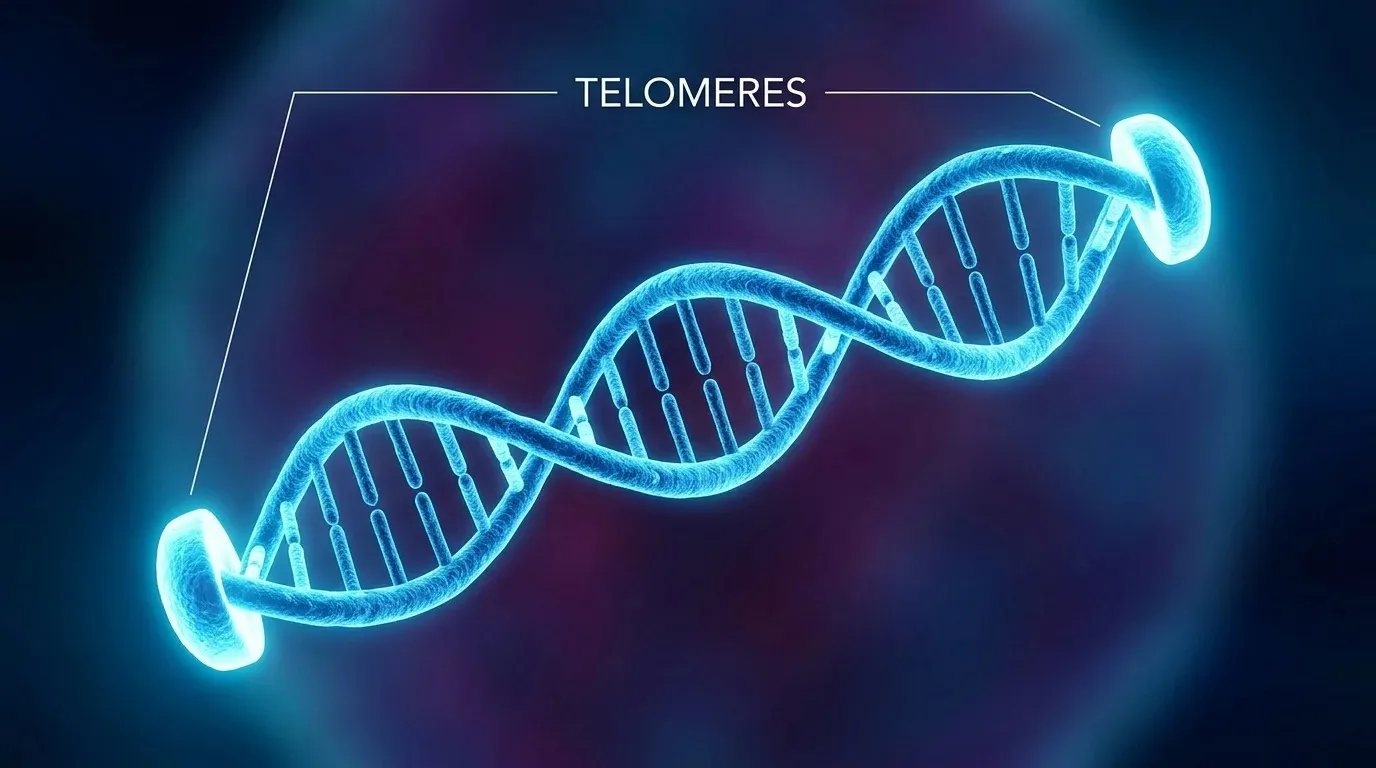
Table of Contents
Age and ageing are universal processes that every living organism undergoes, a complex journey marked by a gradual decline in physiological integrity, leading to a deteriorated physical function and an increased susceptibility to disease. While the outward signs of ageing—such as wrinkles, grey hair, and reduced mobility—are readily apparent, the underlying biological mechanisms are far more intricate and are the subject of extensive scientific research. Understanding the science behind growing older is not merely an academic exercise; it holds the key to developing strategies that can extend not just lifespan, but more importantly, “healthspan” – the period of life spent in good health, free from chronic disease and disability. This comprehensive article delves into the multifaceted aspects of ageing, exploring its biological underpinnings, the influence of environmental and genetic factors, and the emerging interventions aimed at promoting healthier, longer lives.
The Biological Hallmarks of Ageing
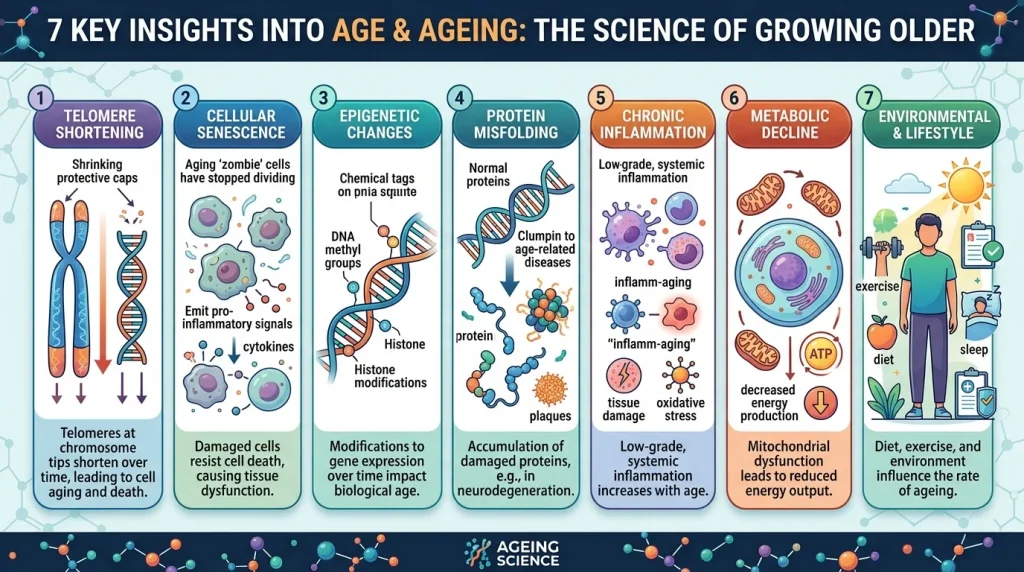
At the core of ageing are fundamental cellular and molecular changes, often referred to as the “hallmarks of ageing”. These interconnected processes contribute to the progressive damage and dysfunction observed in ageing organisms. While there are several proposed hallmarks, three key areas stand out for their significant impact on the ageing process: cellular senescence, telomere shortening, and mitochondrial dysfunction.
Cellular Senescence
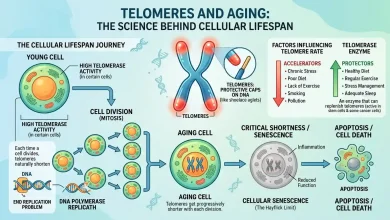
Cellular senescence is a state where cells permanently stop dividing but remain metabolically active, often secreting a cocktail of inflammatory molecules known as the Senescence-Associated Secretory Phenotype (SASP). While senescence plays beneficial roles in early development and wound healing, the accumulation of senescent cells in tissues over time is detrimental, contributing to chronic inflammation, tissue dysfunction, and age-related diseases like cancer, atherosclerosis, and diabetes. These “zombie cells” can impair tissue repair and regeneration, limiting the regenerative potential of adult stem cells and accelerating biological ageing. Researchers are actively exploring ways to remove these senescent cells or modulate their SASP to combat age-related decline.
Telomere Shortening
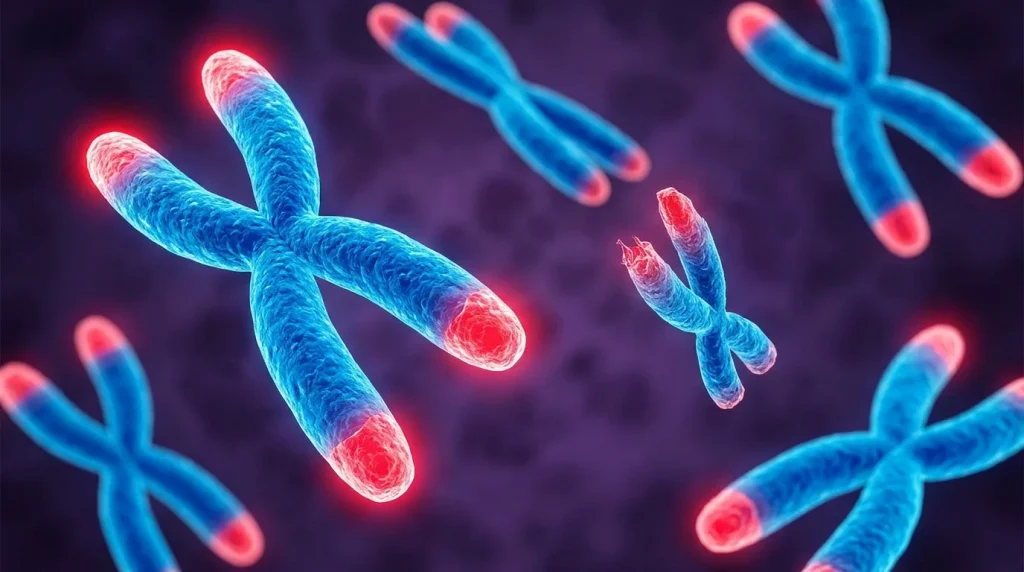
Telomeres are protective caps at the ends of our chromosomes, essential for maintaining genomic integrity during cell division. Each time a cell divides, telomeres shorten slightly, acting as a biological clock that limits the number of times a cell can replicate. Once telomeres reach a critically short length, the cell either enters senescence or undergoes programmed cell death (apoptosis). This progressive shortening of telomeres is a key marker of cellular ageing and is strongly associated with an increased incidence of age-related diseases, including cancer, heart disease, dementia, and type 2 diabetes. Environmental factors such as oxidative stress, inflammation, and lifestyle choices can accelerate telomere shortening.
Mitochondrial Dysfunction
Mitochondria, often called the “powerhouses of the cell,” are crucial for energy production and maintaining cellular health. With age, mitochondrial function declines, characterized by decreased oxidative capacity, reduced ATP production, and an increase in the generation of reactive oxygen species (ROS). This mitochondrial dysfunction is considered a central driver of cellular senescence and contributes significantly to biological ageing and age-related diseases. The accumulation of damaged mitochondria also impairs cellular function and can lead to a vicious cycle of further cellular dysfunction. Strategies that delay mitochondrial ageing, such as caloric restriction and regular physical training, can attenuate age-related phenotypes.
Environmental and Lifestyle Factors Influencing Ageing
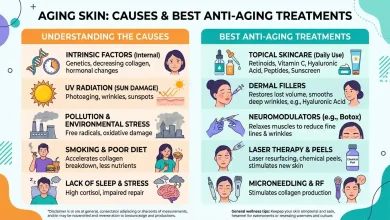
While our biological machinery has intrinsic ageing mechanisms, external factors significantly modulate how quickly and “successfully” we age. The interplay between our genes and the environment, often referred to as the “exposome,” plays a crucial role in determining our healthspan and lifespan. Recent research highlights that environmental factors and lifestyle choices can have a stronger influence on ageing and premature mortality than genetics alone.
Key environmental factors include exposure to pollutants, toxins, and even living conditions. For instance, living in a polluted environment can negatively impact multiple hallmarks of ageing, including mitochondrial dysfunction, cellular senescence, and inflammation. Social isolation and a lack of social support have also been linked to changes in gene expression and DNA methylation patterns, impacting genomic instability and epigenetic alterations.
Lifestyle choices are particularly potent in shaping our ageing trajectory. A comprehensive study involving over 700,000 U.S. veterans identified eight healthy lifestyle habits that can substantially extend life expectancy: being physically active, being free from opioid addiction, not smoking, managing stress, having a good diet, not regularly binge drinking, having good sleep hygiene, and having positive social relationships. Low physical activity, opioid use, and smoking were found to have the biggest impact on lifespan. Conversely, adopting a healthy diet, maintaining a healthy body weight, and engaging in regular physical activity can significantly reduce the risk of major diseases like type 2 diabetes, cancer, and cardiovascular disease.
| Lifestyle Factor | Impact on Ageing and Longevity | Relevant Hallmarks Affected |
|---|---|---|
| Smoking | Strongly associated with reduced life expectancy, increased risk of numerous diseases, and accelerated cellular ageing. | Telomere attrition, genomic instability, increased inflammation, oxidative stress. |
| Physical Activity | Increases telomere length, improves mitochondrial function, reduces inflammation, and extends healthspan and lifespan. | Telomere attrition, mitochondrial dysfunction, cellular senescence, deregulated nutrient sensing. |
| Diet (Healthy) | Supports cellular repair, reduces inflammation and oxidative stress, promotes healthy skin, and is linked to longer telomeres. | Oxidative stress, chronic inflammation, mitochondrial dysfunction, cellular senescence, epigenetic alterations. |
| Sleep Hygiene | Inadequate sleep raises the risk of chronic health problems and is linked to accelerated ageing. | Cellular repair mechanisms, immune function. |
| Stress Management | Chronic stress can negatively impact cellular health and accelerate ageing processes. | Telomere attrition, inflammation. |
| Social Relationships | Positive social connections are associated with longer survival and better overall health. | Genomic instability, epigenetic alterations. |
The Role of Genetics in Longevity
Genetics plays a significant, albeit complex, role in human ageing and longevity, with heritability estimates for lifespan ranging from approximately 10% to 30%. Studies of exceptionally long-lived individuals, such as centenarians, indicate that the genetic contribution to longevity increases with age, suggesting that specific genetic factors confer resistance to age-related diseases and increase the likelihood of reaching extreme old age.
Genome-wide association studies (GWAS) have identified multiple genetic loci associated with lifespan, healthspan, and exceptional longevity, converging on key biological processes such as lipid metabolism, inflammation, insulin/IGF signaling, and DNA repair. While many of these genetic signals overlap with major age-related diseases, some appear to specifically contribute to lifespan extension, implying distinct genetic mechanisms for disease susceptibility and ageing resilience. Genes involved in DNA repair, stress resistance, and anti-senescence mechanisms, such as WRN, SIRT6, and CDKN2A/B, have been highlighted as crucial for intrinsic biological ageing processes.
However, it’s important to recognize that human longevity is a highly polygenic trait, influenced by the cumulative action of hundreds to thousands of small-effect variants distributed across diverse biological pathways. The genetics of longevity is also highly population-specific and can be influenced by factors like sex, individual biography, family history, and ancestry. While genes set a predisposition, environmental and lifestyle factors interact with these genetic predispositions to shape an individual’s unique ageing trajectory. The interplay of genetic and epigenetic changes is increasingly being recognized as a key contributor to the increasing elderly population and the molecular determinants that can slow ageing and extend healthspan.
Exploring Interventions: Can We Slow Down Ageing?
The growing understanding of ageing mechanisms has fueled significant research into interventions that could potentially slow down, or even reverse, some aspects of the ageing process. These strategies encompass nutritional approaches, exercise, and pharmacological interventions.
Nutritional Approaches
Diet plays a pivotal role in modulating ageing, with accumulating evidence suggesting that specific nutritional strategies can beneficially influence multiple hallmarks of ageing, including chronic inflammation, oxidative stress, mitochondrial dysfunction, and nutrient-sensing pathways. A diet rich in antioxidants, found in berries, dark leafy greens, and nuts, helps neutralize free radicals that damage cells. Omega-3 fatty acids, abundant in fatty fish, flaxseeds, and chia seeds, contribute to skin hydration and reduce inflammation.
Calorie restriction and calorie restriction mimetics (compounds that mimic the effects of calorie restriction) are among the most promising nutritional strategies for extending healthspan, showing significant anti-ageing effects on inflammation, metabolism, and cell stability. A balanced diet, such as the Mediterranean diet, emphasizing fruits, vegetables, whole grains, and healthy fats, is linked to longer telomeres and reduced risk of age-related metabolic diseases. Conversely, a diet high in sugar, unhealthy fats, and processed foods can accelerate cellular damage and increase the likelihood of diseases that speed up ageing. For further insights into how diet impacts longevity, one can refer to research on the impact of diet on telomere length and human health, which underscores the profound connection between what we eat and our biological age.
Exercise and Physical Activity
Regular physical activity is a powerful anti-ageing intervention, with a multitude of studies demonstrating its positive effects on extending lifespan and healthspan by decreasing the nine hallmarks of ageing. Exercise can increase telomere length by enhancing telomerase activity and reducing inflammation and oxidative stress. High-intensity aerobic exercise, in particular, has been shown to reverse some cellular aspects of ageing, improving mitochondrial function and enhancing muscle protein content, especially in older adults. It also significantly enhances the cellular machinery responsible for making new proteins, reversing a major adverse effect of ageing. Studies indicate that consistently high levels of physical activity lead to significantly longer telomeres compared to sedentary lifestyles. Exercise should be viewed as a “polypill” that improves health-related quality of life and functional capabilities while mitigating physiological changes and comorbidities associated with ageing.
Pharmacological Interventions
The field of geroscience is actively investigating pharmacological strategies to target the biological mechanisms of ageing, with the goal of delaying or preventing age-related diseases. Several promising drug candidates, including metformin, rapamycin, and NAD+ precursors, have shown potential in extending lifespan and healthspan in various model organisms.
Metformin, a long-standing diabetes medication, activates AMPK (AMP-activated protein kinase) and is being investigated for its anti-ageing effects, particularly concerning cardiovascular and cancer mortality. Rapamycin, an mTOR (mammalian target of rapamycin) inhibitor, has also demonstrated anti-ageing activity and modulates the senescence-associated secretory phenotype (SASP). NAD+ precursors appear to promote better organ function, increased physical resistance, and prolonged life expectancy. Senolytics, such as dasatinib and quercetin, are drugs designed to selectively eliminate senescent cells, thereby reducing their detrimental effects on tissues and potentially improving insulin sensitivity, cardiac function, and exercise endurance in preclinical studies. Recently, a widely used GLP-1 drug, semaglutide, has shown early clinical evidence of slowing down biological ageing across multiple epigenetic clocks, particularly those linked to inflammation, brain, heart, blood, kidney, liver, and metabolic health. While many of these interventions are still in various stages of research and clinical trials, they represent a hopeful frontier in the quest for healthier ageing.
The Psychological and Societal Aspects of Ageing
Ageing is not solely a biological phenomenon; it profoundly impacts individuals psychologically and has significant societal implications. As people age, they may experience a range of psychological changes, including shifts in cognitive function, emotional well-being, and social interactions. While some cognitive abilities may decline with age, others, such as wisdom and accumulated knowledge, can improve. However, age is the greatest risk factor for many neurodegenerative diseases like Alzheimer’s and Parkinson’s. The perception of ageing, societal stereotypes, and personal experiences can heavily influence an individual’s psychological state during their later years.
From a societal perspective, the global population is progressively ageing, with a projected increase in the number of people aged 60 and over. This demographic shift presents both challenges and opportunities. Challenges include increased healthcare demands, potential strains on social support systems, and economic considerations related to retirement and elder care. However, an ageing population also represents a vast reservoir of experience, knowledge, and potential contributions to society. Promoting “successful ageing,” characterized by vitality, resilience, and good health in later years, becomes crucial. This involves creating supportive environments, fostering social engagement, and ensuring access to healthcare and resources that enable older adults to maintain their independence and quality of life. Understanding these psychological and societal dimensions is essential for a holistic approach to ageing, complementing the biological understanding to create a more age-friendly world.
Conclusion
The science behind growing older is a dynamic and ever-evolving field, revealing a complex interplay of genetic predispositions, cellular mechanisms, and environmental influences. From the intrinsic processes of cellular senescence, telomere shortening, and mitochondrial dysfunction to the profound impact of lifestyle choices and external factors, ageing is a multifaceted journey. While the complete cessation of ageing remains beyond current scientific grasp, significant strides are being made in understanding its fundamental drivers. The emerging interventions, encompassing optimized nutrition, regular physical activity, and innovative pharmacological approaches, offer promising avenues for extending healthspan and mitigating the burden of age-related diseases. As research continues to unravel the intricate mysteries of ageing, the prospect of not just living longer, but living healthier and more fulfilling lives in our later years, becomes increasingly tangible. Embracing a holistic understanding of age and ageing, from the molecular level to societal implications, is paramount to navigating this universal human experience with greater resilience and well-being.