7 Proven GlyNAC Benefits for Energy, Brain Health & Longevity
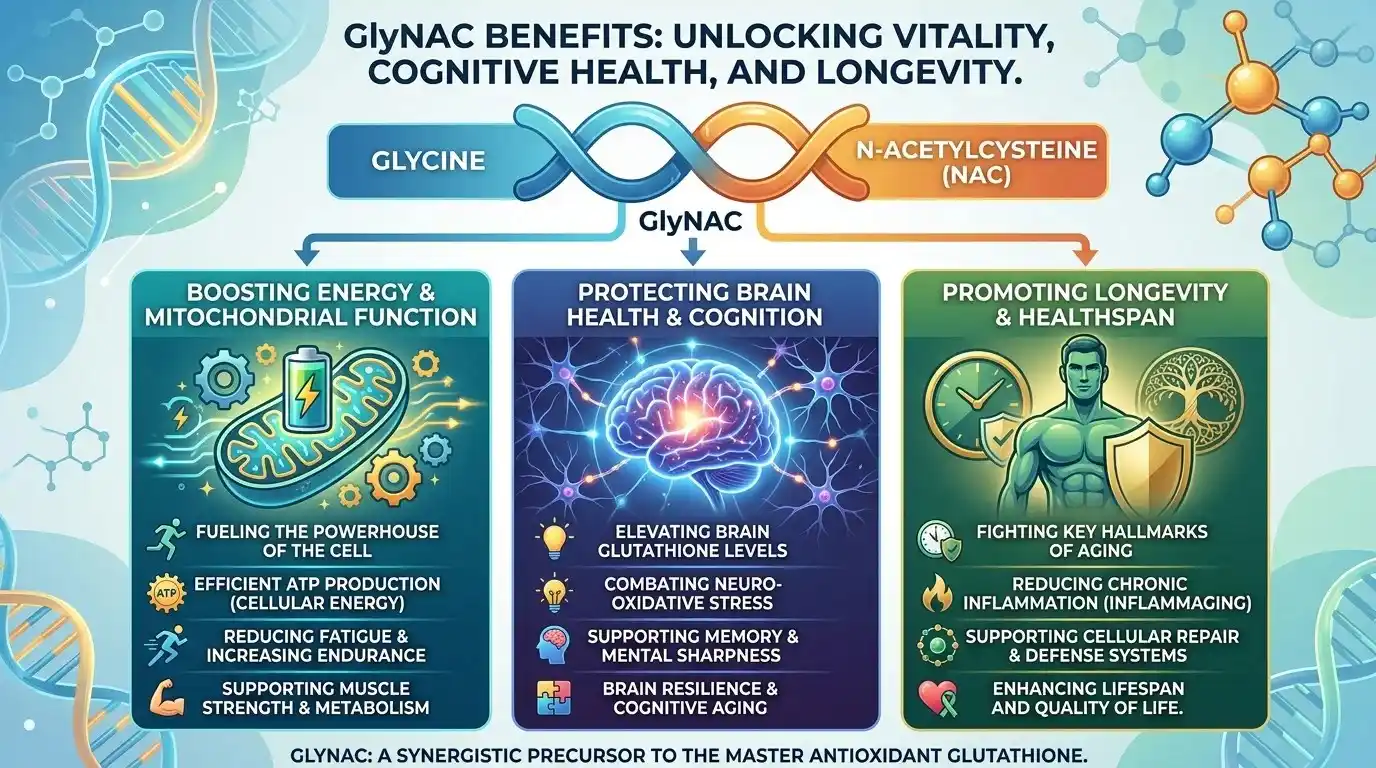
Table of Contents
GlyNAC Benefits extend across a spectrum of crucial physiological functions, offering a compelling approach to enhancing overall well-being, particularly as we age. This powerful supplement, a combination of glycine and N-acetylcysteine (NAC), has emerged as a focal point in nutritional science due to its ability to bolster the body’s natural antioxidant defenses, primarily by boosting glutathione levels. As research continues to uncover the intricate mechanisms of aging and age-related decline, GlyNAC stands out for its potential to support vital systems, from energy production at the cellular level to maintaining optimal brain health and even influencing longevity. Its widespread effects make it a promising candidate for those seeking to mitigate the impact of time on their bodies and minds.
What is GlyNAC? Understanding the Synergistic Duo
GlyNAC is a dietary supplement comprising two amino acids: glycine and N-acetylcysteine (NAC). This combination is particularly significant because these two compounds serve as critical precursors for the synthesis of glutathione (GSH), often referred to as the body’s “master antioxidant”. While both glycine and NAC offer individual health benefits, their synergy in GlyNAC is what truly amplifies their impact, especially concerning the body’s endogenous antioxidant capacity.
Glycine is a non-essential amino acid, meaning the human body can produce it, but it also plays vital roles as a neurotransmitter in the brain and a component in collagen synthesis. N-acetylcysteine, on the other hand, is a derivative of the sulfur-containing amino acid cysteine. NAC is well-known for its mucolytic properties and its use as an antidote for acetaminophen overdose due to its ability to replenish glutathione stores in the liver. Both glycine and cysteine (from NAC) are essential building blocks for glutathione, alongside glutamate, which is typically abundant in the body.
The core mechanism of GlyNAC lies in its ability to address common deficiencies in glycine and cysteine, especially prevalent in older adults. By providing these two rate-limiting precursors, GlyNAC ensures that the body has ample resources to synthesize and maintain optimal intracellular glutathione levels. This “precursor strategy” is often considered more effective than direct glutathione supplementation, as complete glutathione molecules face challenges in transmembrane transport, while smaller precursors like NAC and glycine are more readily absorbed and utilized by cellular transport systems to produce glutathione “on-demand” within the cells. This localized production allows cells to regulate their GSH levels according to their specific oxidative stress demands, aligning with the body’s natural antioxidant defense system.
Glutathione: The Body’s Master Antioxidant and Why It Declines with Age
Glutathione (GSH) is a tripeptide molecule composed of three amino acids: cysteine, glutamate, and glycine. It is the most abundant endogenous, intracellular antioxidant, found in nearly all cells of the human body. Its primary function is to protect cells from oxidative stress by neutralizing free radicals, which are unstable molecules that can damage cellular components like DNA, proteins, and lipids. Beyond its role as a direct radical scavenger, glutathione also plays a crucial part in regenerating other antioxidants, such as vitamins C and E, further strengthening the body’s overall defense system.
In addition to its antioxidant capabilities, glutathione is a critical player in detoxification processes, particularly in the liver, where it helps metabolize and eliminate toxins, heavy metals, and various harmful compounds from the body. It is involved in immune function, DNA repair, protein synthesis, and cell signaling, underscoring its multifaceted importance for maintaining cellular health and integrity.
However, a significant challenge arises with age: the body’s natural production of glutathione declines. This age-associated glutathione deficiency is a well-documented phenomenon that contributes to increased oxidative stress, chronic inflammation, and mitochondrial dysfunction, all of which are considered hallmarks of aging. As glutathione levels drop, cells become more vulnerable to damage from free radicals and toxins, leading to a cascade of cellular impairments that can manifest as various age-related diseases and a general decline in physical and cognitive function. Restoring and maintaining adequate glutathione levels is therefore a key strategy in promoting healthy aging and combating age-associated health issues. GlyNAC’s ability to effectively replenish these declining glutathione stores offers a promising pathway to address this fundamental aspect of aging.
GlyNAC and Cellular Energy: Fueling the Mitochondria
The efficient production of cellular energy is paramount for every bodily function, from brain activity to muscle contraction. This energy is primarily generated within mitochondria, often dubbed the “powerhouses” of the cell. As individuals age, mitochondrial function typically declines, leading to reduced energy production and an increase in harmful reactive oxygen species (ROS), which further contribute to oxidative stress and cellular damage. This mitochondrial dysfunction is a critical hallmark of aging and a significant contributor to persistent fatigue and a general reduction in vitality.
GlyNAC supplementation has shown remarkable potential in addressing these age-related mitochondrial impairments. Research indicates that GlyNAC enhances mitochondrial biogenesis, which is the process of creating new mitochondria, and improves overall mitochondrial energy metabolism. By boosting glutathione levels, GlyNAC helps protect mitochondria from oxidative stress, thereby preserving their structural integrity and functional efficiency. Studies have demonstrated that in older adults, GlyNAC supplementation can upregulate markers of mitochondrial biogenesis and energy metabolism.
Furthermore, GlyNAC has been observed to improve specific aspects of mitochondrial function. For instance, in older adults, GlyNAC supplementation significantly improved mitochondrial glucose oxidation (MGO) and upregulated mitochondrial fatty-acid oxidation (MFO) towards levels comparable to those found in younger adults. This indicates a more efficient utilization of different fuel sources by the mitochondria, leading to better energy production. The supplement also supports mitophagy, the cellular process that removes damaged or dysfunctional mitochondria, ensuring that only healthy and efficient mitochondria remain active. By optimizing mitochondrial health and function, GlyNAC contributes directly to enhanced cellular energy levels, combating fatigue, and supporting overall physiological resilience.
GlyNAC’s Profound Impact on Brain Health and Cognitive Function
Maintaining optimal brain health and cognitive function is a paramount concern as individuals advance in age. Age-associated cognitive decline (ACD) is a common phenomenon, often characterized by impairments in memory, learning, and overall mental sharpness. The underlying mechanisms of ACD are complex, but scientific research points to several key factors, including glutathione deficiency, elevated oxidative stress, mitochondrial dysfunction, and impaired brain glucose utilization. The brain, being a highly metabolically active organ, demands a significant and consistent energy supply, making it particularly vulnerable to these age-related cellular defects.
GlyNAC supplementation has emerged as a promising intervention for supporting brain health and mitigating cognitive decline. Studies in both aged mice and older humans have demonstrated that GlyNAC can correct brain glutathione deficiency, which is strongly linked to cognitive impairment. By restoring glutathione levels, GlyNAC significantly reduces oxidative stress within the brain, protecting neuronal cells from damage.
Furthermore, GlyNAC has been shown to reverse mitochondrial dysfunction in the aging brain. This is crucial because impaired mitochondria can lead to an “energy starvation” of the brain, directly impacting cognitive abilities. GlyNAC improves brain glucose transporters and enhances brain glucose uptake, ensuring that the brain receives adequate fuel for its demanding functions. In old mice, GlyNAC supplementation not only corrected these brain defects but also reversed ACD, leading to improved cognitive performance. These findings are consistent with observations in human pilot trials where older adults receiving GlyNAC experienced improvements in cognitive function.
Beyond these cellular mechanisms, GlyNAC also influences neurotrophic factors, such as Brain-Derived Neurotrophic Factor (BDNF), which plays a key role in the formation of new neurons, maintaining the health of existing neurons, synaptogenesis, neuroprotection, memory, and cognition. Increased BDNF levels and improved cognitive performance have been observed with GlyNAC supplementation. The potential implications extend to conditions like Alzheimer’s disease, with ongoing clinical trials investigating GlyNAC’s ability to improve brain function, reduce inflammation, and enhance antioxidant levels in affected individuals. By addressing multiple underlying causes of cognitive decline, GlyNAC presents a comprehensive strategy for promoting robust brain health throughout the aging process.
GlyNAC for Longevity: Reversing the Hallmarks of Aging
The quest for healthy aging and an extended lifespan (longevity) has driven extensive scientific research into the fundamental processes that contribute to age-related decline. This research has identified several “hallmarks of aging,” which are specific cellular and molecular defects believed to accelerate the aging process and contribute to age-related diseases. GlyNAC supplementation has garnered significant attention for its remarkable ability to address and even reverse many of these critical hallmarks, thereby promoting both healthspan (the period of life spent in good health) and lifespan.
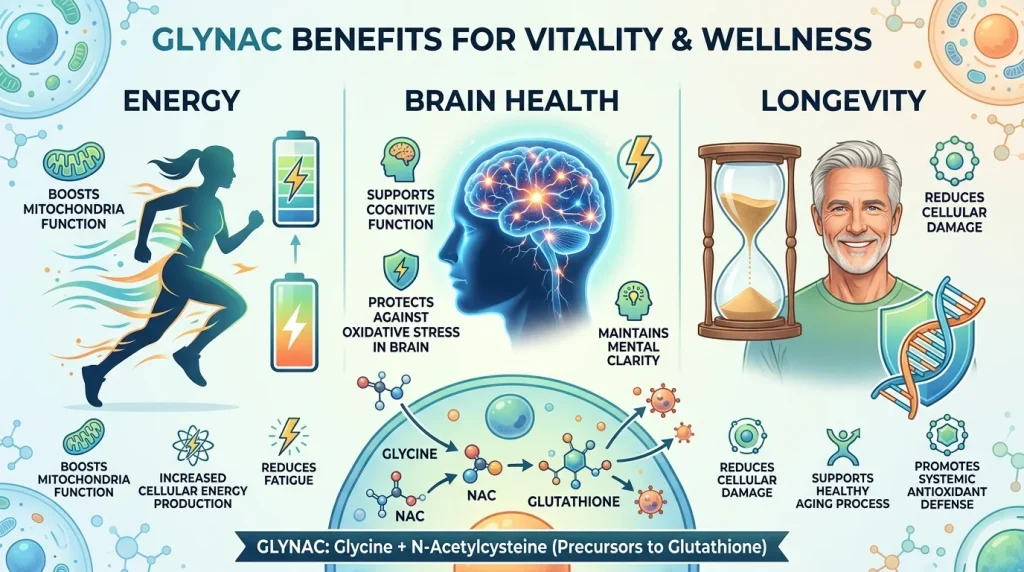
One of the primary ways GlyNAC supports longevity is by correcting glutathione deficiency and significantly reducing oxidative stress. As discussed, glutathione is crucial for cellular protection, and its decline with age leaves cells vulnerable. By restoring optimal glutathione levels, GlyNAC shields cells and tissues from oxidative damage, a major driver of aging.
Furthermore, GlyNAC profoundly impacts mitochondrial dysfunction, another central hallmark of aging. It not only improves the efficiency of existing mitochondria but also enhances mitophagy, the process of clearing out damaged mitochondria and replacing them with newer, more efficient ones. This cellular renewal directly supports sustained energy production and reduces the accumulation of cellular waste.
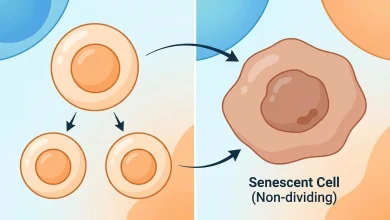
GlyNAC also plays a role in reducing chronic inflammation, which is a low-grade, persistent inflammatory state that increases with age and is linked to numerous age-related conditions, including heart disease and diabetes. Clinical trials have shown GlyNAC can significantly lower inflammatory markers. Its benefits extend to improving insulin resistance, a common metabolic defect in older adults that increases the risk of type 2 diabetes. Genomic damage, the accumulation of DNA mutations and instability over time, is another hallmark addressed by GlyNAC, with studies indicating a reduction in markers of DNA damage. GlyNAC has also been shown to improve endothelial dysfunction, which affects blood vessel health and cardiovascular risk, and to mitigate cellular senescence, where cells stop dividing but remain metabolically active, contributing to inflammation and tissue dysfunction. It has even been linked to improvements in stem cell exhaustion, supporting the body’s regenerative capacity.
In groundbreaking animal studies, GlyNAC supplementation in aging mice increased their length of life by a remarkable 24%. These findings, coupled with observations of improved muscle strength, gait speed, and exercise capacity in older humans, suggest that GlyNAC has significant implications for extending healthy, functional life. Improvements in waist circumference and blood pressure have also been noted, further underscoring its broad impact on healthy aging parameters. The comprehensive nature of GlyNAC’s effects on these diverse hallmarks of aging positions it as a powerful nutritional intervention for promoting longevity and a higher quality of life in older age.
| Hallmark of Aging Addressed by GlyNAC | Description of Benefit |
|---|---|
| Glutathione Deficiency | Corrects low levels of the body’s master antioxidant, enhancing cellular protection. |
| Oxidative Stress | Significantly reduces cellular damage caused by free radicals. |
| Mitochondrial Dysfunction | Improves energy production, enhances mitochondrial biogenesis, and promotes mitophagy. |
| Chronic Inflammation | Lowers key inflammatory markers (e.g., IL-6, TNF-α), reducing age-associated inflammatory burden. |
| Insulin Resistance | Improves insulin sensitivity, supporting healthy glucose metabolism. |
| Genomic Damage | Reduces markers of DNA damage, supporting genomic stability. |
| Cellular Senescence | Helps mitigate the accumulation of senescent cells, which contribute to tissue dysfunction. |
| Stem Cell Exhaustion | Supports the health and function of stem cells, aiding tissue repair and regeneration. |
Scientific Evidence Supporting GlyNAC’s Efficacy
The scientific community has shown increasing interest in GlyNAC, leading to a growing body of research that substantiates its purported benefits. Both preclinical (animal) and human clinical trials have provided compelling evidence for GlyNAC’s efficacy in combating various aspects of aging and promoting overall health. A significant portion of this research originates from institutions such as Baylor College of Medicine, which has pioneered several key studies in this area.
Early rodent studies provided foundational insights, demonstrating that GlyNAC supplementation could increase the lifespan of aging mice by 24%. These studies also revealed that GlyNAC corrected glutathione deficiency, reduced oxidative stress, reversed mitochondrial dysfunction, and improved abnormalities in mitophagy and nutrient sensing across vital organs such as the heart, liver, and kidneys. These findings were crucial in establishing a mechanistic basis for GlyNAC’s anti-aging potential.
Building on the preclinical successes, human clinical trials have yielded equally promising results. A randomized, double-blind clinical trial conducted by researchers at Baylor College of Medicine investigated the effects of GlyNAC supplementation in older adults over 16 weeks. The results were significant, showing that older adults who received GlyNAC experienced improvements in a wide array of age-associated abnormalities, while the placebo group saw no such benefits. These improvements included a correction of glutathione deficiency, a reduction in oxidative stress, and enhanced mitochondrial function in muscle tissue, mirroring the effects observed in animal models. Furthermore, the trial reported improvements in inflammation, insulin resistance, endothelial dysfunction, genomic damage, stem cell fatigue, and cellular senescence. Importantly, these cellular improvements translated into tangible physical benefits, such as enhanced muscle strength, improved gait speed, increased exercise capacity, and reductions in waist circumference and blood pressure.
A pilot clinical trial involving older adults further reinforced these findings over a 24-week period, showing that GlyNAC supplementation corrected red blood cell (RBC) glutathione deficiency, oxidative stress, and mitochondrial dysfunction. It also improved inflammation, endothelial dysfunction, insulin resistance, genomic damage, cognitive function, muscle strength, gait speed, and exercise capacity, while lowering body fat and waist circumference. The benefits, however, declined after a 12-week withdrawal period, suggesting that continuous supplementation may be necessary to maintain these improvements.
More recent research has specifically delved into GlyNAC’s impact on brain health. A study published in the journal Antioxidants reported that GlyNAC supplementation improved or reversed age-associated cognitive decline in old mice and rectified multiple related defects in the aging brain. These defects included brain glutathione deficiency, impaired brain glucose transporters, mitochondrial dysfunction, oxidative stress, inflammation, and genomic damage, alongside an improvement in neurotrophic factors. These findings are considered directly applicable to humans, given the consistency with prior human observations.
The consistency of results across various studies, both in animal models and human trials, provides a robust scientific basis for the significant health benefits associated with GlyNAC supplementation. The continued investigation by leading institutions like Baylor College of Medicine into GlyNAC’s effects on healthy aging suggests its increasing recognition as a valuable nutritional strategy.
Incorporating GlyNAC into Your Wellness Routine
Given the compelling scientific evidence supporting GlyNAC benefits for energy, brain health, and longevity, many individuals are exploring ways to incorporate this supplement into their wellness routines. Currently, the most direct and effective method for obtaining the synergistic benefits of glycine and N-acetylcysteine is through dietary supplementation, as these compounds are combined in specific ratios to optimize glutathione synthesis.
While specific dosage recommendations can vary based on individual health status, age, and desired outcomes, clinical studies have typically utilized dosages that provide significant amounts of both glycine and NAC. For instance, some human trials have involved daily supplementation over periods ranging from 16 to 24 weeks, demonstrating favorable outcomes. It is crucial to emphasize that before starting any new supplement regimen, especially one designed to impact foundational cellular processes, consultation with a healthcare professional is highly recommended. A doctor or a registered dietitian can provide personalized advice, considering any existing health conditions, medications, and specific dietary needs.
GlyNAC has generally been well-tolerated in clinical studies, with no significant adverse events reported in several trials. This favorable safety profile is a significant advantage, particularly for a supplement aimed at long-term health and anti-aging strategies. However, like any supplement, individual responses can vary. Adhering to recommended dosages and monitoring for any unusual effects is always prudent. The primary goal of incorporating GlyNAC is to address age-related deficiencies in glutathione precursors, thereby bolstering the body’s natural defenses against oxidative stress, inflammation, and mitochondrial dysfunction. By consistently supporting these cellular processes, individuals may experience improvements in energy levels, cognitive function, and overall markers of healthy aging.
Beyond supplementation, a holistic approach to health, including a balanced diet rich in antioxidants, regular physical activity, adequate sleep, and stress management, will always complement the effects of GlyNAC, creating an optimal environment for the body to thrive and age gracefully. GlyNAC should be viewed as a powerful adjunct to these healthy lifestyle choices, rather than a standalone solution.
Conclusion: Unlocking the Potential of GlyNAC
The journey through the intricate world of cellular health and aging reveals GlyNAC as a truly remarkable and multifaceted nutritional intervention. The comprehensive research, spanning both rigorous animal models and promising human clinical trials, consistently highlights GlyNAC’s profound ability to address some of the most fundamental biological challenges associated with the aging process. From bolstering the body’s master antioxidant, glutathione, to rejuvenating the powerhouse mitochondria, GlyNAC’s benefits touch upon the very core of our vitality.
Its capacity to enhance cellular energy production directly translates into improved physical function and a reduction in age-associated fatigue, empowering individuals to maintain an active and engaged lifestyle. Furthermore, GlyNAC’s significant impact on brain health, demonstrated through improved cognitive function, reduced oxidative stress in the brain, and enhanced neurotrophic factors, offers a beacon of hope for preserving mental sharpness and mitigating age-related cognitive decline. Perhaps most compelling is GlyNAC’s comprehensive role in promoting longevity by directly reversing multiple hallmarks of aging. By effectively combating oxidative stress, chronic inflammation, mitochondrial dysfunction, and genomic damage, GlyNAC provides a robust defense against the cellular wear and tear that drives biological aging. While not a “magic bullet,” the consistent scientific evidence suggests that GlyNAC represents a safe and effective nutritional strategy to support healthy aging. As we continue to seek ways to extend our healthspan and improve our quality of life in later years, GlyNAC stands out as a powerful and scientifically validated tool, offering a pathway to unlock greater energy, clearer cognition, and a more vibrant, longer life.