7 Essential Health Tips for Men and Women in Middle Age
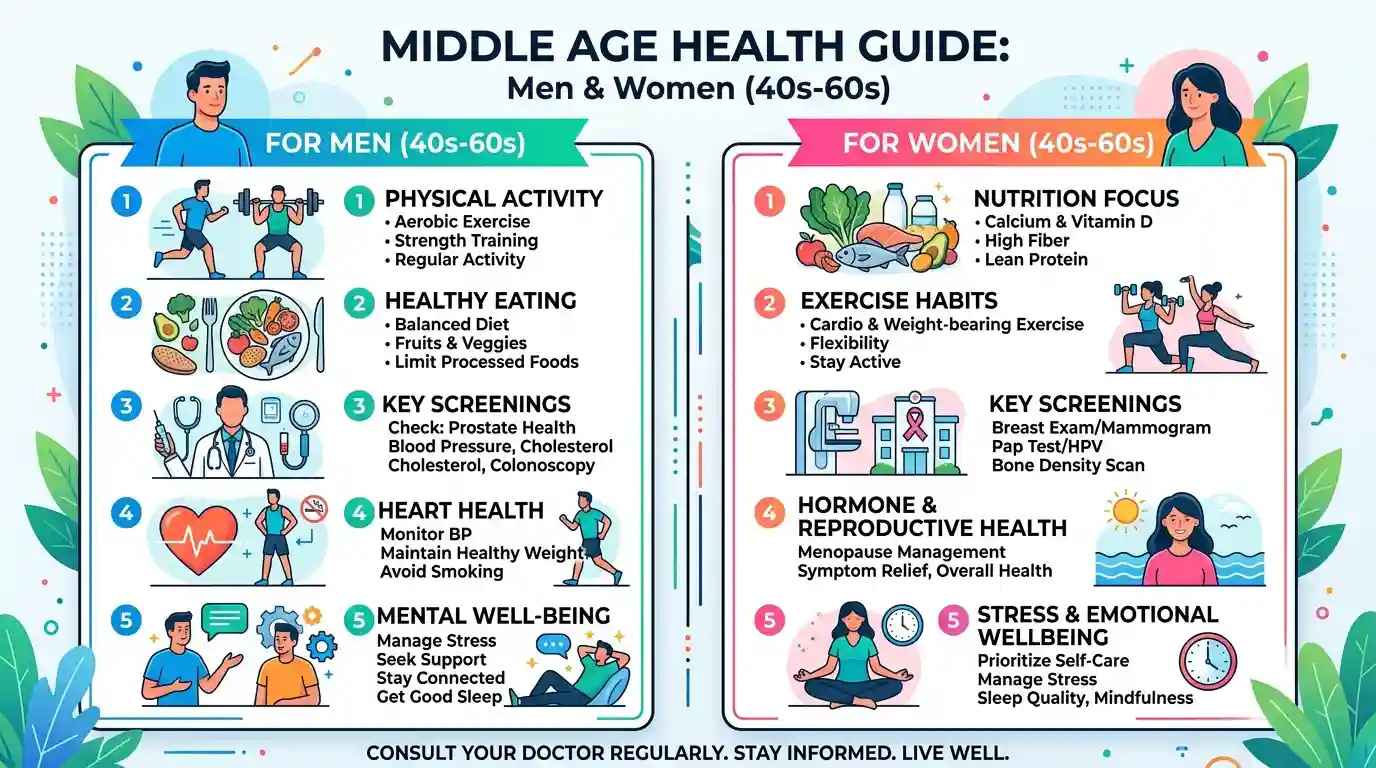
Table of Contents
Middle age, typically spanning from approximately age 40 to 65, represents a pivotal and transformative period in an individual’s life. It is a time characterized by a unique blend of stability, evolving responsibilities, and significant biological changes that necessitate a proactive approach to health. While many may feel generally healthy in their earlier adulthood, the 40s often mark a shift where long-term health habits begin to manifest, making it crucial to reassess and adjust lifestyle choices to prevent chronic diseases and maintain vitality for years to come. Both men and women experience distinct physiological and psychological changes during this phase, highlighting the importance of a tailored health guide. This comprehensive article aims to equip individuals with the knowledge and actionable strategies required to navigate the health landscape of middle age effectively, promoting well-being and a high quality of life.
Understanding Midlife Health: A Pivotal Transition
Midlife is not merely a chronological bracket but a dynamic stage where the body undergoes natural aging processes alongside hormonal shifts and metabolic changes. While genetics play a role in how one ages, lifestyle factors significantly influence health outcomes during this period and beyond. Adults in midlife often juggle multiple roles, such as established careers, raising children, and caring for aging parents, which can introduce unique stressors impacting physical and mental health. Historically, some evidence suggests that middle-aged adults today report lower mental and physical health than peers from several decades ago, possibly due to increased job and financial insecurities and evolving intergenerational relationships. However, it is never too late to adopt healthier habits, as positive changes in diet, exercise, and weight management can dramatically reduce the risk of mortality and improve overall health.
The foundation for healthy aging is often laid in midlife. During this period, individuals begin to experience subtle yet progressive declines in muscle mass (sarcopenia) and bone density (osteopenia). Cardiovascular health also becomes a more pressing concern, with an increased risk of high blood pressure, high cholesterol, and obesity. These changes underscore the necessity for focused attention on preventative measures, encouraging habits that bolster resilience against age-related conditions. Embracing an attitude of joyful acceptance towards life’s experiences, both positive and negative, coupled with strong social connections, has also been linked to better mental health in middle age.
Key Health Concerns for Men in Middle Age
As men enter their 40s and beyond, several specific health concerns warrant attention. Understanding these can empower men to take proactive steps for their well-being.
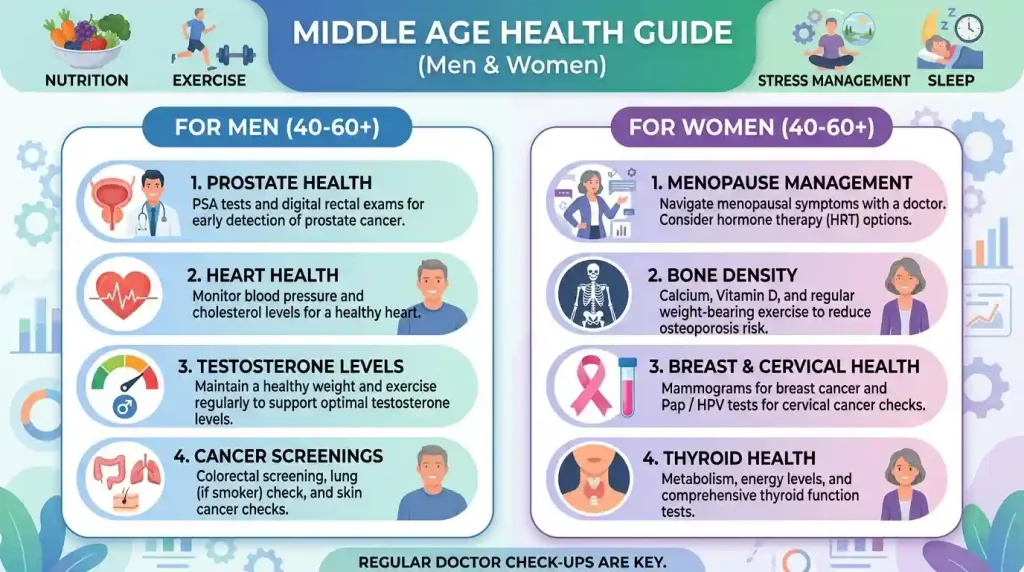
- Cardiovascular Health: Heart disease risk rises significantly for men over 40. Factors like high blood pressure, high cholesterol, and obesity become more prevalent, increasing the likelihood of heart attacks and strokes. The stiffening of arteries is a natural part of aging, which can lead to increased blood pressure and stress on the heart. Regular monitoring and a heart-healthy lifestyle are crucial for mitigating these risks.
- Metabolic Changes and Weight Management: A slowing metabolism makes weight management more challenging in middle age, often leading to increased abdominal fat, which is a risk factor for cardiovascular diseases and type 2 diabetes.
- Testosterone Decline (Andropause): Testosterone levels naturally decline after age 30, with a more significant drop sometimes referred to as “andropause.” This can impact muscle mass, bone density, energy levels, and sexual function, including erectile dysfunction and decreased libido.
- Prostate Health: The risk of prostate issues, such as benign prostatic hyperplasia (BPH) (enlarged prostate) and prostate cancer, increases with age, making regular screenings important.
- Muscle Mass and Bone Density: Men typically begin to lose muscle mass and bone density after age 40. This can lead to weakness, decreased mobility, and an increased risk of fractures. Adequate protein, calcium, and vitamin D intake, along with resistance exercise, are vital to combat this.
- Mental Health: Midlife can bring increased stress, anxiety, and depression due to career pressures, financial strain, and changing family dynamics. Untreated mental health issues can also manifest as physical symptoms.
Key Health Concerns for Women in Middle Age
Women in midlife experience a distinct set of health challenges, largely influenced by hormonal shifts, particularly the menopause transition.
- Menopause and Hormonal Fluctuations: Menopause, typically starting in the late 40s or early 50s, involves a significant decline in estrogen and progesterone levels. This leads to symptoms like hot flashes, night sweats, sleep disruption, mood changes, and impacts bone and cardiovascular health.
- Cardiovascular Disease: While men often have a higher risk earlier, women’s risk of cardiovascular disease rises sharply after menopause. Hormonal changes can affect cholesterol levels, blood sugar regulation, and body composition, increasing susceptibility to heart disease, high blood pressure, and metabolic conditions.
- Osteoporosis and Bone Health: Estrogen plays a protective role in bone health. Its decline during menopause accelerates bone loss, significantly increasing the risk of osteoporosis and fractures. Some women can lose considerable bone strength in the decade following menopause. Weight-bearing exercises and adequate calcium and vitamin D are crucial for maintaining bone density.
- Sleep Disorders: Sleep problems are a common concern for women in midlife, influenced by hormonal shifts, stress, and anxiety. Chronic sleep disruption can affect mood, concentration, and physical health.
- Mental Health and Mood Changes: Fluctuating hormones, combined with life stressors and caregiving responsibilities, can lead to increased anxiety, irritability, and low mood in midlife women. Clinical depression is also prevalent during this period.
- Weight Gain: Similar to men, women often experience a slowing metabolism and an increase in body fat, particularly around the midsection, which contributes to increased health risks.
Nutrition for Optimal Middle Age Health
A well-balanced diet is the cornerstone of health at any age, but it becomes particularly vital in middle age to manage metabolic changes, support bone health, and prevent chronic diseases. The daily energy requirements for adults aged 31 to 50 typically range from 1,800 to 2,200 calories for women and 2,200 to 3,000 calories for men, depending on activity levels. However, as metabolism tends to slow down with age, caloric intake may need to be adjusted to maintain a healthy weight.
Emphasis should be placed on nutrient-dense foods:
- Fruits and Vegetables: Consume a wide variety of colorful fruits and vegetables, aiming for at least five servings daily. Dark leafy greens like kale and spinach are particularly beneficial, providing calcium, fiber, and antioxidants that support bone, muscle, and brain health, and reduce the risk of heart disease and dementia.
- Whole Grains: Prioritize whole grains over refined grains for sustained energy and fiber.
- Lean Proteins: Include healthy sources of protein such as fish, seafood, lean meats, poultry, beans, peas, lentils, and nuts. Protein intake becomes even more important for older adults to maintain or regain muscle mass.
- Healthy Fats: Incorporate unsaturated fats found in plant oils, avocados, nuts, and oily fish rich in omega-3 fatty acids, which can help prevent coronary artery disease. Limiting saturated and trans fats is also crucial.
- Calcium and Vitamin D: Essential for bone health, especially for women in midlife. Dairy products, leafy green vegetables, and fortified foods are good sources of calcium. Vitamin D aids calcium absorption and can be obtained from sunlight, fatty fish, oysters, and fortified foods, with supplements often recommended to meet daily needs. For adults aged 19-50 and men aged 51-70, 1,000 mg of calcium daily is recommended, increasing to 1,200 mg for women aged 51+ and men aged 71+.
- B Vitamins: Folate, B6, and B12 are important to prevent elevated homocysteine levels, which can damage arterial walls and contribute to cardiovascular conditions. These are found in meat, dairy, seafood, leafy greens, and whole grains.
It is also recommended to limit processed foods, added sugars, and excessive salt intake, as these contribute to weight gain, high blood pressure, and other chronic conditions. Moderate alcohol consumption is advised, defined as up to one drink per day for women and up to two drinks per day for men.
The Importance of Physical Activity in Midlife
Regular physical activity is indispensable for maintaining health and preventing disease in middle age. It offers profound benefits for cardiovascular health, muscle and bone strength, weight management, and mental well-being. The World Health Organization (WHO) recommends that adults aged 18–64 years engage in at least 150 minutes of moderate-intensity aerobic physical activity throughout the week, or at least 75 minutes of vigorous-intensity activity, or an equivalent combination. For additional health benefits, increasing moderate-intensity activity to 300 minutes per week is advised.
Key types of exercise to incorporate include:
- Aerobic Activity (Cardio): Activities like brisk walking, jogging, swimming, dancing, or cycling elevate heart rate and improve cardiovascular fitness, reducing the risk of heart disease, hypertension, diabetes, and stroke. Even light-intensity activity can offset some risks of being sedentary.
- Strength Training: Muscle mass begins to decline around age 30, accelerating after 60. Strength training, using weights, resistance bands, or bodyweight exercises (like squats and push-ups), is essential to build and preserve muscle mass, improve bone density, and enhance overall strength and mobility. This also helps with metabolism, as muscle burns more calories than fat.
- Weight-Bearing Exercises: These are crucial for maintaining bone density and strength, particularly important for women approaching or in menopause. Examples include walking, jogging, dancing, and climbing stairs.
- Flexibility and Balance Exercises: As people age, balance training becomes increasingly important to prevent falls, which can lead to serious injuries. Activities like tai chi, yoga, and stretching improve flexibility, balance, and overall mobility.
It’s important to spread exercise evenly throughout the week, aiming for muscle-strengthening activities on at least two days a week. For those who have been inactive, it is best to start slowly and gradually increase the duration and intensity of workouts. Consulting a healthcare provider before starting any new exercise regimen is recommended, especially for individuals with existing medical conditions.
Nurturing Mental and Emotional Well-being
Middle age is often a period of significant psychological and emotional adjustments. Many individuals grapple with reflections on life trajectories, career satisfaction, family dynamics, and the realities of aging and mortality. These stressors can contribute to increased rates of anxiety, depression, and a sense of discontentment or restlessness. Women, in particular, may experience increased anxiety and mood changes due to hormonal fluctuations during menopause. Studies indicate that midlife can be a peak period for depressive symptoms when stressors accumulate without adequate coping mechanisms.
| Aspect of Well-being | Impact in Middle Age | Strategies for Support |
|---|---|---|
| Stress Management | Increased pressure from work, family, and financial responsibilities; can lead to chronic stress with long-term health implications. | Practice mindfulness, meditation, yoga, and relaxation techniques. Develop problem-focused coping strategies to actively address stressors. |
| Emotional Health | Potential for increased anxiety, irritability, sadness, and even depression, sometimes linked to hormonal changes and life transitions. | Explore, accept, and share feelings; allow for regular self-reflection. Seek professional help (counseling, therapy) if experiencing persistent mood changes. |
| Social Connection | Friendships may become harder to maintain due to time constraints; quality of relationships at age 50 predicts health at age 80. | Prioritize spending time with friends and family; actively maintain social connections. Volunteer or join groups to foster new relationships. |
| Sense of Purpose | May involve reassessing professional standing and personal goals, leading to feelings of disappointment or confusion about life’s direction. | Set new goals and develop new hobbies. Travel, volunteer, or devote time to children. Embrace all life experiences, good and bad, with joyful acceptance. |
| Cognitive Function | Aging can impact memory, attention, and problem-solving skills. | Regular physical exercise boosts blood flow to the brain and helps new cells grow, lowering the odds of memory and thinking problems. Staying socially active also keeps the mind keen. |
Coping strategies are essential during this period. Engaging in activities like yoga or meditation can help manage stress. Actively addressing stressors (problem-focused coping) and adopting acceptance-based approaches like mindfulness and self-compassion for uncontrollable situations are beneficial. Maintaining strong social relationships is a critical buffer against stress and is strongly linked to long-term health and cognitive sharpness. Furthermore, if persistent sadness, anxiety, or feelings of being overwhelmed become a regular occurrence, seeking support from a therapist or counselor can provide valuable guidance and coping mechanisms.
Regular Health Screenings and Preventative Care
Preventive health screenings are vital in middle age for early detection and management of potential health issues, often before symptoms become noticeable. These screenings allow healthcare providers to monitor overall health, identify risk factors, and recommend proactive steps.
General screenings recommended for all middle-aged adults include:
- Annual Physical Exams: Essential for evaluating overall health and discussing necessary screenings and vaccinations.
- Blood Pressure Monitoring: Regularly checking blood pressure is crucial, as high blood pressure risk increases with age.
- Cholesterol and Lipid Panel: Regular blood tests to monitor cholesterol and triglyceride levels are critical indicators of cardiovascular risk. Men should start screening around age 35, and women around age 45.
- Diabetes Screening: Simple blood tests like fasting plasma glucose or A1C are recommended to check blood sugar levels, especially as type 2 diabetes risk increases. Screening for most adults should begin around age 35.
- Colorectal Cancer Screening: Recommended to begin around age 45 to 50, typically with a colonoscopy, and repeated every 10 years if results are normal.
- Mental Health Screenings: Discussing mental health, including symptoms of depression or anxiety, is important.
- Vision and Dental Exams: Regular check-ups are essential for maintaining eye and oral health.
- Vaccinations: Staying up-to-date with immunizations, including annual flu shots and Shingrix for shingles (starting at age 50), is important.
Specific screenings for women include:
- Mammograms: Recommended for breast cancer screening, often starting around age 40 and repeated every 1 to 2 years until age 75, with frequency varying based on personal and family history.
- Cervical Cancer Screenings (Pap tests): Women should continue these screenings as recommended by their physician, typically every 3-5 years from age 30 to 65.
- Bone Density Scans (DEXA): Generally recommended around age 65, but earlier for those with higher risk factors for osteoporosis. Estrogen decline during menopause increases osteoporosis risk.
- Ovarian and Uterine Cancer Screenings: Depending on risk factors, these may be part of women’s health screenings.
Specific screenings for men include:
- Prostate Cancer Screening: Discussions about prostate cancer screening, which may include a physical exam and PSA blood test, should begin around age 40 for men at high risk, or by age 50 for others, with frequency determined by the physician based on personal risk.
- Heart Disease Risk Assessment: Men should talk with a doctor about heart disease risk and prevention measures, potentially starting earlier than women.
It is crucial to have an ongoing dialogue with your healthcare provider to tailor a screening schedule based on individual risk factors, family history, and lifestyle. For more comprehensive details on recommended health checks throughout adulthood, you can consult authoritative resources such as WHO’s guidelines on physical activity, which underpin many health recommendations.
Lifestyle Adjustments for a Healthier Middle Age
Beyond diet, exercise, and screenings, several lifestyle adjustments can significantly enhance health and well-being in middle age.
- Quit Smoking: Smoking is a leading cause of preventable death and significantly increases the risk of heart disease, stroke, cancer, and other illnesses. Quitting at any age provides almost immediate health benefits, with risks eventually dropping to pre-smoking levels for some diseases.
- Limit Alcohol Consumption: Moderate alcohol intake is generally defined as up to one drink per day for women and up to two drinks per day for men. Excessive alcohol can negatively impact bone health and overall well-being.
- Prioritize Quality Sleep: Sleep patterns can shift in midlife, affecting quality. Adequate sleep (7-9 hours per night) is crucial for physical repair, mental clarity, mood regulation, and stress management. Prioritizing good sleep hygiene and seeking medical advice for persistent sleep issues is important.
- Manage Stress Effectively: Chronic stress has long-term health implications, including increased risk of cognitive decline and mental health concerns. Incorporating stress-reducing activities like meditation, yoga, or spending time in nature can significantly improve overall well-being.
- Stay Socially Connected: Maintaining strong social ties and engaging with friends and family is linked to sharper cognitive function, lower risk of heart disease, and a longer, healthier life. Volunteering and developing new hobbies can also foster social engagement.
- Maintain a Healthy Weight: As metabolism slows, it becomes easier to gain weight, particularly around the midsection. Excess weight is a risk factor for numerous chronic diseases. A balanced diet and regular exercise are essential for weight management.
- Sun Protection: Regular use of sunscreen is an important habit to maintain, even in middle age, to protect skin health.
Adopting these healthy habits can help slow down the aging process and lead to a higher quality of life in later years, often referred to as “compression of morbidity,” meaning a longer period of health before age-related illnesses. It is a continuous journey, and making even small, consistent changes can yield significant long-term benefits.
Conclusion
Middle age is a critical juncture for health, marking a period of unique challenges and opportunities for both men and women. While natural aging processes and hormonal shifts introduce new health considerations, proactive engagement with one’s well-being can dramatically shape the quality of life in later years. By understanding the distinct health concerns for each gender, embracing a balanced and nutrient-rich diet, committing to regular and varied physical activity, nurturing mental and emotional well-being, and diligently adhering to recommended health screenings, individuals can build a strong foundation for longevity and vitality. It is never too late to adopt healthier habits; indeed, the middle years present an ideal time to reassess, adjust, and invest in a future of sustained health and happiness. The journey through midlife is not merely about enduring changes but about thriving through them with informed choices and consistent self-care.