6 Key Facts About Telomeres and Aging – The Science of Cellular Lifespan
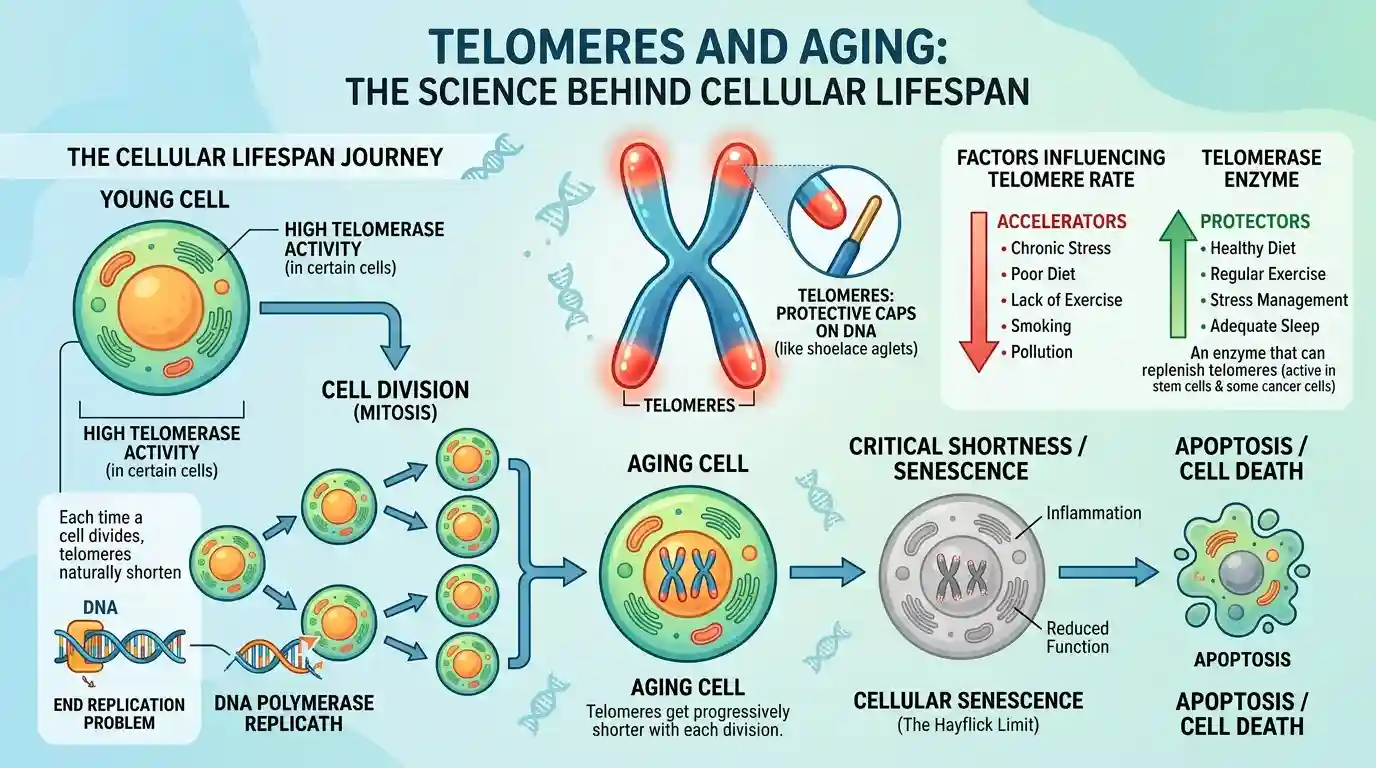
Table of Contents
Telomeres, often likened to the plastic tips at the ends of shoelaces, represent critical protective structures found at the termini of our chromosomes. These specialized regions of repetitive DNA sequences play a fundamental role in safeguarding our genetic material and are intimately linked to the processes of cellular aging and overall lifespan. Understanding the intricate science behind telomeres and their dynamic behavior is crucial for unraveling the mysteries of aging and developing strategies to promote healthier, longer lives. The continuous shortening of telomeres with each cell division acts as a biological clock, dictating the finite number of times a cell can divide before it reaches a state of irreversible growth arrest or programmed cell death. This natural phenomenon underscores the profound impact telomere biology has on our health and susceptibility to age-related diseases. Researchers worldwide are dedicating significant effort to comprehend how these tiny chromosomal caps influence human longevity and how their maintenance or degradation can be modulated to extend healthy living. The journey into the world of telomeres reveals a complex interplay of genetic predispositions, enzymatic activity, and environmental factors that collectively shape our cellular destiny.
What Are Telomeres? The Protective Caps of Our Chromosomes
At the core of every eukaryotic cell lies the nucleus, housing our genetic blueprint organized into chromosomes. Each human cell typically contains 23 pairs of chromosomes, and at the very ends of these linear structures are regions known as telomeres. These distinctive segments are composed of hundreds to thousands of repeats of a specific short DNA sequence, which in humans and other mammals is typically TTAGGG.
The primary function of telomeres is analogous to the plastic tips, or aglets, on shoelaces: they prevent the ends of chromosomes from fraying, deteriorating, or fusing with adjacent chromosomes. Without these protective caps, the vital genetic information contained within the chromosome would be vulnerable to degradation during DNA replication. Each time a cell divides, its chromosomes must be duplicated. However, the enzymes responsible for DNA replication, known as DNA polymerases, cannot fully replicate the very ends of linear DNA strands. This inherent limitation is often referred to as the “end replication problem.”
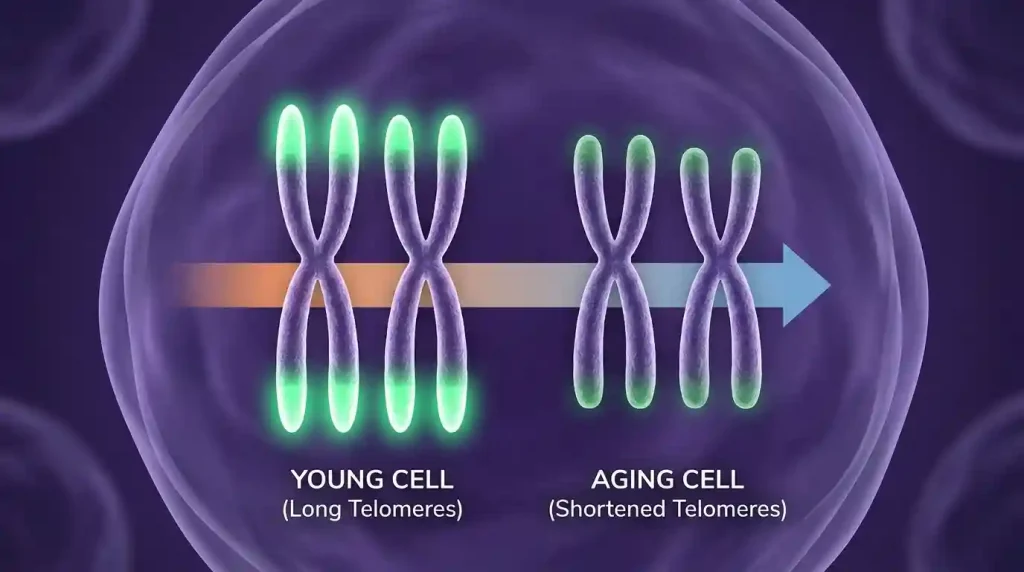
To circumvent the loss of essential coding sequences due to this replication challenge, telomeres serve as a disposable buffer zone. They consist of non-coding, repetitive sequences that can be shortened without immediately impacting crucial genetic information. As a cell undergoes repeated divisions throughout an organism’s life, a small portion of its telomeric DNA is progressively lost. This gradual attrition of telomeres is a natural and expected part of the cellular lifecycle, acting as an internal “molecular clock” that tracks the number of cell divisions and ultimately limits a cell’s proliferative capacity. Telomeres also form intricate loop structures, known as T-loops, which are stabilized by telomere-binding proteins, further ensuring chromosomal integrity and preventing them from being mistakenly identified as damaged DNA by the cell’s repair mechanisms.
The Role of Telomerase: Maintaining Telomere Length
While telomeres naturally shorten with each cell division, a specialized enzyme exists to counteract this attrition: telomerase. Telomerase is a ribonucleoprotein enzyme, meaning it is composed of both RNA and protein components. Its unique ability lies in synthesizing new telomeric sequences and adding them back to the ends of chromosomes, effectively replenishing the telomere “caps.”
The core mechanism of telomerase involves an internal RNA template that guides the synthesis of the repetitive DNA sequences (TTAGGG in humans). This enzyme binds to the single-stranded overhangs of telomeres and uses its RNA template to add new nucleotides, thus extending the telomere. The discovery of telomerase by Elizabeth Blackburn, Carol Greider, and Jack Szostak in the 1980s was a monumental breakthrough, earning them the Nobel Prize in Physiology or Medicine in 2009.
However, telomerase activity is not uniform across all cell types in multicellular eukaryotic organisms. In most normal human somatic (body) cells, telomerase activity is very low or completely absent. This limited activity contributes to the progressive shortening of telomeres observed throughout life. In contrast, telomerase is highly active in specific cell populations that require extensive proliferative capacity, such as germ cells (sperm and egg cells), embryonic stem cells, and certain immune cells. This high telomerase activity in these cells helps maintain telomere length, allowing them to divide indefinitely and ensuring the integrity of genetic information passed down through generations or for tissue repair and immune response. Cancer cells also frequently reactivate telomerase, enabling them to bypass the normal limits on cell division and achieve uncontrolled proliferation, a hallmark of cancer development.
Understanding the precise regulation of telomerase activity is a key area of research, as its controlled activation could offer therapeutic avenues for age-related degenerative diseases, while uncontrolled activation poses risks related to cancer.
Telomere Shortening: The Molecular Clock of Aging
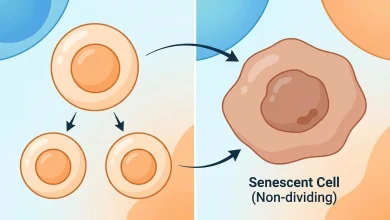
The gradual shortening of telomeres is widely recognized as a fundamental mechanism contributing to cellular aging. Each time a somatic cell divides, its telomeres lose a small segment of DNA, typically around 50-200 base pairs. This process continues until telomeres reach a critically short length. When this critical threshold is reached, the telomeres can no longer effectively protect the chromosome ends. This triggers a DNA damage response within the cell, which typically leads to one of two outcomes: cellular senescence or apoptosis.
Cellular senescence is a state of irreversible growth arrest where the cell stops dividing but remains metabolically active. Senescent cells, often referred to as “zombie cells,” can accumulate in tissues and organs over time. They secrete a variety of pro-inflammatory molecules, collectively known as the senescence-associated secretory phenotype (SASP), which can negatively impact neighboring healthy cells and contribute to chronic inflammation and tissue dysfunction. Apoptosis, on the other hand, is a process of programmed cell death, where the cell actively destroys itself to prevent the propagation of potentially damaged or dysfunctional cells. Both senescence and apoptosis are protective mechanisms to maintain genomic integrity, but their accumulation or widespread occurrence contributes significantly to the aging phenotype and the decline of tissue and organ function.
The rate of telomere shortening is often considered a biomarker of biological age, which can differ from an individual’s chronological age. While telomeres naturally shorten with chronological age, with an estimated loss of 15.5 to 27.7 base pairs per year, the pace of this shortening can vary significantly between individuals due to a myriad of genetic and environmental factors. Shorter telomeres than the average for a specific age group have been consistently associated with an increased risk of age-related diseases and reduced lifespan. This makes telomere length a compelling indicator for understanding an individual’s biological resilience and vulnerability to age-related health issues, although it is important to note that telomere length alone is not the sole determinant of longevity.
Factors Influencing Telomere Length: Beyond Genetics
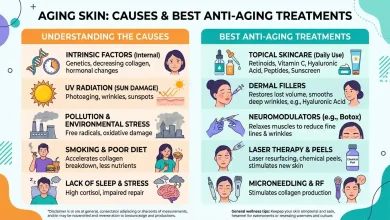
While an individual’s genetic makeup plays a significant role in determining initial telomere length and the inherited rate of shortening, a growing body of research highlights the substantial influence of various lifestyle and environmental factors. These elements can either accelerate or mitigate telomere attrition, thus impacting biological aging and disease risk.
One of the most well-established factors is oxidative stress, an imbalance between the production of reactive oxygen species (free radicals) and the body’s ability to detoxify them. Telomeric DNA sequences, being rich in guanine, are particularly susceptible to oxidative damage. Chronic exposure to oxidative stress can directly damage telomeres, leading to their accelerated shortening. Closely related is inflammation, particularly chronic systemic inflammation, which has also been linked to shorter telomeres. Inflammatory conditions promote increased proliferation of immune cells, leading to more frequent cell division and faster telomere reduction.
Lifestyle choices significantly impact these underlying cellular stressors:
- Smoking: Tobacco smoking is a potent accelerator of telomere shortening. Studies consistently show that smokers have significantly shorter telomeres compared to non-smokers, increasing their risk for various age-related diseases and premature death.
- Obesity: Excess body weight, particularly obesity, is associated with increased oxidative stress and chronic inflammation, both of which contribute to faster telomere attrition. Weight loss, conversely, has been shown to potentially reverse telomere attrition.
- Physical Activity: Regular physical activity, especially moderate-to-vigorous exercise, is strongly associated with longer telomeres. Exercise can reduce oxidative stress and inflammation, and some studies suggest it may even buffer the effects of chronic stress on telomere length. Athletes tend to have longer telomeres than non-athletes.
- Diet: A healthy diet, rich in antioxidants and anti-inflammatory compounds, such as a plant-based or Mediterranean diet, is linked to better telomere maintenance. Conversely, unhealthy diets can promote telomere shortening. Omega-3 fatty acids and Vitamin D have also shown potential benefits.
- Chronic Stress: Psychological stress can significantly impact telomere length. Chronic stress and elevated cortisol levels have been shown to reduce telomerase activity and accelerate telomere shortening, potentially equating to years of biological aging.
- Sleep: Insufficient sleep and insomnia are also associated with shorter telomeres, even in childhood, indicating their role in overall cellular health.
The intricate relationship between these factors underscores the holistic nature of telomere maintenance. It’s not just one factor, but a combination of genetic predispositions and daily choices that shape our cellular lifespan. Below is a table summarizing key lifestyle factors and their general impact on telomere length:
| Lifestyle Factor | Impact on Telomere Length | Underlying Mechanisms |
|---|---|---|
| Smoking | Shortens | Increased oxidative stress, inflammation, DNA damage. |
| Obesity / Unhealthy Diet | Shortens | Increased oxidative stress, chronic inflammation, metabolic dysfunction. |
| Regular Physical Activity | Lengthens / Maintains | Reduced oxidative stress and inflammation, improved telomerase activity. |
| Chronic Psychological Stress | Shortens | Decreased telomerase activity, increased oxidative stress and inflammation. |
| Adequate Sleep | Maintains | Reduces cellular stress, supports cellular repair processes. |
Telomeres, Disease, and Longevity: A Complex Relationship
The link between telomere dynamics and various aspects of human health, including susceptibility to disease and overall longevity, is a vibrant and complex area of scientific inquiry. Shorter telomeres are consistently associated with an increased incidence of numerous age-related diseases. These include cardiovascular diseases such as coronary heart disease, heart failure, and stroke, where accelerated telomere shortening has been identified as a risk factor. Similarly, conditions like type 2 diabetes, osteoporosis, vascular dementia, and certain neurodegenerative disorders also show associations with reduced telomere length.
The connection to cancer is particularly nuanced. While critically short telomeres can trigger cellular senescence or apoptosis, thus acting as a natural barrier against uncontrolled cell proliferation, cancer cells often find ways to reactivate telomerase. This allows them to maintain their telomere length and bypass the normal growth limits, contributing to their immortality. Studies have shown that both very short and abnormally long telomeres can be associated with increased cancer risk. For instance, recent research from Johns Hopkins Medicine suggests that ultra-lengthy telomeres might not confer longevity but could instead allow cells with age-related mutations to persist, potentially promoting benign and cancerous tumors.
Regarding longevity, a strong correlation exists between telomere length and lifespan. Individuals with longer telomeres at a younger age tend to live longer, and a slower rate of telomere erosion is generally associated with higher survival probabilities. Older people with shorter telomeres face a higher risk of all-cause mortality, particularly from heart and infectious diseases. However, the relationship is not always straightforward. Telomere length is influenced by a multitude of genetic and environmental factors, and it is considered a biomarker of aging rather than the sole determinant of lifespan. The challenge lies in distinguishing correlation from causation; while shorter telomeres are associated with disease, it is often difficult to ascertain whether they are a cause, a consequence, or merely an indicator of underlying cellular stress and damage.
Further research continues to explore the intricate interplay, suggesting that an “optimal” telomere length might exist, rather than simply “longer is always better,” and that the dynamics of telomere shortening, including the presence of critically short telomeres, may be more significant than average telomere length alone.
Can We Influence Telomere Length? Lifestyle Interventions
Given the profound implications of telomere shortening for health and aging, a critical question arises: can we actively influence telomere length and, consequently, our cellular lifespan? While chronological aging is inevitable, and some genetic factors are beyond our control, a growing body of evidence suggests that certain lifestyle interventions can positively impact telomere maintenance and potentially slow the rate of telomere attrition.
Dietary Habits: Adopting a nutrient-rich, anti-inflammatory diet is a cornerstone of telomere health. Diets abundant in fruits, vegetables, whole grains, and legumes, such as the Mediterranean diet, have been associated with longer telomeres. These foods provide essential antioxidants that combat oxidative stress, a major contributor to telomere damage. Conversely, diets high in processed foods, unhealthy fats, and sugars can promote inflammation and oxidative stress, accelerating telomere shortening. The inclusion of omega-3 fatty acids, found in fish oil, and sufficient Vitamin D intake have also been linked to better telomere maintenance.
Regular Physical Activity: Consistent exercise is a powerful modulator of telomere length. Studies indicate that individuals who engage in higher levels of physical activity tend to have longer telomeres. Exercise helps reduce systemic inflammation and oxidative stress, improves cardiovascular health, and can even increase telomerase activity in certain cells. Both aerobic exercise and strength training have shown benefits, with one study suggesting that 90 minutes of strength training per week was associated with nearly four years less biological aging. The key appears to be consistent, moderate-to-vigorous activity, tailored to individual capabilities.
Stress Management: Chronic psychological stress is a significant factor in accelerated telomere shortening. Implementing effective stress-reduction techniques can therefore be crucial for telomere health. Practices such as meditation, yoga, mindfulness, spending time in nature, ensuring adequate sleep, and fostering strong social connections have all been shown to mitigate the detrimental effects of stress on telomeres by reducing cortisol levels and inflammation. A positive outlook on life and managing daily stressors can create a more favorable cellular environment.
Other Factors: Maintaining a healthy body weight is vital, as obesity is a known contributor to telomere erosion. Avoiding smoking and excessive alcohol consumption are also critical, as these habits directly accelerate telomere shortening. A pioneering pilot study, published in The Lancet Oncology, demonstrated that comprehensive lifestyle changes—including a whole-foods plant-based diet, moderate exercise, stress management, and social support—could actually increase telomere length by an average of 10% over five years, while the control group experienced telomere shortening. These findings, while from a small study, offer compelling evidence that our daily choices can indeed have a tangible impact on our cellular aging processes.
Future Directions in Telomere Research
The field of telomere biology is rapidly evolving, moving beyond observational studies to actively explore therapeutic interventions aimed at modulating telomere length and telomerase activity. The ultimate goal is to translate this scientific understanding into strategies that can delay the onset of age-related diseases and extend human healthspan.
One promising area of research involves telomerase activators. Scientists are investigating compounds and genetic approaches that can safely and effectively increase telomerase activity in somatic cells, thereby counteracting telomere shortening. The challenge lies in activating telomerase enough to promote tissue repair and regeneration without inadvertently increasing the risk of cancer, as uncontrolled telomerase activity is a hallmark of many malignancies. Other strategies include targeting the proteins that interact with telomeres, such as tankyrase inhibitors, which could influence telomere maintenance. Furthermore, therapies that reduce oxidative stress and inflammation, such as certain antioxidants or anti-inflammatory agents, continue to be explored for their indirect benefits on telomere preservation.
Advanced measurement techniques for telomere length are also being refined. While traditional methods like Terminal Restriction Fragment (TRF) analysis and quantitative PCR (qPCR) provide average telomere length, newer high-resolution techniques such as Single Telomere Length Analysis (STELA) and Telomere Shortest Length Assay (TeSLA) can measure chromosome-specific and critically short telomeres, which are believed to be more indicative of cellular aging. These advancements will provide a more precise understanding of telomere dynamics in health and disease. Moreover, research is exploring the role of telomeres in various progeroid syndromes, rare genetic disorders that cause premature aging, to uncover whether telomere shortening is a universal marker for all forms of premature aging or if different mechanisms are at play. The ongoing work into the fundamental mechanisms of telomerase action, including how its catalytic cycle can be fine-tuned, also holds potential for novel anti-aging therapeutics. The integration of telomere science with other emerging fields, such as epigenetics and personalized medicine, promises a future where interventions can be tailored to an individual’s unique telomere profile and risk factors, potentially leading to more targeted and effective anti-aging strategies. For a more detailed scientific overview of telomeres, readers can consult authoritative resources such as Wikipedia’s entry on Telomeres.
Conclusion
The intricate relationship between telomeres and aging underscores their pivotal role in determining cellular lifespan and overall health. As the protective caps of our chromosomes, telomeres serve as a vital buffer against genetic degradation during cell division, and their progressive shortening acts as a molecular clock, contributing to cellular senescence and the hallmarks of aging. The activity of the enzyme telomerase, while crucial for maintaining telomere length in highly proliferative cells, is largely absent in most somatic cells, leading to the inevitable attrition associated with chronological aging.
However, the narrative of telomeres and aging is not one of passive decline. Scientific advancements have illuminated the profound impact of lifestyle factors—ranging from diet and exercise to stress management and sleep—on modulating telomere length. These modifiable elements offer a powerful avenue for individuals to positively influence their biological age, mitigate the risk of age-related diseases, and potentially extend their healthy years. While the promise of directly manipulating telomere length through therapeutic interventions remains an exciting area of future research, the current understanding strongly supports the adoption of a holistic, health-conscious lifestyle as a primary strategy for preserving telomere integrity. As scientists continue to unravel the complexities of telomere biology, our capacity to foster cellular resilience and promote a longer, healthier human lifespan will undoubtedly grow, ushering in a new era of proactive aging and personalized health.