7 Aging Disease Connections – Proven Ways to Reduce Your Risks
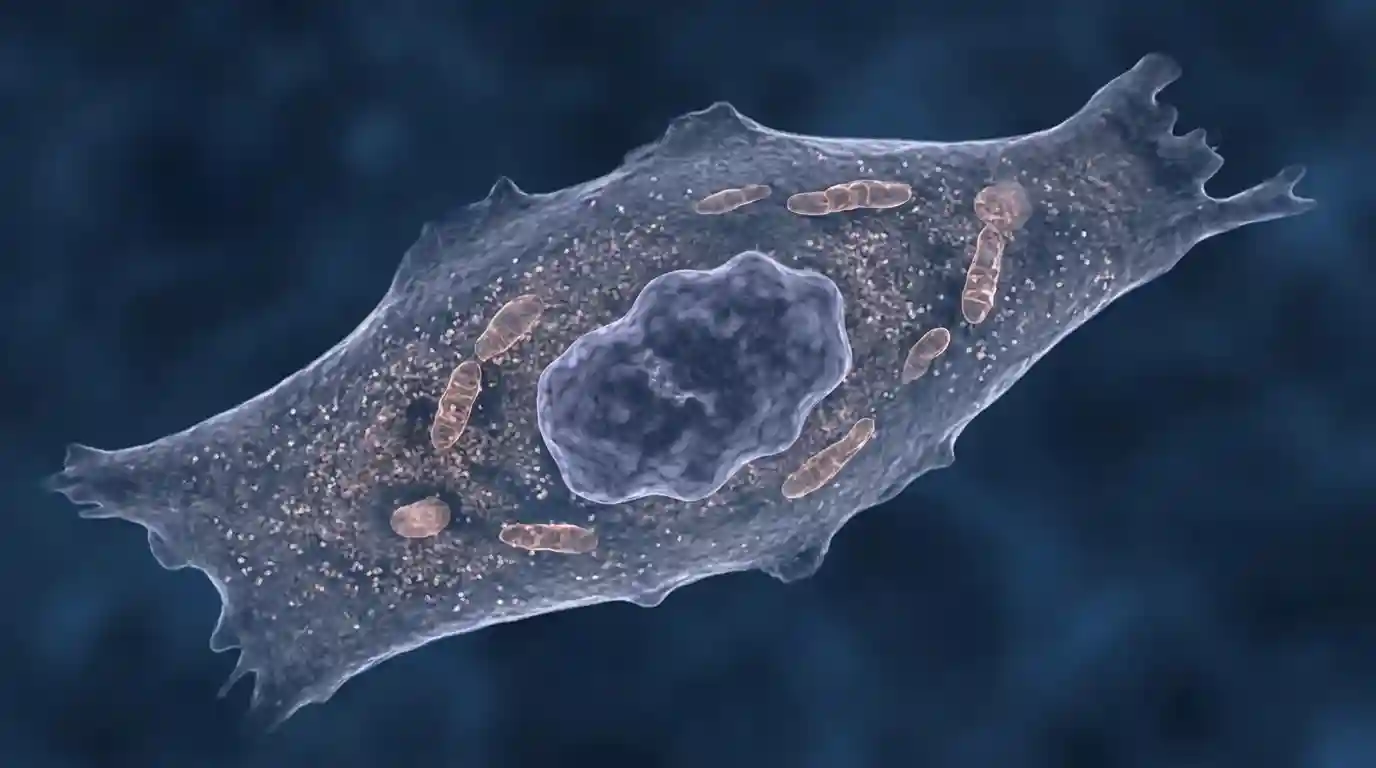
Table of Contents
Aging is an inevitable biological process, a complex journey marked by progressive changes at cellular, tissue, and organ levels. While often associated with wisdom and experience, aging also brings a heightened susceptibility to a myriad of chronic diseases. The intricate Aging Disease Connections are a critical area of scientific inquiry, revealing how the very mechanisms that drive biological aging simultaneously lay the groundwork for age-related pathologies. Understanding these connections is paramount to developing strategies for not just extending lifespan, but more importantly, enhancing healthspan – the duration of life spent in good health and free from chronic disease. This comprehensive article delves into the profound links between the aging process and various debilitating conditions, while also exploring evidence-based strategies on how to reduce risks and foster a healthier trajectory through the later stages of life.
Introduction to Aging and Disease Connections
The concept of aging extends beyond the mere passage of time; it encompasses a gradual decline in physiological function, an increased vulnerability to environmental stressors, and a diminished capacity for repair and regeneration. This decline is not uniform across all individuals, nor is it a simple linear process. Instead, it is influenced by a complex interplay of genetic predispositions, environmental factors, and lifestyle choices. As we age, our bodies undergo molecular and cellular changes that contribute to the development and progression of diseases that are rarely seen in younger populations. These age-related diseases are not isolated incidents but are often interconnected, sharing underlying biological pathways that are exacerbated by the aging process. For instance, chronic low-grade inflammation, a hallmark of aging, is implicated in the pathogenesis of cardiovascular disease, neurodegenerative disorders, and even cancer. Recognizing these fundamental connections is the first step toward effective prevention and intervention strategies aimed at promoting healthy aging.
The Biological Hallmarks of Aging and Their Impact
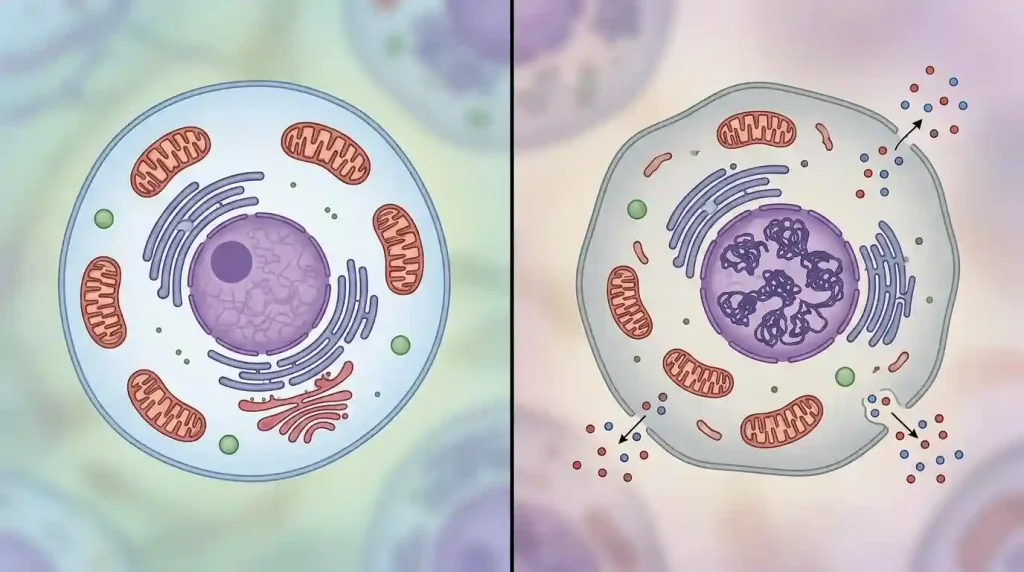
Contemporary aging research has identified several fundamental biological processes, often referred to as “hallmarks of aging,” that contribute significantly to the aging phenotype and increase disease susceptibility. These hallmarks include genomic instability, telomere attrition, epigenetic alterations, loss of proteostasis, deregulated nutrient sensing, mitochondrial dysfunction, cellular senescence, stem cell exhaustion, and altered intercellular communication. Each of these processes plays a crucial role in compromising cellular and tissue integrity over time. For example, genomic instability, resulting from accumulated DNA damage, can lead to mutations that drive cancer development. Telomere attrition, the shortening of protective caps on chromosomes, limits cellular replicative capacity and contributes to cellular senescence, a state where cells stop dividing but remain metabolically active and secrete pro-inflammatory molecules. These senescent cells accumulate in tissues, contributing to chronic inflammation and tissue dysfunction, which in turn fuels the progression of numerous age-related diseases. Understanding how these hallmarks interact and contribute to the aging process is vital for identifying potential therapeutic targets to delay or reverse age-related decline.
Common Age-Related Diseases and Their Interconnections
A significant majority of chronic diseases are more prevalent in older age, highlighting the deep connections between aging and pathology. These diseases often do not occur in isolation but rather form a complex web of interconnected conditions, where the presence of one can exacerbate others.
Cardiovascular Diseases
Aging is a primary risk factor for cardiovascular diseases (CVDs), including atherosclerosis, hypertension, coronary artery disease, and heart failure. With age, blood vessels stiffen, and the heart muscle undergoes structural and functional changes. Chronic inflammation, oxidative stress, and endothelial dysfunction—all accelerated by aging—contribute to the buildup of plaque in arteries, leading to atherosclerosis. This hardening and narrowing of arteries can result in heart attacks and strokes. Hypertension, or high blood pressure, also becomes more common with age due to vascular stiffness and impaired regulation. Managing blood pressure, cholesterol levels, and engaging in regular physical activity are critical for mitigating these age-related risks.
Neurodegenerative Diseases (Alzheimer’s, Parkinson’s)
Neurodegenerative diseases, such as Alzheimer’s disease and Parkinson’s disease, are profoundly linked to aging. Alzheimer’s, the most common form of dementia, is characterized by the accumulation of amyloid plaques and tau tangles in the brain, leading to neuronal loss and cognitive decline. The risk of developing Alzheimer’s doubles approximately every five years after age 65. Parkinson’s disease, affecting motor control, results from the loss of dopamine-producing neurons. Both conditions involve complex interactions of genetic predisposition, protein misfolding, mitochondrial dysfunction, and neuroinflammation, all of which are exacerbated by the aging process. Strategies that promote brain health throughout life, including cognitive stimulation, a healthy diet, and physical activity, are crucial for reducing risk.
Cancer
The incidence of most cancers increases dramatically with age. This strong correlation is largely due to the accumulation of cellular damage, including DNA mutations, over a lifetime. Aging also impairs the immune system’s ability to detect and eliminate cancerous cells, a phenomenon known as immunosenescence. Additionally, the accumulation of senescent cells, as mentioned earlier, can create a pro-tumorigenic microenvironment. Factors like chronic inflammation and oxidative stress, which intensify with age, also contribute to oncogenesis. Regular screenings and lifestyle modifications, such as avoiding smoking, limiting alcohol, and maintaining a healthy weight, are essential for cancer prevention in older adults.
Type 2 Diabetes
Type 2 diabetes is another condition strongly associated with aging. As individuals age, they often experience a decline in insulin sensitivity, a condition known as insulin resistance. This, coupled with a decrease in the insulin-producing capacity of the pancreas, increases the risk of developing type 2 diabetes. Lifestyle factors, particularly diet and physical inactivity, interact with the aging process to accelerate this risk. The consequences of uncontrolled diabetes, such as cardiovascular disease, kidney disease, and neuropathy, further underscore its interconnectedness with other age-related pathologies. Maintaining a healthy weight, consuming a balanced diet, and engaging in regular exercise are fundamental for preventing and managing age-related type 2 diabetes.
Osteoporosis and Arthritis
Musculoskeletal disorders are a major concern for aging populations. Osteoporosis, characterized by decreased bone density and increased fracture risk, becomes more prevalent with age, especially in postmenopausal women due to hormonal changes. Arthritis, particularly osteoarthritis, which involves the breakdown of joint cartilage, is also highly common in older adults. Years of wear and tear, coupled with age-related changes in cartilage repair mechanisms and chronic inflammation, contribute to its development. Maintaining bone health through adequate calcium and vitamin D intake, weight-bearing exercise, and preventing falls are crucial. For arthritis, managing weight and engaging in low-impact exercises can help alleviate symptoms and slow progression.
| Disease Category | Key Aging Connection | Risk Reduction Strategies |
|---|---|---|
| Cardiovascular Diseases | Vascular stiffening, atherosclerosis, chronic inflammation, oxidative stress. | Healthy diet (low saturated fat, high fiber), regular exercise, blood pressure and cholesterol management, smoking cessation. |
| Neurodegenerative Diseases | Protein misfolding (amyloid, tau), mitochondrial dysfunction, neuroinflammation, neuronal loss. | Cognitive stimulation, balanced diet, physical activity, social engagement, adequate sleep. |
| Cancer | Accumulated DNA damage, impaired immune surveillance (immunosenescence), cellular senescence. | Regular screenings, healthy weight, avoidance of smoking and excessive alcohol, antioxidant-rich diet. |
| Type 2 Diabetes | Insulin resistance, decreased pancreatic beta-cell function, inflammation. | Healthy diet (low sugar, processed foods), regular physical activity, weight management. |
| Osteoporosis & Arthritis | Bone density loss, cartilage degeneration, chronic inflammation, hormonal changes. | Adequate calcium and Vitamin D, weight-bearing exercise, fall prevention, weight management, joint protection. |
Understanding the Molecular Mechanisms: Inflammation, Oxidative Stress, and Cellular Senescence
At the heart of many age-related diseases are fundamental molecular and cellular processes that accelerate with time. Chronic low-grade inflammation, often termed “inflammaging,” is a persistent, systemic inflammatory state that increases with age and is a major contributor to various chronic diseases. This persistent inflammation arises from several sources, including accumulated cellular debris, dysfunctional mitochondria, and the secretory phenotype of senescent cells (SASP). Oxidative stress, caused by an imbalance between the production of reactive oxygen species (free radicals) and the body’s ability to neutralize them, also accumulates with age. This oxidative damage can harm DNA, proteins, and lipids, contributing to cellular dysfunction and disease pathogenesis. Cellular senescence, as previously mentioned, is a state of irreversible growth arrest in cells, often triggered by stress or damage. While a protective mechanism against cancer in younger organisms, the accumulation of senescent cells in older tissues contributes to chronic inflammation, tissue dysfunction, and impaired regeneration. Targeting these fundamental mechanisms—inflammation, oxidative stress, and cellular senescence—represents promising avenues for therapeutic interventions to combat age-related diseases. Scientists are actively exploring drugs that can selectively remove senescent cells (senolytics) or inhibit their pro-inflammatory secretions (senomorphics), with exciting preliminary results in animal models and early human trials. The understanding of these intricate mechanisms provides a foundation for developing effective anti-aging and disease prevention strategies.
Lifestyle Interventions to Proactively Reduce Risks
While genetics play a role, lifestyle choices exert a profound influence on how we age and our susceptibility to disease. Adopting healthy habits can significantly mitigate the risks associated with aging and promote a longer, healthier life. These interventions are often synergistic, meaning they work together to produce greater benefits.
Diet and Nutrition
A balanced, nutrient-rich diet is a cornerstone of healthy aging. Diets rich in fruits, vegetables, whole grains, lean proteins, and healthy fats (like those found in olive oil and avocados) are associated with reduced risks of cardiovascular disease, type 2 diabetes, certain cancers, and cognitive decline. The Mediterranean diet, for instance, has consistently been linked to longevity and reduced incidence of age-related diseases. Conversely, diets high in processed foods, refined sugars, and unhealthy fats contribute to chronic inflammation, oxidative stress, and weight gain, all of which accelerate aging and increase disease risk. Focusing on antioxidant-rich foods can help combat oxidative stress, while adequate protein intake is crucial for maintaining muscle mass (preventing sarcopenia) and bone health.
Physical Activity
Regular physical activity is arguably one of the most powerful tools for healthy aging. It improves cardiovascular health, strengthens muscles and bones, enhances cognitive function, boosts mood, and helps maintain a healthy weight. Engaging in a combination of aerobic exercise (e.g., brisk walking, swimming, cycling), strength training (e.g., lifting weights, resistance bands), flexibility exercises (e.g., stretching, yoga), and balance training is recommended. Even moderate levels of activity can yield significant benefits. The World Health Organization recommends at least 150 minutes of moderate-intensity aerobic physical activity throughout the week for adults, including older adults, or at least 75 minutes of vigorous-intensity aerobic physical activity. Even small increases in activity can make a difference in reducing the risk of chronic diseases and improving overall quality of life. For more detailed guidelines on physical activity for older adults, resources from reputable health organizations can be incredibly beneficial. For instance, the World Health Organization provides comprehensive information on physical activity for different age groups, highlighting its importance for healthy aging: WHO Guidelines on Physical Activity and Sedentary Behaviour.
Stress Management and Quality Sleep
Chronic stress can accelerate aging at a cellular level, contributing to increased inflammation, oxidative stress, and telomere shortening. Effective stress management techniques, such as mindfulness, meditation, deep breathing exercises, spending time in nature, and engaging in hobbies, are crucial for mitigating its negative effects. Similarly, quality sleep is indispensable for cellular repair, hormone regulation, and cognitive function. Chronic sleep deprivation is linked to an increased risk of obesity, diabetes, cardiovascular disease, and impaired immune function. Aiming for 7-9 hours of uninterrupted sleep per night and establishing a consistent sleep schedule can significantly impact overall health and longevity.
Social Connection and Mental Well-being
Beyond the physical, mental and social well-being are vital components of healthy aging. Maintaining strong social connections, engaging in meaningful activities, and having a sense of purpose can reduce the risk of depression, anxiety, and cognitive decline. Social isolation and loneliness have been identified as significant risk factors for poor health outcomes in older adults, comparable to traditional risk factors like smoking and obesity. Fostering positive relationships, volunteering, joining clubs, and staying connected with family and friends are all ways to promote mental well-being and enhance the aging experience. Continual learning and cognitive engagement, such as reading, puzzles, or learning new skills, also help maintain brain health and reduce the risk of neurodegenerative diseases.
Medical Advancements and Future Directions in Anti-Aging Research
The field of geroscience, which investigates the links between aging and disease, is rapidly advancing, offering new hope for extending healthspan. Research is exploring pharmaceutical interventions that target the hallmarks of aging. For example, metformin, a drug commonly used for type 2 diabetes, is being investigated for its potential anti-aging effects due to its impact on nutrient sensing pathways. Rapamycin, another drug, has shown promising results in animal models by inhibiting the mTOR pathway, a key regulator of cell growth and metabolism. The development of senolytics and senomorphics, drugs that selectively remove senescent cells or modify their harmful secretions, is also a highly active area. These interventions hold the promise of not just treating individual age-related diseases but addressing the underlying aging process itself, potentially preventing multiple diseases simultaneously. Personalized medicine, leveraging genetic information and lifestyle data, will also play an increasingly important role in tailoring preventative and therapeutic strategies to individual needs as we age. Continued investment in this research is crucial for translating these exciting discoveries into clinical applications that benefit human health.
Conclusion: Empowering Healthier Aging
The intricate connections between aging and disease are undeniable, with biological hallmarks of aging contributing significantly to the pathogenesis of a wide range of chronic conditions. From cardiovascular ailments and neurodegenerative disorders to cancer and diabetes, the aging process acts as a fundamental driver of increased vulnerability. However, understanding these connections empowers us to take proactive steps. While we cannot stop the passage of time, we can profoundly influence how our bodies and minds age. Through evidence-based lifestyle interventions—including a nutritious diet, regular physical activity, effective stress management, adequate sleep, and strong social connections—individuals can significantly reduce their risk of developing age-related diseases and enhance their overall healthspan. Furthermore, ongoing scientific research into the fundamental mechanisms of aging promises a future where medical advancements may offer even more targeted interventions. By embracing a holistic approach to health and well-being, focusing on prevention and informed choices, we can navigate the journey of aging with greater vitality, resilience, and a significantly reduced burden of disease.