8 Reasons to Try GlyNAC Supplement – Powerful Healthy Aging Support

Table of Contents
GlyNAC Supplement Review for Healthy Aging Support has become a topic of significant interest for individuals seeking to bolster their well-being as they age. This innovative combination supplement, comprising glycine and N-acetylcysteine (NAC), is garnering attention for its profound potential to address several fundamental aspects of the aging process. As our understanding of longevity expands, the focus has shifted from merely extending lifespan to enhancing “healthspan” – the period of life spent in good health and free from chronic disease. GlyNAC appears to offer a promising pathway towards achieving this goal by targeting cellular mechanisms intimately linked with aging.
Aging is a complex biological phenomenon characterized by a progressive decline in physiological function and an increased susceptibility to disease. At the cellular level, this decline is often attributed to factors such as oxidative stress, mitochondrial dysfunction, and chronic inflammation. One of the body’s primary defenses against these cellular assaults is glutathione (GSH), often referred to as the “master antioxidant.” Crucially, glutathione levels naturally decline with age, leaving cells more vulnerable to damage and contributing to the onset of various age-related health issues. GlyNAC’s primary mechanism of action revolves around its ability to replenish these dwindling glutathione reserves, thereby supporting the body’s intrinsic capacity for repair and protection.
Beyond its role in glutathione synthesis, GlyNAC also provides its constituent amino acids, glycine and NAC, which possess their own independent beneficial properties. This synergistic effect is what researchers believe makes GlyNAC particularly potent in combating the multifaceted challenges of aging. This comprehensive review will delve into the science behind GlyNAC, explore its documented benefits, examine the latest clinical research, discuss potential side effects and optimal dosages, and consider how it fits into a broader healthy aging strategy, providing an authoritative resource for those considering this supplement.
What is GlyNAC and How Does It Work?
GlyNAC is not a single compound but a carefully chosen combination of two amino acids: glycine and N-acetylcysteine (NAC). To understand its impact on healthy aging, it’s essential to first grasp the roles of these individual components and their collective mechanism.
Glycine: The Simple Yet Mighty Amino Acid
Glycine is the smallest and one of the most abundant amino acids in the human body. Classified as a non-essential amino acid, the body can synthesize it from other amino acids, though dietary intake is also crucial. Glycine plays numerous vital roles beyond protein synthesis. It functions as a neurotransmitter in the brain, influencing nerve impulses, and is a key component in collagen, which is essential for healthy skin, joints, and connective tissues. It also participates in the synthesis of heme, creatine, and purines for DNA. However, its most relevant role in the context of GlyNAC is its contribution to glutathione synthesis.
N-Acetylcysteine (NAC): The Cysteine Delivery System
NAC is a derivative of the sulfur-containing amino acid cysteine. Cysteine is often considered the rate-limiting amino acid in glutathione synthesis, meaning that its availability can dictate how much glutathione the body can produce. While cysteine is present in some foods, NAC is a highly bioavailable form that effectively delivers cysteine into cells. NAC itself has several therapeutic applications, including its well-known use as an antidote for acetaminophen overdose due to its ability to replenish glutathione stores in the liver.
The “Power of 3”: Boosting Glutathione Synthesis
The core mechanism of GlyNAC for healthy aging lies in its ability to significantly boost the body’s production of glutathione (GSH). Glutathione is a tripeptide composed of three amino acids: glutamate, cysteine, and glycine. While glutamate is typically abundant in the body, levels of glycine and, crucially, cysteine can become limited, especially in older adults.
By providing adequate amounts of both glycine and cysteine (via NAC), GlyNAC ensures that the cellular machinery has the necessary building blocks to synthesize sufficient glutathione. This process is often referred to as the “Power of 3” by researchers, emphasizing that the benefits are derived from the combined actions of glycine, cysteine (from NAC), and the resulting increase in glutathione, rather than glutathione alone.
It is critical to understand why supplementing with GlyNAC is often considered more effective than taking glutathione directly. Our bodies do not efficiently absorb intact glutathione from dietary supplements, and instead, each cell must produce its own glutathione internally. This endogenous synthesis allows cells and organs to maintain the precise and delicate balance of glutathione required for optimal health. Providing the precursors (glycine and NAC) enables the body to regulate its own glutathione production, preventing both deficiency and potentially harmful “reductive stress” from excessive levels.
In essence, GlyNAC acts as a catalyst, empowering the body’s natural antioxidant defense system. By replenishing the foundational components for glutathione synthesis, it helps to restore cellular health and function, which are critical for mitigating the effects of aging.

The Science Behind GlyNAC and the Hallmarks of Aging
Aging is not merely the passage of time but a biological process driven by molecular and cellular damage. Scientists have identified several “hallmarks of aging” – molecular and cellular dysfunctions that contribute to age-related decline. GlyNAC supplementation has shown remarkable potential in addressing many of these fundamental hallmarks, primarily through its ability to enhance glutathione levels and combat oxidative stress.
Oxidative Stress and Mitochondrial Dysfunction: Twin Pillars of Aging
At the forefront of aging theories are oxidative stress and mitochondrial dysfunction. Oxidative stress occurs when there’s an imbalance between the production of harmful reactive oxygen species (ROS), or free radicals, and the body’s ability to neutralize them with antioxidants. These free radicals can damage cellular components like DNA, proteins, and lipids, accelerating aging and disease.
Mitochondria, often called the “powerhouses” of the cell, are responsible for generating most of the energy needed for cellular function. However, in the process of energy production, they also generate ROS. As we age, mitochondrial function declines, leading to reduced energy production and an increase in ROS, creating a vicious cycle of damage and further dysfunction.
Glutathione (GSH) is the most abundant endogenous antioxidant, playing a critical role in protecting mitochondria from oxidative damage and maintaining their optimal function. A deficiency in GSH accelerates the rate of aging and age-related diseases. By correcting GSH deficiency, GlyNAC directly targets both oxidative stress and mitochondrial dysfunction, restoring cellular defenses and energy production.
GlyNAC’s Impact on Multiple Hallmarks of Aging
Research, particularly from Baylor College of Medicine, has demonstrated that GlyNAC supplementation can improve or even reverse multiple hallmarks of aging in older adults. These include:
- Glutathione Deficiency: GlyNAC directly addresses the age-related decline in GSH levels, restoring them to more youthful concentrations.
- Oxidative Stress: By boosting GSH, GlyNAC effectively neutralizes free radicals and reduces markers of oxidative damage.
- Mitochondrial Dysfunction: It has been shown to improve mitochondrial energy production, biogenesis (the creation of new mitochondria), and fatty-acid oxidation.
- Inflammation: Chronic low-grade inflammation, or “inflammaging,” is a key contributor to many age-related diseases. GlyNAC exhibits anti-inflammatory properties, helping to reduce this chronic inflammation.
- Insulin Resistance: GlyNAC has been linked to improvements in insulin sensitivity and glucose metabolism, potentially lowering the risk of type 2 diabetes.
- Genomic Damage and Instability: Aging is associated with an accumulation of DNA damage. GlyNAC has been shown to reduce markers of genomic damage and support DNA repair mechanisms.
- Cellular Senescence: This refers to “zombie cells” that stop dividing but remain in the body, secreting inflammatory compounds. GlyNAC can help reduce cellular senescence markers.
- Stem Cell Exhaustion: GlyNAC has shown positive impacts on stem cell function, which tends to decline with age.
- Loss of Proteostasis: The body’s ability to maintain properly folded proteins declines with age. GlyNAC has shown impacts on loss of proteostasis.
- Altered Intercellular Communication: Healthy cellular communication is vital for tissue function. GlyNAC may improve this.
- Telomere Attrition: Telomeres protect chromosome ends, and their shortening is linked to aging. GlyNAC has shown effects on telomere attrition.
By tackling these interconnected hallmarks, GlyNAC offers a comprehensive approach to mitigating the molecular and cellular drivers of aging, thereby promoting a healthier and more robust aging process.
Key Benefits of GlyNAC for Healthy Aging Support
The scientific understanding of GlyNAC’s role in healthy aging has expanded significantly, revealing a spectrum of potential benefits that extend beyond mere antioxidant support. These advantages collectively contribute to improving overall healthspan and mitigating various age-related declines.
Enhanced Glutathione Levels and Antioxidant Defense
As the cornerstone of its mechanism, GlyNAC effectively corrects age-associated glutathione (GSH) deficiency and significantly reduces oxidative stress. Older adults often exhibit lower GSH levels and higher oxidative stress compared to younger individuals. Supplementation with GlyNAC has been shown to restore GSH concentrations in muscle and red blood cells to youthful levels and decrease markers for oxidative stress.
Improved Mitochondrial Function and Energy Metabolism
Mitochondria are crucial for cellular energy production. Age-related mitochondrial dysfunction leads to reduced energy and increased oxidative damage. GlyNAC supplementation has been demonstrated to improve mitochondrial function, enhance mitochondrial biogenesis (the creation of new mitochondria), and optimize energy metabolism. This leads to better cellular vitality and can translate to improved energy levels and physical performance.
Support for Metabolic Health
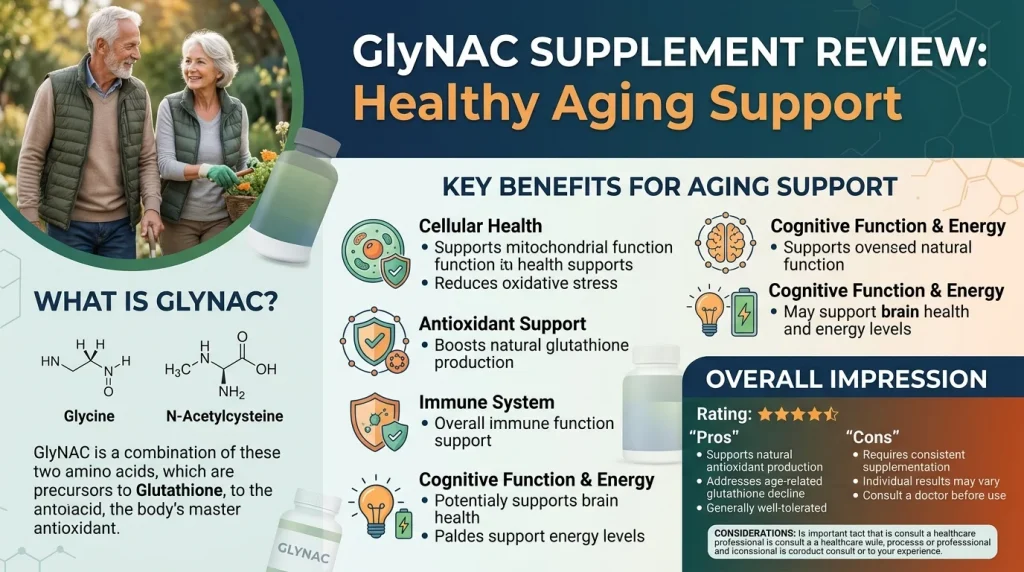
GlyNAC plays a significant role in supporting metabolic health, an area frequently challenged during aging. Research indicates improvements in insulin sensitivity, a reduction in insulin resistance, and better glucose and fatty acid oxidation in older adults and individuals with conditions like type 2 diabetes. Studies have also observed a decrease in triglyceride concentrations and waist circumference in older adults receiving GlyNAC.
Muscle Strength and Physical Performance
One of the most noticeable aspects of aging is the decline in muscle mass and strength, a condition known as sarcopenia. Clinical trials have reported that GlyNAC supplementation can lead to significant improvements in various measures of physical function. These include increased gait speed, enhanced muscle strength (both upper and lower extremity), and improved exercise capacity. These physical improvements are directly correlated with restored glutathione levels and better mitochondrial health.
Cognitive Function
Maintaining cognitive sharpness is a key concern for healthy aging. Emerging evidence suggests that GlyNAC may offer benefits for brain health and cognition. Studies have indicated potential improvements in memory and overall cognitive function in older adults. Researchers are actively exploring GlyNAC’s role in correcting age-related declines directly in the brain and its implications for conditions involving cognitive decline.
Reduced Inflammation and Genomic Damage
Chronic inflammation and an accumulation of genomic (DNA) damage are underlying contributors to numerous age-related diseases. GlyNAC’s ability to boost glutathione and reduce oxidative stress also translates to anti-inflammatory properties and a reduction in markers of DNA damage. This protection at the genetic level is crucial for maintaining cellular integrity and preventing disease progression.
Cardiovascular Health
Beyond the broader cellular benefits, GlyNAC has also shown indications of supporting cardiovascular health. Improvements in endothelial function (the health of blood vessel linings) and a positive trend towards lowered blood pressure have been observed in some studies, contributing to a reduced risk of heart disease.
The multifaceted benefits of GlyNAC highlight its potential as a valuable supplement for promoting healthy aging by targeting a cascade of interconnected cellular and physiological processes that deteriorate with age.
Clinical Research and Evidence for GlyNAC
The claims surrounding GlyNAC’s benefits are increasingly supported by robust scientific investigation, particularly through human clinical trials. A significant portion of this research has been pioneered by Dr. Rajagopal Sekhar and his team at Baylor College of Medicine, establishing a strong foundation for understanding GlyNAC’s impact on aging.
Pioneering Human Clinical Trials
Early studies, including pilot human clinical trials, demonstrated promising results. For instance, a study published in Clinical and Translational Medicine reported that older adults taking GlyNAC for 24 weeks experienced improvements in numerous age-associated defects. These included glutathione deficiency, oxidative stress, mitochondrial dysfunction, inflammation, insulin resistance, endothelial dysfunction, body fat composition, genomic toxicity, muscle strength, gait speed, exercise capacity, and cognitive function. Importantly, the study also noted that these benefits declined after stopping supplementation for 12 weeks, suggesting that continuous use might be necessary to maintain the effects.

Building upon these findings, a double-blind, randomized, placebo-controlled clinical trial, also conducted by researchers at Baylor College of Medicine, further solidified GlyNAC’s efficacy. This trial, involving older adults, revealed that 16 weeks of GlyNAC supplementation significantly improved and corrected glutathione deficiency, oxidative stress, mitochondrial dysfunction, physical function, and waist circumference. It also impacted seven of the nine recognized hallmarks of aging, including those affecting mitochondria, inflammation, insulin resistance, mitophagy, genomic damage, cellular senescence, and stem cells. The trial reported no adverse events, indicating a favorable safety profile.
The consistent results across these trials are highly encouraging. They illustrate GlyNAC’s capacity to restore crucial cellular functions that are often impaired with age. For instance, after 16 weeks of GlyNAC treatment, glutathione concentrations in muscle and red blood cells increased, while markers for oxidative stress decreased. Older adult participants also showed significant increases in gait speed and improvements in their 6-minute walking distance, moving towards levels observed in younger adults.
Insights into Mechanism and Efficacy
The molecular data from these trials suggest that GlyNAC supplementation is able to promote the generation of younger and more efficient mitochondria within cells. Researchers propose that the comprehensive improvements seen are due to the combined action of glycine, cysteine (from NAC), and the resultant glutathione, rather than just glutathione alone – a concept they term the “Power of 3.”
Furthermore, these human trials are complemented by extensive rodent studies. In aged mice, GlyNAC supplementation has been shown to increase their lifespan by 24% and reverse age-associated cognitive decline by improving brain glutathione deficiency, oxidative stress, glucose uptake, mitochondrial dysfunction, genomic damage, inflammation, and neurotrophic factors.
While the body of research on GlyNAC is still evolving, the existing clinical evidence provides a compelling case for its potential in promoting healthy aging. The consistent improvements across multiple age-related markers in human trials, coupled with the safety profile observed, underscore GlyNAC as a promising nutritional intervention. For further foundational information on glutathione, which GlyNAC significantly impacts, you may refer to Wikipedia’s entry on Glutathione.
| Hallmark of Aging | Impact of GlyNAC Supplementation | Key Benefits Observed |
|---|---|---|
| Glutathione Deficiency | Corrected, restoring levels to youthful range | Enhanced antioxidant defense, cellular protection |
| Oxidative Stress | Significantly reduced markers of damage | Lowered cellular damage, improved cellular repair |
| Mitochondrial Dysfunction | Improved energy production, biogenesis & fatty-acid oxidation | Increased cellular energy, better physical function |
| Chronic Inflammation | Reduced markers of systemic inflammation | Mitigated “inflammaging,” reduced disease risk |
| Insulin Resistance | Improved insulin sensitivity, glucose metabolism | Better metabolic control, lower diabetes risk |
| Genomic Damage | Reduced DNA damage markers | Enhanced genetic integrity, reduced disease risk |
| Cellular Senescence | Reduced senescent cell burden | Improved tissue function, reduced inflammation |
| Muscle Strength Decline | Increased grip strength, gait speed, exercise capacity | Improved mobility, physical activity, and quality of life |
| Cognitive Decline | Potential improvements in memory and cognition | Enhanced brain health, mental clarity |
Potential Side Effects and Safety Considerations
When considering any supplement for long-term use, understanding its safety profile and potential side effects is paramount. GlyNAC supplementation, based on current research, appears to be generally well-tolerated by most individuals, particularly older adults, with studies reporting few adverse events.
Common and Mild Side Effects
The most frequently reported side effects associated with GlyNAC, or its individual components (glycine and NAC), are typically mild and often transient, especially when first beginning supplementation or increasing the dosage. These can include:
- Gastrointestinal Discomfort: Some users may experience mild digestive issues such as nausea, bloating, stomach upset, or diarrhea. This is often more pronounced when starting GlyNAC or when doses are increased rapidly. Taking the supplement with food can often help mitigate these effects.
- Headaches: Mild headaches have been reported by a small number of users, potentially as the body adjusts to changes in cellular metabolism or detoxification processes.
- Dizziness: A small subset of individuals might experience dizziness, although this is less common.
In clinical trials, GlyNAC supplementation for periods of 16 to 24 weeks was reported as safe and well-tolerated, with no serious adverse effects. For instance, one randomized clinical trial specifically mentioned that GlyNAC supplementation for 16 weeks in older adults reported no adverse events.
Important Considerations and Precautions
Despite its generally favorable safety profile, it is always prudent to exercise caution and consult with a healthcare professional before initiating any new supplement, including GlyNAC. This is especially true for individuals with pre-existing health conditions or those currently taking medications.
- Pre-existing Conditions: Individuals with liver or kidney issues should seek medical advice before using GlyNAC, as these organs are central to metabolism and detoxification.
- Medication Interactions: GlyNAC, particularly due to its NAC component, may interact with certain medications. For example, NAC can affect blood clotting and therefore may interact with blood-thinning medications. Its impact on glutathione levels also means it could potentially interact with some chemotherapy drugs. It is crucial to discuss all current medications with a doctor to avoid any potential adverse interactions.
- Pregnancy and Breastfeeding: There is insufficient research on GlyNAC supplementation during pregnancy or breastfeeding, so it is generally advised to avoid its use during these periods unless specifically recommended and supervised by a healthcare provider.
- Dosage: Adhering to recommended dosages is important to maximize benefits and minimize the risk of side effects. Starting with a lower dose and gradually increasing it can help the body adjust.
While GlyNAC is derived from natural amino acids that the body already uses, its concentrated supplemental form should be approached thoughtfully. Ongoing monitoring by a healthcare provider can help ensure that supplementation is appropriate and safe for an individual’s specific health context.
Optimal Dosage and Supplementation Guidelines
Determining the optimal dosage for any supplement is crucial for maximizing its benefits while minimizing potential side effects. For GlyNAC, research has provided valuable insights into effective dosages used in clinical trials, offering a strong basis for supplementation guidelines.
Dosages Used in Clinical Research
Most of the significant human clinical trials investigating GlyNAC for healthy aging have utilized specific dosages. A common approach involves administering glycine and NAC in roughly equal amounts by weight, tailored to body weight. For instance, clinical trials have often used a dose of approximately 100 mg/kg of body weight per day for each component (glycine and NAC).
- Example for a 70 kg (154 lb) adult: For a person weighing around 70 kilograms, this would translate to approximately 7,000 mg (7 grams) of glycine and 7,000 mg (7 grams) of NAC daily, totaling about 14 grams per day.
- Some studies have explored doses ranging from hundreds of milligrams to several grams per day, with some suggesting up to 9 grams of NAC and 7 grams of glycine depending on individual needs and body weight.
Practical Supplementation Recommendations
While clinical trial dosages provide a scientific benchmark, practical application often involves a more gradual approach, especially when starting. It is always advisable to consult with a healthcare professional before beginning any new supplement regimen to determine the most appropriate dosage for individual health goals and circumstances.
- Starting Dose: Many experts suggest starting with a lower daily dose, such as 600 mg of each glycine and NAC, and gradually increasing it.
- Splitting the Dose: To maintain consistent glutathione production and reduce the risk of gastrointestinal discomfort, it is often recommended to split the daily dosage into two or more servings. For example, if a total of 7g glycine + 7g NAC is taken daily, it could be divided into 3.5g of each in the morning and 3.5g of each in the evening. This dosing schedule aligns with clinical trial protocols.
- With or Without Food: Taking GlyNAC with meals may help to minimize gastrointestinal side effects and potentially enhance bioavailability.
- Duration of Supplementation: Clinical trials have demonstrated benefits after 16 to 24 weeks of continuous supplementation. It has been observed that benefits can decline after stopping GlyNAC for a period, suggesting that ongoing, continuous use may be necessary to maintain its effects. While some practitioners might suggest cycles (e.g., 6 months on, 1 month off), current evidence primarily supports continuous use under medical guidance.
- Formulation: GlyNAC is typically available as separate glycine powder and NAC capsules/powder, or as pre-mixed combination formulas. When choosing pre-mixed options, it’s important to verify that the amounts of glycine and NAC align with research-backed standards. Glycine powder dissolves easily, while NAC often has a sulfur-like taste, which some prefer to take in capsule form or mixed into flavored drinks.
- Pairing with Other Supplements: Some suggest that taking GlyNAC with a small amount of Vitamin C (250-500 mg) may help with glutathione recycling. It is generally advised to avoid taking GlyNAC with high-protein meals, as other amino acids might compete for absorption.
Ultimately, while these guidelines are informed by scientific research, individual responses can vary. Personal goals, existing health conditions, and overall dietary patterns should all be factored into determining the most suitable GlyNAC supplementation strategy, ideally in consultation with a qualified healthcare provider.
Integrating GlyNAC into a Holistic Healthy Aging Strategy
While GlyNAC supplementation presents a compelling approach to supporting healthy aging at a cellular level, it is crucial to view it as one component within a broader, holistic strategy. No single supplement can fully counteract the effects of an unhealthy lifestyle. True healthy aging is achieved through a synergistic combination of diet, exercise, adequate sleep, stress management, and, where appropriate, targeted supplementation.
The Foundational Pillars of Healthy Aging
GlyNAC can act as a powerful adjunct to these established pillars:
- Nutrient-Dense Diet: A diet rich in whole, unprocessed foods, abundant in fruits, vegetables, lean proteins, and healthy fats, provides the macro- and micronutrients essential for all bodily functions, including antioxidant defense and mitochondrial health. GlyNAC works best when the body is already receiving foundational nutritional support.
- Regular Physical Activity: Exercise is a potent anti-aging intervention. It improves cardiovascular health, maintains muscle mass and strength, boosts cognitive function, and can even stimulate endogenous antioxidant systems. Interestingly, research suggests that exercise, particularly a combination of aerobic and strength training, can help maintain glutathione levels with age, indicating a synergistic relationship with GlyNAC.
- Quality Sleep: Adequate and restorative sleep is fundamental for cellular repair, hormone regulation, and cognitive health. Chronic sleep deprivation exacerbates oxidative stress and inflammation, undermining the benefits of any supplement.
- Stress Management: Chronic stress contributes significantly to systemic inflammation and oxidative damage. Practices such as meditation, yoga, mindfulness, and spending time in nature can help mitigate the physiological impacts of stress, creating a more favorable internal environment for healthy aging.
- Social Connection and Purpose: Beyond the physiological, psychological and social factors play a profound role in longevity and well-being. Maintaining strong social ties, engaging in meaningful activities, and having a sense of purpose contribute significantly to a healthier and happier life in older age.
GlyNAC as a Targeted Support
When these foundational lifestyle factors are in place, GlyNAC can offer targeted support by addressing specific age-related cellular declines that even the healthiest lifestyles may not fully prevent