7 Longevity Supplements That May Support Healthy Aging
Table of Contents
Longevity supplements are increasingly capturing the attention of individuals seeking to support healthy aging and extend their healthspan. The pursuit of a longer, healthier life has driven significant scientific inquiry into the biological processes of aging and how certain compounds might intervene. While no supplement offers a miraculous “fountain of youth,” a growing body of research suggests that some compounds may play a role in modulating key cellular pathways associated with aging, potentially supporting a more vibrant and resilient later life.
The concept of healthy aging extends beyond merely prolonging lifespan; it emphasizes maintaining physical and cognitive function, vitality, and freedom from age-related diseases. This article delves into various longevity supplements that have shown promise in scientific studies, exploring their mechanisms of action, the evidence supporting their use, and crucial considerations for those interested in incorporating them into their wellness routine.
The Science of Aging: Understanding the Hallmarks
Aging is a complex biological process characterized by a progressive decline in physiological function, ultimately increasing vulnerability to disease and death. Scientists have identified several fundamental processes, often referred to as the “hallmarks of aging,” which contribute to this decline at a cellular and molecular level. These hallmarks are interconnected and reinforce one another, creating a cascade of dysfunction over time.
Key hallmarks include:
- Genomic Instability: Accumulation of DNA damage and mutations over time, compromising cellular integrity.
- Telomere Attrition: Shortening of the protective caps at the ends of chromosomes, which limits cellular replication and renewal.
- Epigenetic Alterations: Changes in gene expression patterns without altering the underlying DNA sequence, disrupting normal cellular behavior.
- Loss of Proteostasis: The inability of cells to maintain proper protein quality and function, leading to misfolding and aggregation.
- Deregulated Nutrient Sensing: Impaired metabolic signaling pathways (e.g., insulin, mTOR) that shift the body away from repair and toward dysfunction.
- Mitochondrial Dysfunction: Reduced energy production and increased oxidative stress within the “powerhouses of the cell”.
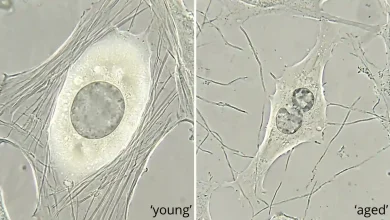
- Cellular Senescence: The accumulation of “zombie cells” that stop dividing but remain metabolically active, secreting inflammatory molecules that harm surrounding healthy tissues.
- Stem Cell Exhaustion: A decline in the regenerative capacity of tissues and organs due to a reduction in the number and function of stem cells.
- Altered Intercellular Communication: Disruptions in how cells and tissues communicate, affecting hormonal signaling and immune responses.
- Chronic Inflammation (Inflammaging): Persistent low-grade inflammation that drives and accelerates many aging processes.
Understanding these hallmarks is crucial because many longevity supplements are designed to target one or more of these underlying mechanisms, aiming to mitigate their detrimental effects and promote cellular resilience.
Key Pathways to Longevity and How Supplements May Influence Them
Several critical cellular pathways are intimately involved in regulating aging and longevity. Modulating these pathways is a primary strategy for many longevity supplements:
- NAD+ Metabolism: Nicotinamide adenine dinucleotide (NAD+) is a vital coenzyme found in every living cell, crucial for energy production, DNA repair, and the function of sirtuins. NAD+ levels naturally decline with age, weakening cellular repair and defense systems.
- Sirtuin Pathway (SIRT): Sirtuins are a family of proteins that depend on NAD+ to function. They are involved in DNA repair, gene expression, metabolism, and inflammation, playing a fundamental role in cellular health and longevity. Activating sirtuins is linked to extending lifespan in various organisms.
- mTOR Pathway: The mechanistic target of rapamycin (mTOR) pathway is a central regulator of cell growth, proliferation, and metabolism. While essential for growth, overactivity of mTOR is linked to aging and age-related diseases. Inhibiting mTOR can promote cellular cleanup processes like autophagy and reduce cellular damage.
- AMPK Pathway: Adenosine monophosphate-activated protein kinase (AMPK) is a key energy sensor in cells. When activated, typically during periods of low energy (like fasting or exercise), AMPK stimulates energy catabolism and increases NAD+ levels, which in turn promotes SIRT1 activity and inhibits mTOR, thereby inducing autophagy and mitochondrial biogenesis.
Supplements targeting these pathways aim to restore youthful cellular functions, enhance repair mechanisms, and improve the body’s resilience against age-related stress.
NAD+ Boosters: NMN and NR
NAD+ (Nicotinamide Adenine Dinucleotide) is a coenzyme critical for numerous biological processes, including energy metabolism, DNA repair, and gene expression. Its levels are known to decline significantly with age, contributing to various age-related dysfunctions such as mitochondrial dysfunction, cellular senescence, and genomic instability. This decline weakens cellular repair and defense systems, making cells more vulnerable to stress and damage.
To counteract this age-related decline, NAD+ precursor supplements like Nicotinamide Mononucleotide (NMN) and Nicotinamide Riboside (NR) have gained considerable attention. Both NMN and NR are converted into NAD+ within the body, effectively boosting its levels. Research, particularly in animal models, suggests that increasing NAD+ through these precursors can lead to improved mitochondrial function, enhanced DNA repair, better muscle endurance, and increased resistance to metabolic and oxidative stress. Some studies even point to partial age reversal in tissues in animal models. A randomized controlled clinical trial indicated that supplementing with nicotinamide riboside was effective at increasing NAD+ levels in the blood.
The renewed focus on NAD+ boosting is underscored by recent regulatory developments. After a period of uncertainty, the FDA has clarified that NMN is lawful in dietary supplements, resolving previous concerns stemming from its investigation as a pharmaceutical drug. This decision offers consumers clearer access to NMN as a supplement, though ongoing research into optimal dosages and long-term human effects continues.
Sirtuin Activators: Resveratrol
Resveratrol is a natural polyphenol found in various plants, including grapes, red wine, peanuts, and blueberries. It has been extensively studied for its potential anti-aging properties, primarily due to its ability to activate sirtuins, particularly SIRT1. Sirtuins are a class of proteins that play vital roles in cellular regulation, including DNA repair, metabolism, and inflammation, and their activity is linked to increased longevity.
The anti-aging mechanisms of resveratrol are multifactorial. It is believed to ameliorate oxidative stress, relieve inflammatory reactions, improve mitochondrial function, and regulate apoptosis. By activating SIRT1, resveratrol can enhance mitochondrial function, improve metabolic efficiency, and promote stress resistance. It has also been shown to induce autophagy, the cellular cleanup process that clears impaired organelles and dysfunctional proteins, further contributing to life extension. In vitro studies have indicated that resveratrol can reduce superoxide generation, enhance nitric oxide levels, and improve oxidative stress, protecting against aging-associated vascular diseases. Some research suggests resveratrol may stabilize telomeres and regulate their length, another aspect related to cellular longevity.
Despite promising preclinical findings, a significant challenge with resveratrol is its low bioavailability and rapid hepatic metabolism in humans, meaning a large portion of the ingested compound may not reach target tissues effectively. While research continues to explore ways to improve its delivery and efficacy, some experts note that the clinical benefit at typical supplement doses has not been firmly established. Some studies have even raised concerns, suggesting that resveratrol might blunt the positive effects of exercise and potentially reduce testosterone levels. Therefore, while its cellular mechanisms are compelling, more robust human clinical trials are needed to confirm its broad longevity benefits.
mTOR Inhibitors: Rapamycin and Metformin
The mammalian (or mechanistic) target of rapamycin (mTOR) pathway is a crucial cellular pathway that senses nutrient availability and regulates cell growth, proliferation, and metabolism. While vital for development, chronic overactivity of mTOR is implicated in accelerated aging and various age-related diseases. Interventions that inhibit mTOR activity are of great interest in longevity research.
Rapamycin: Originally discovered as an antifungal compound from Easter Island, rapamycin has emerged as one of the most promising pharmacological interventions for anti-aging due to its potent ability to inhibit the mTOR pathway. By inhibiting mTOR, rapamycin mimics the effects of caloric restriction, a well-established longevity intervention in many organisms. This inhibition promotes cellular processes such as autophagy (the body’s natural cellular cleanup process), reduces inflammation, and improves cellular resistance to stress. Studies in various model organisms, including mice, have consistently shown that rapamycin can extend lifespan, sometimes to an extent similar to dietary restriction. However, despite these compelling animal studies, human data supporting rapamycin’s direct pro-longevity effects is still limited, and it is currently used as an immunosuppressant in transplant patients, with potential side effects.
Metformin: This widely used prescription drug for type 2 diabetes has also garnered attention in the longevity field due to its ability to influence metabolic pathways, including potentially activating AMPK and indirectly affecting mTOR. Metformin primarily works by reducing glucose production in the liver and increasing insulin sensitivity. While early observational studies and its metabolic benefits suggested potential longevity effects, recent meta-analyses comparing it with dietary restriction and rapamycin in animals have yielded surprising results. A comprehensive meta-analysis found that while dietary restriction and rapamycin consistently extended lifespan in vertebrates, metformin did not show similar consistent benefits. Some studies found only minimal impact on life extension, with its overall effect curve overlapping zero. Furthermore, metformin can have side effects in some individuals, including gastrointestinal issues and, in some cases, impacts on testosterone levels and muscle growth. The TAME (Targeting Aging with Metformin) study is an ongoing human clinical trial designed to investigate whether metformin can delay the onset of age-related diseases. Until more human-specific longevity data becomes available, its use solely for longevity remains a subject of debate and should be undertaken with caution and medical supervision.
| Longevity Pathway | Primary Mechanism | Key Supplements/Compounds | Potential Benefits for Healthy Aging |
|---|---|---|---|
| NAD+ Metabolism | Boosts cellular NAD+ levels, essential for energy production and repair. | NMN (Nicotinamide Mononucleotide), NR (Nicotinamide Riboside) | Improved mitochondrial function, enhanced DNA repair, better cellular resilience, support for sirtuins. |
| Sirtuin Activation | Activates sirtuin proteins involved in DNA repair, metabolism, and inflammation. | Resveratrol, Pterostilbene | Reduced oxidative stress, improved mitochondrial function, anti-inflammatory effects, modulated gene expression. |
| mTOR Inhibition | Reduces activity of mTOR, a pathway linked to cell growth and aging. | Rapamycin, Metformin (indirect) | Promotes autophagy (cellular cleanup), reduces inflammation, enhances cellular resistance. |
| Senolytic Activity | Helps clear senescent (“zombie”) cells that accumulate with age. | Quercetin, Fisetin | Reduces age-related inflammation, supports tissue rejuvenation, protects healthy cells. |
| Antioxidant & Anti-inflammatory | Neutralizes free radicals and reduces chronic inflammation. | Curcumin, Alpha-Lipoic Acid, Omega-3s | Protects against cellular damage, supports immune function, reduces disease risk. |
Senolytics: Quercetin and Fisetin
Cellular senescence is a hallmark of aging where cells cease to divide but do not die, instead accumulating in tissues and secreting pro-inflammatory molecules. These “senescent” or “zombie” cells can interfere with the function of surrounding healthy cells and contribute to age-related decline and chronic diseases. Senolytics are a class of compounds that aim to selectively target and eliminate these senescent cells, thereby promoting tissue rejuvenation and reducing age-related inflammation.
Two naturally occurring flavonoids, Quercetin and Fisetin, have emerged as prominent senolytic supplements. Both are found in various fruits and vegetables and possess antioxidant and anti-inflammatory properties.
- Quercetin: Found abundantly in foods like apples, dark berries, broccoli, kale, and capers, quercetin is recognized for its broad antioxidant activity and ability to support immune system function and heart health. As a senolytic, it helps the body address senescent cells. While it has senolytic properties, some research suggests it may also act as a “senomorphic,” suppressing the inflammatory signals produced by senescent cells.
- Fisetin: While also a flavonoid, fisetin is less common in the diet, primarily found in strawberries, apples, and cucumbers. Fisetin has garnered significant attention for its powerful senolytic activity, demonstrating a stronger direct potency in comparative research, particularly with an affinity for senescent cells in the brain and adipose tissue. Preclinical studies have shown fisetin’s ability to reduce senescent cell burden and extend lifespan in mouse models, as well as kill certain types of senescent human cells in laboratory settings.
Interestingly, research indicates that quercetin and fisetin can work synergistically. Studies suggest that combining them may provide stronger anti-cancer effects and more comprehensive protection against age-related decline than taking them separately, more effectively combating senescent cells, inflammation, and oxidative stress. They are often included together in advanced senolytic complex supplements. These supplements are typically recommended for intermittent use rather than daily, to help the body manage senescent cell burden.
Antioxidants and Anti-Inflammatories: Curcumin and Alpha-Lipoic Acid
Oxidative stress and chronic low-grade inflammation, often referred to as “inflammaging,” are significant contributors to the aging process and the development of age-related diseases. Antioxidant and anti-inflammatory supplements aim to counteract these damaging processes, thereby supporting cellular health and overall longevity.
Curcumin: Derived from turmeric, curcumin is a natural polyphenol widely recognized for its potent antioxidant and anti-inflammatory properties. It has been extensively studied for its potential in mitigating various age-related processes, including cognitive decline, neurodegeneration, and muscle health. Curcumin’s mechanisms involve inhibiting the formation of free radicals, reducing oxidative damage, and modulating signaling pathways associated with inflammation and aging, such as NF-κB and mTOR. It can also enhance mitochondrial function and support cellular autophagy. Clinical studies have shown curcumin’s ability to reduce inflammation and oxidative stress, with some formulations even demonstrating benefits for skin health, such as reducing wrinkle depth. However, curcumin has low bioavailability, leading to the development of enhanced formulations for better absorption.
Alpha-Lipoic Acid (ALA): Alpha-lipoic acid is a naturally occurring antioxidant and fatty acid found in every cell of the body. It plays a crucial role in energy metabolism and acts as a powerful antioxidant, capable of neutralizing various types of free radicals in both water and fat-soluble environments. ALA is known to help regenerate other antioxidants, such as vitamins C and E, and glutathione, further enhancing the body’s antioxidant defenses. It also has anti-inflammatory properties and can improve mitochondrial function. Some formulations combining ALA with curcumin have been marketed for anti-aging benefits, including reducing inflammation and improving skin appearance. However, concerns have been raised about ALA’s potential for adverse effects at high doses, and its overall efficacy as a standalone longevity supplement warrants careful consideration.
Other general antioxidants like Vitamin C and E, while essential for health, have not consistently shown direct lifespan extension benefits in human trials, and high doses of certain antioxidants might even interfere with beneficial cellular responses to exercise or increase mortality risk. Therefore, while antioxidants and anti-inflammatories are vital for health, a balanced approach through diet and targeted supplementation, rather than excessive intake, is generally recommended.
For further scientific context on aging, a valuable resource is the Wikipedia article on Aging, which provides a comprehensive overview of biological aging processes and theories.
Important Considerations and Cautions
While the prospect of extending healthspan through longevity supplements is exciting, it is crucial to approach this area with a balanced perspective and a healthy dose of caution.
- Regulatory Landscape: The dietary supplement industry is not regulated with the same rigor as pharmaceutical drugs. This means that product quality, purity, and the accuracy of ingredient labeling can vary significantly between manufacturers. Consumers should look for supplements from reputable brands that conduct third-party testing and provide certificates of analysis. The FDA primarily regulates claims on labeling, while the FTC handles claims in advertising. Claims that suggest a supplement can diagnose, mitigate, treat, cure, or prevent a disease typically classify it as a drug, triggering stricter regulatory requirements.
- Lack of Human Clinical Data: Many promising longevity compounds show significant benefits in preclinical (cell and animal) studies. However, these findings do not always translate directly to humans. Large-scale, long-term human clinical trials specifically demonstrating lifespan extension or a reduction in age-related diseases from these supplements are often limited or ongoing. The complexity of human aging and genetic variability makes such trials challenging and expensive.
- Potential Side Effects and Interactions: Even “natural” compounds can have side effects or interact negatively with prescription medications or other supplements. For example, high doses of certain vitamins like Vitamin E have been linked to increased mortality risk, and some antioxidants can blunt the benefits of exercise. Magnesium and omega-3s, while generally beneficial, can cause issues like low blood pressure or bleeding if taken in excessive amounts or in combination with certain medications. It is paramount to consult a healthcare professional before starting any new supplement regimen, especially if you have pre-existing health conditions or are taking other medications.
- Dosage and Bioavailability: Optimal dosages for longevity benefits in humans are often not clearly established. Some compounds, like resveratrol and curcumin, suffer from poor bioavailability, meaning a large portion of the ingested supplement may not be absorbed effectively by the body. This has led to the development of specialized formulations to enhance absorption, but efficacy can still vary.
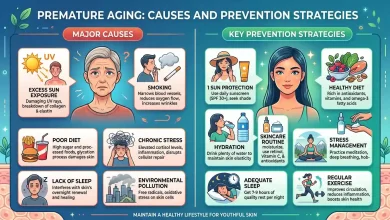
- Lifestyle Factors First: Experts consistently emphasize that the most powerful longevity interventions remain fundamental lifestyle choices: regular exercise, adequate sleep, a nutrient-rich diet, stress management, and maintaining metabolic health. Supplements should be viewed as complementary tools to an already healthy lifestyle, not as replacements for these foundational habits.
- Personalized Approach: Aging is highly individual, influenced by genetics, environment, and lifestyle. What works for one person may not work for another. A personalized approach, potentially guided by genetic testing, biomarker analysis, and professional medical advice, is ideal for determining which, if any, longevity supplements might be beneficial.
Conclusion
The field of longevity supplements is rapidly evolving, offering intriguing possibilities for supporting healthy aging by targeting the fundamental hallmarks and pathways of cellular decline. Compounds like NAD+ precursors (NMN, NR), sirtuin activators (resveratrol), mTOR inhibitors (rapamycin), senolytics (quercetin, fisetin), and potent antioxidants/anti-inflammatories (curcumin, alpha-lipoic acid) each present unique mechanisms that may contribute to a longer, healthier life. While preclinical research is often compelling, the translation to robust human clinical evidence is still ongoing for many of these compounds. It is essential to approach longevity supplementation with informed caution, prioritizing foundational lifestyle interventions, seeking guidance from healthcare professionals, and being mindful of product quality, potential side effects, and interactions. As science progresses, our understanding of these compounds and their optimal use will undoubtedly continue to deepen, moving us closer to truly supporting healthy and vibrant aging.