7 Common Causes of Premature Aging & Prevention Strategies
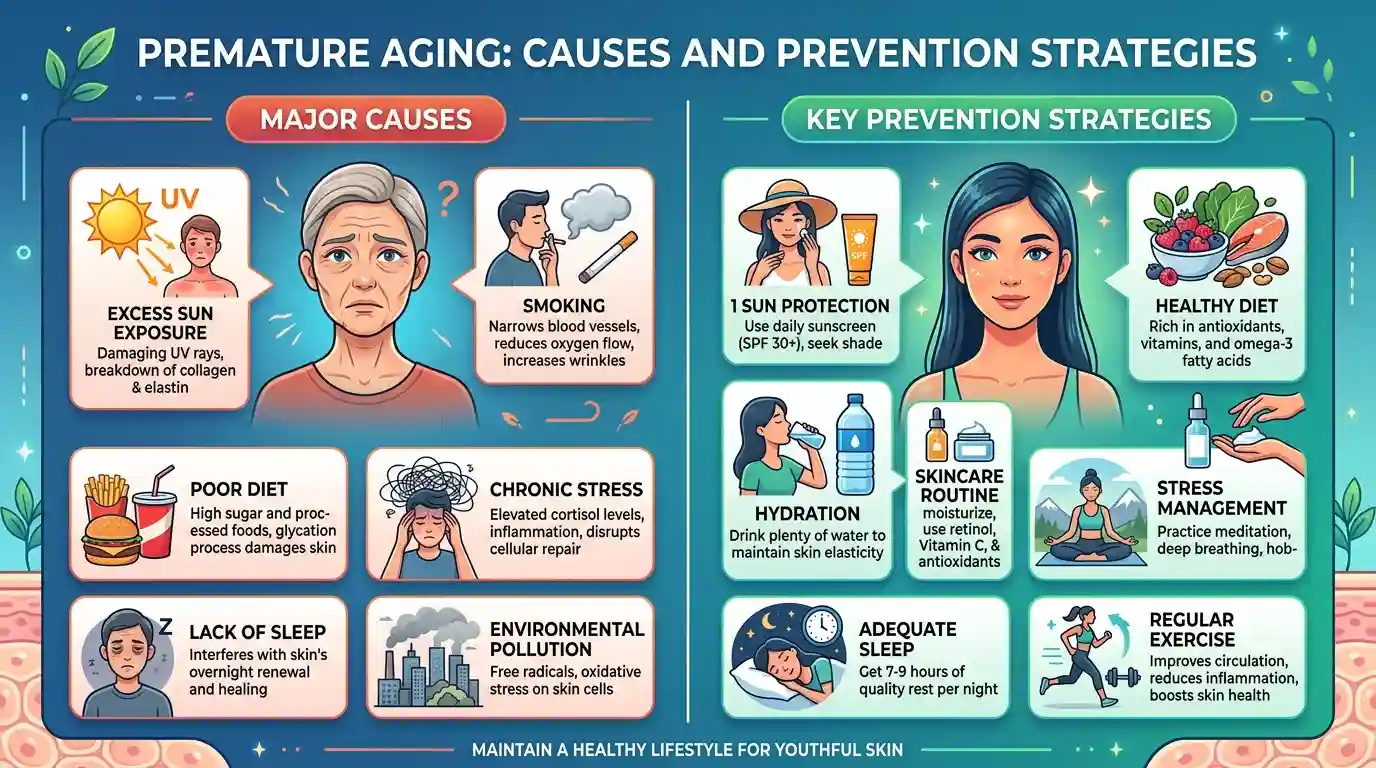
Table of Contents
Premature aging, the accelerated appearance of age-related changes earlier than typical for a person’s chronological age, is a growing concern for many individuals seeking to maintain youthful vitality. While natural aging is an inevitable biological process, premature aging often reflects underlying cellular damage influenced by a myriad of external and internal factors. It’s more than just a few early wrinkles; it encompasses a range of physical and sometimes cognitive changes that can impact overall health and well-being. Understanding the intricate causes behind this accelerated decline is the first step toward implementing effective prevention strategies and even reversing some of its visible and systemic effects. The good news is that much of premature aging is largely preventable, with significant control lying in our daily choices and lifestyle habits.
Understanding Premature Aging
Aging is a complex biological process that encompasses both chronological and biological aspects. Chronological age refers to the number of years a person has lived, whereas biological age reflects the actual physiological state of the body’s cells, tissues, and organs. Premature aging occurs when a person’s biological age significantly outpaces their chronological age, leading to the manifestation of age-related signs and conditions earlier in life than typically expected. These signs commonly appear in the skin, with wrinkles, age spots, dryness, and loss of skin tone being prominent indicators. However, premature aging can also extend beyond visible changes, affecting internal organs and increasing the risk of age-related diseases. Early indicators might include a decline in muscle strength, changes in hearing and vision, and slower mental processing. While some rare genetic syndromes can cause premature aging, the vast majority of cases are attributed to environmental and lifestyle factors. Recognizing these early signs is crucial for timely intervention and adopting a proactive approach to health.
Key Causes of Premature Aging
The factors contributing to premature aging are diverse, ranging from external environmental stressors to internal genetic predispositions and lifestyle choices. These elements often interact, creating a complex web that accelerates the aging process at a cellular level.
Environmental Factors
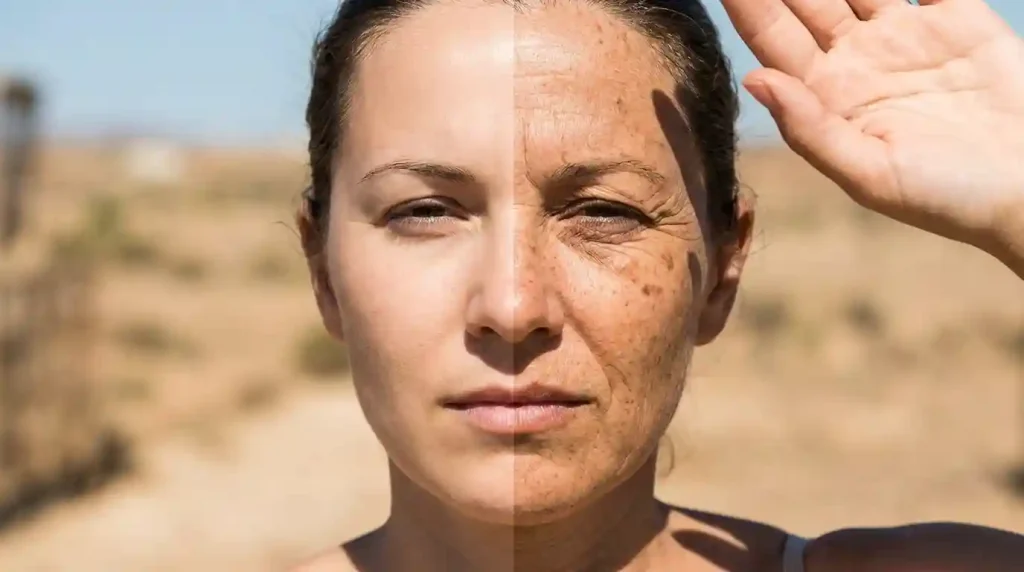
Environmental factors play a paramount role in extrinsic skin aging, accounting for a significant portion of visible changes. The primary culprit is exposure to light, particularly ultraviolet (UV) radiation from the sun. UV light damages skin cells, leading to photoaging, which manifests as wrinkles, sagging, uneven tone, and sun spots. In fact, UV damage breaks down collagen and elastin, the proteins vital for maintaining skin’s firmness and elasticity. Beyond UV, high-energy visible (HEV) light, also known as blue light from electronic devices, and infrared radiation also contribute to skin changes, affecting collagen and skin elasticity.
Air pollution is another significant environmental threat, especially in urban environments. Pollutants such as ozone, polycyclic aromatic hydrocarbons (PAHs), and particulate matter (PM) create oxidative stress, where harmful free radicals attack healthy skin cells. This oxidative stress weakens the skin barrier, increases inflammation, and speeds up visible aging, resulting in dullness, enlarged pores, and dehydrated skin. Studies show a direct link between airborne particulate matter exposure and the occurrence of pigment spots and wrinkles. Furthermore, simultaneous exposure to both UV and air pollutants can result in even greater synergistic damage. Climate and seasonal changes, including prolonged dryness, extreme temperatures, and cold wind, also impact skin health and accelerate aging by affecting moisture levels and overall resilience.
Lifestyle Choices
Our daily habits and choices profoundly influence how quickly our bodies and skin age. Several lifestyle factors are strongly linked to premature aging:
- Smoking: Smoking is a well-established accelerator of aging. The toxins in nicotine alter body cells, breaking down collagen and elastic fibers in the skin, leading to sagging, wrinkles, and a gaunt appearance. Quitting smoking can significantly slow down the aging process and improve overall health.
- Unhealthy Diet: Diets high in sugar, refined carbohydrates, and unhealthy fats can cause premature aging. Such diets are associated with the production of Advanced Glycation End Products (AGEs), which damage proteins like collagen and elastin. Conversely, diets rich in fruits, vegetables, and other whole foods provide antioxidants that combat oxidative stress and inflammation, crucial for preventing premature skin changes and supporting healthy aging.
- Alcohol Consumption: Excessive alcohol intake can dehydrate and damage the skin over time, contributing to premature aging signs. High alcohol consumption has also been associated with shorter telomere length, a key indicator of cellular aging.
- Poor Sleep: Adequate, high-quality sleep is essential for cellular repair and regeneration. Studies show that low quality or insufficient sleep (less than seven hours) makes cells age faster, impairs skin hydration and barrier function, and reduces collagen production. Lack of sleep can lead to fine lines, wrinkles, dullness, dark circles, puffiness, and even worsen existing skin conditions.
- Stress: Chronic stress elevates cortisol levels, a stress hormone that blocks hyaluronan synthase and collagen, both vital for plump, vibrant skin. Prolonged stress leads to accelerated cellular aging by causing mitochondrial dysfunction, increasing oxidative stress, DNA damage, and inflammation, and shortening telomeres. Managing stress through techniques like meditation or exercise is critical for healthy aging.
- Physical Inactivity: A sedentary lifestyle can speed up aging by contributing to muscle loss, decreasing cardiovascular health, and reducing mental functioning. Regular physical activity, even brisk walking, has positive effects on many important aging processes, improves circulation, boosts the immune system, and can significantly impact overall health and lifespan. You can learn more about the benefits of exercise for a youthful body in this article on fitness for longevity.
Genetic Predisposition and Medical Conditions
While environmental and lifestyle factors are primary drivers, genetics also play a role in how an individual ages. Genetic predisposition can influence how susceptible a person is to environmental damage and how efficiently their body repairs itself. Some rare genetic disorders, such as Bloom syndrome, Cockayne syndrome, Hutchinson-Gilford progeria syndrome, and Werner syndrome, cause severe forms of premature aging. Moreover, certain medical conditions and medications can also contribute to accelerated aging processes within the body, often by inducing inflammation or oxidative stress.
The Science Behind Premature Aging
At the cellular level, premature aging is characterized by several key biological mechanisms:
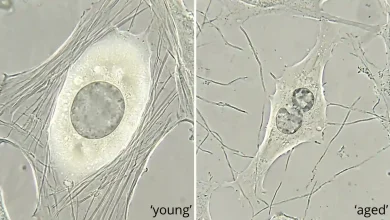
- Oxidative Stress: This occurs when there’s an imbalance between the production of reactive oxygen species (ROS), or free radicals, and the body’s ability to detoxify them. Environmental factors like UV radiation and pollution, as well as lifestyle choices such as an unhealthy diet, significantly increase ROS production. ROS cause damage to DNA, proteins, and lipids, contributing to cellular senescence (a state of irreversible growth arrest) and accelerating the aging process.
- Telomere Shortening: Telomeres are protective caps at the ends of chromosomes, vital for maintaining genomic stability. Each time a cell divides, telomeres shorten; when they reach a critical length, the cell often dies or becomes senescent. Chronic stress, oxidative stress, and certain lifestyle factors like high alcohol consumption have been consistently linked to accelerated telomere shortening, thereby hastening cellular aging.
- Chronic Inflammation: Often termed “inflammaging,” chronic low-grade inflammation is a significant feature of both stress and aging. Elevated cortisol due to chronic stress can suppress autophagy and impair mitochondrial function, leading to chronic inflammation. This sustained inflammation damages cells and tissues, contributing to age-related diseases and accelerating the overall aging process.
- Mitochondrial Dysfunction: Mitochondria are the powerhouses of our cells. Damage to mitochondria and their impaired function are strongly linked to accelerated aging, as they are a primary source of ROS generation. Stress hormones, alcohol exposure, and cellular stress can disrupt mitochondrial function, leading to the accumulation of damaged mitochondria and excessive ROS, which in turn induces cellular senescence.
- Epigenetic Alterations: Epigenetics refers to changes in gene expression that do not involve alterations to the underlying DNA sequence. Unhealthy lifestyle habits, environmental factors, and stress can reinforce epigenetic changes, resulting in early DNA damage and premature aging. These changes can be partly reversed through lifestyle interventions.
| Cause of Premature Aging | Primary Mechanism | Visible/Systemic Effects |
|---|---|---|
| UV Radiation (Sun Exposure) | DNA damage, collagen/elastin breakdown, oxidative stress | Wrinkles, sun spots, sagging skin, increased skin cancer risk |
| Air Pollution | Oxidative stress, inflammation, weakened skin barrier | Dullness, enlarged pores, dehydrated skin, pigment spots |
| Smoking | Toxin exposure, breakdown of collagen/elastin | Deep wrinkles, premature sagging, gaunt appearance |
| Unhealthy Diet | Advanced Glycation End Products (AGEs), oxidative stress, inflammation | Poor skin tone, accelerated cellular aging, increased disease risk |
| Chronic Stress | Elevated cortisol, telomere shortening, inflammation, mitochondrial dysfunction | Fine lines, dull skin, increased disease susceptibility, accelerated cellular aging |
| Poor Sleep | Disrupted cellular repair, reduced collagen production, impaired skin barrier | Dark circles, puffy eyes, dullness, dryness, fine lines |
| Excessive Alcohol | Dehydration, oxidative damage, telomere shortening | Dry skin, loss of elasticity, premature wrinkles |
| Physical Inactivity | Muscle loss, decreased cardiovascular health, reduced mental function | Reduced vitality, increased risk of chronic diseases, accelerated cellular aging |
Comprehensive Prevention Strategies
Preventing premature aging involves a holistic approach that combines external care with internal wellness. By addressing the key causes, individuals can significantly slow down the aging process and maintain a more youthful appearance and healthier body for longer.
Effective Skincare Regimen
A consistent and targeted skincare routine is fundamental in combating environmental damage and supporting skin health. U.S. dermatologists emphasize three core strategies:
- Sun Protection: Daily application of broad-spectrum sunscreen with at least SPF 30 is paramount, even on cloudy days. Protective clothing, hats, and sunglasses, along with seeking shade, further minimize UV-induced photoaging, which is the leading cause of premature wrinkles and hyperpigmentation. Avoiding tanning beds entirely is also crucial.
- Antioxidants: Incorporating skincare products with potent antioxidants helps neutralize free radicals generated by environmental stressors like UV radiation and pollution. Key antioxidants include Vitamin C, Vitamin E, and Ferulic Acid. Vitamin C, in particular, protects against photoaging, promotes collagen synthesis, and brightens dull skin.
- Retinoids: Derivatives of Vitamin A, such as retinol and adapalene, are considered gold-standard anti-aging ingredients. They stimulate collagen production, accelerate cell turnover, improve skin texture, and reduce fine lines and wrinkles.
- Hydration and Barrier Support: Moisturizers containing hyaluronic acid and ceramides attract water to the skin, restore the skin barrier, and prevent dryness that accentuates fine lines. Niacinamide (Vitamin B3) also plays a vital role in improving skin elasticity, evening tone, diminishing discoloration, and enhancing barrier function.
Dietary Interventions for Youthful Skin
Nutrition plays a massive impact on how fast you age, with a well-balanced diet being crucial for preventing premature aging.
- Antioxidant-Rich Foods: A diet abundant in fruits and vegetables provides essential antioxidants like vitamins A, C, and E, as well as carotenoids, flavonoids, and polyphenols. These compounds protect skin cells from oxidative damage, promote collagen synthesis, and improve skin appearance. Excellent sources include berries (blueberries, cranberries, blackberries), citrus fruits, dark leafy greens (kale, spinach), carrots, tomatoes, and dark chocolate.
- Healthy Fats: Omega-3 fatty acids, found in fatty fish like salmon and sardines, and mono- and polyunsaturated fats from sources like avocados and extra virgin olive oil, are inversely correlated with severe photoaging and support overall skin health.
- Hydration: Drinking plenty of water is essential for maintaining skin hydration and overall cellular function. Proper hydration helps the skin retain moisture and appear plumper.
- Avoid Processed Foods and Sugars: Diets high in sugar and refined carbohydrates are linked to accelerated skin aging and increased disease risk. Reducing intake of such foods can significantly benefit skin health. For more detailed nutritional guidance, consider exploring our guide to an anti-inflammatory diet.
Stress Management Techniques
Given the significant impact of chronic stress on cellular aging and telomere shortening, effective stress management is a cornerstone of prevention. Techniques such as meditation, mindfulness, yoga, deep breathing exercises, and spending time in nature have evidence-based effects on reducing stress biomarkers and lowering cortisol levels. Prioritizing mental well-being can directly translate into a more youthful biological age.
Prioritizing Sleep Hygiene
Consistent, high-quality sleep is crucial for the body’s repair and regeneration processes, including those in the skin. Adults typically need 7 to 9 hours of sleep per night. Improving sleep hygiene involves creating a regular sleep schedule, ensuring a dark and cool sleeping environment, avoiding caffeine and electronics before bed, and establishing a relaxing nighttime routine. Adequate sleep allows the skin to rebuild collagen, restore hydration, and combat daily environmental stressors, thereby reducing the appearance of wrinkles, dark circles, and dullness.
Regular Physical Activity
Regular exercise improves circulation, boosts the immune system, reduces inflammation, and positively impacts cellular aging processes. Physical activity helps maintain muscle strength and cardiovascular health, both of which decline with age. Even moderate activity, such as 30 minutes of brisk walking most days of the week, can significantly impact health and slow down aging. Exercise also helps manage stress and improve sleep, indirectly contributing to anti-aging efforts.
Avoiding Harmful Habits
Eliminating or significantly reducing harmful habits like smoking and excessive alcohol consumption is critical. Quitting smoking improves many aspects of health and helps slow the aging process. Reducing alcohol intake prevents skin dehydration and damage, and helps maintain telomere length.
Advanced Treatments and Future Prospects
Beyond lifestyle and topical skincare, advancements in medical aesthetics and regenerative medicine offer promising avenues for addressing and even reversing signs of premature aging. Non-invasive treatments like radiofrequency therapy, intense pulsed light (IPL) therapy, microneedling, and laser treatments stimulate collagen and elastin production, improve skin texture, reduce fine lines, and address pigmentation issues. For instance, radiofrequency therapy uses radio waves to stimulate collagen and elastin in deeper skin layers, leading to reduced fine lines and improved firmness. Microneedling, especially when combined with Platelet-Rich Plasma (PRP), creates micro-injuries that enhance the skin’s natural repair mechanisms, leading to firmer, smoother skin.
Looking to the future, research is continuously evolving. Emerging therapeutic interventions include advanced stem cell therapies, nanotechnology-based skincare, and regenerative medicine. Stem cell therapy, for example, is being explored to rejuvenate skin and address age-related issues by utilizing mesenchymal and adipose-derived stem cells. Nanotechnology allows active ingredients like retinoids and peptides to penetrate deeper into the skin for more effective results. Breakthroughs in senolytic therapy, which aims to remove aging (senescent) cells, and the use of NAD+ precursors are also showing promise in decelerating aging processes and treating age-related conditions. These innovations point towards a future of personalized, targeted treatments that aim to improve healthspan and lifespan significantly. For further reading on the scientific mechanisms of aging, explore this resource from Wikipedia on Aging.
Conclusion
Premature aging is a multifaceted phenomenon influenced by a complex interplay of environmental factors, lifestyle choices, and genetic predispositions. While chronological aging is inevitable, the rate at which our bodies age biologically is significantly within our control. The evidence strongly suggests that chronic exposure to UV radiation and pollution, coupled with unhealthy habits like smoking, poor diet, inadequate sleep, and chronic stress, can accelerate cellular damage, oxidative stress, inflammation, and telomere shortening, leading to visible and systemic signs of premature aging.
The good news is that a comprehensive approach to prevention and intervention can profoundly impact this trajectory. By embracing a diligent skincare regimen that prioritizes sun protection and includes scientifically backed ingredients like retinoids and antioxidants, alongside a nutrient-rich diet, effective stress management, optimal sleep, and regular physical activity, individuals can significantly mitigate the causes of premature aging. Advances in aesthetic treatments and regenerative medicine further offer promising avenues for reversing existing damage and extending youthful vitality. Ultimately, empowering ourselves with knowledge and making conscious daily choices are the most powerful tools in the fight against premature aging, allowing us to not only look younger but also feel healthier and more vibrant for years to come.