7 Stages of the Aging Process – From Cells to Physical Changes
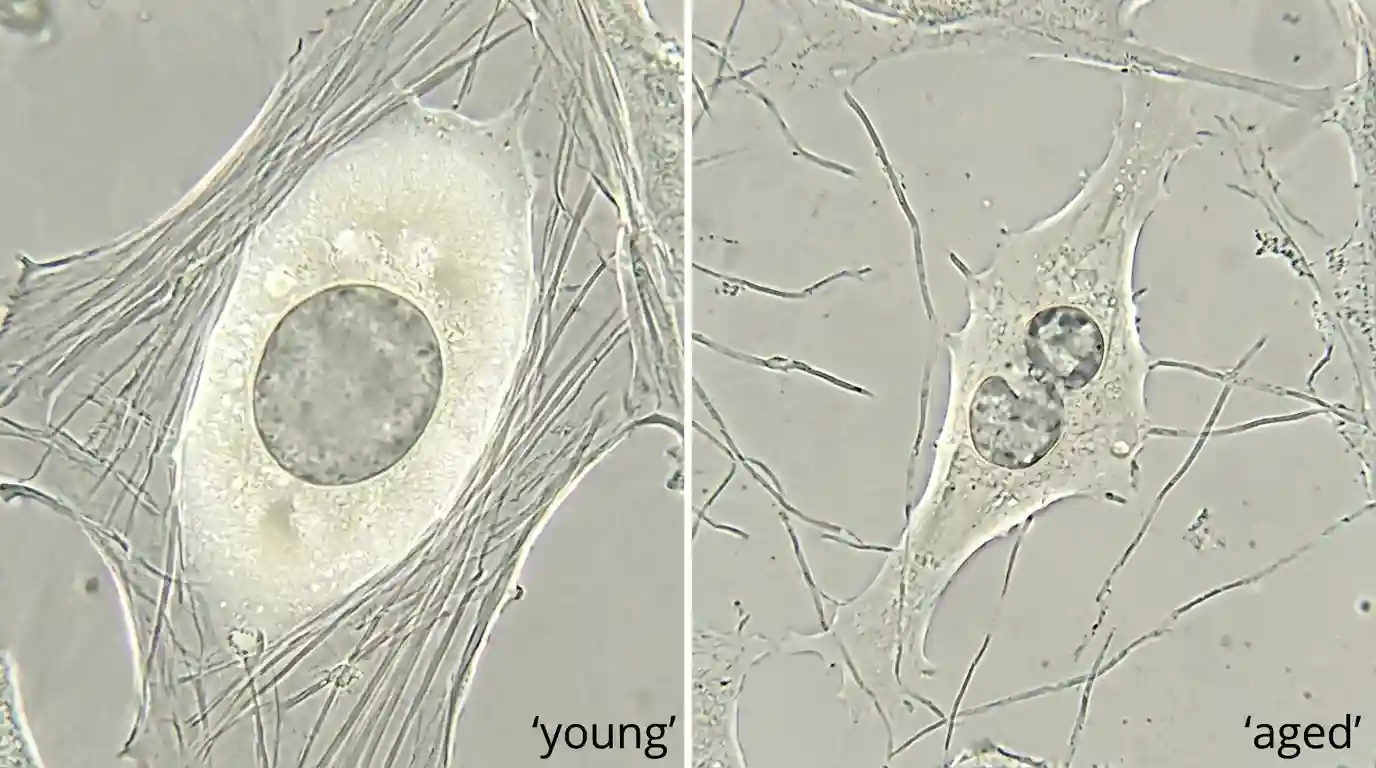
Table of Contents
Aging Process is an intricate and inevitable journey, a complex biological phenomenon characterized by the gradual decline of physiological functions across all levels of an organism, from the microscopic machinery within our cells to the visible transformations in our physical appearance. It is a universal experience, yet its underlying mechanisms are only now beginning to be fully unraveled by modern science. Understanding why and how we age is crucial not only for satisfying scientific curiosity but also for developing interventions that can promote a healthier and more active later life.
At its core, aging is not merely the passage of time but a cumulative outcome of interconnected cellular and molecular processes that lead to a progressive loss of function and an increased vulnerability to various diseases. While often associated with wrinkles and gray hair, these external signs are merely the tip of the iceberg, reflecting profound changes occurring deep within our biological systems.
The Cellular Hallmarks of Aging
The contemporary understanding of the aging process is heavily influenced by the concept of “hallmarks of aging,” which are fundamental mechanisms observed across different organisms that contribute to age-related decline. These hallmarks represent the primary drivers of cellular and biological aging, with damage accumulating over time and interfering with normal cellular function.
Telomere Attrition and Cellular Senescence
One of the most well-known cellular hallmarks of aging is telomere attrition. Telomeres are protective DNA sequences located at the ends of our chromosomes, acting like caps that prevent genetic information from deteriorating or fusing with neighboring chromosomes. They function as a biological clock, counting the number of times a cell has divided. Each time a cell replicates, a small portion of its telomere is lost. Once telomeres become critically short, the cell can no longer divide and enters a state called cellular senescence or undergoes programmed cell death (apoptosis). Senescent cells, though alive, function less effectively and can accumulate, contributing to inflammation and a range of age-related diseases.
The rate of telomere shortening can be influenced by various factors, including genetics, lifestyle choices such as diet, exercise, smoking, and obesity. Shorter telomeres have been associated with an increased incidence of diseases like coronary heart disease, heart failure, diabetes, and osteoporosis, as well as poorer overall survival.
Mitochondrial Dysfunction and Oxidative Stress
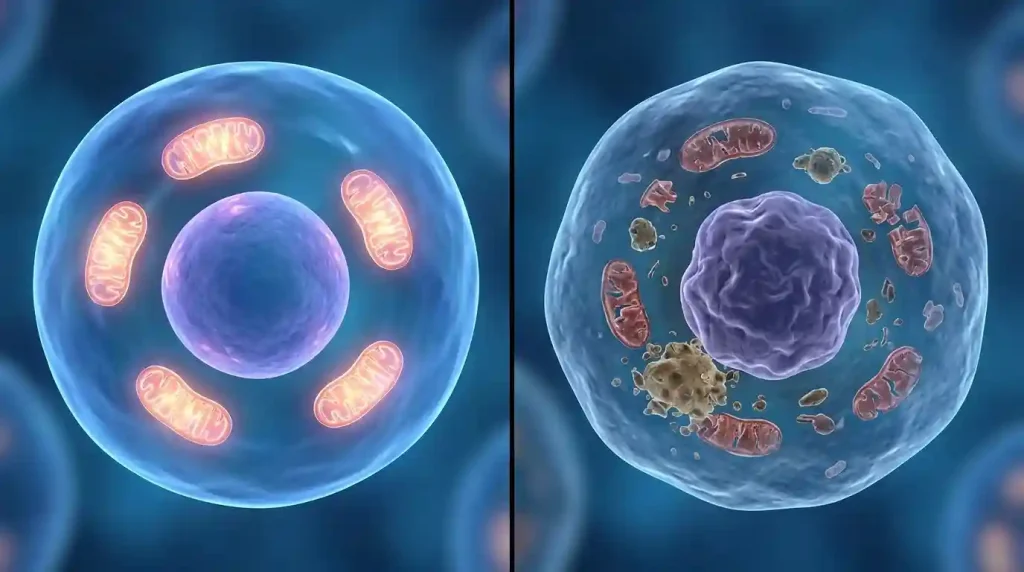
Mitochondria, often referred to as the “powerhouses of the cell,” are responsible for converting the food we eat into usable chemical energy (ATP). With age, mitochondria undergo significant changes that impair their ability to provide cellular energy and lead to the release of harmful reactive oxygen species (ROS). This mitochondrial dysfunction is considered a central driver of cellular senescence and aging. It involves decreased oxidative capacity, reduced ATP production, and an increase in ROS generation, coupled with diminished antioxidant defense. The accumulation of damaged mitochondrial DNA and oxidative stress contributes to cellular damage, muscle weakness, chronic inflammation (inflammaging), bone frailty, and immune suppression in old age.
Dysfunctional mitochondria can also contribute to aging independently of ROS, as seen in studies with mice deficient in DNA polymerase γ. Impaired mitochondrial function is linked to various age-related pathological conditions, including cancer, neurodegenerative diseases, and metabolic disorders.
Epigenetic Alterations and Gene Expression
Epigenetic alterations involve changes in gene expression without altering the underlying DNA sequence itself. These mechanisms, including DNA methylation, histone modifications, and non-coding RNA production, play a critical role in regulating cellular function and identity. As we age, the epigenome undergoes significant changes, leading to the dysregulation of gene expression. This dysregulation can impact a vast majority of nuclear processes, including gene transcription, DNA repair, and cell cycle progression. Epigenetic alterations are now recognized as a major factor in the pathophysiology of aging and age-related diseases like cancer, cardiovascular disease, diabetes, and neurodegenerative disorders.
These changes can be influenced by lifestyle, environment, and even the gut microbiome, highlighting a dynamic interplay between our internal and external worlds and the aging process. The reversibility of epigenetic changes offers hope for future therapeutic interventions to slow down aging.
Loss of Proteostasis
Proteostasis, or protein homeostasis, refers to the delicate balance cells maintain in synthesizing, folding, trafficking, and degrading proteins to ensure their proper function. As we age, the efficiency of this complex network declines, leading to the accumulation of damaged and misfolded proteins within and outside cells. These protein aggregates can hinder cellular function, leading to “proteotoxicity” and even cell demise. The collapse of proteostasis is a common feature of aging and is strongly implicated in neurodegenerative diseases such as Alzheimer’s, Parkinson’s, and Huntington’s diseases.
The accumulation of misfolded proteins also contributes to cellular dysfunction and tissue degeneration, and is linked to other hallmarks of aging like mitochondrial dysfunction, cellular senescence, and epigenetic alterations. Understanding this decline is vital, as interventions to restore proteostasis, through pharmacological agents, genetic modifications, and lifestyle changes, show promise in ameliorating age-related damage and extending healthy lifespan.
Tissue and Organ Systems in Decline
The cellular changes associated with aging cascade into noticeable alterations at the tissue and organ system level, affecting nearly every part of the body. These macroscopic changes contribute to the physical manifestations of aging and increased susceptibility to various health conditions.
Cardiovascular System Changes
The cardiovascular system undergoes significant structural and functional changes with age, beginning as early as age 20. Arteries and blood vessels tend to thicken and stiffen, becoming less elastic. This stiffening increases pulse wave velocity, systolic blood pressure, and left ventricular afterload, making the heart work harder to pump blood. Over time, this can lead to an increased risk of high blood pressure, atherosclerosis, heart failure, and stroke.
The heart itself also changes; its walls can thicken and stiffen, and heart valves may become less flexible. While the resting heart rate may remain similar, the heart’s ability to increase its rate during exercise decreases. These changes, while adaptive in some ways, increase the susceptibility to cardiovascular diseases, especially when compounded by comorbidities like hypertension, diabetes, and dyslipidemia.
Musculoskeletal System: Sarcopenia and Osteoporosis
The musculoskeletal system experiences a progressive decline with age, characterized by two major conditions: sarcopenia and osteoporosis. Sarcopenia is the age-related loss of muscle mass, strength, and physical performance, often beginning after age 30 and accelerating after 60. This loss of muscle mass (approximately 3-8% per decade) can lead to decreased mobility, difficulty performing daily activities, and a higher risk of falls and fractures.
Osteoporosis involves reduced bone mineral density, making bones brittle and more prone to fractures. Both conditions often occur simultaneously, a state referred to as “osteosarcopenia” or “sarcoporosis,” indicating an even higher risk of falls and mortality. Hormonal changes, such as reduced estrogen in postmenopausal women and lower testosterone in aging men, contribute significantly to both muscle and bone loss. Additionally, cellular dysfunction caused by aging favors catabolic processes, leading to the atrophy of the bone-muscle unit.
Nervous System and Cognitive Decline
Aging affects the nervous system, leading to changes in cognitive function, reflexes, and coordination. While severe memory loss and dementia are not normal parts of aging, a slight slowing of thought processes, occasional forgetfulness, and a weakening of attention span can occur. The brain experiences changes in structure and function, including potential decreases in DNA methylation, which may contribute to age-related decline in learning and memory.
Reduced reflexes and coordination, along with difficulties in balance (presbystasis), increase the risk of falls in older adults. These changes highlight the importance of challenging the mind and engaging in activities that support cognitive health throughout life.
| Cellular Hallmarks of Aging | Key Changes and Impact |
|---|---|
| Telomere Attrition | Protective chromosome caps shorten with each cell division, leading to cellular senescence or apoptosis. Contributes to age-related diseases and reduced lifespan. |
| Mitochondrial Dysfunction | Decline in energy production, increased reactive oxygen species (ROS), and impaired cellular metabolism. Drives cellular senescence, inflammation, and various age-related pathologies. |
| Epigenetic Alterations | Changes in gene expression without altering DNA sequence (e.g., DNA methylation, histone modifications). Leads to dysregulation of cellular functions, genomic instability, and increased disease risk. |
| Loss of Proteostasis | Impaired ability of cells to synthesize, fold, and degrade proteins, leading to accumulation of damaged/misfolded proteins. Contributes to neurodegenerative diseases and general cellular dysfunction. |
| Cellular Senescence | Cells stop dividing but remain metabolically active, secreting inflammatory factors. Accumulation contributes to tissue dysfunction, chronic inflammation, and age-related diseases. |
| Genomic Instability | Accumulation of DNA damage and mutations over time, increasing risk of cancer and cellular dysfunction. |
Visible Physical Manifestations of Aging
The internal biological processes of aging eventually manifest as observable changes in our external appearance and sensory capabilities, which are often the first signs of aging noticed by individuals.
Skin and Hair Changes
The skin, being the largest organ, shows some of the most visible signs of aging. It thins, becomes less elastic, and more fragile due to changes in connective tissue, collagen, and elastin fibers. This reduction in strength and elasticity leads to wrinkles, sagging, and an increased susceptibility to bruising and skin tears. The skin also becomes drier as sweat glands produce less sweat and the body makes less natural oils. Pigmented spots, often called “age spots” or “liver spots,” may appear in sun-exposed areas.
Hair changes are another prominent sign of aging. Graying is one of the clearest indications, caused by hair follicles producing less melanin pigment over time. This typically begins in the 30s, often starting at the temples. Hair thickness and density also decrease, leading to thinning hair and, for many men, male-pattern baldness. Hair strands become smaller, finer, and have less pigment. Hormonal shifts, such as those during menopause, can also significantly impact hair and skin.
Sensory Decline (Vision and Hearing)
Our sensory organs also experience age-related decline. Vision changes include slower adaptation to changes in light, reduced night vision, increased sensitivity to glare, and a greater frequency of conditions like glaucoma and cataracts. The eyes may also become drier.
Hearing loss, particularly of high frequencies, is a common part of aging. While often gradual, this can impact communication and quality of life. Other senses like taste and smell may also diminish, affecting the enjoyment of food and the ability to detect certain environmental cues. Touch sensation can also be reduced, leading to increased difficulty with fine motor skills.
Factors Influencing the Aging Process
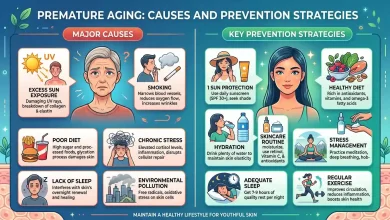
The rate and experience of aging are not uniform across individuals; they are influenced by a complex interplay of genetic, environmental, and lifestyle factors. While genetics predispose individuals to certain aging trajectories, external factors significantly modulate this process. Environmental damage from exposure to sun, loud noises, radiation, harmful chemicals, and air contamination can accelerate aging.
Lifestyle choices play a critical role. A sedentary lifestyle, poor nutrition, smoking, and chronic stress are all known to negatively impact cellular health and accelerate hallmarks of aging like telomere shortening and epigenetic alterations. Conversely, a healthy diet, regular physical activity, and adequate sleep can help mitigate some of these effects. Health conditions such as high cholesterol, high blood pressure, diabetes, and obesity also impact how individuals age and increase the risk of age-related diseases.
The gut microbiome has emerged as an important epigenetic modifier, influencing host gene expression through histone and DNA modifications, suggesting a complex bidirectional interaction that affects longevity. Further research into these interactions is crucial for a holistic understanding of aging. For more information on the intricate biology of aging, explore resources like Wikipedia’s entry on the Biology of Aging.
Strategies for Healthy Aging
Given the multifaceted nature of aging, strategies for promoting healthy aging are equally comprehensive, focusing on mitigating cellular damage and supporting physiological function. These strategies often involve a combination of lifestyle modifications and, increasingly, potential therapeutic interventions based on scientific understanding of the hallmarks of aging.
- Diet and Nutrition: Adopting a balanced, nutrient-rich diet, such as the Mediterranean diet, has been linked to longer telomeres and protection against many age-related diseases. Reducing saturated fat, cholesterol, and processed foods, while increasing intake of fruits, vegetables, whole grains, and healthy fats, can support cardiovascular health and metabolic function. Caloric restriction has also shown promise in delaying mitochondrial aging.
- Regular Physical Activity: Exercise is a powerful countermeasure against many aspects of aging. It helps maintain a healthy weight, improves cardiovascular health, preserves muscle mass and bone density (combating sarcopenia and osteoporosis), and enhances cognitive function. Regular physical training can delay mitochondrial aging and attenuate age-related phenotypes.
- Mental and Cognitive Engagement: Challenging the mind through continuous learning, puzzles, and social interaction can help maintain cognitive function and delay age-related cognitive decline.
- Stress Management: Chronic stress can negatively impact cellular processes, including epigenetic alterations. Practicing stress-reducing techniques like mindfulness, meditation, or yoga can contribute to overall well-being.
- Adequate Sleep: Sufficient and quality sleep is fundamental for cellular repair and regeneration, supporting overall health and mitigating the effects of aging.
- Avoiding Harmful Habits: Quitting smoking and limiting alcohol consumption are crucial for reducing accelerated cellular damage and the risk of numerous age-related diseases.
- Early Detection and Management of Health Conditions: Regularly monitoring vital signs, blood pressure, cholesterol, and blood sugar levels, and promptly managing conditions like hypertension, diabetes, and obesity, can significantly impact healthy aging.
Conclusion
The aging process is a fascinating and complex biological journey, orchestrated by a symphony of cellular and molecular changes that ultimately manifest as the physical transformations we associate with getting older. From the shortening of telomeres and the decline of mitochondrial function to alterations in gene expression and protein homeostasis, the hallmarks of aging paint a detailed picture of the microscopic battle against time. These cellular shifts collectively contribute to the deterioration of our tissues and organ systems, leading to a myriad of physical changes in our cardiovascular, musculoskeletal, and nervous systems, as well as the more visible signs in our skin, hair, and sensory capabilities. While some aspects of aging are inevitable, a growing body of scientific evidence underscores the profound impact of genetics, lifestyle, and environmental factors on our aging trajectory. By understanding these intricate mechanisms, we are better equipped to adopt proactive strategies that promote healthy aging, allowing us to not just live longer, but to live better, maintaining vitality and quality of life well into our later years.