7 Key Insights from Gerontology Studies – The Science of Aging Explained

Table of Contents
Gerontology Studies represent a vast and increasingly vital field dedicated to understanding the complex process of human aging. As global populations experience unprecedented demographic shifts towards an older demographic, the scientific exploration of aging—encompassing its biological, psychological, social, and cultural dimensions—has become more critical than ever before. This multidisciplinary approach allows researchers and practitioners to delve into the intricacies of growing older, seeking not only to extend lifespan but, more importantly, to enhance healthspan, ensuring that added years are lived with vitality, purpose, and dignity. Gerontology distinguishes itself from geriatrics, which is a medical specialty focused on the treatment of diseases in older adults, by taking a broader, holistic perspective on aging across the entire lifespan.
What is Gerontology? A Multidisciplinary Field
Gerontology is defined as the scientific study of the processes and problems of aging from all aspects: biological, psychological, sociological, clinical, legal, economic, and political. The term “gerontology” was coined in 1903 by Nobel laureate Élie Metchnikoff, signaling the formal inception of aging as a field of scientific inquiry. From ancient philosophical musings on the nature of old age to modern scientific investigations, humanity has long sought to comprehend the profound changes that accompany the passage of time. Early theories, such as Galen’s proposition in 200 AD that aging was caused by the gradual evaporation of bodily humors leading to dehydration, laid foundational, albeit rudimentary, groundwork.
However, it was not until the 20th century that gerontology truly began to emerge as a distinct and robust academic discipline. The formation of organizations like the Gerontological Society of America in 1939 and the establishment of university programs in gerontology in the 1970s marked significant milestones. Today, gerontology draws upon a wide array of disciplines, including biology, psychology, sociology, public health, nursing, medicine, and even fields like criminology, economics, and architecture. This interdisciplinary nature is crucial because aging is not a singular phenomenon but a complex interplay of various factors. Understanding how these factors interact is key to developing comprehensive strategies that support older adults and address the challenges and opportunities presented by an aging society.
The scope of gerontology extends beyond merely studying age-related decline; it actively seeks to identify interventions that promote healthy aging, prevent age-related diseases, and improve the overall quality of life for older individuals. This includes investigating the impact of an aging population on healthcare systems, the economy, and social structures, while also advocating for policies and programs that foster inclusive and supportive environments.
Exploring the Key Sub-disciplines of Gerontology
The vastness of gerontology necessitates its division into several specialized sub-fields, each offering a unique lens through which to examine the aging process. These sub-disciplines collaboratively contribute to a holistic understanding of aging.
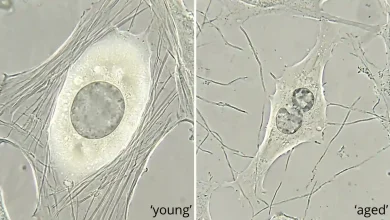
- Biogerontology: This sub-field focuses on the biological mechanisms of aging. Biogerontologists investigate why and how organisms age at molecular and cellular levels, studying age-related diseases, longevity, and potential interventions to slow aging processes. Research in this area explores cellular senescence, telomere attrition, oxidative stress, genetic influences, and mitochondrial dysfunction. The aim is often to prevent age-related disease by intervening in the aging process itself.
- Social Gerontology: Social gerontology examines how social factors influence aging and how aging affects society. This includes studying social roles, retirement, living arrangements, family dynamics, social support networks, and public policies affecting older adults. Social gerontologists often have backgrounds in sociology, social work, or public health, and they are crucial in educating, researching, and advancing the broader causes of older people. Theories within social gerontology, such as Activity Theory and Disengagement Theory, offer diverse perspectives on how older individuals interact with their communities and adapt to evolving roles.
- Psychological Gerontology (Geropsychology): This area focuses on the psychological aspects of aging, including changes in cognitive functions like memory, intelligence, and wisdom, as well as emotional well-being and psychological adaptation to the challenges of aging. Psychologists in this field study mental health issues prevalent in older adults, such as depression and anxiety, and work on developing interventions to support cognitive health and foster a sense of purpose. Studies have shown a strong link between psychological factors like happiness, loneliness, and subjective age with biological aging rates and overall health.
- Environmental Gerontology: This specialization seeks to understand and optimize the relationship between aging persons and their physical and social environments. It involves designing living spaces and communities that accommodate the changing needs and capabilities of older adults, particularly those with conditions like Alzheimer’s disease, to facilitate a sense of place and independence.
- Financial Gerontology: This sub-field examines the economic aspects of aging, including retirement planning, pensions, healthcare costs, and economic security for older adults.
Biological Theories of Aging: Unraveling the Mechanisms
The quest to understand why and how our bodies age at a fundamental level has led to the development of numerous biological theories. While no single theory fully explains the entire phenomenon, they generally fall into two main categories: programmed theories and damage or error theories.
Programmed Theories: These theories suggest that aging follows a biological timetable, much like growth and development, regulated by changes in gene expression that influence maintenance, repair, and defense responses.
- Programmed Longevity: This theory posits that aging is the result of a sequential switching on and off of specific genes, with senescence (the process of deterioration with age) occurring when age-associated deficits manifest.
- Endocrine Theory: Biological clocks are believed to act through hormones to control the pace of aging. Research confirms that aging is hormonally regulated, with pathways like the insulin/IGF-1 signaling (IIS) pathway playing a key role.
- Immunological Theory: This theory suggests that the immune system is programmed to decline over time, increasing vulnerability to infectious diseases and contributing to aging and eventual death.
Damage or Error Theories: These theories emphasize environmental assaults and cumulative damage to living organisms at various levels as the primary cause of aging.
- Free Radical Theory: First introduced in 1954, this theory suggests that aging results from damage caused by reactive molecules known as free radicals, which can lead to cellular dysfunction and death over time. This oxidative stress contributes to various age-related deteriorations.
- Cross-linking Theory: Proposed in 1942, this theory posits that an accumulation of cross-linked proteins damages cells and tissues, slowing down bodily processes and leading to aging.
- DNA Damage and Repair Theories: This group of theories suggests that aging results from an accumulation of errors in an organism’s genetic code over its lifespan, leading to genetic instability and disruption of cellular expression. Damage to mitochondrial DNA, in particular, can lead to mitochondrial dysfunction, further contributing to aging.
- Wear and Tear Theory: An older, classical theory that proposes aging results from the gradual deterioration of cells and tissues due to constant use, exposure to environmental toxins, radiation, and other external factors over time.
Understanding these biological theories is crucial for developing interventions that target the root causes of aging rather than just its symptoms. Recent breakthroughs in cellular biology, genetics, and molecular medicine are allowing researchers to attack these mechanisms, moving beyond managing symptoms to potentially slowing or partially reversing the biological clock.
| Category of Aging Theory | Primary Mechanism | Examples of Biological Changes |
|---|---|---|
| Programmed Theories | Aging is pre-determined by a biological timetable encoded in our genes. | Gene expression changes, hormonal regulation decline, immune system weakening. |
| Damage or Error Theories | Aging is caused by cumulative damage to cells and tissues over time. | Oxidative stress from free radicals, protein cross-linking, DNA mutations and damage, cellular senescence. |
| Cellular Senescence | Cells lose the ability to divide and function, accumulating in tissues. | Inflammation, tissue degradation, age-related diseases. |
| Telomere Attrition | Shortening of protective caps at the ends of chromosomes with each cell division. | Genomic instability, cellular dysfunction, increased risk of chronic diseases. |
| Mitochondrial Dysfunction | Decline in the efficiency of cellular “powerhouses” leading to energy deficits. | Increased oxidative stress, impaired cellular function, accelerated aging. |
Socio-Psychological Dimensions of Aging
Beyond the biological imperatives, aging is profoundly shaped by social and psychological factors. These dimensions influence an individual’s experience of later life, their mental well-being, and their interaction with the wider community.
Social Aspects of Aging: Society’s attitudes, structures, and policies significantly impact older adults. Social gerontology explores theories such as Activity Theory, which posits that maintaining social engagement and activity leads to greater life satisfaction and cognitive health in later years. Conversely, Disengagement Theory suggested a mutual withdrawal between older adults and society, though this perspective has largely been superseded by Activity Theory.
Key social aspects include:
- Social Networks and Relationships: Strong, supportive relationships with family and friends are crucial for mental and physical health, influencing health behaviors and mortality risk. Research indicates that older adults with robust social connections may age more slowly at a molecular level. Social interaction provides psychological support, reducing loneliness, isolation, and depression.
- Ageism and Discrimination: Modernization Theory highlights how industrialization has sometimes led to decreased status for older individuals and increased ageism. Gerontology actively addresses the issue of ageism and discrimination, discussing its impact on the quality of life and opportunities for older individuals.
- Role Changes and Life Transitions: Retirement, widowhood, and changes in family structure are significant life events that require adaptation. Social gerontologists study how individuals navigate these transitions and how societies can support them.
- Intergenerational Relationships: Promoting understanding and support between different age groups is a vital area of focus, recognizing the value older adults bring as caregivers, mentors, and contributors to society.
Psychological Aspects of Aging: Psychological aging encompasses cognitive function, emotional health, and overall well-being. While some cognitive abilities may decline with age, such as certain types of memory, others, like wisdom, may improve. Moreover, research indicates that continued mental stimulation and activity can help maintain alertness in older adults.
Important psychological considerations include:
- Cognitive Function: Understanding how memory, attention, and problem-solving abilities change with age is critical. Psychologists research conditions like dementia and Alzheimer’s disease, developing therapies and strategies to support cognitive health.
- Mental Health: Older adults can experience mental health challenges such as depression and anxiety, often linked to stressors like health decline, loss of loved ones, or social isolation. Psychologists work to provide interventions and support, emphasizing the importance of integrated mental and physical healthcare.
- Subjective Age and Well-being: Studies show that a lower subjective age (feeling younger than one’s chronological age) is associated with better mental and physical health, cognitive functions, and life satisfaction. Psychological factors, including emotions and feelings of happiness or loneliness, have a measurable impact on biological aging.
- Adaptation and Resilience: Most older adults successfully adapt to the stressors of late life. Psychologists study the factors contributing to this resilience and develop strategies to help individuals cope with transitions and maintain a sense of purpose.
Geriatric Medicine: Addressing Health Challenges in Later Life
While gerontology provides a broad understanding of aging, geriatric medicine is the specialized branch of medicine dedicated to the healthcare of older adults. Geriatricians are physicians board-certified in internal or family medicine with additional specialized training in geriatrics, focusing on the unique health needs and complexities that arise with advanced age.
Older adults often face a distinct set of health challenges:
- Chronic Diseases: Conditions such as heart disease, diabetes, hypertension, and osteoporosis are more prevalent in older populations. Geriatricians are adept at managing multiple chronic conditions simultaneously.
- Polypharmacy: Older patients often take multiple medications for various conditions, increasing the risk of adverse drug interactions and side effects. Geriatricians specialize in medication management to optimize treatment and minimize harm.
- Functional Decline: Age can bring about declines in physical function, mobility, balance, and an increased risk of falls. Geriatric care emphasizes preventative measures and rehabilitation to maintain independence.
- Cognitive Impairment: Dementia, delirium, and other forms of cognitive decline are common concerns. Geriatricians diagnose and manage these conditions, often collaborating with psychologists and other specialists.
- Atypical Disease Presentation: Illnesses may present differently in older adults, making diagnosis challenging. Geriatricians are trained to recognize these subtle signs.
- Preventative Care: Beyond treating existing conditions, geriatric medicine focuses heavily on preventative health measures, including vaccinations, screenings, healthy lifestyle choices, and fall prevention strategies.
The role of a geriatrician extends to patient education, helping older adults and their families understand how to stay healthy and live well through successful aging strategies. They also play a crucial role in coordinating care, especially when patients transition between different healthcare settings or require long-term care services. With the global population aging rapidly, the demand for geriatric specialists is continuously growing, underscoring the critical need for this specialized field to ensure high-quality, patient-centered care for older adults.
Interventions, Preventative Strategies, and Future Directions
The insights gained from gerontology studies are directly translated into interventions and preventative strategies aimed at improving the lives of older adults. The field is dynamic, with ongoing research pushing the boundaries of what is possible in extending healthy aging.
Current Interventions and Strategies:
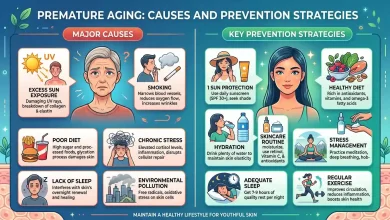
- Lifestyle Modifications: Promoting healthy behaviors such as proper nutrition, regular exercise, adequate sleep, and avoiding smoking and excessive alcohol consumption has a profound impact on health across the lifespan and can significantly prevent disease and disability in older adults.
- Preventative Healthcare: Regular screenings, immunizations, and early identification and management of chronic conditions are cornerstones of healthy aging.
- Cognitive Training and Mental Stimulation: Engaging in mentally stimulating activities can help preserve cognitive function and potentially mitigate age-related cognitive decline.
- Social Engagement: Encouraging strong social connections and participation in community activities can reduce loneliness, improve mental health, and even slow biological aging.
- Age-Friendly Environments: Designing living spaces and urban environments that are accessible and supportive of older adults’ needs promotes independence and quality of life.
Cutting-Edge Research and Future Directions:
The future of gerontology is incredibly promising, driven by breakthroughs in several areas:
- Geroscience and Anti-Aging Therapies: Researchers are increasingly focusing on geroscience, which aims to target the fundamental biological mechanisms of aging to prevent or delay age-related diseases.
- Senolytics: These are drugs designed to selectively remove senescent cells (cells that have stopped dividing and contribute to inflammation and tissue degradation), showing promise in rejuvenating tissues and potentially extending healthy lifespans.
- NAD+ Precursors: Compounds like NAD+ precursors are being studied for their potential to boost cellular metabolism and repair mechanisms, which decline with age.
- mTOR Inhibitors: Drugs like rapamycin have shown remarkable age-related effects in animal studies, including delaying Alzheimer’s onset, preserving heart function, and preventing certain cancers.
- Genetic Therapies and Gene Editing: Advanced gene-editing technologies like CRISPR are exploring ways to modify genetic pathways associated with longevity and cellular health.
- Stem Cell Therapy and Regenerative Medicine: Scientists are investigating how regenerative medicine can repair and rejuvenate damaged tissues by replacing aging or damaged cells with younger, more vibrant ones.
- Artificial Intelligence (AI) and Machine Learning: AI is revolutionizing aging research by improving the prediction of chronic conditions, personalizing care plans, and accelerating the development of new anti-aging treatments. AI can forecast cognitive decline and dementia years before symptoms appear.
- Wearable Technology and Smart Homes: These technologies are enhancing independent living for seniors by providing fall sensors, motion-activated lighting, and AI assistants to support safety and well-being at home.
- Personalized Medicine: The integration of genetic testing and aging biomarkers is leading to highly personalized preventative and therapeutic strategies tailored to individual aging profiles.
The demand for gerontology professionals is growing rapidly across various sectors, from healthcare and social services to research and policy-making. As life expectancy continues to increase, the focus remains on not just living longer, but living healthier, more fulfilling, and independent lives, making the ongoing advancements in gerontology crucial for society’s future.
For more comprehensive insights into the field of gerontology and its diverse aspects, consult reputable academic resources such as Wikipedia’s article on Gerontology.
Conclusion: The Enduring Importance of Gerontology
Gerontology Studies encompass an expansive and continuously evolving scientific endeavor to understand the multifaceted phenomenon of human aging. From probing the intricate biological mechanisms that dictate cellular senescence and genetic predispositions to exploring the profound psychological shifts and critical social dynamics that shape the later years of life, gerontology offers a comprehensive lens through which to view one of humanity’s most universal experiences.
The distinction between gerontology, the broad scientific study of aging, and geriatrics, the medical care of older adults, highlights the interdisciplinary nature of the field. Gerontologists, whether biogerontologists, social gerontologists, or psychological gerontologists, collaborate to unravel the complexities of aging, aiming to not only extend human lifespan but, more importantly, to enhance healthspan – the period of life spent in good health and free from debilitating disease.
As global populations continue to age at an unprecedented rate, the insights provided by gerontology become increasingly indispensable. The field’s commitment to developing evidence-based interventions, from lifestyle modifications and preventative healthcare to cutting-edge geroscience breakthroughs like senolytics and gene therapies, offers immense promise for improving the quality of life for older adults worldwide. By fostering age-friendly environments, promoting social engagement, and addressing issues like ageism, gerontology plays a pivotal role in shaping a future where aging is viewed not merely as a decline, but as a dynamic and valued stage of human development, rich with potential for continued growth, contribution, and well-being.