7 Senior Wellness Tips for a Longer, More Active Life
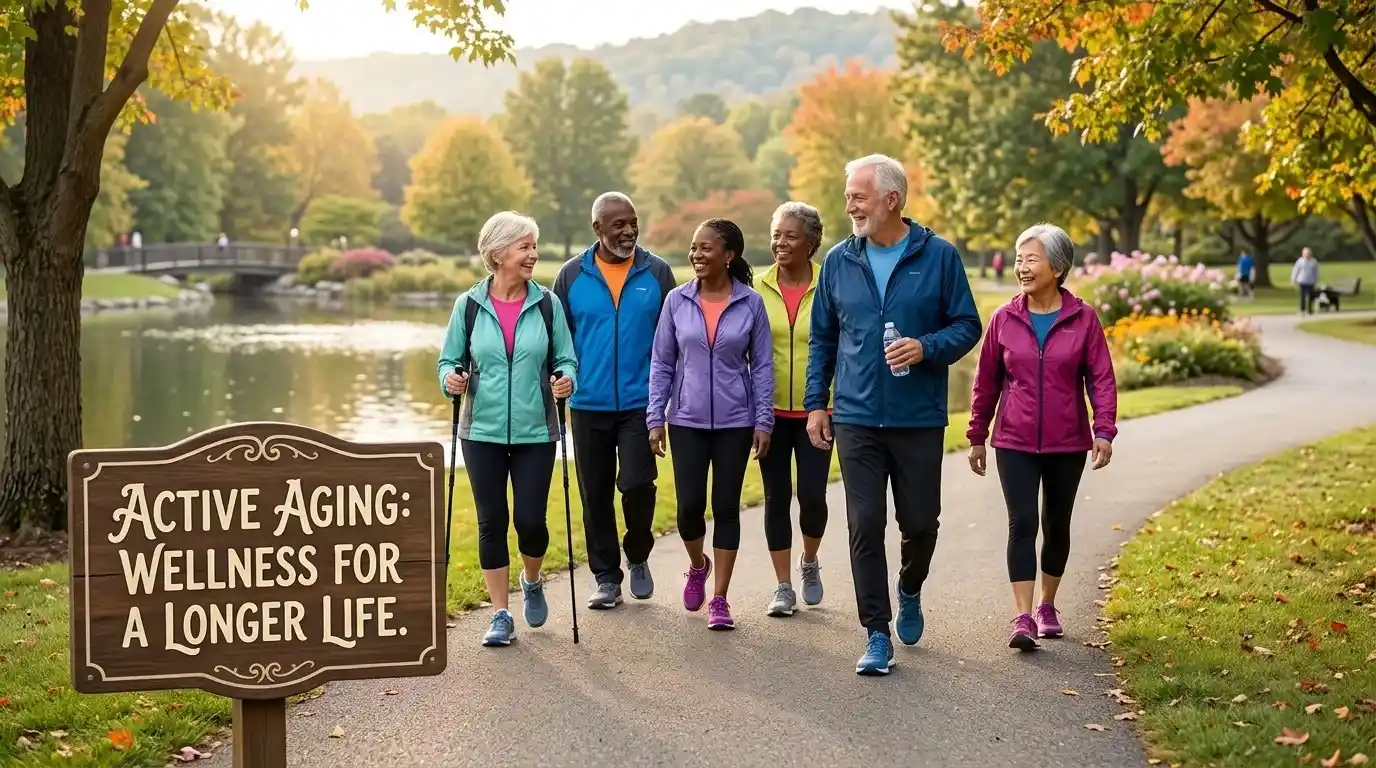
Table of Contents
Senior age wellness is a critical component of enjoying a longer, more active, and fulfilling life. As individuals gracefully navigate their golden years, prioritizing physical, mental, and social well-being becomes paramount. The choices made regarding lifestyle, diet, and healthcare can significantly impact one’s ability to maintain independence, vitality, and a high quality of life. This comprehensive guide will explore various wellness tips tailored for seniors, emphasizing actionable strategies to promote active aging.
The Foundation of Longevity: Why Wellness Matters as We Age
As we age, our bodies and minds undergo natural changes, but these changes do not inherently dictate a decline in quality of life. Instead, adopting a proactive approach to wellness can mitigate many age-related challenges and even prevent certain diseases. Engaging in regular physical activity, maintaining a balanced diet, fostering social connections, and prioritizing mental health are all interconnected pillars that support overall well-being in later life. Studies show that maintaining regular physical activity can prevent common diseases like heart disease and diabetes, improve mental health, reduce fall risks, strengthen social ties, and enhance cognitive function. An active lifestyle can also strengthen bones, reduce the risk of osteoporosis and fractures, improve energy levels, and lessen anxiety and depression.
The journey towards healthy aging isn’t about halting the aging process, but rather about optimizing one’s health to live each year with purpose and vigor. This involves understanding the unique needs of the senior body and mind and adapting habits accordingly. Even small, consistent efforts can yield significant benefits, improving physical function and decreasing the risk of falls and injury. It’s never too late to start exercising, and even a small increase in activity can bring benefits.
Nourishing the Body: Essential Dietary Strategies
A well-balanced, nutrient-rich diet is fundamental to senior wellness. As metabolism naturally slows with age, seniors may require fewer calories but a higher density of nutrients to support their health. Focusing on nutrient-dense foods can combat challenges like muscle mass decrease and changes in metabolism, reducing the risk of chronic diseases.
- Embrace Whole Foods: Prioritize fruits, vegetables, whole grains, and lean proteins. These foods provide essential vitamins, minerals, fiber, and antioxidants crucial for immune function, energy levels, and brain health. Aim for a colorful plate to ensure a wide range of nutrients. For example, dark, leafy greens like kale and spinach, along with yellow and orange vegetables such as yams and carrots, are excellent choices.
- Lean Proteins for Muscle Maintenance: Protein is vital for building and repairing muscle, which is essential to counteract sarcopenia (age-related muscle loss). Include lean meats, fish (like wild-caught salmon), eggs, legumes (chickpeas, black beans, lentils), nuts, and seeds in your diet.
- Fiber-Rich Foods: Many seniors struggle with constipation, which can be mitigated by a diet rich in fiber. Incorporate foods like lentils, leafy greens, and whole grains. Fiber also aids in digestive health and maintaining healthy blood sugar levels.
- Healthy Fats: Include healthy fats from sources like olive oil, nuts, seeds, and avocados. These contribute to cardiovascular health and can protect brain health.
- Hydration is Key: Older adults are at a higher risk of dehydration. Drinking plenty of water throughout the day is crucial for digestion, nutrient absorption, and overall bodily function.
- Consider the Mediterranean Diet: Often touted as one of the healthiest diets, the Mediterranean diet emphasizes fruits, vegetables, whole grains, legumes, nuts, seeds, and olive oil, with moderate amounts of fish, poultry, and dairy. It has been linked to a reduced risk of heart disease, improved brain health, prevention of type 2 diabetes, and increased longevity. This diet can lower LDL (“bad”) cholesterol, reduce inflammation, and support healthy blood pressure.
Staying Active: The Power of Regular Exercise
Physical activity is indispensable for maintaining independence and a high quality of life in senior age. The benefits extend from physical strength to mental well-being and disease prevention.
The U.S. Department of Health and Human Services recommends that most older adults engage in at least 150 minutes of moderate-intensity aerobic activity, 75 minutes of vigorous-intensity aerobic activity, or an equivalent combination per week. Additionally, muscle-strengthening activities involving all major muscle groups should be performed at least two days a week. Balance exercises are also crucial, especially for those with poor mobility, on three or more days per week to prevent falls.
Here are types of exercises to consider:
- Aerobic and Endurance Activities: Brisk walking, swimming, cycling, dancing, or water aerobics can strengthen the heart, improve circulation, and regulate blood pressure. Even light activities like walking can be powerful for disease management.
- Strength Training: Using resistance bands, light weights, or even bodyweight exercises (like squats or lunges) helps maintain muscle mass and bone density, crucial for preventing bone loss and reducing the risk of osteoporosis and fractures.
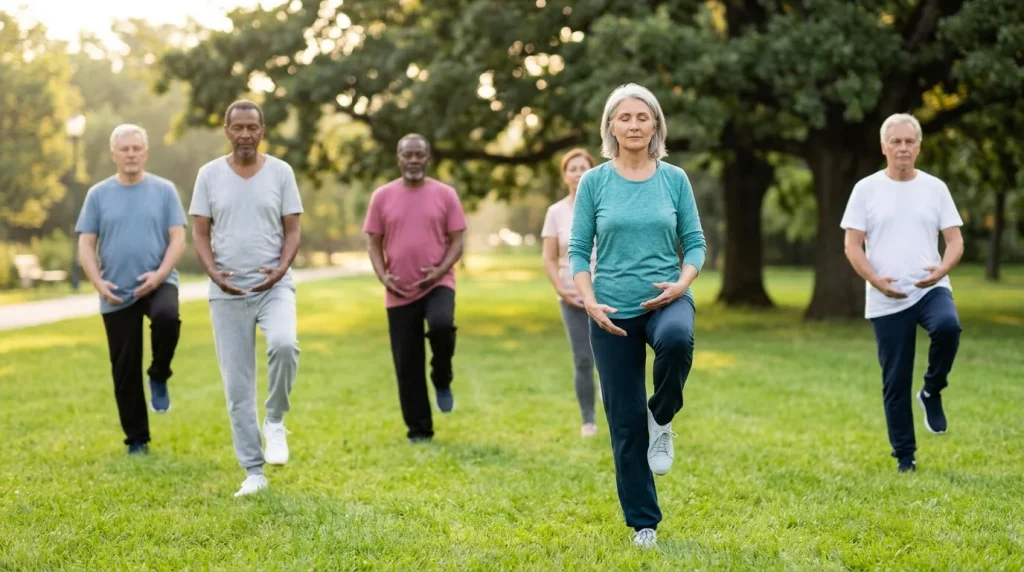
- Flexibility and Balance Exercises: Yoga and Tai Chi are excellent for improving balance, flexibility, coordination, and reducing the risk of falls. Simple home exercises like heel-to-toe walking or standing on one foot can also be beneficial. Balance exercises should be performed at least three days a week.
It’s important to start slowly and gradually increase the duration, frequency, and intensity of activities to reduce injury risk and build confidence. If you have a heart condition, arthritis, or diabetes, consult your doctor before starting a new exercise regimen.
Mental Acuity: Keeping the Brain Sharp
Maintaining cognitive function is as important as physical health. Mental stimulation can help keep memory sharp and may even delay the onset of cognitive decline.
- Lifelong Learning: Engage in activities that challenge your brain, such as reading, solving puzzles (crosswords, Sudoku), learning a new language, or acquiring a new skill or hobby.
- Social Interaction: Participating in social activities and maintaining connections with friends and family stimulates the brain and supports cognitive health, potentially delaying the onset of dementia and Alzheimer’s disease. Socializing strengthens neural networks in the brain, contributing to memory retention.
- Mindfulness and Stress Reduction: Practices like meditation can help manage stress and anxiety, which can negatively impact cognitive function.
- Healthy Diet: A nutritious diet, particularly one rich in fruits, vegetables, nuts, and fish, is essential for a healthy brain and can decrease the risk of developing Alzheimer’s disease while improving focus. The Mediterranean diet, with its antioxidants and omega-3 fatty acids, supports brain health and may prevent cognitive decline.
Social Connection: Combating Isolation
Social isolation can have a significant negative impact on both mental and physical health in older adults. Maintaining strong social ties is crucial for overall well-being and can even lead to a longer, more fulfilling life. Regular social interactions reduce the risk of depression, anxiety, heart disease (by lowering blood pressure and cholesterol), and can improve immune function.
| Aspect of Wellness | Benefit of Social Connection | Actionable Tip for Seniors |
|---|---|---|
| Mental Health | Reduces risk of depression and anxiety; improves emotional state. | Join clubs or groups based on interests (book clubs, gardening groups). |
| Cognitive Function | Helps maintain mental sharpness and memory; potentially delays dementia. | Engage in group activities that stimulate the brain, like games or discussion groups. |
| Physical Health | Lowers blood pressure and cholesterol; improves immune function; reduces risk of heart disease. | Participate in group exercise classes (walking groups, aqua aerobics). |
| Overall Well-being & Longevity | Provides a sense of belonging and purpose; leads to a more fulfilling life. | Volunteer in the community; schedule regular visits with family and friends. |
Tips for fostering social connections:
- Join Groups and Clubs: Look for local senior centers, community organizations, or online groups that cater to your interests, whether it’s a book club, gardening group, or fitness class.
- Volunteer: Giving back to the community can provide a strong sense of purpose and create new social opportunities.
- Stay Connected with Loved Ones: Regularly call, video chat, or visit family and friends. Even short, frequent interactions can significantly boost mood and a sense of belonging.
- Consider Group Physical Activities: Exercise classes or walking groups combine physical activity with social engagement, offering a double benefit.
Quality Sleep: The Unsung Hero of Health
Despite common misconceptions, sleep needs do not decrease with age, but sleep quality often does. Adequate sleep is vital for physical health, cognitive function, and emotional well-being in seniors. Poor sleep is linked to a higher risk of memory decline, depression, falls, and chronic diseases.
Strategies for improving sleep hygiene:
- Maintain a Consistent Sleep Schedule: Go to bed and wake up at the same time every day, including weekends. This helps regulate your body’s internal clock.
- Create a Sleep-Friendly Environment: Ensure your bedroom is dark, quiet, and cool (between 60-70 degrees Fahrenheit). Use blackout curtains, earplugs, or a white noise machine if necessary. Reserve your bed primarily for sleep and intimacy, avoiding activities like working or watching TV in bed.
- Limit Naps: If you must nap, keep it short (20-30 minutes) and avoid napping too late in the afternoon, as it can interfere with nighttime sleep.
- Be Mindful of Diet and Drink: Avoid caffeine after early afternoon and limit alcohol consumption, especially close to bedtime, as both can disrupt sleep cycles. Eat dinner at least 2-3 hours before bedtime and opt for light evening snacks if needed.
- Establish a Calming Bedtime Routine: Wind down before bed with relaxing activities like reading a book, taking a warm bath, listening to soothing music, or practicing meditation or deep breathing exercises. Avoid screens (TV, smartphones, computers) at least an hour before bed, as the blue light can disrupt melatonin production.
- Regular Physical Activity: Exercise can improve sleep quality and help you fall asleep faster, but avoid vigorous exercise close to bedtime.
- Review Medications: Some medications can interfere with sleep. Discuss any sleep concerns or changes in sleep patterns with your healthcare provider, who can review your medications and health conditions.
Proactive Healthcare: Regular Check-ups and Screenings
Preventive care becomes even more critical as we age, as many conditions develop slowly with subtle symptoms. Regular medical check-ups and screenings are vital for early detection and management of potential health issues, allowing seniors to maintain a higher quality of life and independence.
Key screenings and check-ups include:
- Annual Physical Exam: A yearly check-up with a primary care provider is essential to monitor overall health and discuss any concerns.
- Blood Pressure Checks: High blood pressure (hypertension) is common in older adults and often has no symptoms. Regular monitoring helps reduce the risk of stroke, heart attack, and kidney disease. Annual screenings are recommended for people over 65, or more frequently if hypertension is already present.
- Cholesterol Checks: High cholesterol increases the risk of heart disease and stroke. A lipid panel (blood test) should be performed to measure cholesterol levels. Annual screenings are recommended for people over 65.
- Diabetes Screening: Regular fasting blood sugar tests are recommended to screen for diabetes, as many people with prediabetes or early diabetes are unaware of their condition.
- Cancer Screenings: Depending on individual risk factors and age, screenings for colorectal cancer, breast cancer (mammograms), prostate cancer (for men), and skin cancer are important. For example, colorectal cancer screening is recommended up to age 75.
- Vision and Hearing Tests: Regular eye exams (every 2 years for glaucoma screening) and annual hearing tests are important. Vision and hearing impairments can impact balance, mobility, and social engagement, increasing the risk of falls.
- Fall Risk Assessment: An annual fall risk assessment is crucial, involving a review of fall history, balance and cognition tests, a physical exam, and medication review. Healthcare providers can recommend home modifications, exercises, and physical therapy to reduce fall risk.
- Bone Density Test: Especially important for women over 65 and men over 70, a bone density test helps screen for osteoporosis and assess fracture risk.
- Immunizations: Stay up-to-date with recommended vaccinations, including annual flu shots, pneumococcal vaccines, tetanus-diphtheria boosters (every 10 years), and shingles vaccinations.
Open and honest conversations with your healthcare provider are essential. For more detailed and current information on screenings, consult authoritative sources such as the National Institute on Aging: National Institute on Aging – Healthy Aging.
Embracing Purpose: Finding Meaning in Later Years
A sense of purpose is a powerful driver for well-being at any age, and it becomes particularly significant in later life. Many older adults find that maintaining a routine, engaging in meaningful activities, and preserving independence provides them with ongoing purpose. Research consistently shows that older adults who maintain a sense of purpose experience better health outcomes, including improved cardiovascular health, cognitive stimulation, and stronger immune systems. It also helps reduce feelings of loneliness and depression, and can even increase longevity. An AARP survey revealed that a significant majority of adults aged 50 and older place high importance on living a purposeful life, with key aspects including a sense of accomplishment, helping others, and personal growth.
Ways to cultivate purpose:
- Pursue Hobbies and Interests: Revisit old hobbies or explore new ones. Activities like gardening, arts and crafts, writing, music, birdwatching, or joining book clubs can provide joy and meaning.
- Volunteer or Mentor: Contributing to the community or sharing your knowledge and experience with younger generations can be incredibly fulfilling. This provides a sense of reciprocation and new social roles.
- Set New Goals: Identify activities that align with your interests and set achievable goals. This could be learning a new skill, completing a project, or even planning a trip.
- Maintain Independence: For many older adults, preserving their independence and autonomy is a significant source of purpose. Focusing on physical and mental wellness directly supports this.
- Engage with Family and Community: Being an active part of your family and community provides valuable connections and a sense of belonging.
- Practice Gratitude and Positive Thinking: Cultivating a positive outlook and appreciating life’s simple pleasures can enhance one’s sense of purpose and overall happiness.
Conclusion
Living a longer, active, and fulfilling life in senior age is not merely a matter of chance; it is the result of conscious choices and consistent effort toward holistic wellness. By embracing a balanced diet, staying physically and mentally active, nurturing social connections, prioritizing quality sleep, and adhering to proactive healthcare, seniors can significantly enhance their quality of life. Each tip, from savoring nutrient-rich foods and engaging in regular exercise to finding purpose in daily activities and maintaining social bonds, contributes to a robust foundation for healthy aging. The golden years offer a unique opportunity for growth, learning, and enjoyment, and by integrating these wellness tips, seniors can confidently embark on this chapter with vitality, independence, and an enduring zest for life.