7 Powerful Benefits of Active Ageing – Boost Physical & Emotional Wellness
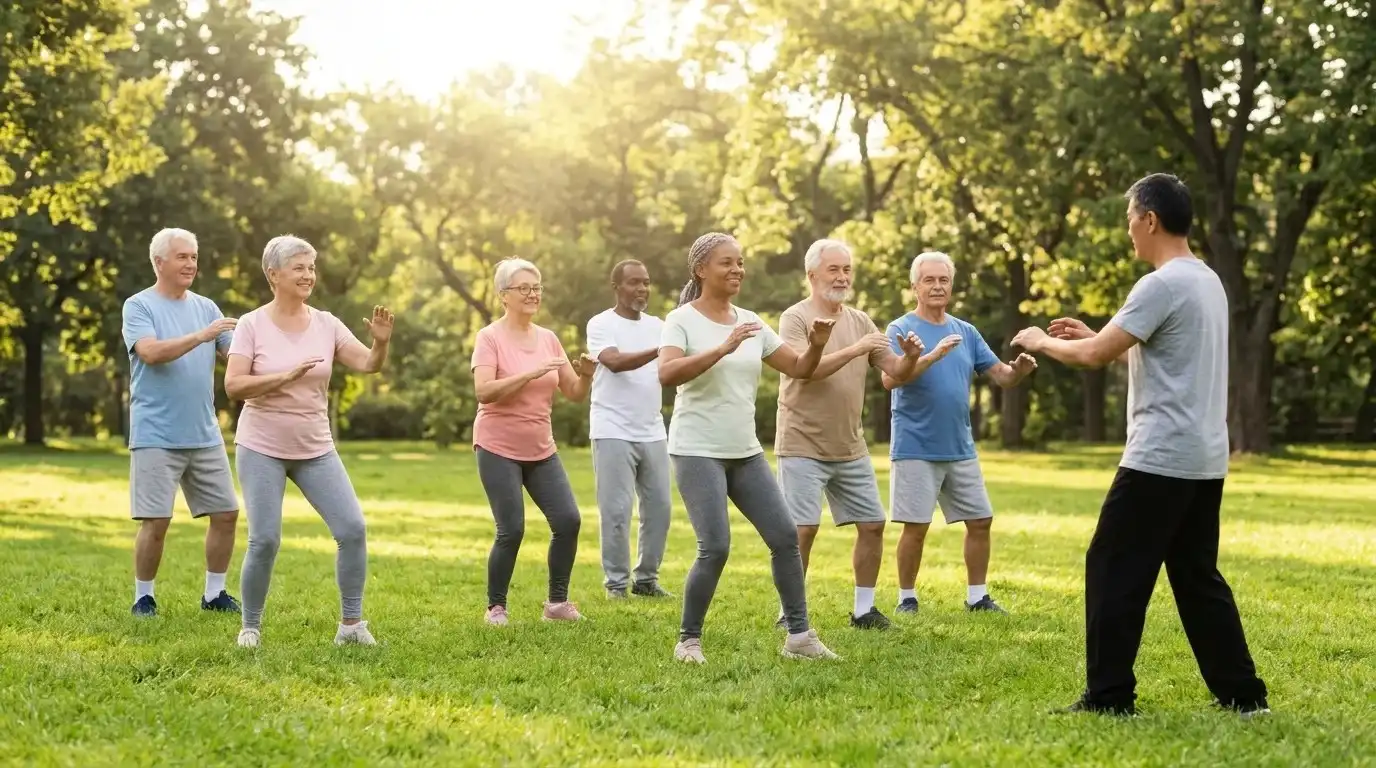
Table of Contents
Active ageing represents a paradigm shift in how societies and individuals view the later stages of life, moving beyond the traditional narrative of passive decline to one of continued engagement, growth, and contribution. It is a concept that emphasizes optimizing opportunities for health, participation, and security in order to enhance quality of life as people age. This holistic approach recognizes that an individual’s well-being in their senior years is not solely determined by their physical health, but also by their emotional resilience, social connections, and mental acuity. Embracing active ageing means taking proactive steps to maintain physical vitality, foster emotional stability, and remain an integral part of one’s community. The benefits of such an approach are far-reaching, impacting not only the individual but also their families and society at large.
What is Active Ageing? Defining a Proactive Approach to Later Life
The term “active ageing” was coined by the World Health Organization (WHO) and refers to the process of optimizing opportunities for health, participation, and security in order to enhance quality of life as people age. It goes beyond merely being physically active, encompassing a broader spectrum of activities that contribute to overall well-being. Active ageing encourages individuals to remain engaged in social, economic, cultural, spiritual, and civic affairs, not just when they are retired or frail, but throughout their lifespan. It is about maintaining autonomy, independence, and the ability to live a fulfilling life as one grows older. This perspective shifts the focus from simply extending life expectancy to extending “health expectancy” and quality of life in later years. It champions the idea that older adults are valuable resources, capable of contributing significantly to their communities and economies, rather than being solely recipients of care.
The Profound Physical Benefits of Active Ageing
Maintaining physical health is a cornerstone of active ageing, offering a multitude of benefits that directly contribute to a higher quality of life. Regular physical activity and a conscious effort to stay mobile can significantly mitigate many age-related health issues, promoting independence and vitality.
Enhancing Cardiovascular Health and Reducing Chronic Disease Risk
One of the most significant physical advantages of active ageing is its positive impact on cardiovascular health. Engaging in regular aerobic exercise, such as walking, swimming, or cycling, strengthens the heart muscle, improves blood circulation, and helps maintain healthy blood pressure levels. This, in turn, substantially reduces the risk of developing chronic conditions like heart disease, stroke, and type 2 diabetes, which are prevalent among older adults. Studies consistently show that individuals who remain physically active throughout their lives tend to have healthier arteries and lower cholesterol levels, contributing to a longer and healthier life span.
Maintaining Muscle Strength, Bone Density, and Joint Mobility
As people age, there is a natural decline in muscle mass, bone density, and joint flexibility, a process often referred to as sarcopenia and osteoporosis. Active ageing strategies, particularly those involving strength training and weight-bearing exercises, are crucial in counteracting these effects. Regular physical activity helps maintain and even build muscle strength, which is vital for performing daily tasks and preventing frailty. Furthermore, weight-bearing exercises stimulate bone growth, helping to preserve bone density and reduce the risk of fractures. Activities that promote flexibility, such as stretching or yoga, keep joints supple, reducing stiffness and pain often associated with arthritis.
Improving Balance and Reducing the Risk of Falls
Falls are a major concern for older adults, often leading to serious injuries, loss of independence, and a reduced quality of life. Active ageing, through exercises specifically designed to improve balance and coordination, can significantly reduce this risk. Tai Chi, for example, is widely recognized for its effectiveness in enhancing balance and proprioception, thereby decreasing the likelihood of falls. Activities that challenge stability, even simple exercises like standing on one leg or walking heel-to-toe, contribute to stronger core muscles and better overall balance, providing older adults with greater confidence and mobility in their daily lives.
Active Ageing’s Impact on Emotional and Mental Wellness
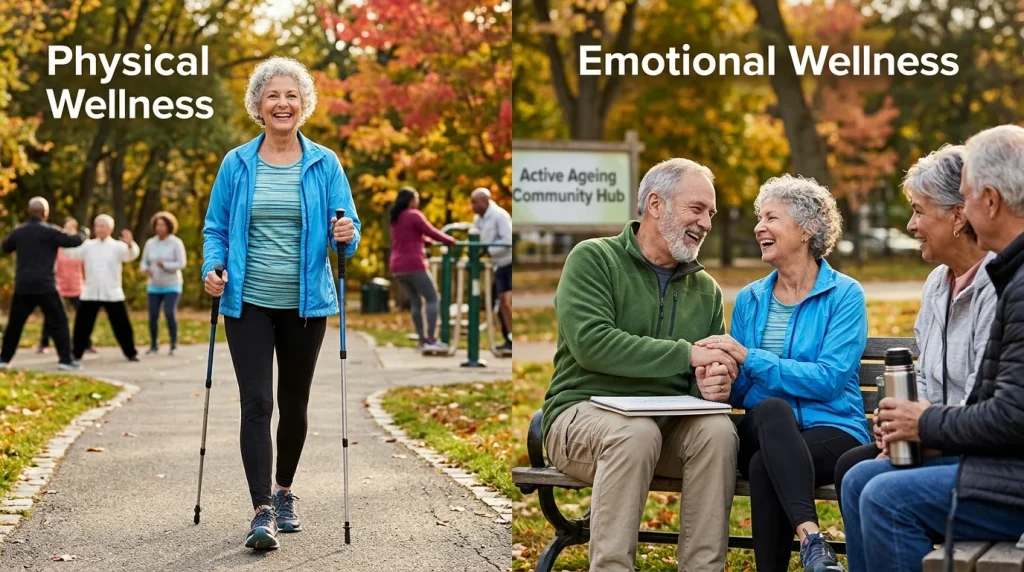
Beyond the tangible physical benefits, active ageing plays an equally critical role in fostering robust emotional and mental wellness. The engagement and purpose derived from an active lifestyle can be powerful antidotes to many of the psychological challenges often associated with aging.
Boosting Cognitive Function and Memory Retention
The link between physical activity and cognitive health is well-established. Engaging in regular physical exercise increases blood flow to the brain, promoting the growth of new brain cells and improving neural connections. This enhanced brain function translates into improved memory retention, sharper focus, and better problem-solving abilities. Moreover, mentally stimulating activities, such as learning new skills, reading, or playing strategic games, are integral to active ageing and contribute significantly to cognitive vitality, helping to stave off cognitive decline and reduce the risk of neurodegenerative diseases like dementia.
Combating Depression, Anxiety, and Reducing Stress Levels
Emotional well-being is profoundly influenced by an active lifestyle. Physical activity is a natural mood enhancer, as it triggers the release of endorphins, neurotransmitters known for their mood-lifting and pain-relieving effects. Regular exercise can significantly alleviate symptoms of depression and anxiety, often serving as a complementary therapy to traditional treatments. Furthermore, social engagement and participation in community activities provide a sense of belonging and reduce feelings of loneliness and isolation, common contributors to poor mental health in older adults. The routine and structure that often accompany an active lifestyle can also provide a sense of stability, helping to manage stress more effectively.
Fostering a Sense of Purpose and Enhanced Self-Esteem
One of the most valuable aspects of active ageing is its ability to provide older adults with a renewed sense of purpose and enhance their self-esteem. By remaining engaged in meaningful activities, whether it’s volunteering, pursuing hobbies, learning new skills, or participating in social groups, individuals experience a greater sense of contribution and relevance. This sense of purpose is a vital component of psychological well-being, combating feelings of helplessness or irrelevance that can sometimes accompany retirement or changes in life circumstances. Achieving personal goals, however small, reinforces self-efficacy and boosts confidence, leading to a more positive self-image and overall satisfaction with life.
The Crucial Role of Social Engagement in Active Ageing
Social connections are as vital to active ageing as physical activity and mental stimulation. Humans are inherently social beings, and maintaining strong social ties throughout life, particularly in older age, profoundly impacts both physical and emotional health. Social engagement encompasses a wide array of interactions, from casual conversations with neighbors to active participation in community groups, volunteer work, and family gatherings. These connections provide emotional support, reduce feelings of loneliness and isolation, and can even protect against cognitive decline. Older adults who are socially engaged tend to report higher levels of happiness, greater satisfaction with life, and a reduced risk of depression. Opportunities for social interaction can be found in senior centers, hobby clubs, religious organizations, or even by staying connected with friends and family through modern technology.
| Aspect of Wellness | Benefits of Active Ageing | Examples of Activities |
|---|---|---|
| Physical Health | Improved cardiovascular function, stronger bones/muscles, better balance, reduced risk of chronic diseases. | Walking, swimming, yoga, strength training, gardening, dancing. |
| Cognitive Function | Enhanced memory, improved problem-solving, reduced risk of cognitive decline and dementia. | Reading, learning new languages, puzzles, strategic games, taking courses, creative arts. |
| Emotional Well-being | Decreased symptoms of depression/anxiety, greater sense of purpose, increased self-esteem, stress reduction. | Mindfulness, meditation, social interaction, volunteering, pursuing passions, therapy. |
| Social Connection | Reduced isolation, stronger community ties, increased support networks, opportunities for contribution. | Joining clubs, volunteering, family gatherings, community events, senior groups, intergenerational programs. |
| Overall Quality of Life | Increased independence, greater life satisfaction, extended healthy lifespan, ability to adapt to change. | A combination of all the above tailored to individual preferences and capabilities. |
Practical Strategies for Embracing Active Ageing
Embracing active ageing is a journey that can be initiated at any stage of life, though the earlier the better. It involves conscious choices and integration of beneficial practices into daily routines.
Integrating Regular Physical Activity into Daily Life
The key to successful physical activity in older age is consistency and choosing activities that are enjoyable and sustainable. It doesn’t necessarily mean rigorous workouts. Moderate activities like brisk walking, cycling, swimming, or dancing for at least 150 minutes per week can yield significant health benefits. Incorporating strength training two to three times a week using resistance bands, light weights, or bodyweight exercises is also crucial for maintaining muscle mass. Flexibility and balance exercises, such as stretching, yoga, or Tai Chi, should also be part of the routine to prevent falls and maintain joint health. It’s always advisable to consult with a healthcare professional before starting any new exercise regimen.
Prioritizing Nutrition and Hydration
A balanced diet rich in fruits, vegetables, whole grains, and lean proteins is fundamental for supporting physical and cognitive health in older adults. Adequate nutrition provides the necessary energy for physical activity and supports bodily functions, including immune health and bone strength. Older adults may also benefit from increased intake of certain nutrients, such as calcium and Vitamin D for bone health, and Vitamin B12 for cognitive function. Staying well-hydrated by drinking plenty of water throughout the day is equally important, as dehydration can lead to fatigue, dizziness, and cognitive impairment. Avoiding processed foods, excessive sugar, and unhealthy fats also contributes significantly to overall well-being.
Engaging in Lifelong Learning and Mental Stimulation
Keeping the brain active is just as important as keeping the body active. Lifelong learning can take many forms: reading books, learning a new language or musical instrument, taking online courses, engaging in puzzles, or even simply staying informed about current events. These activities challenge the brain, create new neural pathways, and maintain cognitive sharpness. The pursuit of new knowledge or skills not only stimulates the mind but can also provide a renewed sense of purpose and achievement, contributing positively to emotional well-being. The act of learning also often provides opportunities for social interaction, further enhancing its benefits.
Nurturing Social Connections and Community Involvement
Actively seeking and maintaining social connections is vital for emotional health. This can involve regular contact with family and friends, joining clubs or interest groups, volunteering in the community, or participating in intergenerational activities. Volunteering, in particular, offers a unique blend of social interaction, mental stimulation, and a profound sense of purpose. It allows older adults to share their wisdom and experience, contributing meaningfully to society. Communities often have senior centers or programs designed to facilitate social interaction and engagement, providing structured opportunities for older adults to connect and participate. Such engagement has been shown to be a powerful predictor of healthy aging outcomes, including longevity and improved mental health.
Overcoming Common Barriers to Active Ageing
While the benefits of active ageing are clear, various barriers can hinder older adults from fully embracing this lifestyle. These can include physical limitations, lack of access to suitable programs, financial constraints, fear of injury, or simply a lack of motivation. Addressing these barriers requires both individual initiative and supportive societal structures. For individuals, starting small and gradually increasing activity levels, seeking medical advice, and finding activities that genuinely bring joy can be effective. Many communities now offer senior-friendly exercise classes, accessible transportation, and subsidized programs to promote active ageing. Family and caregivers also play a crucial role in encouraging participation and providing support. Educating older adults about the myriad benefits and providing positive reinforcement can significantly overcome psychological barriers. For a deeper understanding of population aging and its implications, the United Nations provides extensive insights into global demographic trends. This resource highlights the importance of active ageing policies at a broader societal level.
Conclusion: A Holistic Path to a Fulfilling Later Life
Active ageing is more than just staying physically fit; it is a comprehensive philosophy that embraces a holistic approach to life in one’s later years. It advocates for continued engagement across physical, mental, emotional, and social dimensions, recognizing their interconnectedness in fostering overall well-being. By proactively maintaining physical health, stimulating cognitive functions, nurturing emotional resilience, and strengthening social ties, older adults can not only mitigate the challenges often associated with aging but also unlock a period of continued growth, purpose, and profound satisfaction. The benefits extend far beyond the individual, creating healthier, more vibrant communities and economies. Embracing the principles of active ageing empowers individuals to live their senior years with dignity, independence, and an enriched quality of life, transforming the perception of aging from one of decline to one of ongoing opportunity and contribution.