6 Reasons to Understand Telomere Shortening – Key Driver of Aging
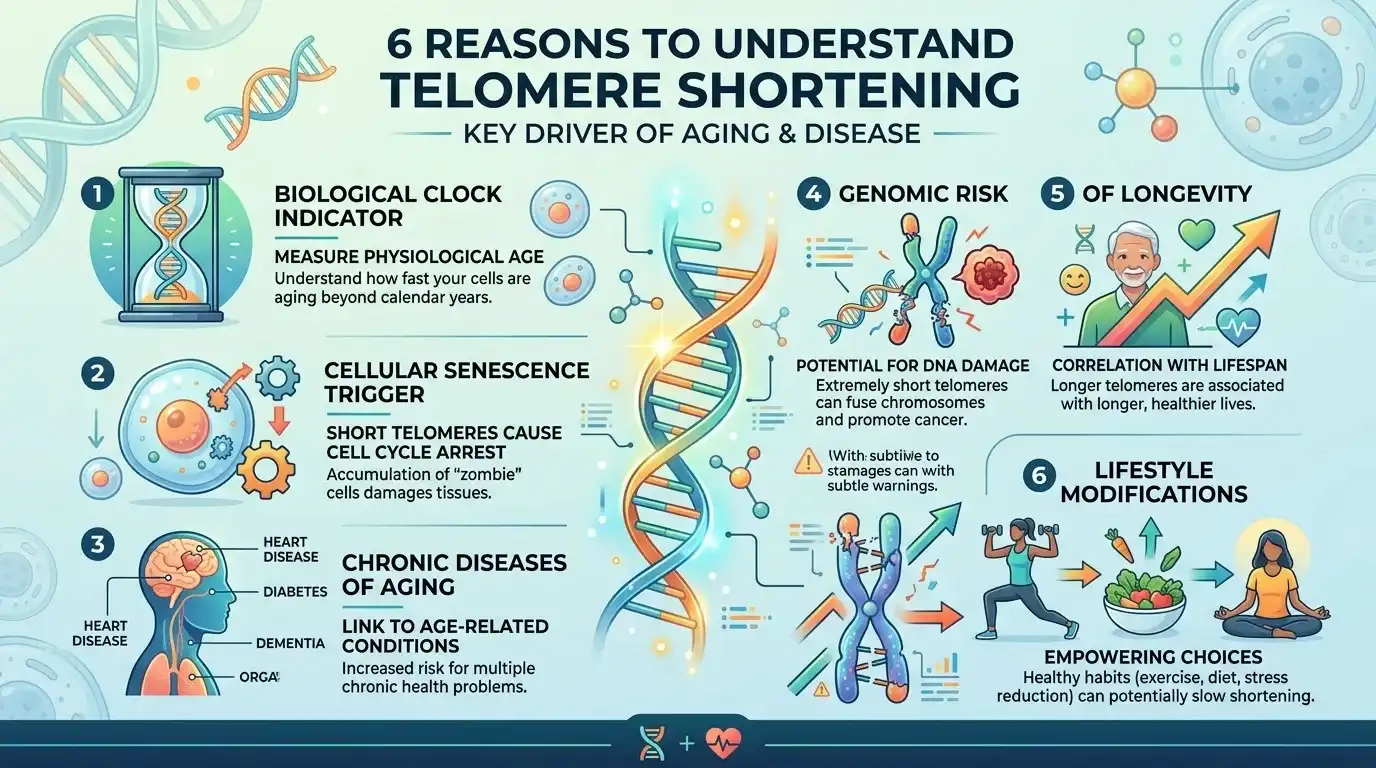
Table of Contents
Telomere shortening is a fundamental biological process deeply intertwined with cellular aging and, by extension, the overall aging of an organism. Often likened to the plastic tips at the ends of shoelaces, telomeres are specialized protective caps found at the termini of our chromosomes. These critical structures safeguard our genetic material, preventing degradation and maintaining genomic integrity during cell division. As we age, and our cells continually divide, these progressively shorten, a process that acts as a molecular clock, eventually signaling cells to cease division or undergo programmed cell death. This intricate relationship between telomere length and the aging process has made a focal point in gerontology and anti-aging research, offering profound insights into the mechanisms that drive human longevity and susceptibility to age-related diseases.
What Exactly Are Telomeres?
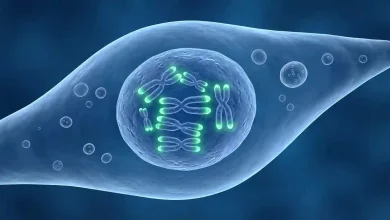
At a microscopic level, our DNA is organized into thread-like structures called chromosomes, which reside within the nucleus of every cell. Each human chromosome is capped at its ends by telomeres, which are composed of repetitive DNA sequences (TTAGGG in humans) and a complex of proteins known as shelterin. These nucleoprotein structures serve several vital functions. Firstly, they distinguish the natural ends of chromosomes from actual DNA double-strand breaks, preventing the cell’s repair machinery from erroneously attempting to “fix” them by fusing chromosomes together. This protective role is crucial for maintaining chromosomal stability. Secondly, protect the internal coding DNA sequences from degradation that naturally occurs during DNA replication. Without , vital genetic information would be lost with each cell division, leading to significant cellular dysfunction.
The structure of telomeres, particularly the single-stranded overhang at the lagging strand end, is key to their function and the mechanism of their shortening. The repetitive nature of telomeric DNA means that its shortening does not immediately impact genetic instructions, acting as a buffer against the loss of functional genes.
The Mechanism of Telomere Shortening
The primary reason for telomere shortening lies in a quirk of DNA replication known as the “end replication problem.” DNA polymerase, the enzyme responsible for copying DNA, can only synthesize new DNA in one direction and requires a short RNA primer to start the process. While the leading strand of DNA can be replicated continuously, the lagging strand is synthesized in fragments (Okazaki fragments). When the primer for the very last Okazaki fragment at the end of a chromosome is removed, DNA polymerase cannot fill the resulting gap because there is no upstream DNA sequence to extend from. Consequently, a small segment of DNA is left unreplicated and lost from with each cell division.
This incremental loss means that with every round of cell division, become slightly shorter. While some cells like germline and stem cells have mechanisms to counteract this shortening, the vast majority of somatic cells (body cells) do not. This progressive shortening acts as a biological clock, dictating the finite number of times a cell can divide. Beyond the end replication problem, other factors such as oxidative stress and inflammation can also accelerate attrition. Oxidative stress, caused by an imbalance between free radicals and antioxidants, can damage telomeric DNA, leading to its erosion. Chronic inflammation also contributes to accelerated shortening.
The Hayflick Limit and Cellular Senescence
The concept of a finite replicative capacity for human cells was first established by Leonard Hayflick and Paul Moorhead in 1961, challenging the then-prevailing belief that cells were immortal. Their discovery, now known as the “Hayflick Limit,” demonstrated that normal human somatic cells can only divide a limited number of times (typically 40-60 divisions in culture) before entering a state of irreversible growth arrest called cellular senescence. This phenomenon is strongly linked to shortening.
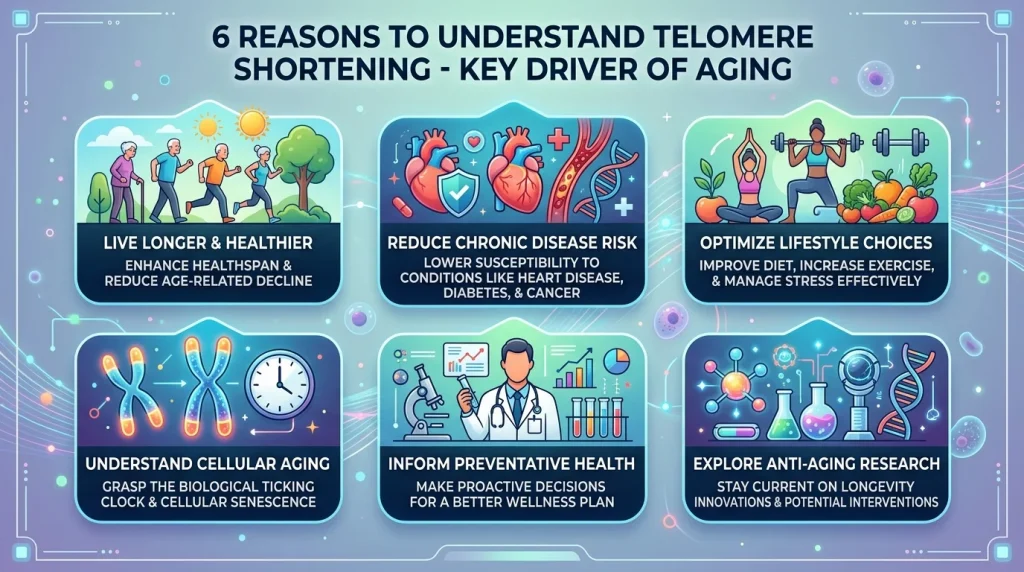
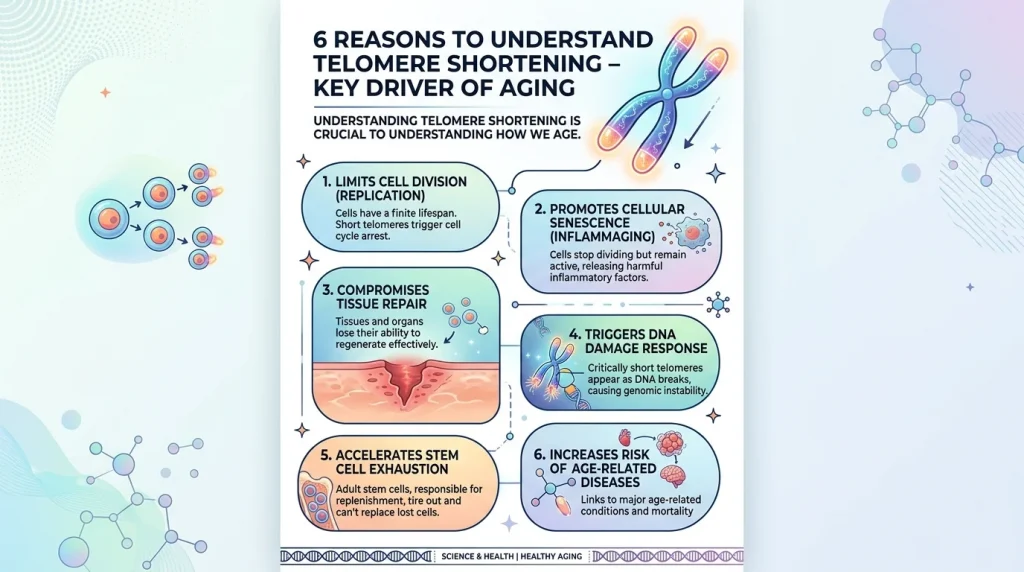
When reach a critically short length, they lose their protective function, exposing the ends of chromosomes as if they were damaged DNA. This triggers a DNA damage response, which activates cell cycle checkpoints, ultimately halting cell division and inducing senescence. Senescent cells, often referred to as “zombie cells,” do not die but lose their ability to divide and function properly. They can also accumulate and secrete a cocktail of inflammatory molecules, known as the Senescence-Associated Secretory Phenotype (SASP), which can negatively impact surrounding healthy cells and contribute to chronic inflammation and tissue degradation—hallmarks of aging. The accumulation of senescent cells is associated with various age-related diseases and overall physical aging.
Telomerase: The Enzyme of Longevity (and Immortality?)
To counteract the inevitable shortening of , some cells possess a unique enzyme called telomerase. Telomerase is a ribonucleoprotein that acts as a reverse transcriptase, meaning it synthesizes DNA using an RNA template. Specifically, telomerase carries its own RNA molecule that contains a sequence complementary to the telomeric DNA repeat. It binds to the single-stranded overhang of the and uses this RNA template to add new telomeric DNA sequences, thus extending the length. This process helps to replenish the sequences lost during DNA replication.
Telomerase is highly active in specific cell types, most notably germline cells (sperm and egg cells) and embryonic stem cells. This activity is crucial for maintaining length across generations and ensuring the indefinite self-renewal capacity of stem cells, which are essential for tissue repair and regeneration. However, in most somatic cells, telomerase activity is either very low or completely absent. This regulated absence of telomerase in somatic cells is believed to be a protective mechanism against uncontrolled cell proliferation, which is a hallmark of cancer.
Interestingly, while insufficient telomerase expression leads to shortening and cellular aging, hyperactive telomerase is a characteristic feature of an estimated 85% to 95% of human cancer cells. By reactivating telomerase, cancer cells gain the ability to maintain their length indefinitely, thereby bypassing the Hayflick limit and achieving “immortality,” allowing them to divide uncontrollably and form tumors. This dual role of telomerase – promoting longevity in stem cells and facilitating immortality in cancer – highlights its critical but complex importance in biology.
Telomere Shortening and Age-Related Diseases
The progressive shortening of is not merely a marker of chronological age but is also intricately linked to the incidence, progression, and severity of numerous age-related diseases. As become critically short, cells enter senescence, contributing to tissue dysfunction and chronic inflammation, which are underlying factors in many age-associated pathologies.
Here is a table summarizing some age-related diseases linked to shortening:
| Disease Category | Specific Conditions Associated with Short Telomeres | Mechanism/Impact |
|---|---|---|
| Cardiovascular Diseases | Coronary heart disease, myocardial infarction, stroke, atherosclerosis, hypertension, heart failure. | Short telomeres are associated with aging cardiomyocytes, reduced heart function, increased arterial stiffness, endothelial dysfunction, and chronic inflammation. |
| Metabolic Disorders | Type 2 Diabetes. | Elevated oxidative stress and inflammation, premature cellular senescence in pancreatic beta cells or insulin-sensitive tissues, leading to insulin resistance. |
| Neurodegenerative Diseases | Alzheimer’s disease, dementia. | While some studies are inconclusive, shorter telomeres have been linked to higher mortality rates and increased risk of Alzheimer’s. Accumulation of senescent cells in the brain can contribute to neuroinflammation. |
| Cancers | Increased risk for many cancer types. | Critically short telomeres can lead to genomic instability, a precursor to cancerous transformations. Paradoxically, cancer cells often reactivate telomerase to achieve immortality. |
| Pulmonary Diseases | Pulmonary fibrosis. | Telomere dysfunction is implicated in idiopathic pulmonary fibrosis, leading to impaired cellular regeneration and increased susceptibility to damage. |
| Other Conditions | Osteoporosis, immune system dysfunction, skin aging, aplastic anemia. | Senescent cells contribute to inflammation and reduced regenerative capacity in various tissues, affecting bone density, immune response, and skin integrity. |
It is important to note that while shorter telomeres are consistently associated with older age and increased disease risk, the relationship is complex. Inter-individual variability in telomere length and the rate of shortening is significant, influenced by a combination of genetic, epigenetic, and environmental factors. Genetic factors are estimated to account for 44% to 84% of telomere length variation. Inherited altered telomere lengths or mutations in telomere maintenance genes can lead to progressive telomere length changes over generations and predispose individuals to conditions known as telomere biology disorders. These disorders can manifest with diverse phenotypes, ranging from aplastic anemia to pulmonary fibrosis.
Lifestyle Factors Influencing Telomere Length
While genetics play a significant role, numerous lifestyle factors have been identified that can influence the rate of telomere shortening, offering avenues for potential intervention. Modifiable behaviors and environmental exposures can either accelerate or decelerate telomere attrition, thereby affecting an individual’s biological age and healthspan.
- Diet: A healthy diet rich in antioxidants, such as the Mediterranean diet (emphasizing fruits, vegetables, whole grains, and healthy fats), has been linked to longer telomeres. Conversely, poor dietary choices can contribute to oxidative stress and inflammation, accelerating telomere shortening.
- Physical Activity: Regular physical activity, including moderate-to-vigorous exercise and strength training, is associated with longer telomeres. Higher physical activity levels are generally related to longer telomeres, and this association may vary by race/ethnicity.
- Smoking: Tobacco smoking is a well-established factor that significantly accelerates telomere shortening. A dose-dependent relationship exists, where heavier smoking correlates with shorter telomeres.
- Alcohol Consumption: While studies have been somewhat inconclusive, higher alcohol consumption is generally associated with shorter telomeres, with the strongest associations observed in certain demographic groups. Light to moderate consumption might have different effects compared to heavy use.
- Stress: Chronic psychological stress has been shown to increase oxidative pressure, reduce telomerase activity, and lead to shorter telomeres. The impact of stress on telomere length can be equivalent to several years of life, indicating a significant influence on biological aging.
- Obesity: Higher body mass index (BMI) and obesity are consistently associated with shorter telomeres. This link is often attributed to increased inflammation and oxidative stress associated with excess body fat.
- Sleep: Insomnia has been linked to shorter telomere length. While the direct association between general sleep duration and telomere length is less clear, adequate and restorative sleep is crucial for overall cellular health.
- Environmental Factors: Exposure to environmental pollutants and UV radiation can also accelerate telomere shortening in skin cells and other tissues due to increased oxidative stress and DNA damage.
These findings underscore the importance of adopting a healthy lifestyle as a strategy to mitigate accelerated telomere shortening and promote overall health and effective aging management.
Current Research and Future Interventions
The profound role of telomeres in aging and disease has propelled intensive research into strategies aimed at modulating telomere dynamics for therapeutic benefits. Scientists are exploring various approaches to counteract telomere attrition, with the ultimate goal of delaying age-related pathologies and extending a healthy lifespan.
One major area of focus is telomerase activation. Since telomerase can extend telomeres, particularly in cells where it is normally inactive, researchers are investigating compounds that can transiently activate telomerase without promoting cancer. Small molecule activators, often derived from natural sources, are being studied for their potential to boost telomerase activity and improve cellular health in lab settings. For instance, some research highlights the potential of such compounds to increase telomere length and enhance cellular viability. The challenge lies in finding activators that can safely promote telomere lengthening in somatic cells without inadvertently increasing cancer risk by providing an uncontrolled replicative advantage.
Gene therapy approaches are also emerging as a frontier in telomere research. By delivering genes that encode for telomerase (specifically its catalytic subunit, TERT) into cells or organisms, scientists aim to increase telomerase expression and restore telomere length. Early studies in mouse models have shown that delivering TERT using adeno-associated virus (AAV) gene vectors resulted in transiently increased TERT expression in various tissues, demonstrating anti-aging activity and delaying age-associated pathologies. In humans, clinical trials have reported success in telomere lengthening via gene therapy for patients with rare telomere biology disorders, achieving telomere elongation in hematopoietic cells without obvious side effects. These groundbreaking results pave the way for potential treatments for conditions like aplastic anemia and pulmonary fibrosis, which are linked to short telomeres.
Beyond direct telomerase modulation, other research avenues include:
- Senolytic and Senomorphic Drugs: These compounds aim to selectively destroy senescent cells (senolytics) or modify their secretory phenotype (senomorphics) to reduce their detrimental impact on surrounding tissues and overall aging.
- Targeting Oxidative Stress and Inflammation: Given that oxidative stress and chronic inflammation accelerate telomere shortening, interventions that reduce these cellular stressors, such as specific antioxidant therapies or anti-inflammatory agents, are also under investigation.
- Lifestyle Interventions: Continued research reinforces the power of lifestyle modifications, including diet, exercise, and stress management, as accessible and effective ways to support telomere health. Studies have shown, for example, that certain vitamin supplements like Vitamin D3 might slow telomere shortening. The broad benefits of these interventions on telomere length are well-documented.
While the promise of telomere-targeting therapies is immense, the field faces significant challenges. The intricate balance between telomere maintenance, cancer prevention, and healthy aging requires careful navigation. The long-term effects and safety of telomerase activators and gene therapies in humans still require extensive research and rigorous clinical trials. However, with ongoing advancements, the prospect of manipulating telomeres to extend healthspan and combat age-related diseases is becoming an increasingly tangible reality. For more information on the Nobel Prize-winning discovery of telomerase, you can refer to The Nobel Prize website.
Conclusion
Telomere shortening stands as a central pillar in our understanding of the aging process. These protective caps on our chromosomes serve as biological clocks, gradually dwindling with each cell division, ultimately dictating a cell’s proliferative lifespan and ushering in cellular senescence. This fundamental mechanism contributes significantly to organismal aging and increases our susceptibility to a wide array of age-related diseases, including cardiovascular conditions, metabolic disorders, neurodegenerative diseases, and various cancers. The discovery of telomerase, an enzyme capable of rebuilding telomeres, has opened exciting avenues for therapeutic interventions, offering a glimpse into a future where age-related decline might be mitigated or even reversed. While the manipulation of telomere dynamics presents complex challenges, particularly concerning cancer risk, ongoing research into telomerase activators, gene therapies, and the profound impact of lifestyle factors continues to deepen our understanding. Ultimately, by unraveling the mysteries of telomeres, we move closer to unlocking strategies that could foster healthier aging and extend human healthspan, transforming the way we approach longevity and disease.