7 Science-Backed Strategies for Healthy Ageing – Boost Physical & Mental Health
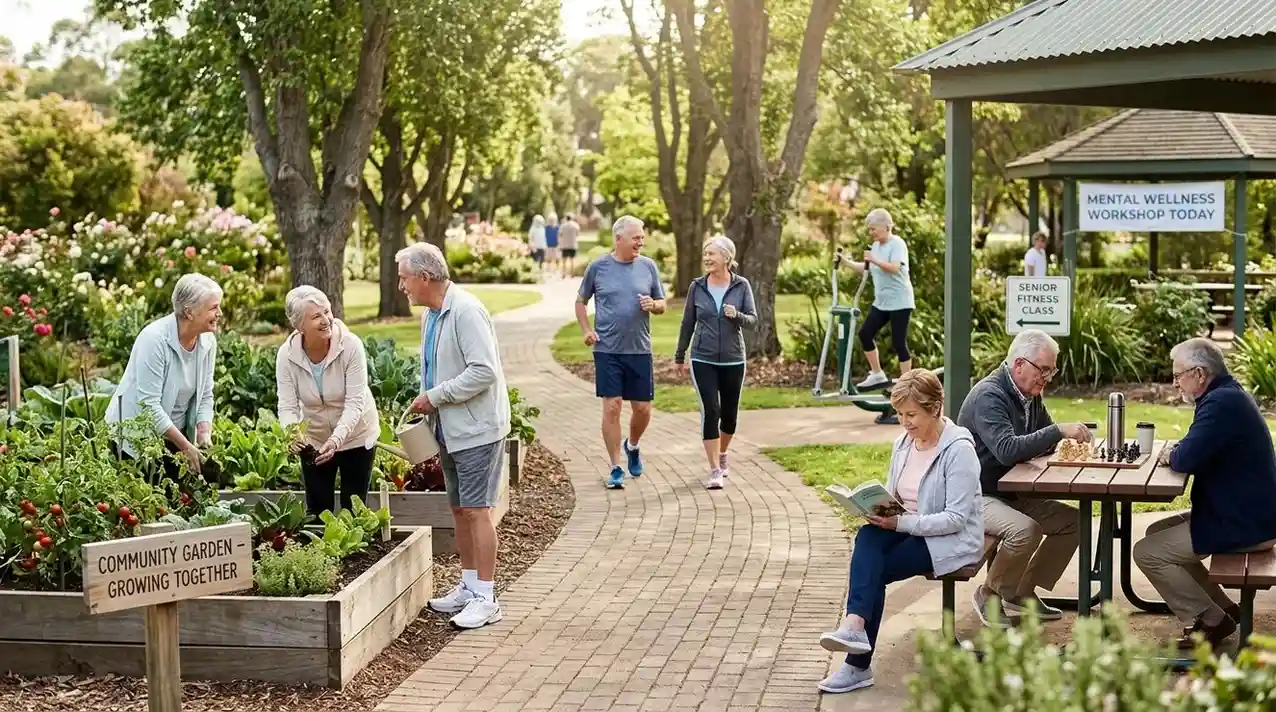
Table of Contents
Healthy ageing is a universal aspiration, transcending geographical and cultural boundaries. It’s not merely about extending lifespan but enriching the quality of those years, allowing individuals to maintain functional ability, independence, and overall well-being as they grow older. The World Health Organization (WHO) defines healthy ageing as “the process of developing and maintaining the functional ability that enables well-being in older age.” This functional ability encompasses a person’s capacity to meet basic needs, learn, grow, make decisions, be mobile, build and maintain relationships, and contribute to society. It is a continuous process that begins early in life, emphasizing that it’s never too late to adopt healthy habits for positive change.
The journey towards healthy ageing is multifaceted, requiring a holistic approach that addresses both physical and mental health. These two aspects are profoundly interconnected, with improvements in one often leading to positive outcomes in the other. This comprehensive article will delve into actionable strategies across various domains, offering insights and practical advice to foster a vibrant and fulfilling life at any age.
The Pillars of Physical Healthy Ageing
Maintaining physical health as we age is crucial for sustaining independence and overall quality of life. It involves a combination of nutritional wisdom, consistent physical activity, adequate rest, and proactive healthcare measures.
Nourishing Your Body: The Role of Diet
As the body ages, its nutritional needs evolve. While calorie requirements may decrease due to reduced muscle mass and physical activity, the need for high-quality nutrients remains consistent, or may even increase. A balanced, nutrient-dense diet is fundamental to preventing chronic diseases, maintaining a healthy weight, and supporting vital bodily functions.
- Embrace Whole Foods: Prioritize a diet rich in fruits, vegetables, whole grains, lean proteins, and healthy fats. Different colored fruits and vegetables provide a diverse range of nutrients.
- Adequate Protein Intake: Protein is vital for preserving muscle mass, which naturally declines with age, a condition known as sarcopenia. Experts generally recommend an increased protein intake for older adults, often between 0.54 to 0.72 grams per pound of body weight per day (or 1.2 to 1.6 grams per kilogram of body weight per day). Distributing protein evenly across meals can be beneficial. Sources include lean meats, fish, poultry, eggs, nuts, seeds, beans, lentils, tofu, and quinoa.
- Calcium and Vitamin D for Bone Health: Bone density declines after age 40, accelerating around 50, making older adults more prone to fractures and osteoporosis. Calcium and Vitamin D are critical for strong bones. Recommended daily intake for older adults is typically around 1,200 mg of calcium and 800 IU of vitamin D. Dairy products, fortified milk, egg yolks, and fatty fish are good sources.
- Fiber for Digestion and Heart Health: High-fiber foods like fruits, vegetables, and whole grains are essential for a healthy digestive system and can help lower cholesterol.
- Hydration: Older adults are prone to dehydration, so drinking plenty of water throughout the day is crucial for maintaining energy and cognitive sharpness.
- Limit Processed Foods: Reduce intake of fried, frozen, and processed foods, as well as those high in seed oil, trans fats, preservatives, added sugars, and sodium. These are linked to higher cholesterol, cancer, and chronic diseases.
- Consider the Mediterranean Diet: This eating plan, rich in fish, vegetables, fruits, healthy fats, nuts, and seeds, is widely supported by medical experts for its benefits in brain health, reducing the risk of heart disease, lowering blood pressure, and improving overall quality of life.
Staying Active: Exercise for All Ages
Regular physical activity is one of the most effective strategies for healthy ageing, offering a myriad of benefits for both physical and mental well-being. It is never too late to start an exercise routine, and the human body responds to exercise regardless of age.
- Preventing Disease: Regular exercise helps prevent numerous chronic diseases, including heart disease, stroke, type 2 diabetes, certain cancers, and high blood pressure. It also improves overall immune function.
- Maintaining Mobility and Strength: Exercise helps slow the natural decline in muscle mass (sarcopenia) and strength that occurs with age. Weight-bearing exercises, in particular, keep bones healthy and strong, reducing the risk of osteoporosis and fractures. Flexibility and balance exercises are vital for reducing the risk of falls, a significant concern for older adults.
- Improving Mental Health and Cognitive Function: Physical activity releases endorphins, which act as natural mood lifters, reducing stress, anxiety, and depression. Regular exercise can also improve cognitive function, memory, and helps lower the risk of dementia and Alzheimer’s disease. Studies suggest that exercising for at least 52 hours in sessions lasting approximately an hour is associated with improved cognitive performance in older adults.
- Recommended Activity: The U.S. Department of Health and Human Services recommends at least 150 minutes per week of moderate-intensity aerobic activity (like brisk walking, cycling, or swimming) and muscle-strengthening activities at least twice a week. Activities such as yoga, tai chi, gardening, and even housework can contribute to these goals.
Prioritizing Sleep: The Foundation of Well-being
Quality sleep is an often-underestimated cornerstone of healthy ageing, profoundly impacting both physical and mental health. Lack of adequate sleep can lead to fatigue, irritability, increased fall risk, and memory problems.
- Physical Benefits: Good sleep contributes to a stronger immune system, better heart health, and aids in the body’s repair and recovery processes.
- Mental and Emotional Benefits: Sufficient sleep is crucial for cognitive function, memory consolidation, mood regulation, and stress management. It helps prevent and alleviate depression and anxiety.
- Establishing a Routine: Aim for 7-9 hours of sleep per night. Develop a consistent bedtime routine, keeping the bedroom dark, quiet, and cool. Avoid caffeine and heavy meals late in the day, and limit screen exposure before bed. Gentle movement or relaxation techniques like deep breathing and mindfulness before bedtime can promote restful sleep.
Regular Health Check-ups and Preventive Care
Proactive engagement with healthcare is fundamental to healthy ageing. Regular check-ups and screenings are crucial for early detection and management of potential health problems, significantly improving outcomes and reducing complications.
- Annual Wellness Exams: Schedule annual exams with a primary care doctor to monitor blood pressure, cholesterol, blood sugar, and other vital signs. Discuss any concerns and review all current medications, including over-the-counter drugs and supplements.
- Screenings: Stay up-to-date on recommended cancer screenings (e.g., breast, colorectal, prostate), bone density screenings for osteoporosis (especially for women over 65), and screenings for chronic conditions like diabetes. Regular vision and hearing screenings are also important, as impairments can impact cognitive function and quality of life.
- Vaccinations: Ensure all recommended vaccinations are received, including annual flu shots, COVID-19 vaccines, pneumococcal vaccines, shingles vaccines, and tetanus boosters. Older adults are often at higher risk for complications from these diseases.
- Managing Chronic Conditions: For individuals with existing chronic health conditions, regular visits with specialists as recommended and adherence to treatment plans are vital.
| Aspect of Healthy Ageing | Key Strategies | Benefits for Seniors |
|---|---|---|
| Nutrition | Balanced diet (fruits, vegetables, whole grains, lean protein, healthy fats). Adequate hydration. Limit processed foods. | Maintains healthy weight, supports muscle and bone health, reduces risk of chronic diseases (e.g., heart disease, diabetes), boosts immunity, improves cognitive function. |
| Physical Activity | 150 mins moderate aerobic activity + 2x/week strength training. Incorporate balance and flexibility. | Prevents disease, maintains muscle mass and bone density, improves balance and reduces fall risk, boosts mood, enhances cognitive function, reduces stress and anxiety. |
| Sleep | 7-9 hours consistent sleep. Establish bedtime routine, dark/quiet environment. | Improves cognitive function and memory, enhances mood, reduces stress, strengthens immune system, aids physical recovery, decreases fall risk. |
| Mental Engagement | Puzzles, learning new skills/languages, reading, creative arts, mindfulness. | Preserves cognitive function, strengthens memory, improves focus, boosts confidence, reduces risk of cognitive decline and dementia, promotes emotional well-being. |
| Social Connection | Maintain relationships, join clubs/volunteer, community activities. | Combats loneliness and social isolation, reduces risk of depression, anxiety, and cognitive decline, improves life satisfaction, provides emotional support. |
| Stress Management | Deep breathing, meditation, yoga, hobbies, time in nature, seeking support. | Calms mind, lowers blood pressure, reduces stress hormones, improves mood, enhances emotional balance, prevents exacerbation of chronic health issues. |
| Preventive Healthcare | Annual check-ups, screenings (cancer, bone density, blood pressure), vaccinations. | Early detection and management of health problems, reduces risk of complications, prevents serious illnesses, ensures timely intervention. |
Cultivating Mental and Emotional Resilience in Later Life
Mental and emotional well-being are just as critical as physical health for a fulfilling life in older age. Big life changes such as retirement, health issues, or the loss of loved ones can significantly impact mood, purpose, and social connection, increasing the risk of depression and anxiety. However, many strategies can foster mental resilience and cognitive vitality.
Engaging Your Mind: Cognitive Stimulation
Just as physical muscles need exercise, the brain benefits from regular workouts. Engaging in mentally stimulating activities can help preserve cognitive function, strengthen memory, and improve focus, even in the face of normal age-related cognitive decline.
- Lifelong Learning: Never stop learning and challenging your mind. This could involve learning a new language, taking up a new hobby like knitting or playing a musical instrument, or taking classes at a local community center. Learning new skills creates new neural pathways and builds brain resilience.
- Brain Games and Puzzles: Activities such as crossword puzzles, Sudoku, jigsaw puzzles, and card games are excellent for keeping the brain sharp. They encourage pattern recognition, strategic thinking, problem-solving, and boost memory, verbal fluency, and overall mental function.
- Reading and Writing: Reading books keeps the brain active and can improve communication and social skills, especially in group settings like book clubs. Journaling is also a beneficial activity for mental health and self-expression.
- Creative Pursuits: Engaging in music, dance, art, and creative writing can improve quality of life, self-esteem, and memory, while also serving as therapeutic outlets for stress. Listening to unfamiliar music, for example, activates multiple brain areas involved with emotion, memory, and physical activity.
Fostering Social Connections: Combating Isolation
Social interaction plays a vital role in life satisfaction throughout all stages of life, but its importance significantly increases with age. Social isolation and loneliness are key risk factors for mental health conditions, including depression, anxiety, and even cognitive decline, comparable to the health risks of smoking or obesity.
- Stay Connected: Actively maintain relationships with family and friends through in-person visits, phone calls, or digital communication.
- Community Engagement: Join social clubs, volunteer for local organizations, or participate in group activities such as exercise classes, book clubs, or art courses. These activities not only provide mental stimulation but also strengthen social bonds and reduce feelings of loneliness.
- Shared Hobbies: Pursuing hobbies with others, such as playing board games or attending group singing sessions, can enhance social interaction and overall well-being.
- Support Systems: Leaning on a support system of friends, family, or community groups provides a buffer against stress and fosters a sense of belonging.
Managing Stress and Promoting Emotional Balance
Stress affects everyone, but for seniors, chronic stress can exacerbate existing health issues like heart disease, diabetes, and cognitive decline, and weaken the immune system. Effective stress management is crucial for both mental and physical health in later life.
- Relaxation Techniques: Incorporate practices such as deep breathing exercises, mindfulness, and meditation into daily routines. These techniques help calm the mind, reduce stress hormones, lower heart rate, and promote a sense of inner peace.
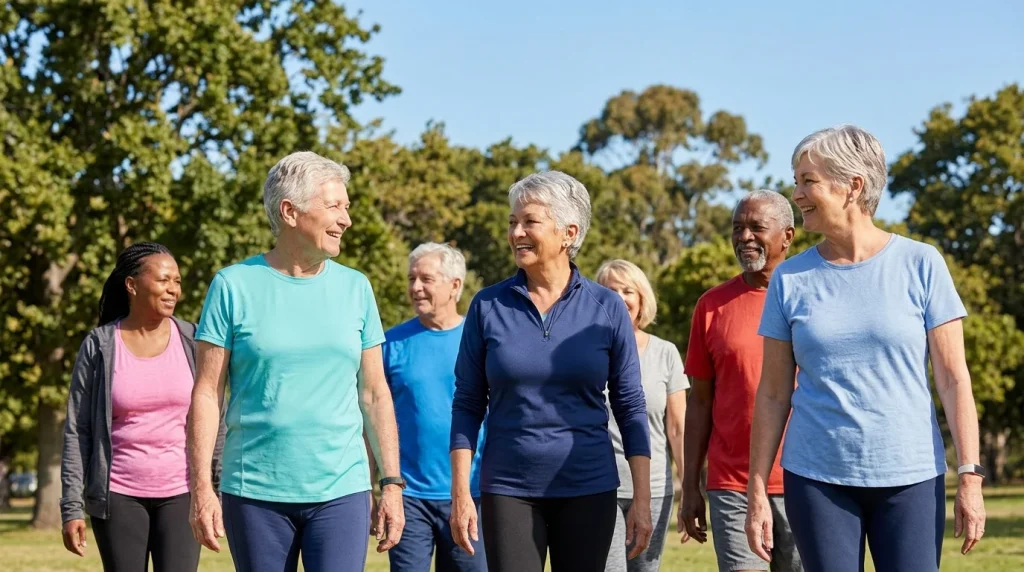
- Physical Activity: Gentle exercises like yoga, stretching, tai chi, or simply taking a walk can significantly reduce stress by releasing endorphins, which are natural mood lifters.
- Hobbies and Creative Outlets: Engaging in activities that bring joy and provide an outlet for self-expression, such as art, music, gardening, or journaling, can be therapeutic and reduce stress.
- Time in Nature: Spending time outdoors, whether walking in a park or gardening, can lower cortisol levels and reduce physical and psychological stress.
- Seek Support: Talking to trusted friends, family members, or a mental health professional can provide valuable perspective and coping strategies for managing stress.
- Positive Mindset: Cultivating a positive outlook on ageing can significantly improve well-being and even extend lifespan. It helps in dealing with negative situations more effectively and reduces the risk of depression.
The Interconnectedness of Physical and Mental Health
The mind-body connection is a profound and intricate relationship where thoughts, emotions, and beliefs significantly impact physical health, and vice versa. This connection becomes even more crucial in older adulthood, as maintaining a sense of balance is essential for navigating life’s transitions. Research demonstrates that positive thoughts and emotions can enhance immune function and reduce stress, while chronic stress and negative emotions can adversely affect physical health.
Lifestyle Factors: A Synergistic Effect
Many healthy ageing strategies offer synergistic benefits, impacting both physical and mental well-being simultaneously:
- Exercise: Beyond its physical advantages, regular physical activity is a powerful antidepressant and anxiolytic, boosting mood and cognitive function. The endorphins released during exercise act as natural stress relievers, contributing to mental clarity and emotional balance.
- Nutrition: A balanced diet not only fuels the body but also supports brain health. Nutrients like omega-3 fatty acids, antioxidants, and certain vitamins and minerals are vital for cognitive function and can influence mood. Limiting processed foods and sugars can also positively impact mental well-being.
- Sleep: Adequate sleep is essential for both physical repair and cognitive restoration. It plays a critical role in memory consolidation, emotional regulation, and reducing the risk of mental health issues like depression and anxiety.
- Social Engagement: Strong social bonds provide emotional support that buffers stress and combats the negative physical and mental health consequences of isolation. Group activities, for instance, can enhance mental stimulation while strengthening social connections.
- Mindfulness and Meditation: These practices, while primarily mental, have significant physical benefits. They can reduce stress and anxiety, improve sleep quality, enhance mobility and flexibility, and even strengthen the immune response by decreasing stress levels and inflammation.
The World Health Organization (WHO) emphasizes the importance of creating environments and opportunities that enable people to be and do what they value throughout their lives, underscoring that healthy ageing is about developing and maintaining functional ability. You can find more details on WHO’s initiatives on healthy aging on their dedicated Healthy Ageing Fact Sheet.
Practical Steps Towards a Healthier Future
Embracing healthy ageing strategies doesn’t require drastic overhauls but rather a consistent commitment to positive lifestyle choices. Here are practical steps to integrate these strategies into daily life:
- Start Small and Be Consistent: Begin with minor, manageable changes, like a 10-15 minute walk daily or incorporating one extra serving of vegetables. Consistency is more impactful than intense, sporadic efforts.
- Personalize Your Approach: Healthy ageing is diverse; there is no typical older person. Tailor strategies to your preferences, abilities, and health conditions. Consult healthcare professionals to create personalized plans for diet, exercise, and preventive care.
- Set Realistic Goals: Focus on gradual improvements rather than immediate perfection. Celebrate small victories to stay motivated.
- Seek Support: Involve family and friends in your healthy habits. Join community groups or classes that align with your interests. Professional guidance from dietitians, physical therapists, or mental health experts can also be invaluable.
- Stay Curious and Engaged: Actively seek new knowledge, hobbies, and social opportunities. A curious mind remains a vibrant mind.
- Prioritize Self-Care: Make time for activities that bring you joy and relaxation. This includes adequate rest, stress-reducing hobbies, and mindfulness practices.
- Regularly Review and Adjust: As you age, your needs may change. Periodically review your lifestyle habits and healthcare routines with your doctor to ensure they remain appropriate and effective.
Conclusion: A Journey Towards Vibrant Ageing
Healthy ageing is an active and ongoing process of optimizing opportunities for physical and mental health, independence, and quality of life. It’s about empowering individuals to be and do what they value throughout their lives, irrespective of age or the presence of health conditions. By conscientiously adopting strategies related to nutrition, physical activity, sleep, cognitive engagement, social connections, stress management, and preventive healthcare, older adults can significantly enhance their well-being and vitality. The synergy between a healthy body and a healthy mind creates a robust foundation for navigating the challenges and embracing the joys of later life. It’s a journey of continuous growth, adaptation, and sustained engagement with the world, proving that true vibrancy knows no age limit.