7 Key Facts About Inflammaging – Chronic Inflammation and Aging
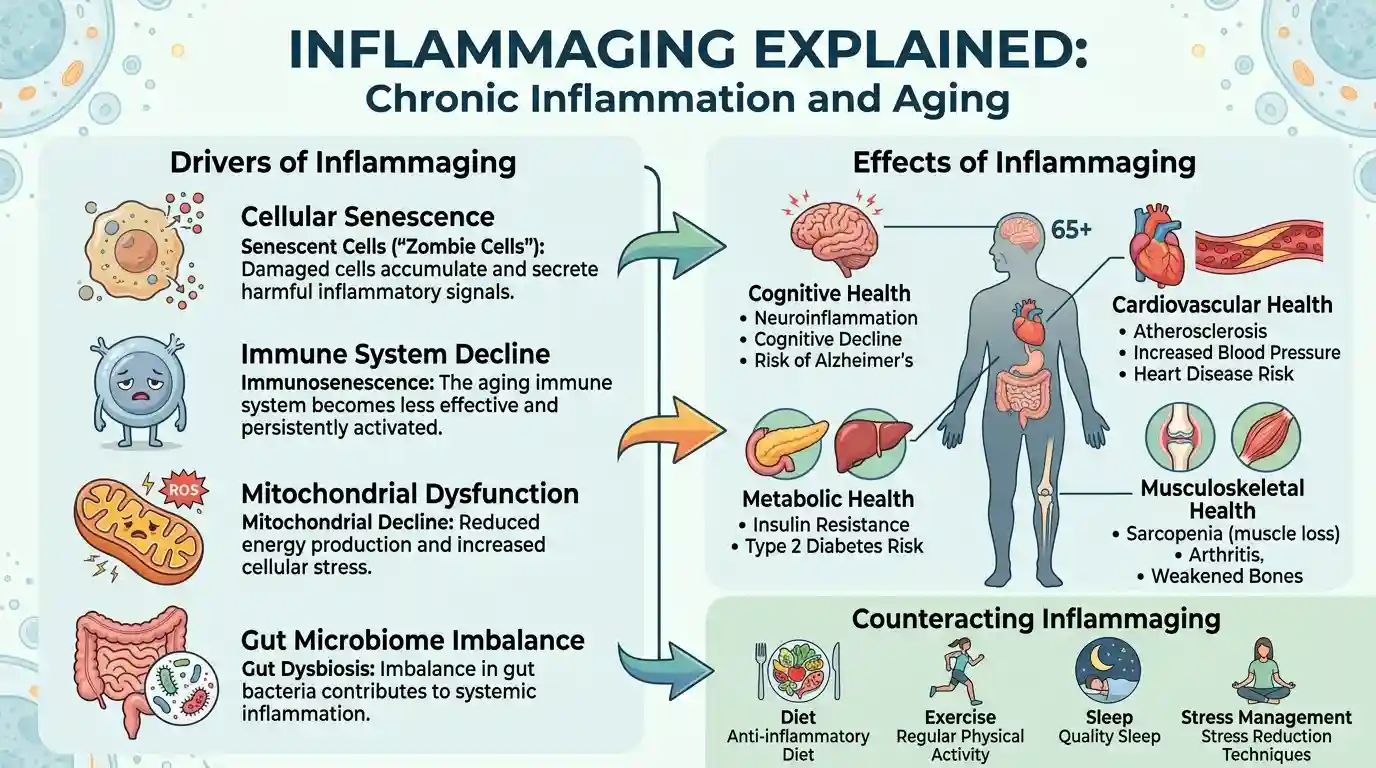
Table of Contents
Inflammaging, a term coined in the year 2000, refers to the chronic, low-grade, systemic inflammation that gradually increases with age, even in the absence of overt infection or disease. This persistent, simmering inflammatory state is now widely recognized as a pivotal driver of the aging process and a significant contributor to the development and progression of numerous age-related diseases. Unlike acute inflammation, which is the body’s beneficial and temporary response to injury or infection, inflammaging represents a maladaptive, prolonged immune activation that silently erodes tissues and accelerates biological decline. It’s a fundamental hallmark of aging, profoundly influencing our health and lifespan.
Introduction: Unveiling Inflammaging
The concept of inflammaging has transformed our understanding of aging, moving beyond the simple notion of wear and tear to recognize the active role of the immune system in age-related deterioration. This chronic, low-grade inflammatory state is characterized by elevated levels of pro-inflammatory markers in the blood, such as C-reactive protein (CRP), interleukin-6 (IL-6), interleukin-1β (IL-1β), and tumor necrosis factor-alpha (TNF-α). These inflammatory mediators, while crucial for acute immune responses, become detrimental when persistently elevated, contributing to systemic tissue damage, metabolic dysregulation, and impaired immune homeostasis over time.
Inflammaging is not merely a consequence of aging but an active process that precedes and promotes the onset of various age-related diseases. It is a complex and systemic issue, influenced by a confluence of genetic predispositions, lifestyle choices, and environmental exposures. Understanding the intricate mechanisms underlying inflammaging is crucial for developing effective strategies to mitigate its impact and foster healthier aging. This article will delve into the cellular and molecular underpinnings of inflammaging, its widespread effects on different organ systems, the factors that fuel this chronic inflammation, and evidence-based strategies to combat it.
The Science Behind Inflammaging: A Deeper Dive into Cellular Mechanisms
The origins of inflammaging are multifaceted, stemming from a complex interplay of immune dysregulation, metabolic imbalances, and the accumulation of damaged cells. Several key biological drivers contribute to this persistent inflammatory state.
Cellular Senescence: The “Zombie Cells” of Aging
One of the primary culprits in inflammaging is cellular senescence, a state where cells permanently cease to divide but remain metabolically active. These “senescent cells” or “zombie cells” accumulate with age in various tissues throughout the body. Rather than dying off, senescent cells adopt a distinct secretory profile known as the Senescence-Associated Secretory Phenotype (SASP).
The SASP involves the continuous release of a complex cocktail of pro-inflammatory cytokines (like IL-6, IL-8, IL-1α, and TNF-α), chemokines, growth factors, and proteases into the surrounding environment. This persistent secretion creates a local and systemic inflammatory milieu, significantly contributing to inflammaging. These SASP factors can also induce senescence in neighboring healthy cells through a “bystander effect,” further amplifying inflammation and tissue dysfunction. The accumulation of senescent cells impedes immune function, creating a vicious cycle that leads to even more senescent cells and increased inflammation. Normally, immune cells clear senescent cells, but this efficiency declines with age.
Inflammasomes and the Inflammatory Cascade
Another critical mechanism contributing to inflammaging is the over-activation of inflammasomes. Inflammasomes are multi-protein complexes of the innate immune system that act as intracellular sensors for danger signals. When activated, they modulate caspases, which in turn cleave pro-inflammatory cytokines like pro-IL-1β and pro-IL-18 into their active forms, triggering a potent inflammatory response.
During aging, persistent activation of inflammasomes, particularly the NLRP3 inflammasome, leads to a steady release of IL-1β and IL-18. This sustained activation is driven by various endogenous signals, including damage-associated molecular patterns (DAMPs) released from damaged cells, mitochondrial dysfunction, and the accumulation of reactive oxygen species (ROS). The resulting chronic inflammatory signaling, often in a sterile context (without overt infection), fuels inflammaging and contributes significantly to age-related pathologies.
The Vicious Cycle: How Chronic Inflammation Accelerates Aging
Inflammaging is not a passive process; it actively drives and accelerates various aspects of biological aging, creating a detrimental feedback loop. This chronic, low-grade inflammation alters cellular signaling pathways, accelerates tissue breakdown, impairs repair mechanisms, and disrupts metabolic function.
Over time, persistent inflammatory signaling interferes with crucial cellular processes such as mitochondrial energy production, insulin sensitivity, and hormonal balance. This interference not only increases the risk of age-related diseases but also leads to subtle declines in energy, cognition, mobility, and overall resilience, often making individuals “feel older than they should” in midlife. The immune system itself becomes dysregulated with age, a phenomenon known as immunosenescence. While the adaptive immune system (responsible for targeted responses) declines, the innate immune system (the body’s first line of defense) can become overactive and less precise, contributing to the pro-inflammatory phenotype characteristic of inflammaging. This remodeling of the immune system further impairs the body’s ability to control systemic inflammation, creating a less efficient response to pathogens and a continuous inflammatory state.
The accumulation of damaged macromolecules, impaired autophagy (cellular housekeeping), and gut microbiota dysbiosis also contribute to this vicious cycle. When autophagy declines, damaged proteins and organelles accumulate, which can be recognized as threats, triggering further inflammatory responses. Moreover, a compromised gut barrier can allow bacterial components to leak into the bloodstream, constantly stimulating the immune system and fueling systemic inflammation. These interconnected factors collectively perpetuate inflammaging, leading to a progressive decline in tissue resilience and repair capacity.
Manifestations of Inflammaging: Impact on Organ Systems
The systemic nature of inflammaging means its detrimental effects are not confined to one area but ripple across nearly every organ system, significantly increasing susceptibility to a wide array of age-related diseases and functional declines.
Inflammaging has been strongly linked to the worsening of age-related diseases, including cardiovascular diseases, cancer, chronic kidney disease, dementia, osteoporosis, sarcopenia, and frailty. It is considered a significant risk factor for mortality and morbidity in aged individuals.
| Organ System | Impact of Inflammaging | Associated Age-Related Conditions |
|---|---|---|
| Cardiovascular System | Promotes arterial thickening and hardening, endothelial dysfunction, and atherosclerotic plaque instability. | Atherosclerosis, heart disease, increased risk of heart attacks and strokes. |
| Nervous System (Brain) | Induces neuroinflammation, disrupts the blood-brain barrier, impairs neuronal function, and leads to cognitive decline. | Alzheimer’s disease, Parkinson’s disease, dementia, brain fog. |
| Musculoskeletal System | Contributes to muscle protein breakdown, impaired muscle regeneration, and bone density loss. | Sarcopenia (muscle loss), frailty, osteoporosis, osteoarthritis. |
| Metabolic System | Interferes with insulin sensitivity and promotes the accumulation of inflammatory fat tissue. | Type 2 diabetes, metabolic dysfunction, obesity. |
| Immune System | Leads to immunosenescence, characterized by a less efficient response to pathogens and chronic systemic inflammatory phenotypes. | Increased susceptibility to infections, impaired vaccine response, autoimmune disorders. |
| Skin | Accelerates skin aging by altering the microenvironment and impairing basal keratinocyte proliferation. | Wrinkles, thinning skin, increased susceptibility to skin infections and cancers. |
Beyond specific diseases, inflammaging contributes to global indicators of poor health, such as multimorbidity (the presence of multiple coexisting diseases), mobility disability, and frailty, which is characterized by weakness, fatigue, unintentional weight loss, and slower walking speed. It can also make individuals feel more tired and lethargic.
Factors Contributing to Inflammaging: Lifestyle and Environment
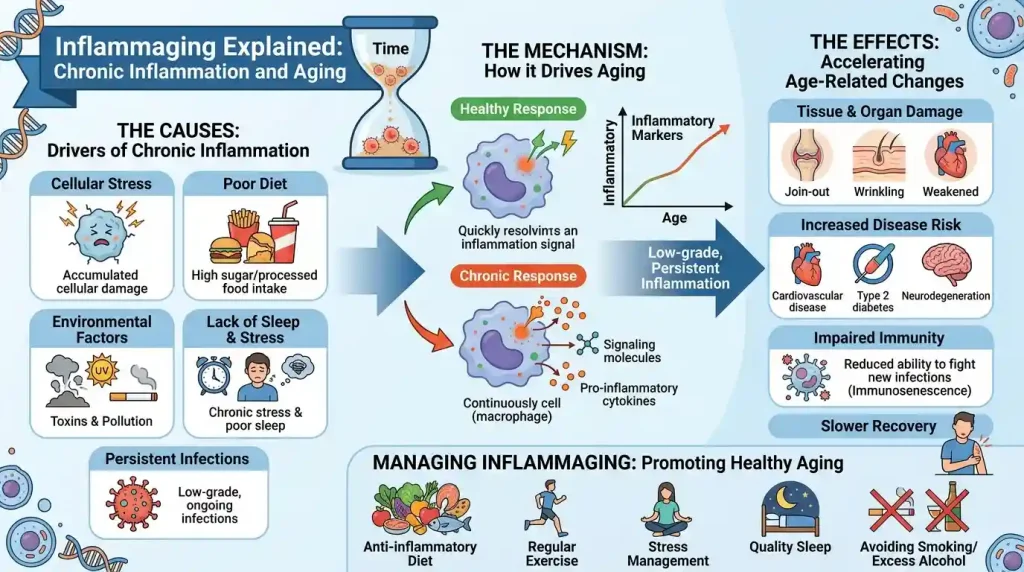
While aging is an undeniable factor, inflammaging is significantly exacerbated by a range of lifestyle and environmental elements. These factors contribute to persistent immune activation and cellular damage, fueling the chronic inflammatory state. Environmental and lifestyle factors such as diet, pollution, stress, and chronic infections play a pivotal role in inflammaging by persistently activating immune and inflammatory pathways.
Poor dietary habits are a major contributor. Diets rich in saturated fats, trans-fats, refined sugars, and highly processed foods accelerate inflammaging by promoting advanced glycation end-products (AGEs), contributing to visceral fat accumulation, and damaging the gut lining. Visceral fat tissue, specifically, is a significant source of inflammatory chemicals known as adipokines, which spread systemic inflammation. Conversely, a diet lacking in fruits, vegetables, whole grains, and omega-3 fatty acids deprives the body of essential antioxidants and anti-inflammatory compounds.
Sedentary lifestyles and lack of physical activity are also strongly linked to increased inflammation. Regular exercise, particularly moderate-to-vigorous activity, can act on multiple levels to be anti-inflammatory, whereas inactivity can perpetuate a pro-inflammatory state.
Chronic stress significantly increases levels of the stress hormone cortisol, which, despite its acute anti-inflammatory effects, can lead to dysregulation and ultimately contribute to chronic inflammation over time. Poor sleep patterns and insufficient sleep are well-established to raise inflammation levels throughout the body. Inadequate sleep impairs the body’s ability to clear damaged cells and regulate inflammatory chemicals, particularly in the brain.
Other factors include smoking and excessive alcohol consumption, both of which are strong inducers of body-wide inflammation. Environmental pollutants and persistent viral or bacterial infections can also trigger ongoing inflammatory responses, contributing to inflammaging.
Strategies to Combat Inflammaging: Towards Healthier Aging
While aging is inevitable, inflammaging is not. There are numerous proactive strategies, primarily rooted in lifestyle modifications, that can effectively reduce chronic inflammation and promote healthier aging. The goal is not to suppress the immune system entirely but to restore balance and reduce unnecessary inflammatory burden.
Dietary Interventions
Adopting an anti-inflammatory diet is arguably one of the most powerful tools against inflammaging. This involves emphasizing whole, unprocessed foods and limiting inflammatory culprits.
- Embrace a Plant-Forward Diet: Prioritize fruits, vegetables, whole grains, nuts, and legumes. These foods are rich in antioxidants, fiber, and phytochemicals that combat oxidative stress and inflammation. Especially beneficial are colorful fruits like berries (rich in anthocyanins), leafy greens (spinach, kale), and cruciferous vegetables (broccoli, cauliflower).
- Include Healthy Fats: Focus on sources of omega-3 fatty acids, found in fatty fish like salmon, sardines, mackerel, and tuna, as well as flax seeds, walnuts, and soybeans. Omega-3s are potent anti-inflammatory agents. Monounsaturated fats, such as those in extra virgin olive oil and avocado oil, also help dampen inflammation.
- Limit Inflammatory Foods: Drastically reduce intake of highly processed foods, refined carbohydrates (white bread, pasta, sugary drinks), trans fats (fried foods, some packaged snacks), excessive red and processed meats, and high-fat dairy. These contribute to inflammation and visceral fat accumulation.
- Incorporate Anti-inflammatory Spices and Teas: Spices like turmeric (containing curcumin) and ginger have natural anti-inflammatory properties. Green, black, and white teas are also rich in antioxidants.
- Stay Hydrated: Drinking enough water helps support bodily functions and reduces stress, while sugary drinks and excessive alcohol can promote inflammation.
Exercise and Physical Activity
Regular physical activity is a powerful antidote to inflammaging. It modifies metabolism in an anti-inflammatory pattern and helps keep inflammation in check.
- Aim for Consistency: Engage in at least 150 minutes of moderate-to-vigorous aerobic exercise each week, such as brisk walking, biking, or swimming. Even light activity can be beneficial.
- Include Strength Training: Resistance training can reduce systemic inflammation and improve muscle health, which is critical given that inflammaging contributes to sarcopenia.
- High-Intensity Exercise: Recent research suggests that high-intensity interval training (HIIT) can significantly reduce markers of cellular senescence and promote the clearance of “zombie cells,” harnessing the body’s natural acute inflammatory response to induce beneficial cellular adaptations.
It is important to acknowledge that acute exercise does cause temporary muscle damage and inflammation, but this process mobilizes inflammation-countering T cells (Tregs) and contributes to overall anti-inflammatory effects in the long term. For further insights into the profound impact of physical activity on inflammation and aging, you can refer to the comprehensive article on Exercise on Wikipedia.
Stress Management and Sleep
Chronic stress and poor sleep patterns are significant drivers of inflammation.
- Manage Stress: Techniques such as meditation, yoga, deep breathing, and mindfulness-based stress reduction (MBSR) can help lower stress hormones like cortisol and reduce inflammatory markers.
- Prioritize Sleep: Aim for at least seven hours of quality sleep each night. During sleep, the body actively works to trim sources of inflammatory chemicals and clear damaged cells, particularly in the brain. Insomnia and poor sleep are directly linked to elevated inflammation.
Additionally, maintaining a healthy weight helps reduce the burden of inflammatory compounds secreted by excess visceral fat. Avoiding tobacco and limiting alcohol are also crucial steps to combat body-wide inflammation.
The Future of Anti-Inflammaging Research and Therapies
The growing understanding of inflammaging has opened exciting avenues for research and the development of novel therapeutic strategies aimed at promoting healthy aging and extending healthspan. The field of geroscience increasingly recognizes that targeting chronic inflammation is central to these goals.
One major area of focus is the development of senolytics and senomorphics. Senolytics are compounds designed to selectively destroy senescent cells, while senomorphics aim to modify their deleterious SASP. Early research, particularly in animal models, has shown promising results in attenuating age-related disorders by clearing senescent cells.
Another promising direction involves targeting inflammasomes, especially the NLRP3 inflammasome, which plays a critical role in metabolic signals and various age-related diseases. Suppressing NLRP3 activation has shown promise in animal studies to reduce chronic inflammation.
Research is also exploring immunomodulation strategies to restore a balanced immune response in older adults. This includes investigating the role of anti-inflammatory mediators (like IL-10) and composite ratios of inflammatory markers to better index inflammatory balance. Advances in understanding the gut microbiome’s role in inflammaging are also paving the way for interventions that aim to restore gut integrity and beneficial bacterial populations.
While non-specific anti-inflammatory therapies (like glucocorticoids and TNF inhibitors) have long been used for specific inflammatory diseases, future research aims for more targeted approaches to modulate inflammation without broadly suppressing the immune system. The development of sophisticated multi-omic biomarker panels and objective scoring systems may also help identify individuals at higher risk of inflammaging-related diseases and guide precision therapeutic choices.
Conclusion: Embracing a Proactive Approach to Aging
Inflammaging is a fundamental and pervasive aspect of biological aging, contributing significantly to a wide spectrum of age-related diseases and functional decline. This chronic, low-grade, sterile inflammation, driven by mechanisms such as cellular senescence, inflammasome activation, and immune dysregulation, acts as a silent accelerator of aging processes. While the accumulation of inflammatory markers is a natural consequence of chronological age, proactive lifestyle choices offer a powerful means to mitigate its detrimental effects.
By embracing an anti-inflammatory diet rich in whole foods, engaging in regular physical activity, prioritizing quality sleep, and effectively managing stress, individuals can significantly reduce their inflammatory burden. These interventions not only help to lower systemic inflammation but also foster a more robust and balanced immune system, ultimately supporting a healthier and more vibrant aging process. As scientific understanding of inflammaging continues to advance, the integration of cutting-edge therapies with sustained lifestyle modifications holds the promise of extending both lifespan and healthspan, allowing more individuals to experience aging with vitality and resilience. The journey towards healthier aging begins with recognizing and actively addressing the silent fire of inflammaging within us.