6 Breakthroughs in Reverse Aging Science – Can We Slow Down Growing Older?
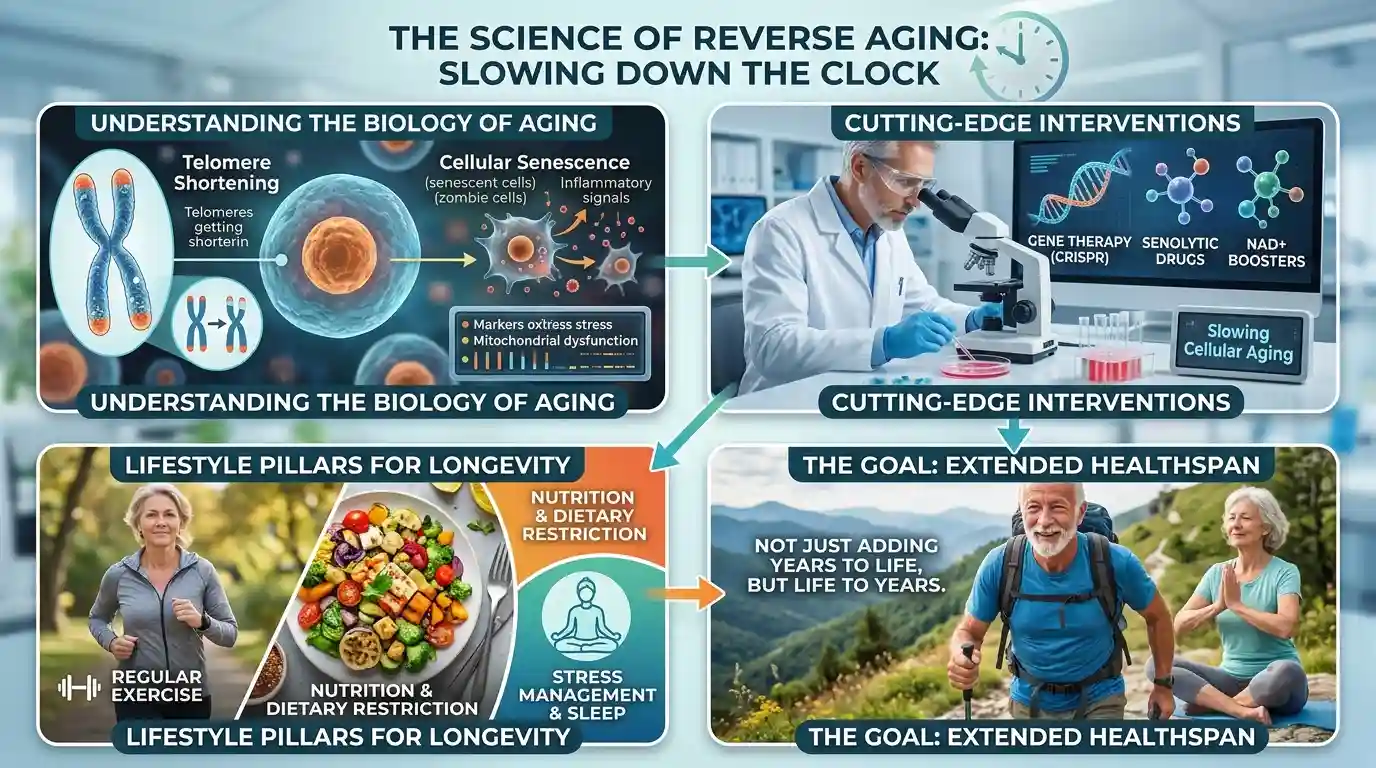
Table of Contents
Reverse aging science, once relegated to the realm of science fiction, is rapidly evolving into a legitimate field of scientific inquiry, challenging long-held assumptions about the inevitability of age-related decline. For centuries, humanity has dreamt of the ‘fountain of youth,’ a magical elixir or process that could turn back the hands of time. Today, this ancient quest is being pursued with unprecedented scientific rigor, driven by a deeper understanding of the biological mechanisms that underpin aging itself. The central question that scientists and the public alike are grappling with is: can we slow down, stop, or even reverse the process of growing older, and what would that mean for individuals and society?
Introduction: The Quest for Longevity and Youth
The concept of aging, traditionally viewed as an irreversible decline in physiological functions, is undergoing a profound re-evaluation. Modern longevity research suggests that aging may not simply be the accumulation of damage but rather a process partly driven by reversible changes in gene regulation. This paradigm shift has opened new avenues for therapeutic interventions aimed at extending not just lifespan, but more importantly, “healthspan” – the period of life spent in good health and free from chronic diseases. The global population is continuously increasing and progressively aging, leading to a rise in chronic diseases and a greater societal burden. This demographic trend underscores the urgency and significance of reverse aging research.
Scientists are increasingly focused on understanding the fundamental biological processes that contribute to aging at molecular and cellular levels. The goal is to develop targeted interventions, ranging from lifestyle modifications to advanced pharmaceutical and genetic therapies, that can address these underlying mechanisms. The promise of reverse aging science is not merely to allow people to live longer, but to enable them to live healthier, more vibrant lives well into what was once considered old age. However, the journey is complex, fraught with scientific challenges, ethical dilemmas, and societal considerations that demand careful navigation.
Understanding the Biology of Aging: Hallmarks of Time
To effectively slow down or reverse aging, scientists must first understand its intricate biological underpinnings. The prevailing scientific consensus identifies a set of interconnected processes, known as the “hallmarks of aging,” that drive the progressive loss of physiological integrity and increase susceptibility to age-related diseases. While initially proposed as nine hallmarks, this list has evolved to include additional factors, providing a comprehensive framework for aging research.
These hallmarks represent the molecular and cellular damage that accumulates over time, leading to the functional decline observed with aging. Key hallmarks include:
- Genomic Instability: Our DNA, the blueprint of life, is constantly exposed to damage from internal and external factors. Over time, the body’s ability to repair this damage diminishes, leading to mutations, deletions, and other forms of genomic instability that compromise cellular function and are characteristic of many age-related diseases, including cancer.
- Telomere Attrition: Telomeres are protective caps at the ends of chromosomes that safeguard DNA integrity during cell division. With each division, telomeres naturally shorten. Critically short telomeres trigger cellular senescence or apoptosis (programmed cell death), contributing to aging and age-related conditions like cardiovascular disease, cancer, and neurodegeneration.
- Epigenetic Alterations: Epigenetics refers to changes in gene expression that do not involve alterations to the underlying DNA sequence. As we age, epigenetic marks can become dysregulated, leading to aberrant gene activity that drives cellular dysfunction and contributes to the aging process.
- Loss of Proteostasis: Proteostasis, or protein homeostasis, is the cellular process of maintaining a healthy balance of proteins. With age, the machinery responsible for protein synthesis, folding, and degradation becomes less efficient, leading to the accumulation of misfolded or damaged proteins. This loss of proteostasis is linked to neurodegenerative diseases like Alzheimer’s and Parkinson’s.
- Deregulated Nutrient Sensing: Cellular pathways that sense nutrient availability, such as mTOR, AMPK, and sirtuins, play crucial roles in regulating metabolism and cellular responses to stress. With age, these pathways can become dysregulated, contributing to metabolic disorders and accelerating aging.
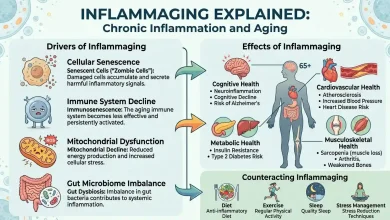
- Mitochondrial Dysfunction: Mitochondria are the powerhouses of our cells, responsible for generating energy. As we age, mitochondrial function declines, leading to reduced energy production, increased oxidative stress, and accumulation of mitochondrial DNA mutations, all of which fuel the aging process.
- Cellular Senescence: Senescent cells are “zombie” cells that stop dividing but remain metabolically active, secreting inflammatory molecules that damage surrounding tissues. The accumulation of senescent cells contributes to chronic inflammation and various age-related diseases.
- Stem Cell Exhaustion: Stem cells are vital for tissue repair and regeneration. With age, the number and functional capacity of stem cells decline, impairing the body’s ability to heal and maintain tissues, leading to age-related decline and disease.
- Altered Intercellular Communication: As cells age, their communication networks can become disrupted. This includes changes in hormone signaling, neurotransmission, and the secretion of inflammatory factors, contributing to systemic aging.
Current Frontiers in Reverse Aging Research
Armed with a deeper understanding of the hallmarks of aging, scientists are actively exploring various cutting-edge approaches to intervene in and potentially reverse the aging process. These efforts span cellular, genetic, and pharmacological domains.
Cellular Reprogramming and Senolytics
Cellular reprogramming is one of the most exciting developments in longevity science. This technique aims to reset a cell’s biological age by altering its epigenetic state. Pioneering work by Shinya Yamanaka in 2006 demonstrated that introducing four transcription factors (Oct4, Sox2, Klf4, and cMyc, collectively known as Yamanaka factors) could revert adult cells into induced pluripotent stem cells (iPSCs), effectively resetting their biological clock to an embryonic-like state. While full reprogramming erases cell identity and is not suitable for therapeutic rejuvenation, partial cellular reprogramming, involving the transient activation of a subset of these factors (often Oct4, Sox2, and Klf4, or OSK), has shown immense promise. This approach has been shown to reverse cellular aging markers, restore youthful gene expression patterns, improve tissue function, and even extend lifespan in animal models without erasing cellular identity. For instance, studies have shown that OSK gene reprogramming can significantly extend the lifespan of mice. Researchers are now developing new ways of delivering these factors, with some clinical trials focused on translating this insight into human therapy.
Another prominent strategy involves senolytics, a class of drugs designed to selectively kill senescent cells. By clearing these “zombie” cells that contribute to chronic inflammation and tissue damage, senolytics aim to mitigate age-related pathology. While still largely in preclinical stages, some senolytics are entering early-stage clinical trials, showing promise in extending health spans and potentially reversing aspects of aging.
Gene Therapy and CRISPR Technology
Gene therapy has emerged as a transformative approach to address aging at its root, enabling durable expression of protective factors within the body’s own cells. This involves using genetic material to treat, prevent, or cure the processes of aging. Key targets include genes that regulate telomere length, oxidative stress, inflammation, and cellular metabolism. For example, increasing the expression of the Klotho (KL) protein, a powerful endogenous regulator of metabolism and oxidative stress, has shown pro-longevity benefits in animal models and improved cognitive test scores in human patients with dementia after gene therapy. Similarly, gene therapies targeting telomerase reverse transcriptase (TERT) aim to lengthen telomeres, which are protective caps that shorten with age, to prevent or even reverse the progression of age-related neurodegenerative diseases like Alzheimer’s.
CRISPR-Cas9 technology, a powerful gene-editing tool, offers groundbreaking potential for correcting gene-mediated age-related pathology and restoring the vitality of aged stem cells. CRISPR can precisely edit genes that contribute to senescence, modify pathways involved in cellular aging, and even reactivate telomerase expression to lengthen telomeres. Researchers have successfully used CRISPR to edit the KL gene in mice, leading to improved cognition, muscle strength, and lifespan. The ability to systematically identify gene knockouts that impact aging in neural stem cells of the brain using CRISPR-Cas9 screens further highlights its potential for rejuvenating aging tissues. However, the translation of CRISPR-based therapies to humans still faces challenges regarding safety, delivery, off-target effects, and significant ethical considerations, especially concerning germline editing.
Pharmacological Interventions
Several pharmacological agents are being investigated for their potential anti-aging effects, targeting various hallmarks of aging:
- Metformin: Widely used for type 2 diabetes, metformin has shown promise in retarding aging in model organisms and reducing the incidence of age-related diseases in humans. It influences metabolic and cellular processes associated with aging, including energy regulation, inflammation, and autophagy. Studies in monkeys have shown a significant reduction in brain age and a reversal of aging in various tissues, including the lungs, kidneys, liver, skin, and muscles. The large-scale clinical trial “Targeting Aging with Metformin” (TAME) is underway to further explore its anti-aging role in humans.
- Rapamycin: Originally an immunosuppressant drug, rapamycin (also known as Sirolimus) has garnered significant interest for its anti-aging properties. It acts by inhibiting the mTOR protein, a key regulator of cell growth and metabolism. Studies in mice have shown that rapamycin can extend lifespan by 9-14% and enhance cellular repair mechanisms. Human trials are ongoing to test its safety and effectiveness for longevity, with some early findings suggesting improvements in lean tissue mass, pain reduction in women, and enhanced emotional well-being and general health in older adults at low doses. However, more rigorous human studies are needed to confirm these effects and determine optimal dosing and long-term safety, as high doses can have significant side effects.
- NAD+ Precursors (NMN, NR): Nicotinamide adenine dinucleotide (NAD+) is a crucial molecule involved in cellular energy, DNA repair, and hundreds of vital functions. NAD+ levels naturally decline with age, contributing to various age-related deficits. Supplementation with NAD+ precursors like Nicotinamide Mononucleotide (NMN) and Nicotinamide Riboside (NR) has been shown to elevate NAD+ levels in tissues, potentially countering age-related decline, improving physical performance, and supporting cellular health. Both NMN and NR are being actively researched, with promising results in animal models and early human trials, showing benefits for cellular health, muscle function, and aging markers.
| Intervention Type | Mechanism of Action | Key Research Findings / Potential Benefits | Challenges / Considerations |
|---|---|---|---|
| Cellular Reprogramming (Partial) | Resets epigenetic clock, restores youthful gene expression by transiently activating Yamanaka factors (OSK). | Reverses cellular aging markers, improves tissue function, extends healthspan/lifespan in mice. Potential for rejuvenating various organs. | Ensuring safety (avoiding uncontrolled cell growth/cancer), optimizing delivery methods, maintaining cell identity, high costs. |
| Senolytics | Selectively eliminates senescent (“zombie”) cells that accumulate with age and cause inflammation. | Reduces chronic inflammation, mitigates age-related diseases, extends healthspan in animal models. Some in early human trials. | Identifying specific senescent cell types, potential off-target effects, long-term safety in humans. |
| Gene Therapy (e.g., Klotho, TERT) | Delivers genetic material to cells to produce protective proteins or modify gene expression, addressing genetic causes of aging. | Improved cognition, muscle strength, lifespan extension in animal models (Klotho); telomere lengthening to prevent neurodegeneration (TERT). | Safe and precise delivery of genetic material, potential for off-target effects, ethical concerns, regulatory hurdles. |
| CRISPR-Cas9 | Precise editing of genes to correct age-related mutations, enhance longevity genes, or reactivate telomerase. | Restores vitality of aged stem cells, improves cellular senescence, extends lifespan in animal models. | Accuracy and off-target editing, ethical debates (designer babies, germline editing), regulatory oversight, high costs. |
| Metformin | Modulates nutrient sensing (AMPK pathway), reduces inflammation, improves mitochondrial function, promotes autophagy. | Delays aging in animal models, reduces incidence of age-related diseases (e.g., cancer, neurodegeneration) in humans, reduces biological brain age. | Side effects (gastrointestinal, lactic acidosis in some), not all individuals derive same benefit, further human trial data (TAME) awaited. |
| Rapamycin | Inhibits mTOR pathway, affecting cell growth, metabolism, and immune function. | Extends lifespan in mammals, enhances cellular repair, may improve muscle mass and well-being in older adults. | Significant side effects at higher doses (immunosuppression, metabolic issues), limited human data for longevity, optimal dosing unclear. |
| NAD+ Precursors (NMN, NR) | Replenish declining NAD+ levels, which are critical for cellular energy, DNA repair, and sirtuin activity. | Elevates NAD+ levels in tissues, counters age-related deficits, improves physical performance, supports cellular health, reduces inflammatory markers. | Effectiveness and long-term safety still under investigation in humans, optimal dosing, bioavailability variations. |
Lifestyle and Nutritional Approaches to Slowing Aging
While cutting-edge scientific interventions hold immense promise, established lifestyle and nutritional strategies remain foundational for promoting healthy aging and potentially slowing down the biological clock. These approaches directly impact several hallmarks of aging and are accessible to everyone.
- Exercise: Regular physical activity is a powerful anti-aging intervention. Exercise has been shown to counteract several hallmarks of aging, including cellular senescence and age-associated inflammation. High-intensity aerobic exercise, in particular, can reverse some cellular aspects of aging by improving mitochondrial function, enhancing muscle protein synthesis, and even increasing telomere length, especially in older adults. Studies suggest that consistently high levels of physical activity can lead to significantly longer telomeres compared to sedentary lifestyles, correlating to a biological aging advantage of several years. The benefits extend to cardiovascular health, muscle mass, insulin sensitivity, and cognitive function.
- Dietary Interventions: What we eat fundamentally impacts our aging process. Diets rich in whole grains, fruits, vegetables, nuts, and legumes are consistently associated with lower mortality and healthy longevity, reducing the risk of chronic diseases like heart disease, diabetes, and certain cancers. Specific dietary patterns, such as the Mediterranean Diet, have strong evidence for reducing the risk of obesity, type 2 diabetes, hypertension, and cardiovascular mortality, thus contributing to increased longevity. Limiting red and processed meats, sugar-sweetened beverages, sodium, and refined grains is also crucial.
- Caloric Restriction and Fasting: Research has consistently shown that caloric restriction, reducing calorie intake without malnutrition, can extend lifespan and healthspan in various animal models. While direct human application is complex, the underlying mechanisms, such as improved metabolic health and cellular resilience, are highly relevant. Intermittent fasting and time-restricted eating are gaining popularity as ways to achieve some benefits of caloric restriction, promoting cellular repair processes like autophagy. Valter Longo’s “longevity diet,” for instance, emphasizes mostly plant-based foods, low but sufficient protein, healthy fats, and limiting food consumption to a 11-12 hour window, with periodic fasting-mimicking cycles.
Ethical and Societal Implications of Reverse Aging
As reverse aging science advances, it brings forth profound ethical, economic, and societal questions that demand careful consideration. The prospect of significantly extending human healthspan and lifespan challenges existing norms and raises complex dilemmas.
One major concern is the potential for exacerbating existing inequalities. The high cost of developing and administering age-reprogramming therapies could restrict their initial availability to wealthier individuals and nations, creating a widening health disparity between those who can afford longevity interventions and those who cannot. This raises fundamental questions about equitable access to healthcare resources and could lead to a “two-tiered” society where only the affluent benefit from prolonged health and productivity. International cooperation and robust ethical frameworks will be crucial to establish norms for sharing anti-aging technologies under global public-good principles.
Furthermore, altering fundamental biological processes through interventions like gene editing raises ethical debates about unintended consequences, such as off-target effects or the potential for germline editing, which could affect future generations. There are also philosophical questions about what it means to be human if the aging process is dramatically altered. Some ethicists contend that interfering with biological aging represents a fundamental shift in healthcare, transforming it from a tool for treating diseases into an enhancement technology aimed at extending life beyond natural limits.
The societal impacts could be immense. Extended human lifespans could lead to drastic changes in population demographics, social structures, economic systems, and environmental resources. While increased productivity from healthier older adults could boost economies, it could also strain social security systems, alter workforce dynamics, and raise questions about retirement ages and intergenerational equity. Discussions surrounding autonomy, informed consent in clinical trials with long-term unknown risks, and the redefinition of “natural” aging are paramount as these technologies mature. The legal and regulatory bodies are grappling with how to oversee such powerful technologies, emphasizing the need for rigorous clinical trials and adherence to ethical guidelines from organizations like the NIH and WHO.
The debate around whether aging is a “disease” that can and should be treated or a natural process to be accepted is central to these ethical considerations. The advancements in biogerontology suggest that organismal senescence is indeed a disease process with broad pathological consequences. If aging is treatable, then it compels us to pursue it energetically, despite the potential transformations to human society and even human nature that this could entail.
For more detailed information on the ethical considerations, one can refer to academic discussions and articles on the topic, such as those published by the Stanford Encyclopedia of Philosophy, which often delve into the philosophical and ethical dimensions of human longevity.
The Future of Anti-Aging: Hope or Hype?
The field of reverse aging science is at a pivotal moment, poised between groundbreaking discoveries in preclinical models and the challenging translation to safe and effective human therapies. The question of whether it represents hope or hype depends on one’s perspective and the timeline considered.
In the near term, the most tangible progress is likely to come from existing drugs like metformin and rapamycin, as well as lifestyle interventions. The TAME trial for metformin, for instance, is a critical step in establishing a clinical trial to prove that aging can be treated as a condition. Similarly, ongoing human trials for rapamycin are providing early insights into its safety and potential benefits in healthy aging adults. NAD+ precursors also show considerable promise for supporting cellular health and countering age-related deficits. These pharmacological approaches, alongside continued emphasis on diet and exercise, will likely form the vanguard of accessible anti-aging strategies in the coming years.
Further down the line, more revolutionary interventions like partial cellular reprogramming, gene therapy, and CRISPR technology hold immense potential. The ability to reset the biological age of cells and rejuvenate tissues in animal models is a profound scientific breakthrough, fundamentally challenging the notion of irreversible aging. However, translating these complex biological interventions into safe, scalable, and affordable human therapies requires overcoming significant hurdles, including ensuring safety, optimizing delivery mechanisms, and navigating stringent regulatory frameworks.
The future of anti-aging will likely involve a multifaceted approach, combining various strategies to target multiple hallmarks of aging simultaneously. Personalized medicine, utilizing AI and machine learning to predict aging patterns and tailor treatments to individual genetic and physiological profiles, will also play a crucial role. The shift from merely managing age-related diseases to proactively preserving health and extending healthspan could redefine medicine as we know it.
While challenges are substantial, the pace of discovery is accelerating. Interdisciplinary collaboration, robust ethical frameworks, and scalable technological innovations are key to transforming these therapies into practical healthcare solutions. The scientific community remains cautiously optimistic that, with continued research and responsible development, the promise of reverse aging science can indeed transition from hypothesis to tangible improvements in human health and longevity.
Conclusion
Reverse aging science represents one of the most exciting and transformative fields of modern biology. Moving beyond the speculative, researchers are systematically unraveling the complex mechanisms of aging, identifying specific cellular and molecular targets that contribute to age-related decline. From the meticulous study of the hallmarks of aging to the development of sophisticated interventions like cellular reprogramming, gene therapy, and targeted pharmacological agents, the quest to slow down growing older is progressing with remarkable speed. While a true “fountain of youth” remains elusive, the scientific advancements offer a compelling vision of a future where extended healthspans, reduced incidence of age-related diseases, and a profound improvement in the quality of later life are within reach. However, the journey is not without its complexities, demanding not only continued scientific innovation but also careful consideration of the ethical, social, and economic implications to ensure that the benefits of these revolutionary technologies are accessible and equitably distributed for the betterment of all humanity.