7 Vital Facts About Geriatric Age – Health Changes & Senior Care Tips
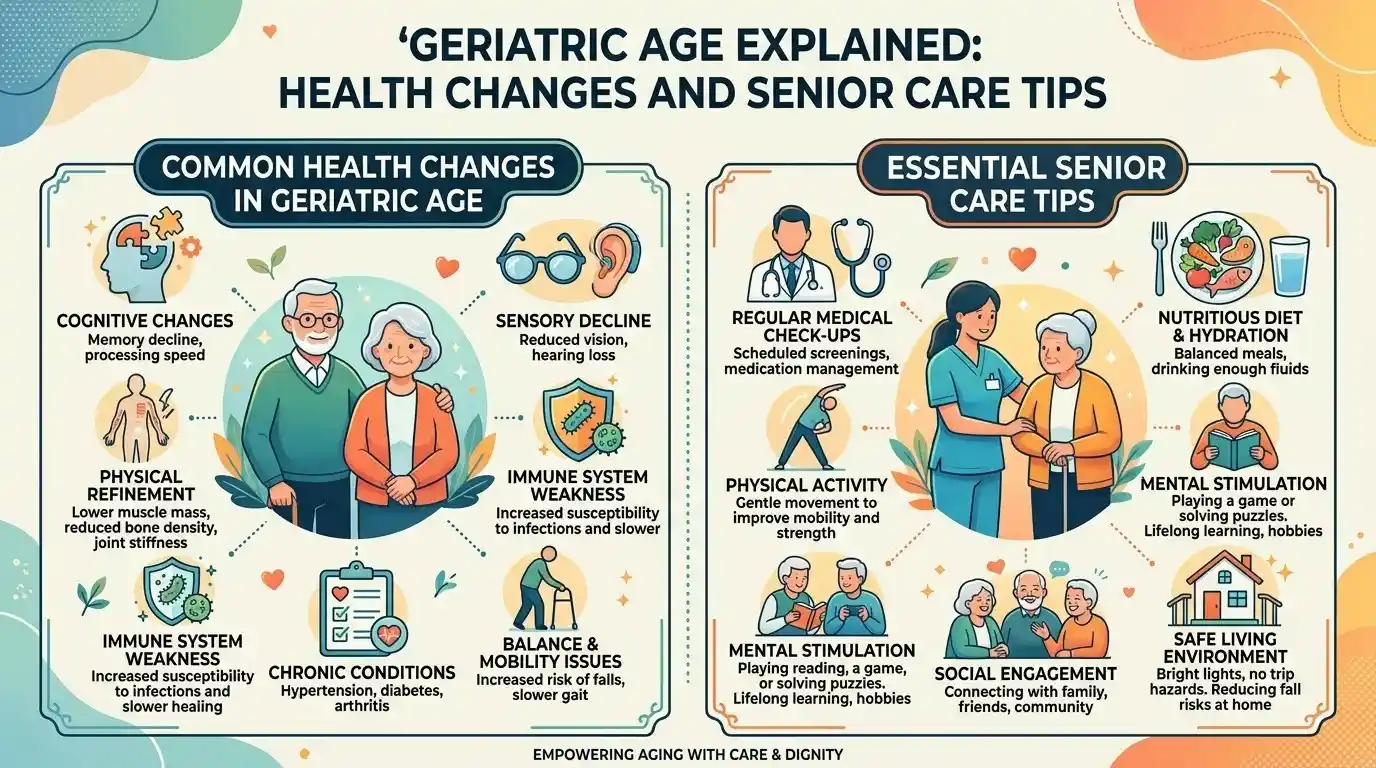
Table of Contents
Geriatric age represents a significant phase of life, often associated with a unique set of health changes and care requirements. While there’s no universally fixed age, individuals are typically considered elderly at 65, aligning with eligibility for programs like Medicare in the United States. However, aging is a highly individualized process, influenced by genetics, lifestyle, and overall health, meaning some may require geriatric expertise at a younger age. Understanding this stage involves recognizing the complex interplay of biological, psychological, and social factors that shape an older adult’s well-being. This article aims to provide a comprehensive overview of the physiological and cognitive transformations that occur during geriatric age and offers practical tips for effective senior care, fostering a higher quality of life for older adults.
Understanding Geriatric Age: What Does It Mean?
The term “geriatric” generally refers to medical care for older adults, and “gerontology” is the broader study of aging, encompassing biologic, sociologic, and psychological changes. While 65 years old is a common chronological benchmark for defining geriatric age, particularly for benefits like Medicare, it’s crucial to acknowledge that biological age can vary significantly from chronological age. Some sources suggest that most patients benefiting from a geriatrician’s care are typically 75 years of age or older, often presenting with chronic illnesses, impaired physical or cognitive function, depression, or problems with balance.
Population aging is a global phenomenon, with a significant shift towards older age groups. By 2050, it is projected that two-thirds of the world’s population over 60 years will reside in low- and middle-income countries. At a biological level, aging is characterized by the accumulation of molecular and cellular damage over time, leading to a gradual decline in physical and mental capacity, an increased risk of disease, and ultimately, death. This process is neither linear nor consistent, meaning that individuals experience aging differently. Beyond biological changes, aging is also linked to major life transitions such as retirement, relocating, and the loss of friends and partners.
Physiological Health Changes in Older Adults
As individuals enter geriatric age, the body undergoes a series of physiological changes across nearly all organ systems. These changes are a natural part of aging, though their rate and severity can differ greatly among individuals.
- Cardiovascular System: The heart and blood vessels stiffen with age, making the heart work harder to pump blood. While a healthy older heart generally functions well, differences become apparent during strenuous activities or illness. This increased workload raises the risk of high blood pressure and other cardiovascular conditions.
- Musculoskeletal System: Bones tend to lose density and size, becoming weaker and more prone to fractures, a condition known as osteoporosis. Muscle mass and strength decline, a process called sarcopenia, which affects endurance, flexibility, and coordination, increasing the risk of falls. Joint stiffness and less flexibility are also common.
- Respiratory System: Lung function gradually declines, with a weakening diaphragm and a loss of elasticity in lung tissue, leading to narrower airways and more difficult air passage.
- Skin: The skin thins, loses elasticity, and becomes more fragile due to reduced collagen and elastin production. Bruising occurs more easily, and the skin may become drier and more prone to irritation.
- Urinary System: The bladder may become less elastic, leading to more frequent urination. Weakening of bladder and pelvic floor muscles can contribute to difficulty fully emptying the bladder or urinary incontinence. Kidney function also typically declines with age, though often remaining sufficient for bodily needs.
- Immune System: Older adults often experience a less effective immune system, increasing their susceptibility to infections.
- Sensory Organs: Vision and hearing commonly diminish with age, impacting daily activities and communication.
Cognitive and Mental Health Aspects of Aging
While some cognitive changes are a normal part of aging, severe decline or mental health issues are not inevitable. For most older adults, age-associated changes in cognition are mild and do not significantly interfere with daily functioning.
- Memory and Learning: Short-term memory may show noticeable changes, such as misplacing items or having difficulty remembering information, but long-term memory declines less significantly. Learning new skills is still possible, though it may take longer.
- Dementia and Alzheimer’s Disease: Dementia, including Alzheimer’s disease, is a significant concern but is not considered a normal part of aging. These conditions involve severe problems with memory and everyday tasks, going beyond typical age-related memory lapses. Symptoms can include memory loss, difficulty with verbal expression, struggles with visual or spatial abilities, and trouble with problem-solving.
- Depression: Depression is the most prevalent mental health problem among older adults. It can be triggered by various factors such as the loss of a loved one, chronic illness, social isolation, retirement, or certain medications. Symptoms in older adults may differ from younger individuals, sometimes mimicking memory loss or physical illness, and it is often under-diagnosed and under-treated.
- Anxiety Disorders: Anxiety is also a common mental health concern in seniors, often stemming from significant life changes, physical challenges, or situational stress. Symptoms can include excessive worry, restlessness, difficulty sleeping, and avoiding social situations.
- Loneliness and Social Isolation: These are significant risk factors for mental health conditions in later life. Social isolation can lead to lower physical and emotional well-being and is linked to a higher risk of dementia.
Common Health Conditions in Geriatric Patients
Older adults are more susceptible to a range of chronic diseases and complex health states often termed “geriatric syndromes.” Approximately 92% of older adults have at least one chronic condition, and 77% have two or more. These conditions require careful management to maintain quality of life.
| Common Geriatric Health Condition | Description & Impact | Preventive/Management Strategies |
|---|---|---|
| Arthritis | Frequent in older adults, causing stiffness and discomfort in joints, often limiting activity and increasing susceptibility to other illnesses. | Activity plans, exercise, pain management. |
| Heart Disease | The leading cause of death among individuals 65 and older, encompassing conditions like chronic ischemic heart disease, congestive heart failure, and arrhythmia. Often linked to inactivity, obesity, or genetics. | Regular check-ups, heart-healthy diet, regular exercise, not smoking, managing stress. |
| Cancer | The second leading cause of death in elderly patients. | Regular screenings (breast, colorectal, prostate), healthy lifestyle. |
| Diabetes | Prevalence increases with age and weight. Can lead to kidney, heart, eye, and other organ problems. | Blood tests for early detection, healthy diet, physical activity. |
| Osteoporosis | Weakens bones, increasing the risk of fractures and breaks. More common in women after menopause. | Calcium and Vitamin D intake, weight-bearing exercise. |
| Chronic Obstructive Pulmonary Disease (COPD) | A common condition associated with aging. | Avoiding smoking, managing respiratory health. |
| Falls | A complex health state (geriatric syndrome) often resulting from multiple underlying factors including frailty, muscle weakness, and balance issues. | Balance exercises, strength training, home modifications, assistive technologies. |
| Urinary Incontinence | Another common geriatric syndrome that can significantly impact quality of life. | Addressing underlying causes, pelvic floor exercises, medical management. |
Nutrition and Diet for Healthy Aging
Nutritional needs change with age, and a balanced diet is crucial for maintaining health and vitality in geriatric years. Older adults may experience a diminished appetite, slower metabolism, and difficulty absorbing certain nutrients. The focus should be on nutrient-dense foods that provide essential vitamins and minerals without excessive calories, as energy needs typically decrease with age.
- Protein: Older adults may require more protein due to age-related muscle wasting (sarcopenia), recovery from surgery, and wound healing. Experts suggest aiming for 0.54 to 0.72 grams of protein per pound of body weight per day (1-1.2 grams per kilogram), distributed evenly across meals. Good sources include meat, fish, eggs, dairy, tofu, nuts, and legumes.
- Calcium and Vitamin D: These are vital for bone health, combating osteopenia and osteoporosis. Recommended daily intake for adults over 51 is 1,200 mg of calcium. For Vitamin D, those 51-70 years need 600 IU daily, increasing to 800 IU daily for those over 71. Sources include dairy, fortified foods, fatty fish, and egg yolks.
- Fiber: Fiber supports digestion and heart health. Recommended daily intake for those aged 60 and above is 30 grams for men and 21 grams for women. Fruits, vegetables, whole grains, nuts, and legumes are excellent sources.
- Vitamin B12: While daily needs don’t increase, older adults may have reduced ability to absorb B12. It’s crucial for energy and brain function. Sources include seafood, meat, dairy, eggs, and fortified cereals.
- Hydration: Older adults often experience a diminished sense of thirst, increasing the risk of dehydration. Adequate intake of water and unsweetened beverages is essential for digestion and nutrient absorption.
- Embrace Whole Foods: A diet rich in fruits, vegetables, whole grains, lean proteins, and healthy fats is recommended. Limiting processed foods, added sugars, saturated fats, and sodium is also important.
Essential Senior Care Tips for Families and Caregivers
Caring for older adults presents unique challenges and rewards. Effective caregiving involves a holistic approach, addressing physical, mental, emotional, and social needs. Caregivers often face significant demands, making self-care equally important.
- Build Trust and Show Empathy: Establishing trust is paramount, especially as older adults may initially be hesitant to accept help. Caregivers should demonstrate patience and compassion, understanding that even simple tasks can become challenging.
- Promote Regular Health Screenings and Vaccinations: Routine check-ups are vital for early detection and management of potential health problems. This includes annual wellness exams, screenings for various cancers, and monitoring chronic diseases like hypertension and diabetes. Staying up-to-date on vaccinations, such as influenza, pneumococcal, shingles, and COVID-19, is crucial for preventing serious illnesses.
- Encourage Physical Activity: Regular exercise, tailored to individual capabilities, is essential for maintaining physical health, mobility, and cognitive function. The U.S. Department of Health and Human Services recommends at least 150-300 minutes per week of moderate-intensity aerobic exercise, or 75-150 minutes of vigorous-intensity aerobic exercise. This can include walking, swimming, cycling, dancing, yoga, or tai chi. Strength training and balance exercises are also crucial to maintain muscle mass and reduce fall risk.
- Ensure a Safe and Comfortable Living Environment: Home modifications such as grab bars, improved lighting, and removing tripping hazards like rugs and electrical cords can significantly enhance safety and comfort. Assistive technologies and mobility aids can also support independence.
- Facilitate Social Engagement and Combat Loneliness: Loneliness and social isolation are prevalent among older adults and can negatively impact mental and physical health. Encouraging participation in social clubs, community activities, or even regular visits from family and friends can foster a sense of belonging and reduce isolation.
- Manage Medications Effectively: Many older adults take multiple medications, increasing the risk of adverse interactions and side effects. Caregivers should stay organized, keep detailed records of prescriptions, and ensure proper adherence. It is important to discuss all medications with healthcare providers to avoid polypharmacy (the use of multiple drugs for a single condition or illness).
- Support Personal Care Needs with Dignity: Assisting with personal hygiene tasks like bathing and dressing can be sensitive. It’s crucial to maintain the elder’s dignity, allow them to do as much as possible, and provide clear, step-by-step instructions.
- Care for the Caregiver: Caregiving can be physically and emotionally demanding, leading to stress, anxiety, and burnout. Caregivers must prioritize their own well-being by taking breaks, seeking support from family, friends, or support groups, and maintaining their own health appointments. The National Institute on Aging provides valuable resources for caregiver self-care.
Promoting Well-being and Quality of Life in Older Age
Promoting well-being and a high quality of life for older adults extends beyond merely addressing health issues; it involves a holistic approach that nurtures their independence, emotional health, and sense of purpose. Quality of life is highly personal, but generally encompasses being healthy, comfortable, and able to participate in enjoyable activities.
- Fostering Independence: Supporting older adults in maintaining their independence, even with assistance, contributes significantly to their self-worth and dignity. This can involve assistive technologies, home modifications, and encouraging participation in daily activities within their capabilities.
- Cultivating a Sense of Purpose: Seniors with a sense of purpose are often more engaged, less susceptible to cognitive impairment, and may live longer. Encouraging new hobbies, volunteering, learning new skills, or simply valuing their knowledge and experiences can provide this crucial sense of purpose.
- Maintaining Cognitive Stimulation: Engaging in mentally stimulating activities such as reading, puzzles, games, and learning new skills can help prevent cognitive decline and improve memory.
- Emotional Support and Mental Health: Providing strong emotional support and recognizing signs of mental health issues like depression and anxiety are paramount. Counseling and therapy can offer professional support and coping strategies.
- Preventive Healthcare Mindset: Adopting a proactive preventive health mindset is crucial. This includes regular screenings, vaccinations, chronic disease management, and nutrition counseling. Such measures not only reduce the risk of chronic diseases but also enhance overall quality of life.
Conclusion
Geriatric age is a complex yet enriching phase of life marked by diverse health changes that demand attentive and compassionate care. Understanding the physiological transformations, cognitive shifts, and common health conditions associated with aging is the first step toward providing effective support. By implementing comprehensive senior care tips – focusing on regular health screenings, tailored physical activity, optimal nutrition, a safe environment, social engagement, and robust emotional support – families and caregivers can significantly enhance the well-being and quality of life for older adults. The goal is not merely to extend life but to ensure those extended years are lived with dignity, purpose, and comfort, allowing seniors to thrive in their golden years.