7 Key Supplements David Sinclair Takes for Longevity & Healthy Aging
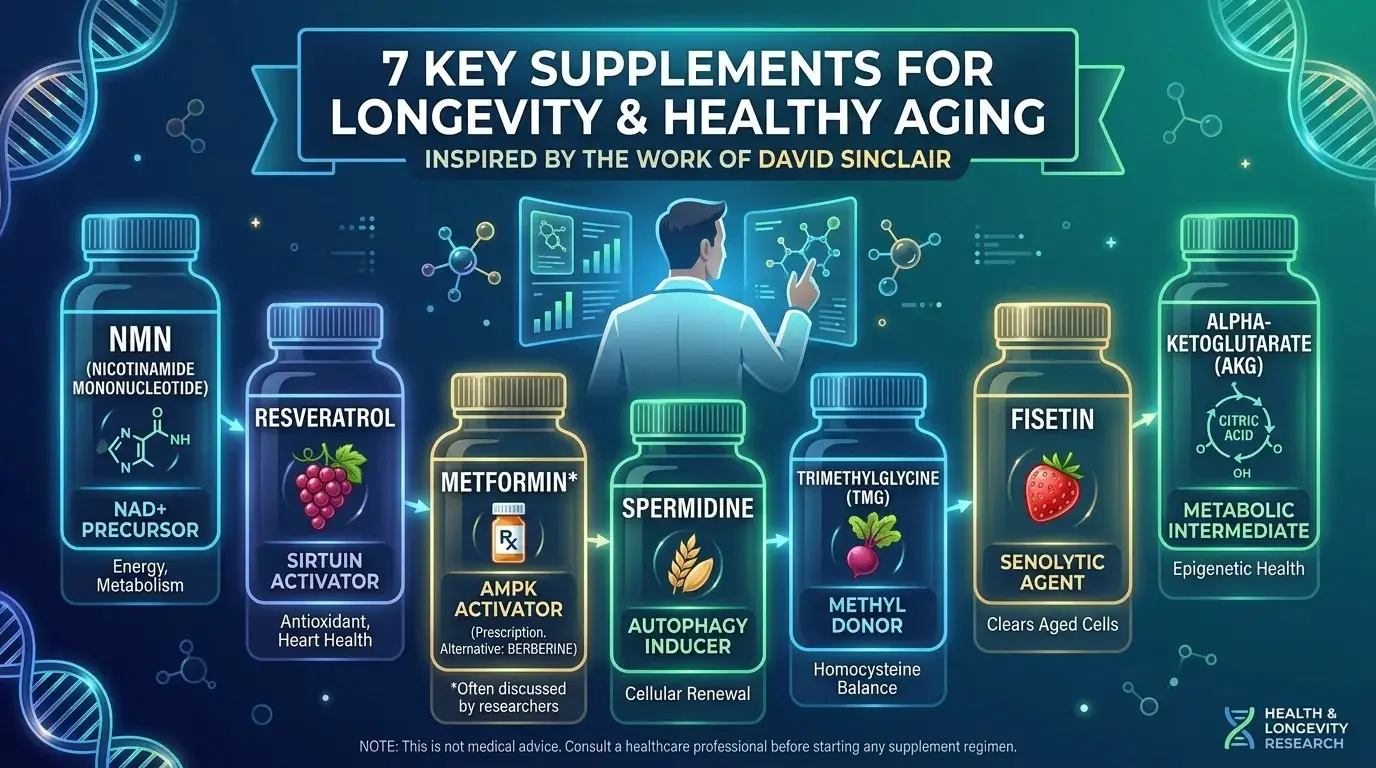
Table of Contents
David Sinclair Supplements for Longevity and Healthy Aging have become a focal point in the burgeoning field of geroscience, driven largely by the work and public discussions of Dr. David Sinclair. A prominent geneticist and professor at Harvard Medical School, Sinclair has dedicated his career to understanding why we age and how to potentially slow down or even reverse the process. His research, particularly on sirtuins and NAD+ metabolism, has brought specific compounds into the spotlight as potential tools for extending healthspan—the period of life spent in good health.
The Pursuit of Longevity: David Sinclair’s Vision
David Sinclair’s work has popularized the idea that aging is not an inevitable, uncontrollable process, but rather a treatable condition. He posits that aging is primarily a dysfunction in the way DNA is read and implemented in cells, referring to this as the “Information Theory of Aging”. According to this theory, while our DNA holds the original ‘music’ of youth, epigenetic changes—chemical tags on DNA that regulate gene expression—disrupt its reading over time, much like scratches on a CD prevent the correct playback. Sinclair’s research aims to ‘polish’ this biological system to restore cellular function and reverse aging at a cellular level. His book, Lifespan: Why We Age – and Why We Don’t Have To, co-written with Matthew LaPlante, has further amplified public interest in his theories and the potential of various interventions, including dietary supplements, to influence the aging process.
Understanding David Sinclair’s Philosophy on Aging
Sinclair’s philosophy on aging centers on activating specific cellular pathways that are believed to be crucial for repair, maintenance, and survival. These pathways, often referred to as “longevity genes,” include sirtuins, AMPK (AMP-activated protein kinase), and mTOR (mechanistic Target of Rapamycin) pathways. He suggests that by mimicking conditions that naturally activate these pathways, such as caloric restriction and exercise, we can potentially extend healthspan and lifespan.
His research has particularly highlighted the role of sirtuins, a family of seven proteins (SIRT1-SIRT7) that function as cellular guardians. Sirtuins are involved in critical processes such as DNA repair, inflammation reduction, energy metabolism, and maintaining genomic stability. For sirtuins to function effectively, they require a coenzyme called Nicotinamide Adenine Dinucleotide (NAD+).
Sinclair’s approach emphasizes a holistic strategy that combines lifestyle interventions with targeted supplementation. He stresses that while supplements can play a role, foundational habits like a healthy diet, regular exercise, and sufficient sleep are paramount. He practices intermittent fasting, often skipping meals and adhering to a narrow eating window, and advocates for a plant-based diet to optimize protein intake for longevity. He also emphasizes the importance of exercise, particularly activities that induce hypoxia (lowered oxygen levels) for at least 10 minutes, to stimulate muscle building and the release of age-slowing chemicals.
NAD+ and Sirtuins: The Master Regulators
Central to David Sinclair’s research and the discussion of longevity supplements is the interplay between NAD+ and sirtuins. NAD+ is an essential coenzyme found in every cell of the body, playing a crucial role in hundreds of cellular processes, including energy production, DNA repair, and cellular signaling. As we age, NAD+ levels naturally decline significantly, with studies suggesting a drop of up to 50% by middle age. This age-related decline in NAD+ is considered a key factor contributing to cellular dysfunction and the hallmarks of aging.
The importance of NAD+ is further underscored by its direct relationship with sirtuins. Sirtuins are a family of proteins that regulate various cellular functions related to aging and health, acting as a “master switch” for cellular maintenance. These proteins are NAD+-dependent, meaning they require NAD+ to perform their functions, such as repairing DNA damage and regulating gene expression. When NAD+ levels decline, sirtuin activity is compromised, accelerating aging processes.
Therefore, a primary strategy in Sinclair’s longevity protocol involves boosting NAD+ levels to enhance sirtuin activity. This is where supplements like Nicotinamide Mononucleotide (NMN) and Nicotinamide Riboside (NR) come into play, as they are precursors that the body can use to synthesize NAD+. Increasing NAD+ levels through supplementation is thought to support healthy aging, improve metabolic function, and promote overall cellular health.
David Sinclair’s Core Longevity Supplements
While David Sinclair’s supplement regimen can evolve, certain compounds have consistently been highlighted in his discussions and personal routine as central to his longevity strategy. The most prominent among these are Nicotinamide Mononucleotide (NMN) and Resveratrol.
NMN (Nicotinamide Mononucleotide)
NMN is a naturally occurring molecule that serves as a direct precursor to NAD+. As NAD+ levels decline with age, NMN supplementation is proposed as a way to replenish these levels, thereby supporting sirtuin activity and other vital cellular processes.
- Mechanism of Action: NMN is readily converted into NAD+ in the body. Increased NAD+ levels then fuel sirtuins, which are involved in DNA repair, epigenetic regulation, and energy metabolism. NAD+ is also crucial for PARPs (Poly-ADP-ribose polymerases), enzymes that repair damaged DNA.
- Proposed Benefits: Animal studies have shown that NMN supplementation can increase NAD+ levels, enhance energy metabolism, and extend lifespan, with some studies demonstrating improved physical performance and protection against age-related decline. In humans, preliminary trials suggest NMN can raise NAD+ concentrations, improve insulin sensitivity, muscle performance, and markers of vascular health, though larger, longer-term research is still needed. It may also help mitigate “inflammaging”—inflammation associated with aging.
- Sinclair’s Dosage: Sinclair has publicly stated he takes 1 gram of NMN daily, usually in the morning.
Resveratrol
Resveratrol is a natural polyphenol found in various plants, including grapes, red wine, peanuts, and blueberries. It has garnered significant attention for its potential anti-aging properties, primarily due to its role as a sirtuin activator.
- Mechanism of Action: Resveratrol is considered a potent activator of SIRT1, one of the sirtuin proteins. By activating SIRT1, resveratrol is thought to influence various cellular pathways, including those related to oxidative stress, inflammation, mitochondrial function, and DNA repair. It can also activate AMPK, which further promotes SIRT1 activity by increasing cellular NAD+ levels.
- Proposed Benefits: Studies suggest resveratrol may ameliorate oxidative stress, relieve inflammatory reactions, improve mitochondrial function, and regulate apoptosis. It has been linked to cardiovascular protection, neuroprotection, and even anti-cancer effects. Some research indicates it can increase lifespan in several model organisms and reduce the incidence of age-related diseases. However, a challenge with resveratrol is its low bioavailability and rapid metabolism in the liver.
- Sinclair’s Dosage: David Sinclair reportedly takes 1 gram of resveratrol daily, often with a source of fat like yogurt to enhance absorption.
Beyond the Core: Other Compounds and Lifestyle Factors
While NMN and resveratrol are often highlighted, David Sinclair and other longevity researchers discuss a broader array of compounds and, crucially, lifestyle practices that contribute to healthy aging. It’s important to note that some of these compounds are prescription drugs or have less established human longevity data than NMN and resveratrol.
Metformin
Metformin is a prescription drug primarily used to treat type 2 diabetes. However, it has garnered significant interest in the longevity field due to its ability to mimic some effects of caloric restriction and influence metabolic pathways.
- Mechanism of Action: Metformin weakly inhibits mitochondrial respiratory complex I, which leads to the activation of AMPK. This activation, in turn, can lower glucose production, improve insulin sensitivity, and stimulate mitochondrial activity. It is also thought to reduce inflammation and may alter the gut microbiome.
- Proposed Benefits: Early research suggests metformin may slow cancer, reduce heart disease, and could potentially limit the ravages of Alzheimer’s. Studies have shown it can extend lifespan in mice. In humans, clinical trials for diabetes patients suggest it protects against heart failure. However, human longevity data in non-diabetics is still limited, with the ongoing TAME (Targeting Aging with Metformin) trial aiming to provide clearer evidence on its effects on healthspan.
- Sinclair’s Approach: Sinclair has used metformin in the past, often taking 800-1000 mg in the evening. However, he now approaches its use more cautiously, noting it can counteract the benefits of aerobic and resistance exercise in older adults. He also suggests berberine as a natural alternative to metformin.
Spermidine
Spermidine is a natural polyamine found in ribosomes and living tissues, and also in various foods like aged cheese, mushrooms, and whole grains. Its levels in the body decline with age.
- Mechanism of Action: Spermidine stimulates autophagy, a crucial cellular process where cells clean out and recycle damaged or malfunctioning components, leading to cellular rejuvenation. It also exhibits anti-inflammatory and antioxidant properties, enhances mitochondrial function, and can regulate lipid metabolism.
- Proposed Benefits: External supplementation of spermidine has been shown to extend lifespan and healthspan across various species, including yeast, nematodes, flies, and mice. Epidemiological evidence suggests that increased dietary spermidine intake in humans is associated with reduced overall, cardiovascular, and cancer-related mortality. Human trials indicate potential improvements in memory and cognitive performance in older adults at risk of dementia.
- Sinclair’s Discussion: Sinclair has discussed spermidine favorably, although it’s not always confirmed as a consistent daily part of his regimen. Typical dosages mentioned are 1-2 mg daily.
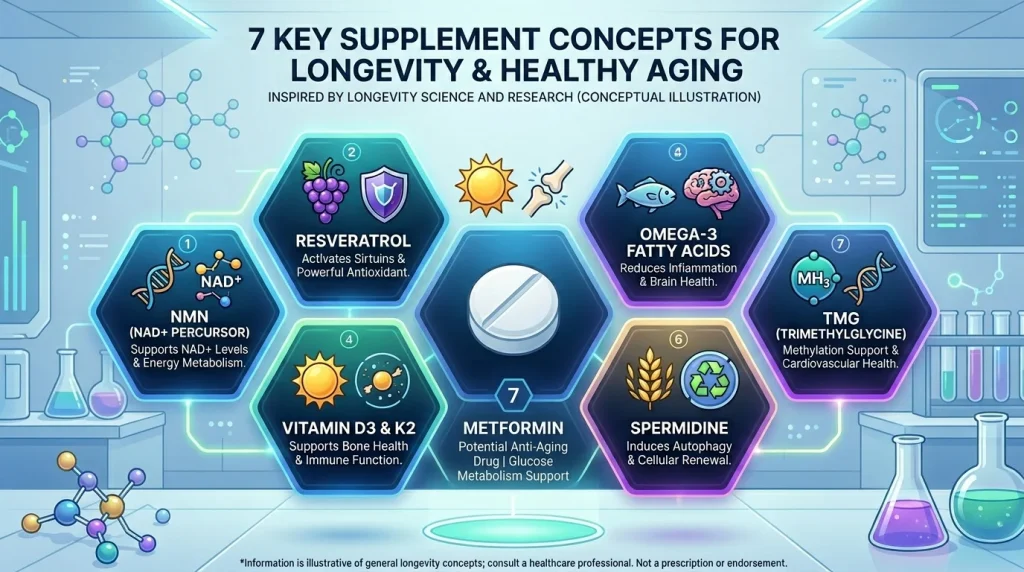
| Supplement | Key Role/Mechanism | Proposed Longevity Benefit | David Sinclair’s Reported Use (Approx.) | Research Status (Human) |
|---|---|---|---|---|
| NMN (Nicotinamide Mononucleotide) | NAD+ precursor, boosts sirtuin activity, supports DNA repair and energy metabolism. | Improved metabolic health, muscle function, vascular health, and potential slowing of biological age. | 1 gram daily. | Promising preliminary human trials, more large-scale, long-term studies needed. |
| Resveratrol | SIRT1 activator, antioxidant, anti-inflammatory, mitochondrial function enhancer. | Reduced oxidative stress and inflammation, improved cardiovascular health, neuroprotection. | 1 gram daily, with fat. | Extensively studied in animals, human evidence is growing but bioavailability is a challenge. |
| Metformin | AMPK activator, mimics caloric restriction, influences metabolism. (Prescription drug). | Potential for reduced age-related diseases, improved metabolic health, lifespan extension in animal models. | Previously 800-1000 mg in evening, now used cautiously. | Strong for diabetes, promising in animal longevity, human longevity data in non-diabetics is limited but subject of ongoing trials (e.g., TAME). |
| Spermidine | Autophagy inducer, anti-inflammatory, antioxidant, mitochondrial enhancer. | Cellular rejuvenation, reduced mortality, improved cardiovascular and cognitive health. | 1-2 mg daily (discussed, not consistently confirmed). | Promising epidemiological data and preliminary human trials for cognitive benefits. |
| TMG (Trimethylglycine) | Methyl donor, supports methylation, may prevent methyl depletion from high-dose NMN. | Supports liver function, heart health, metabolic health, and may enhance NAD+ precursor benefits. | 500-1000 mg daily. | Well-studied for metabolic health, limited specific longevity data. |
| Vitamin D3 & K2 | Essential vitamins for bone health, immune function, calcium regulation, and cardiovascular health. | Strengthens bones, boosts immune system, reduces inflammation, protects heart health. | D3: 4,000-5,000 IU; K2: 180-360 mcg (MK-7 form). | Strong evidence for general health benefits, potential impact on longevity. |
TMG (Trimethylglycine)
TMG, also known as Betaine, is a methyl donor that plays a role in various metabolic processes, including methylation. Sinclair has discussed TMG in conjunction with NMN supplementation.
- Mechanism of Action: When NAD+ precursors like NMN are metabolized, they consume methyl groups. TMG helps replenish these methyl groups, which is important for supporting overall methylation processes in the body. This can prevent potential issues related to methyl depletion when taking high doses of NAD+ precursors.
- Proposed Benefits: TMG is well-studied for its benefits in liver function, heart health markers, and exercise performance. By supporting methylation, it indirectly contributes to cellular health and may enhance the benefits of NAD+ precursors.
- Sinclair’s Dosage: Sinclair has mentioned taking 500-1,000 mg of TMG daily.
Vitamin D3 and K2
These two vitamins are often discussed together due to their synergistic roles in the body.
- Mechanism of Action: Vitamin D3 is crucial for calcium absorption, bone health, and immune system function. Vitamin K2 (specifically the MK-7 form) works with Vitamin D3 by directing calcium to the bones and preventing its buildup in arteries, thereby supporting cardiovascular health.
- Proposed Benefits: Strong evidence supports their benefits for bone health, immune function, and reducing inflammation. While their direct longevity effects are less proven compared to their overall health benefits, addressing deficiencies in these essential nutrients is considered fundamental for healthy aging. A recent study found that daily multivitamin supplementation, which includes these, may slow biological aging.
- Sinclair’s Dosage: Sinclair typically aims for 4,000-5,000 IU of Vitamin D3 daily and 180-360 mcg of Vitamin K2 (preferably MK-7).
Other Compounds and Lifestyle Factors
Sinclair has also discussed other compounds such as Fisetin and Quercetin (senolytics that target senescent cells), L-Taurine, and Omega-3 Fish Oil, though their consistent daily use in his regimen may vary or be less emphasized in recent discussions. He also mentions the importance of avoiding sugar, bread, meat, dairy products, and alcohol for decelerating aging, emphasizing that a plant-based diet, intermittent fasting, and regular exercise are crucial lifestyle pillars. The power of these lifestyle choices in influencing NAD+ levels and activating sirtuins is significant.
Important Considerations and the Future of Longevity
While David Sinclair’s work has propelled longevity research into the mainstream, it is crucial to approach the topic of supplements for healthy aging with a balanced and informed perspective. The field of geroscience is rapidly evolving, and what is considered cutting-edge today may be refined or revised tomorrow.
- Emerging Research and Human Trials: Much of the foundational research on these compounds has been conducted in preclinical models (yeast, worms, flies, mice). While promising, results from animal studies do not always directly translate to humans. Large-scale, long-term human clinical trials are still needed to definitively confirm the efficacy, optimal dosages, and long-term safety of many longevity supplements. For instance, while NMN shows promise in human trials for raising NAD+ levels and improving certain health markers, more extensive research is required to establish its overall longevity benefits in humans.
- Dosage and Purity: Sinclair often discusses specific dosages he personally uses, but these are based on his individual insights and evolving research, not necessarily universally established medical guidelines. The purity and quality of supplements can also vary widely, making it essential for consumers to choose reputable brands.
- Individual Variability: Genetic background, lifestyle, existing health conditions, and microbiome composition can all influence how an individual responds to different supplements. What works for one person may not work the same way for another. A personalized approach, potentially guided by biomarker testing, is often advocated.
- The Role of Lifestyle: Sinclair consistently emphasizes that supplements are not a magic bullet and that lifestyle interventions form the bedrock of healthy aging. A balanced, largely plant-based diet, regular exercise (including strength training and cardio that induces hypoxia), adequate sleep, and stress management are critical for activating longevity pathways and overall well-being. These practices can independently increase NAD+ levels and activate sirtuins.
- Ethical Considerations and Skepticism: The longevity field, while exciting, also attracts hype. It’s important to maintain a healthy skepticism and critically evaluate claims, distinguishing between robust scientific evidence and speculative possibilities. Some of Sinclair’s claims, particularly around “reverse aging,” have received criticism from other scientists, highlighting the ongoing scientific debate and the need for rigorous peer review.
- Future Outlook: The advancements in geroscience are rapid. David Sinclair himself revealed in early 2026 that his team is preparing to launch human clinical trials for epigenetic programming therapies aimed at reversing the aging process, initially targeting eye diseases like glaucoma. Such gene therapies, based on the “Information Theory of Aging,” represent a significant frontier in the quest for healthy longevity and may eventually dwarf the impact of current supplements. For further insights into the ongoing research and clinical trials in this dynamic field, one can refer to authoritative sources such as Wikipedia’s entry on Geroscience.
Conclusion: A Holistic Approach to Healthy Aging
David Sinclair’s relentless pursuit of understanding and combating aging has profoundly impacted public awareness and scientific inquiry into longevity. His work has illuminated the critical roles of NAD+, sirtuins, and other cellular pathways in the aging process, bringing supplements like NMN, Resveratrol, and Spermidine to the forefront of healthy aging discussions. While these compounds hold significant promise, grounded in extensive preclinical research and emerging human data, they are not standalone solutions.
The overarching message from David Sinclair’s philosophy is that a truly effective strategy for longevity and healthy aging is holistic. It intertwines targeted supplementation with fundamental lifestyle choices: a nutrient-rich, often plant-based diet; regular, varied exercise; adequate sleep; and mindful living. The science is continually advancing, with promising future interventions like epigenetic reprogramming on the horizon. For now, embracing a comprehensive approach that prioritizes foundational health habits while staying informed about well-researched supplements offers the most pragmatic path towards extending our healthspan and experiencing a vibrant, healthier old age.