7 Essential Elderly Care Tips – A Complete Guide for Families & Caregivers
Table of Contents
Elderly care tips for families and caregivers are becoming increasingly vital as the global population ages. Providing compassionate and effective care for older adults is a profound responsibility that can bring immense rewards, yet it also presents a unique set of challenges. As our loved ones enter their golden years, their needs may evolve, requiring families and caregivers to adapt their approaches to ensure safety, comfort, and a high quality of life. This comprehensive guide aims to equip families and caregivers with essential strategies and insights, covering everything from understanding diverse care options to managing the emotional and financial aspects of caregiving.
Understanding the Landscape of Elderly Care
The journey of elderly care often begins with understanding the various forms it can take. The decision of where and how an older adult receives care is deeply personal and depends on their individual needs, health status, and preferences. Long-term care is a broad term encompassing assistance for individuals who can no longer perform daily activities on their own due to aging, sickness, or conditions like Alzheimer’s or Parkinson’s disease.
There are several primary types of long-term care options available:
- In-Home Care: Many seniors prefer to age in place, remaining in the comfort and familiarity of their own homes. In-home care services can range from non-medical personal care (like bathing, dressing, and meal preparation) to skilled medical care provided by home health aides or nurses, including medication management and therapy.
- Assisted Living Facilities: These facilities provide group housing for adults who need assistance with daily activities but do not require the intensive medical care of a nursing home. Services typically include meals, housekeeping, personal care, and social activities. Many assisted living facilities offer specialized programs for individuals with Alzheimer’s disease and other forms of dementia.
- Nursing Homes (Skilled Nursing Facilities): For older adults requiring a higher level of medical and nursing care, nursing homes offer 24-hour supervision, skilled nursing care, meals, and assistance with daily activities. Rehabilitation services, such as physical, occupational, and speech therapy, are also commonly provided.
- Continuing Care Retirement Communities (CCRCs): These communities offer various levels of care—independent living, assisted living, and skilled nursing care—all within one location, allowing residents to transition between levels as their needs change.
- Adult Day Care: These programs offer daytime supervision, personal care assistance, meals, and recreational activities in a community setting, providing a valuable option for family caregivers who need a break or work during the day.
Choosing the right option requires careful consideration of the senior’s health, cognitive function, social needs, and financial resources. Understanding these diverse options is the first step toward creating a supportive environment for elderly loved ones.
Assessing Needs and Planning Care
A crucial step in effective elderly care is accurately assessing the individual’s needs. This involves a comprehensive evaluation of their physical, emotional, and cognitive well-being. Starting with close observation of daily routines and an honest assessment of their ability to perform daily tasks is key.
Key areas to assess include:
- Activities of Daily Living (ADLs): These are basic self-care tasks essential for independent living, such as bathing, dressing, eating, toileting, transferring (moving from bed to chair), and continence. Difficulty with ADLs is a clear indicator that additional support may be needed.
- Instrumental Activities of Daily Living (IADLs): These are more complex tasks necessary for maintaining a household and independent living, including managing medications, preparing meals, managing finances, doing housework, shopping, and using transportation. A decline in IADLs often occurs before ADLs are affected. For example, forgetting to take medication or having trouble managing finances are signs that support may be necessary.
- Cognitive Health: Look for signs of memory loss, disorientation, changes in judgment, or mood shifts like depression, anxiety, or withdrawal. Active social participation has been linked to improved cognitive function and a reduced risk of cognitive decline.
- Emotional Well-being: Seniors can face emotional challenges such as loneliness, depression, and anxiety. Social engagement is crucial for maintaining optimal mental health and overall well-being.
- Physical Health and Mobility: Assess chronic conditions, medication complexity, mobility limitations, and signs of unsteadiness or falls. Changes in hygiene or physical appearance can also indicate a need for help.
- Home Environment: Evaluate the safety and accessibility of their living space, identifying potential fall hazards or areas needing modification.
Checklists and questionnaires can be useful tools for pinpointing specific needs. It is also highly recommended to consult with healthcare professionals for a comprehensive needs assessment. Geriatric assessments evaluate functional ability, physical health, cognition, mental health, and socio-environmental circumstances, often involving a multidisciplinary team.
Once needs are assessed, creating a personalized care plan is essential. This plan should be flexible and encourage ongoing dialogue to ensure evolving needs are met. A care plan provides a sense of control and confidence for both caregivers and seniors.
Prioritizing Health and Well-being
Ensuring the physical and mental well-being of older adults is at the core of effective elderly care. This involves a multi-faceted approach that addresses various aspects of their health.
Regular Medical Check-ups and Medication Management
Consistent medical oversight is paramount. Regular check-ups allow for early detection and management of chronic conditions. Medication management is a critical challenge for many seniors and their caregivers. Many older adults take multiple medications daily, making it easy to forget doses or mix up prescriptions. Essential tips for medication management include:
- Maintain an Updated List: Keep a comprehensive list of all prescriptions, over-the-counter medications, herbal remedies, vitamins, and supplements, including dosage, frequency, and purpose.
- Use Organizers and Reminders: Pill organizers, blister packs, medication reminder apps, and automatic pill dispensers can help ensure medications are taken correctly. Setting alarms or using smart speakers can also serve as effective reminders.
- Regular Reviews: Regularly review all medications with a healthcare provider to monitor for side effects, interactions, and to ensure only necessary medications are being taken.
- Use One Pharmacy: Using a single pharmacy allows pharmacists to monitor for potential drug interactions.
Nutrition and Physical Activity
A balanced diet and regular physical activity are fundamental for maintaining health as we age. Encourage nutritious meals that cater to specific dietary needs or restrictions. Light exercise, such as walking, stretching, or chair yoga, can improve mobility, balance, and overall physical function. Strong social connections are linked to healthier eating and sleeping habits.
Mental and Emotional Health and Social Engagement
Mental and emotional health are just as important as physical health. Loneliness and social isolation are significant concerns for seniors, often leading to depression, anxiety, and cognitive decline. Staying socially engaged with family, friends, and community programs helps prevent these feelings. The benefits of social engagement for seniors are extensive:
- Cognitive Benefits: Interacting with others stimulates the brain, promotes mental agility, and strengthens neural connections, reducing the risk of cognitive decline and dementia.
- Psychological Benefits: Strong social connections provide a sense of belonging, reduce feelings of loneliness and isolation, boost mood, and create positive memories.
- Physical Health Benefits: Social engagement can also positively influence physical health, encouraging healthier habits and improving overall well-being. Research shows that people with healthy social connections have faster recovery after falls and injuries, lower blood pressure, and a lower risk of chronic diseases.
Encourage seniors to participate in hobbies, volunteer work, clubs, or group activities. Regular visits from family and friends, virtual calls, and leveraging technology can help seniors stay connected.
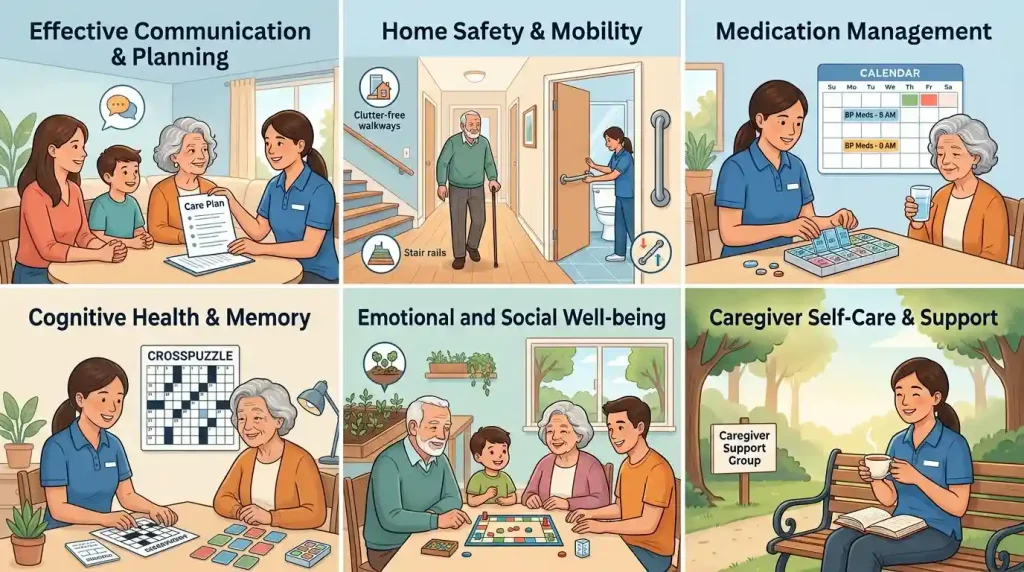
| Aspect of Care | Key Considerations for Families & Caregivers | Potential Challenges | Support Strategies |
|---|---|---|---|
| Physical Health | Medication adherence, chronic condition management, nutrition, mobility. | Polypharmacy, forgotten doses, malnutrition, fall risk, limited physical activity. | Pill organizers, medication lists, balanced meal planning, gentle exercise programs, home safety modifications. |
| Cognitive Health | Memory, decision-making, disorientation, managing complex tasks. | Forgetfulness, impaired judgment, communication difficulties, increased risk of scams. | Cognitive stimulation activities, consistent routines, clear communication, professional assessments, legal planning. |
| Emotional Well-being | Loneliness, depression, anxiety, purpose, social connections. | Isolation, withdrawal, mood swings, caregiver guilt. | Social activities, support groups, regular family interaction, hobbies, counseling, caregiver respite. |
| Home Environment | Accessibility, safety hazards, emergency preparedness. | Falls, clutter, inaccessible areas, lack of emergency response. | Grab bars, improved lighting, decluttering, emergency contact lists, medical alert systems. |
| Financial & Legal | Budgeting, insurance, estate planning, power of attorney. | Financial burden, scams, legal disputes, lack of planning. | Proactive financial planning, elder law attorney, clear communication, establishing POAs, awareness of fraud. |
Ensuring a Safe and Comfortable Home Environment
For many older adults, remaining in their own home, known as “aging in place,” is a strong desire. To facilitate this, making the home environment safe and comfortable is crucial. Home modifications can reduce the risk of injury and improve accessibility, helping seniors live independently.
Fall Prevention
Falls are a leading cause of injury among seniors. Simple modifications can significantly reduce this risk:
- Improve Lighting: Add brighter bulbs, install motion-sensor nightlights in hallways and bathrooms, and ensure all stairways and entryways are well-lit.
- Remove Trip Hazards: Clear cluttered walkways, secure loose rugs with non-slip mats, or remove throw rugs entirely. Keep electrical cords out of high-traffic areas.
- Install Grab Bars and Handrails: Place sturdy grab bars near toilets, bathtubs, and showers, ensuring they are securely anchored. Handrails should be on both sides of stairways and wide enough for a secure grasp.
Accessibility Modifications
Making the home more accessible can greatly enhance independence:
- Bathroom Safety: Besides grab bars, consider a detachable shower head, a shower chair or bench, and non-slip mats inside and outside the tub. For those with severe mobility constraints, a curbless shower or walk-in bathtub might be necessary. Raised toilets can also improve accessibility.
- Doorways and Passageways: Ensure doorways are at least 32 inches wide and clear any obstructions.
- Kitchen Adjustments: Adjust counter and shelf heights, and keep frequently used items at waist or shoulder height to minimize bending and reaching.
- Flooring: Replace slippery tiles or polished hardwood with non-slip flooring materials, or use non-slip adhesive strips.
- Ramps and Low-Rise Steps: Install small ramps or threshold ramps at entryways to make entering and exiting easier, especially for those using walkers or wheelchairs.
Emergency Preparedness
Having an emergency plan in place is vital:
- Emergency Contacts: Keep a visible list of emergency contacts by the phone and stored in mobile devices.
- Medical Alert Systems: A medical alert system provides added peace of mind, allowing seniors to call for help quickly in an emergency.
- Smoke and CO2 Detectors: Ensure smoke and carbon monoxide detectors are installed throughout the home and are in working order.
Organizations like Rebuilding Together’s “Safe at Home” program provide no-cost preventive home modifications to help older adults remain safe and independent.
Managing Finances and Legal Aspects
Navigating the financial and legal landscape of elderly care can be complex and is often a significant challenge for families and caregivers. Proactive planning is crucial to avoid financial burdens and stress.
Financial Planning for Care
The cost of elderly care can be substantial, making careful financial planning indispensable. Key steps include:
- Calculate Retirement Income: Determine all sources of income, such as Social Security benefits, pensions, retirement savings, and other sources.
- Manage Healthcare Costs: Understand Medicare coverage (Parts A, B, C, D) and explore supplemental insurance options. Be aware that Medicare has limitations and may not cover all long-term care costs. Consider Medicaid, VA programs, or state assistance programs if eligible.
- Create a Budget: List all monthly income and expenses to track spending and adjust as needed.
- Long-Term Care Insurance: This type of insurance can provide financial protection for when an individual can no longer perform basic daily activities, covering costs for home health care, assisted living facilities, and nursing homes.
- Build an Emergency Fund: Saving three to six months’ worth of living expenses can help cover unexpected costs.
- Protect Against Scams: Older adults are frequently targeted by financial scams, so awareness and vigilance are vital.
Involving loved ones in financial planning decisions can build a reliable support system. Financial planning for eldercare includes plans to pay for the potential cost of care, as well as the legal documents to help manage care.
Legal Aspects and Documents
Elder law is a specialized area of practice that addresses the unique needs and challenges faced by older adults, ensuring their rights and dignity are protected. Key legal documents and considerations include:
- Power of Attorney (POA): This document designates someone to make medical and/or financial decisions on behalf of an elderly person if they become incapacitated. Establishing a durable power of attorney for healthcare ensures decisions align with the individual’s preferences. Problems with POAs are a common legal issue caregivers face.
- Wills and Trusts: These legal documents specify how assets are to be handled and distributed after death. Regularly updating these documents and making them accessible is important.
- Healthcare Directives (Living Wills): These documents allow individuals to articulate their preferences for medical treatment, especially end-of-life care, in case they become incapacitated.
- Guardianship and Conservatorship: If an elderly individual becomes unable to make informed decisions without having established a POA, a court may appoint a guardian (for medical/daily decisions) or conservator (for financial affairs). This is often a lengthy and expensive process.
- Elder Abuse and Neglect Protections: Elder law also covers protection from physical, emotional, or financial abuse and neglect. Caregivers can face legal challenges related to accusations of abuse or neglect.
It is wise to consult with an elder law attorney proactively to prepare for these eventualities and ensure all legal planning documents are up-to-date and organized.
Supporting the Caregiver’s Well-being
Caregiving is a demanding role that can lead to significant physical, emotional, and mental exhaustion, commonly known as caregiver burnout. It is crucial for caregivers to prioritize their own well-being to continue providing effective care.
Recognizing and Preventing Burnout
Caregiver burnout is a serious condition that can manifest as fatigue, anxiety, depression, sleep disturbances, and a loss of interest in activities once enjoyed. It’s easy for caregivers to neglect themselves while prioritizing their loved ones.
Strategies for prevention include:
- Prioritize Self-Care: Make self-care a part of your daily routine. Eat a healthy diet, exercise regularly, and get enough sleep. Engage in hobbies and activities that bring joy. It is not selfish to take care of yourself.
- Ask for and Accept Help: Caregiving can be a lonely job, and having a support system is essential. Reach out to family, friends, or professional caregivers for assistance. Even small breaks can make a big difference.
- Set Boundaries: Know your limits and learn to say no to additional responsibilities when feeling overwhelmed. Set realistic goals for what you can accomplish.
- Educate Yourself: Gaining a better understanding of your loved one’s diagnosis and needs can help you be realistic and plan for the future.
- Manage Stress: Practice relaxation techniques such as meditation or breathing exercises to reduce stress and cope more easily.
Seeking Support and Respite
Caregivers need emotional support from people who understand their situation.
- Join Support Groups: Connect with others experiencing similar emotions and challenges in local or online caregiver support groups. These communities offer emotional support and practical advice.
- Respite Care: Utilize respite care services, which offer temporary relief from caregiving responsibilities. This can be in the form of adult day programs or residential respite care, providing a much-needed break for the caregiver and opportunities for socialization for the senior.
- Connect with Friends: Don’t let personal relationships fall through the cracks. Maintain connections with friends to combat loneliness.
- Professional Help: If experiencing severe stress or depression, talk to a healthcare provider, psychologist, social worker, or mental health professional.
Recognizing that experiencing difficult emotions and physical exhaustion is a normal part of caregiving, and seeking help, is a sign of strength, not failure.
Utilizing Community Resources and Professional Help
Families and caregivers don’t have to navigate the complexities of elderly care alone. A wealth of community resources and professional services are available to provide support, information, and practical assistance.
Government and Nonprofit Organizations
Many organizations are dedicated to supporting older adults and their caregivers:
- Administration for Community Living (ACL) / Administration on Aging (AoA): These government agencies provide services and programs designed to help older individuals live independently in their homes and communities, including health insurance counseling, legal assistance, and elder abuse prevention.
- Eldercare Locator: A public service that connects older Americans and their caregivers with information on senior services in their area.
- Area Agencies on Aging (AAAs): These local agencies can help families find services for people aged 60 and older and their family members and caregivers. They are often key information hubs for local programs and services.
- AARP: A non-profit organization focusing on policies and issues relevant to older adults, including health care, long-term care, and financial security.
- National Council on Aging (NCOA): Dedicated to improving the lives of older adults, offering resources on financial assistance, health insurance, and wellness. Their BenefitsCheckUp service helps older adults find and enroll in various benefits programs.
- Family Caregiver Alliance: Provides education, peer support, and resources to family caregivers.
Professional Services
Engaging professionals can provide specialized expertise and alleviate caregiver burden:
- Geriatric Care Managers: These specialists can provide a comprehensive assessment of an elderly individual’s needs, considering financial planning, medical requirements, lifestyle preferences, and cognitive health. They can help coordinate care and navigate the healthcare system.
- Home Health Agencies: These agencies provide home health aides and nurses for short-term or long-term care, including assistance with personal care, medication management, and medical tasks.
- Palliative Care and Hospice: For individuals with serious illnesses, palliative care focuses on providing relief from symptoms and stress, while hospice care offers comfort and support for those nearing the end of life.
- Elder Law Attorneys: As discussed previously, these legal professionals specialize in issues relevant to older adults, helping with estate planning, power of attorney, guardianship, and protection against abuse.
Many community services, like transportation and meal programs, are vital in helping seniors maintain their independence.
For additional information and support regarding various care options and resources, Medicaid.gov provides extensive details on long-term services and supports.
Conclusion
Caring for elderly loved ones is a journey marked by love, dedication, and often, significant challenges. By understanding the diverse landscape of elderly care, meticulously assessing individual needs, and proactively planning for health, safety, finances, and legal aspects, families and caregivers can create a supportive and enriching environment. Equally important is recognizing and addressing the well-being of the caregivers themselves, ensuring they have the resources and support necessary to thrive. Utilizing the wealth of community resources and professional assistance available can transform the caregiving experience, allowing older adults to live with dignity and comfort, and enabling families to navigate this profound responsibility with confidence and compassion.