Againg: 1Unraveling the Complexities of the Human Aging Process
Table of Contents
Table of Contents
- The Multidimensional Nature of Aging
- Biological Hallmarks: The Cellular Clockwork
- Theories of Aging: Why Do We Age?
- Physical Transformations Across the Lifespan
- Cognitive and Psychological Dimensions of Aging
- Societal Implications of an Aging Population
- Strategies for Healthy Aging: Embracing Longevity
- The Future of Aging Research and Anti-Aging Interventions
- Conclusion: A Continuous Journey
Againg, often correctly spelled as ‘aging’ or ‘ageing’, represents one of the most fundamental and universal processes of life, encompassing the gradual accumulation of changes in a human being over time. While the term ‘againg’ might occasionally appear as a colloquialism or misspelling, the underlying scientific and societal phenomena it refers to are profoundly complex and critical to understand. Aging is not merely a chronological progression but a multidimensional journey that involves intricate biological, psychological, and social transformations from birth until death. It is a process that varies significantly among individuals, influenced by a myriad of genetic, environmental, and lifestyle factors.
The Multidimensional Nature of Aging
The process of aging extends far beyond the visible signs like wrinkles or gray hair; it is a holistic experience that reshapes an individual’s entire being. From a broad perspective, aging can be understood through several interconnected lenses. Biologically, it refers to the cellular and molecular changes that lead to a gradual decline in physical and mental capacity. Psychologically, it involves shifts in cognitive functions, emotional regulation, and self-perception. Socially, aging influences roles, relationships, and societal expectations.
Experts often differentiate between primary and secondary aging. Primary aging, also known as senescence, refers to the intrinsic, unavoidable biological changes that occur over time, independent of disease or environmental influences. These are the natural processes inherent to every living organism. Secondary aging, conversely, encompasses changes that result from controllable factors such as lifestyle choices, environmental exposures, and the presence of chronic diseases. While primary aging cannot be halted, secondary aging can often be mitigated or delayed through healthy habits and medical interventions, highlighting the significant role individual choices play in the aging experience.
Biological Hallmarks: The Cellular Clockwork
At its core, aging is driven by the accumulation of molecular and cellular damage over time. This damage leads to a decreased capacity to recover from stress, increased susceptibility to disease, and ultimately, death. Scientists have identified several key biological hallmarks that characterize the aging process at a cellular level:
- Genomic Instability: The integrity of our DNA is constantly challenged by internal and external factors, leading to damage. While repair mechanisms exist, their efficiency declines with age, resulting in an accumulation of mutations that impair cellular function and can contribute to age-related diseases like cancer.
- Telomere Attrition: Telomeres are protective caps at the ends of chromosomes. With each cell division, telomeres shorten. Once they reach a critical length, cells enter a state of senescence (cellular aging) or undergo apoptosis (programmed cell death), limiting their ability to replicate and repair tissues.
- Epigenetic Alterations: Epigenetics refers to changes in gene expression that do not involve alterations to the underlying DNA sequence. As we age, these epigenetic marks can become dysregulated, affecting which genes are turned “on” or “off” and impacting everything from hormone levels to immune function.
- Loss of Proteostasis: Proteostasis is the cellular ability to maintain protein quality and proper folding. With age, this system becomes less efficient, leading to the accumulation of misfolded and damaged proteins. These aggregates can be toxic to cells and are characteristic of neurodegenerative diseases such as Alzheimer’s and Parkinson’s.
- Mitochondrial Dysfunction: Mitochondria are the powerhouses of our cells, producing energy. As we age, mitochondrial function declines, leading to reduced energy production and increased production of reactive oxygen species (free radicals), which further damage cells.
- Deregulated Nutrient Sensing: Cellular pathways that sense nutrient availability (e.g., insulin/IGF-1 signaling, mTOR) become dysregulated with age. These pathways play crucial roles in metabolism, growth, and cellular repair, and their imbalance can accelerate aging processes.
- Cellular Senescence: Often called “zombie cells,” senescent cells stop dividing but do not die. Instead, they accumulate in tissues and secrete pro-inflammatory molecules, contributing to chronic inflammation and damage to surrounding healthy cells and tissues.
- Stem Cell Exhaustion: Stem cells are vital for tissue repair and regeneration. With age, their numbers and regenerative capacity decline, impairing the body’s ability to heal and maintain tissues.
- Altered Intercellular Communication: The communication networks between cells, tissues, and organs deteriorate with age. This includes changes in immune function (inflammaging) and altered hormone signaling, contributing to systemic dysfunction.
Theories of Aging: Why Do We Age?
While the biological hallmarks describe how we age at a molecular and cellular level, various theories attempt to explain why we age. These theories generally fall into two broad categories: programmed theories and damage or error theories. No single theory provides a complete explanation, and many researchers believe aging is a complex interplay of multiple mechanisms.
- Programmed Theories: These theories suggest that aging is a biologically programmed process, following a genetic timetable.
- Genetic Programming Theory: Proposes that genes within our cells are pre-programmed to switch on and off at specific times, initiating aging-related changes and eventually leading to cellular decline and death.
- Endocrine Theory: Focuses on the role of hormones in regulating the pace of aging. Declining efficiency of the endocrine system and changing hormone levels (e.g., menopause) are seen as drivers of aging.
- Immunological Theory: Suggests that the immune system is programmed to decline over time, making the body more vulnerable to infectious diseases and increasing susceptibility to age-related illnesses.
- Damage or Error Theories: These theories posit that aging results from the accumulation of damage to cells and tissues over time due to environmental assaults and metabolic by-products.
- Free Radical Theory: One of the most prominent damage theories, it proposes that aging is caused by damage from highly reactive molecules called free radicals. These molecules can harm cellular components like DNA, proteins, and lipids, leading to cellular dysfunction and death.
- Wear and Tear Theory: Analogizes the body to a machine whose parts simply wear out over time due to continuous use and exposure to environmental stressors.
- Cross-Linking Theory: Suggests that the accumulation of cross-linked proteins (where proteins become abnormally linked together) damages cells and tissues, making them less elastic and functional, thus contributing to aging.
- Somatic DNA Mutation Theory: Attributes aging to the accumulation of random mutations in the DNA of somatic cells (non-reproductive cells), leading to cellular malfunction and disease.
| Category of Theory | Theory Name | Core Concept |
|---|---|---|
| Programmed Theories | Genetic Programming | Aging is pre-determined by an internal biological clock or genetic blueprint. |
| Endocrine Theory | Aging is regulated by hormonal changes and the decline of the endocrine system. | |
| Immunological Theory | The immune system’s decline over time leads to increased vulnerability to disease. | |
| Damage or Error Theories | Free Radical Theory | Accumulation of cellular damage caused by reactive oxygen species (free radicals). |
| Wear and Tear Theory | Cells and tissues simply wear out over time due to repeated use and environmental stress. | |
| Cross-Linking Theory | Abnormal cross-links between proteins damage cells, impairing flexibility and function. | |
| Somatic DNA Mutation Theory | Accumulation of random mutations in DNA leads to cellular malfunction and aging. |
Physical Transformations Across the Lifespan
The physical manifestations of aging are perhaps the most widely recognized. These changes are highly individual, varying in degree and rate from person to person, but certain patterns are common. Skin becomes thinner, drier, and less elastic, leading to the formation of fine lines and wrinkles, particularly in sun-exposed areas. Hair typically thins and grays due to reduced melanin production.
Sensory functions often diminish with age. Presbyopia, or age-related farsightedness, affects most people by age 45-50, and hearing loss, especially of high-frequency sounds, is also common. The musculoskeletal system undergoes significant changes; muscle mass and strength tend to decline (sarcopenia), bones may lose density (osteoporosis), and joints can experience stiffness and pain due to cartilage degradation (osteoarthritis). These changes can affect movement, balance, and overall energy levels.
Internally, cardiovascular changes may include stiffening of blood vessels, and the metabolic rate gradually declines, often starting around age 20. Organs and systems may become less efficient, increasing the risk of various chronic conditions such as heart disease, type 2 diabetes, and chronic obstructive pulmonary disease. However, many of these physical changes can be managed or slowed through proactive health measures.
Cognitive and Psychological Dimensions of Aging
Aging also brings about a range of cognitive and psychological transformations. While some cognitive decline, such as mild memory issues, slower processing speeds, and difficulty with multitasking, is considered a normal part of aging, it does not necessarily indicate a serious condition like dementia. In fact, other cognitive abilities, such as vocabulary, general knowledge, and decision-making skills (often enhanced by a lifetime of experience and wisdom), can improve or remain stable.
Psychologically, aging can be a period of significant emotional shifts. Many older adults develop improved emotional regulation, leading to increased happiness and a more mellow demeanor. However, this stage of life can also bring unique challenges such as loneliness, grief over the loss of loved ones or independence, and a sense of loss of purpose, especially after retirement. These emotional challenges can sometimes contribute to mental health conditions like depression and anxiety, which often go undiagnosed or untreated.
Maintaining mental engagement through puzzles, reading, and learning new skills, alongside fostering social connections, is crucial for cognitive and emotional well-being. A positive mindset, self-compassion, and focusing on purposeful activities can help individuals navigate these psychological changes gracefully.
Societal Implications of an Aging Population
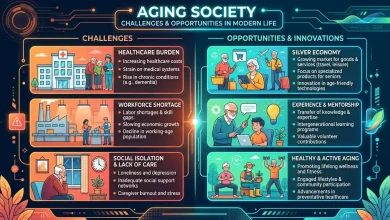
The global population is undergoing a significant demographic shift, with an increasing number and proportion of older people. This phenomenon, known as population aging, is driven by longer life expectancies and declining birth rates worldwide. By 2050, it is projected that the number of people aged 65 or older will nearly double from 2010 figures, reaching almost 1.5 billion. This trend has profound implications across various societal sectors:
- Healthcare Systems: An aging population places immense pressure on healthcare systems. Older adults are more likely to experience chronic conditions, multimorbidity, and geriatric syndromes such as frailty and falls, leading to increased demand for medical care, long-term care services, and specialized healthcare professionals.
- Economic Impacts: The economic ramifications are substantial, particularly regarding the dependency ratio (the proportion of non-working older adults to working-age individuals). This can strain social security, pension systems, and public finances, as fewer workers contribute taxes to support a larger retired population. However, older adults also contribute to the economy through consumption, leisure, and sometimes by continuing to work or volunteering.
- Family Structures: Family dynamics are shifting, with younger generations often taking on caregiving responsibilities for aging parents or grandparents. This can create “beanpole families” – multi-generational families with fewer children but more surviving elders.
- Social and Cultural Changes: Societal attitudes towards aging are evolving. While some cultures traditionally revere elders, modern societies often value youth. However, there’s a growing recognition of the wisdom, experience, and continued contributions of older adults, challenging stereotypes of decline and promoting active aging. The need for accessible housing, transportation, and community programs also grows.
Understanding and adapting to these demographic shifts is crucial for creating sustainable and inclusive societies for all ages. For further insights into the global context of population changes, consider exploring resources like the World Health Organization’s reports on ageing and health or the comprehensive overview on Ageing on Wikipedia.
Strategies for Healthy Aging: Embracing Longevity
While aging is inevitable, its impact on quality of life can be significantly influenced by adopting proactive strategies for healthy aging. Embracing longevity is about enhancing healthspan – the period of life spent in good health – rather than merely extending lifespan. Here are key strategies:
- Regular Physical Activity: Consistent exercise is one of the most effective ways to mitigate the effects of aging. Experts recommend at least 150 minutes of moderate-intensity aerobic activity per week, alongside strength training to maintain muscle mass and bone density. Activities like walking, swimming, yoga, and even simple exercises like standing up from a chair can improve balance and reduce the risk of falls.
- Nutritious Diet and Hydration: A balanced diet rich in fruits, vegetables, whole grains, lean proteins, and healthy fats (such as the Mediterranean diet) provides essential nutrients and reduces the risk of age-related diseases. Adequate hydration is equally critical, as older adults may be less apt to sense thirst.
- Prioritize Quality Sleep: Good sleep hygiene is essential for overall health. Aim for 7-9 hours of quality sleep nightly, even though normal sleep patterns can change with age. Establishing a consistent sleep schedule and creating a conducive sleep environment can significantly improve rest.
- Engage Your Brain: Mental stimulation is vital for cognitive health. Activities like puzzles, reading, learning new skills or languages, and engaging in creative hobbies can help maintain memory and thinking skills.
- Foster Social Connections: Combating loneliness and maintaining strong social ties with family, friends, and community groups can have a profound positive impact on mental well-being and reduce the risk of depression and dementia.
- Manage Stress and Cultivate Purpose: Chronic stress can accelerate aging. Practicing mindfulness, meditation, gratitude, and humor can help manage stress. Cultivating a sense of purpose through volunteering, hobbies, or meaningful activities contributes to happiness and a positive outlook.
- Regular Preventive Care: Routine medical check-ups, screenings, and adherence to prescribed medications are fundamental for early detection and management of age-related health conditions.
- Limit Toxin Exposure: Avoiding smoking, limiting alcohol consumption, and minimizing exposure to environmental toxins contribute to healthier aging.
The Future of Aging Research and Anti-Aging Interventions
The field of aging research is rapidly advancing, with scientists exploring novel ways to understand, slow, and potentially even reverse aspects of the aging process. The goal is primarily to extend healthspan – the period of life free from disease and disability – rather than simply extending total lifespan.
- Senolytics and Senomorphics: A major breakthrough involves targeting senescent (“zombie”) cells. Senolytics are drugs designed to selectively kill these harmful cells, while senomorphics modify their secretions. Research has shown that removing senescent cells from aged mice can improve health and extend lifespan, and pilot trials in humans are underway for conditions like diabetic wound healing.
- Caloric Restriction (CR) and Fasting Mimicking Diets: Decades of research, from yeast to primates, show that reducing calorie intake without malnutrition can increase longevity and delay age-related diseases. Scientists are now investigating whether CR or fasting-mimicking diets can have similar effects in humans, with promising early results showing a slower pace of biological aging.
- Repurposed Drugs: Existing drugs are being investigated for their anti-aging properties. Metformin, a common diabetes drug, is showing promise in delaying the onset of age-related diseases by activating AMPK pathways. Rapamycin, an immunosuppressant, has also shown remarkable age-related benefits in animal models, including delaying Alzheimer’s and improving heart function. Clinical trials, such as the TAME (Targeting Aging with Metformin) Trial, are exploring these effects in humans.
- Sirtuin Activators: Sirtuins are a family of proteins involved in cellular regulation and DNA repair. Compounds like resveratrol and quercetin are being studied for their ability to activate sirtuins, with some evidence suggesting health benefits, though not consistently extending lifespan in all animal models.
- Gut Microbiota Modulation: The composition of the gut microbiome has a profound impact on health and aging. Interventions targeting gut microbiota through prebiotics, probiotics, and fecal microbiota transplantation are being explored for their potential to slow aging and prevent age-associated diseases.
- Cellular Reprogramming: Emerging research is exploring the ability to reprogram cells by activating specific genes, potentially restoring youthful cell function and rejuvenating tissues. While still largely in experimental stages, this area holds significant promise.
These advances highlight a future where personalized medicine, informed by an understanding of individual biological aging rates and organ-specific aging, could lead to more targeted interventions to improve healthspan and prevent age-related diseases.
Conclusion: A Continuous Journey
The journey of ‘againg’ – or more accurately, aging – is an intrinsic and dynamic part of the human experience, marked by a fascinating interplay of biological, psychological, and social factors. It is a process of continuous change, presenting both challenges and opportunities. While the accumulation of molecular and cellular damage drives many age-related declines, our understanding of these mechanisms is rapidly expanding, paving the way for innovative interventions. By embracing healthy lifestyle choices, fostering mental and social engagement, and supporting ongoing scientific research, individuals and societies can work towards a future where aging is synonymous with vitality, purpose, and continued growth. The pursuit of healthy longevity is not about halting time, but about enhancing the quality of life throughout its natural progression.