7 Signs of Aging You Should Never Ignore – Expert Health Warnings
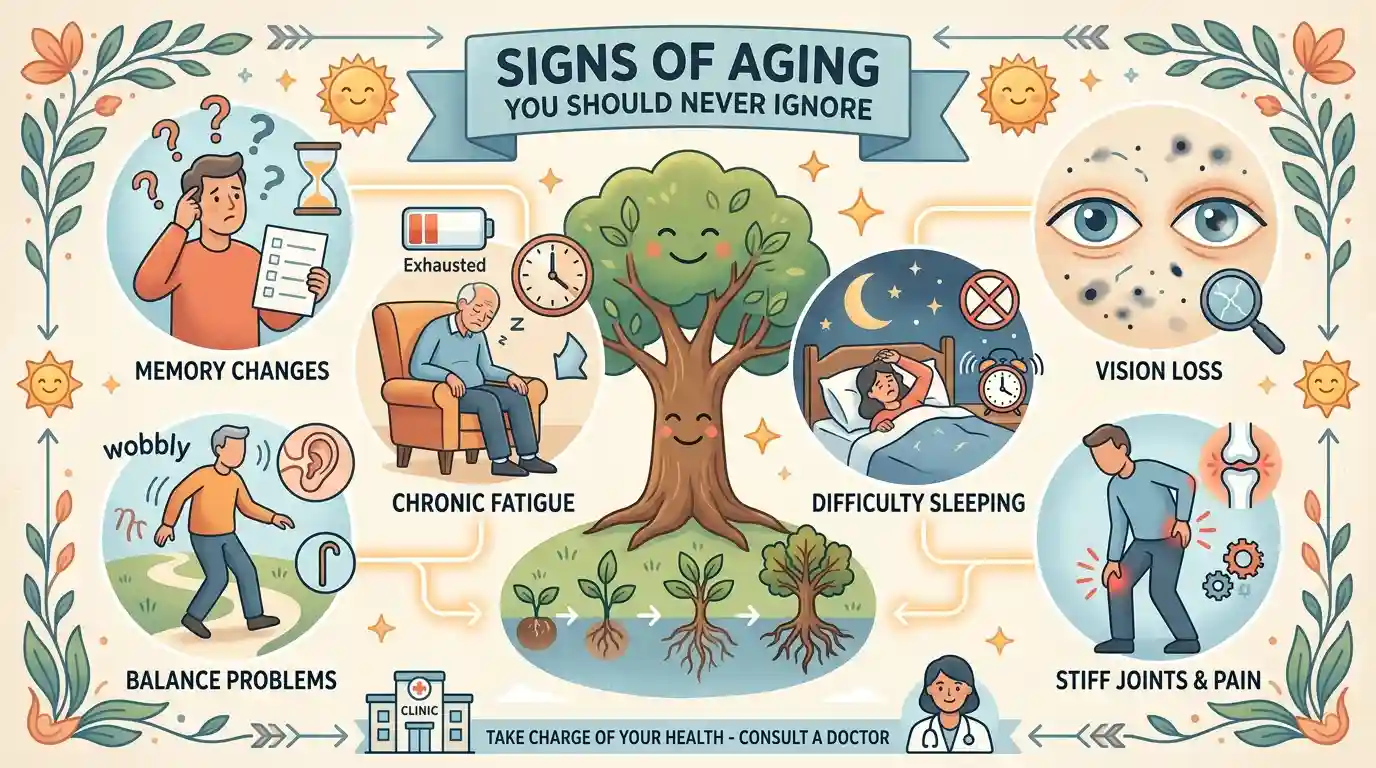
Table of Contents
Signs of aging are an inevitable part of life, a natural progression that every individual experiences. While many age-related changes are benign and simply reflect the passage of time, certain signals should never be overlooked, as they can indicate underlying health issues that require attention. It’s crucial to distinguish between normal aging and symptoms that may point to more serious conditions, enabling proactive health management and a better quality of life in later years. Understanding these distinctions empowers individuals to take charge of their health, consult professionals when necessary, and adopt lifestyle adjustments to mitigate potential risks. This article aims to provide a comprehensive guide to recognizing the signs of aging that warrant closer examination, emphasizing the importance of vigilance and timely intervention.
Understanding the Natural Process of Aging
Aging is a complex biological process characterized by gradual changes in our cells, tissues, and organs. From the moment of conception, cells begin a process of aging, though visible signs often become apparent in the 30s. Each person ages at a different rate and to varying degrees, but certain common effects are widely experienced. For example, metabolism typically begins a gradual decline around age 20, while significant changes in hearing usually don’t start until age 50 or later.
Normal physiological changes associated with aging include increased susceptibility to infection, a greater risk of heat stroke or hypothermia, and a slight decrease in height as spinal bones thin. Bones may also become more fragile, and joint changes can range from minor stiffness to severe arthritis. Other expected changes encompass a decrease in overall energy, shifts in sleep patterns, and a reduced sense of taste and smell, which can sometimes lead to a loss of appetite. Recognizing these as part of the natural aging process can help in adapting daily routines and expectations, but it’s equally important to identify when these changes deviate from the norm and signal something more.
Skin Deep: Visible Changes That Go Beyond Cosmetics
The skin is often the first canvas to display the visible signs of aging, with wrinkles, fine lines, and sagging being commonly recognized indicators. As we age, the outer skin layer (epidermis) thins, even though the number of cell layers remains unchanged. Collagen and elastin, the proteins responsible for skin’s firmness and elasticity, diminish, leading to reduced skin elasticity and sagging.
Beyond cosmetic concerns, certain skin changes should prompt closer inspection:
- Age Spots and Discoloration: Also known as liver spots or lentigos, these flat, dark patches are often a result of sun exposure over the years. While common, any new, rapidly changing, or unusually pigmented spots should be evaluated by a dermatologist to rule out skin cancer.
- Unusual Growths or Moles: The appearance of new growths, warts, rough patches, or changes in existing moles can be a critical sign of skin cancer. Any major bumps, moles, or significant skin changes should never be ignored and require immediate medical attention.
- Thinning and Fragile Skin: As skin thins and loses its protective fatty layer, it becomes more fragile and susceptible to bruising and injury. While a natural part of aging, excessive fragility or slow-healing wounds, particularly if persistent, could indicate underlying issues like diabetes.
- Persistent Dryness or Itchiness: Older skin retains less water and produces less oil, leading to increased dryness and potential irritation. While often managed with moisturizers, persistent or severe dryness and itching could be symptoms of medical conditions such as eczema or thyroid disorders, or even an indication of dehydration.
Factors like sun exposure, smoking, and an unhealthy diet can accelerate these skin changes, leading to premature aging. Regular skin checks and protection from UV light are vital preventative measures.
Beyond the Surface: Internal Signs and Their Implications
While many focus on outward appearances, internal changes also occur with aging, some of which can be critical health indicators. It is vital to recognize these shifts and understand their potential significance.
- Urinary Incontinence: Weakening bladder muscles can lead to urinary incontinence, which becomes more common with age. However, if persistent or sudden and severe, it could signal conditions such as an enlarged prostate or prostate cancer in men, or symptoms of menopause in women.
- Loss of Appetite or Unexplained Weight Changes: A decrease in appetite is a natural part of aging for some, often linked to changes in taste and smell. However, significant and unexplained weight loss can be a red flag for serious illnesses, including cancer, diabetes, liver disease, kidney failure, heart failure, or dementia. Conversely, rapid, unexplained weight gain could point to heart or kidney disease, or hormonal imbalances.
- Changes in Thirst Perception: Older adults may feel less thirsty, and the overall water content in their bodies decreases, putting them at a higher risk of dehydration. This reduced sensation can have serious health consequences if not actively managed.
- Increased Susceptibility to Infections: The immune system can weaken with age, making older adults more vulnerable to infections. Frequent or severe infections should be discussed with a healthcare provider.
It’s important to remember that these internal signs are not always “normal” simply because one is older. Any significant or sudden changes in these areas warrant medical consultation to rule out treatable conditions.
The Silent Signals: Joint Pain and Mobility Issues
Joint pain and reduced mobility are frequently associated with aging, leading many to dismiss them as inevitable. While it is true that joints undergo natural changes, such as diminishing lubricating fluids and cartilage breakdown, persistent or severe joint pain is not always a normal part of getting older. Ignoring such pain can lead to reduced mobility, falls, and chronic problems.
Key signs that joint pain may be more than just typical aging include:
- Sudden Onset or Worsening Pain: Pain that appears abruptly after a fall or twist, or escalates quickly, could indicate an injury or an acute flare-up of a condition like osteoarthritis, rather than gradual aging.
- Swelling, Redness, or Warmth: Inflammation around the joint can signal arthritis (such as osteoarthritis or rheumatoid arthritis) or an infection. In osteoarthritis, swelling often accompanies pain in over 50% of older adults with chronic issues.
- Stiffness Lasting Over 30 Minutes: Morning stiffness that persists for more than half an hour may point to inflammatory conditions like rheumatoid arthritis, which differs from the brief stiffness often associated with aging.
- Pain at Night or at Rest: Discomfort that disrupts sleep or occurs without activity could suggest advanced osteoarthritis or nerve involvement.
- Limited Range of Motion or Instability: If a joint feels unstable, locks, or gives way, it might be due to ligament damage or severe degeneration.
- Accompanying Symptoms: Joint pain combined with fatigue, fever, unexplained weight loss, or pain in multiple joints could indicate systemic issues like autoimmune diseases, such as rheumatoid arthritis or fibromyalgia.
Maintaining healthy joints involves lifestyle changes such as weight management, regular physical activity, and targeted exercises to strengthen supporting muscles and improve flexibility. If joint pain persists or is accompanied by any of the warning signs, consulting a doctor is essential to prevent chronic pain and further joint problems.
| Sign of Aging | Normal Aging Expectation | When to Seek Medical Attention |
|---|---|---|
| Skin Changes (Wrinkles, Dryness) | Thinner, less elastic, more dry skin; some age spots. | New, changing, or unusually pigmented moles/growths; non-healing wounds; excessive bruising or bleeding under the skin. |
| Urinary Incontinence | Occasional leakage due to weakening bladder muscles. | Persistent or sudden severe incontinence; painful urination. |
| Memory Lapses/Slowed Thinking | Occasional forgetfulness, slower processing speed, difficulty multitasking, needing more time to recall information. | Forgetting entire conversations or events; repeating questions; getting lost in familiar places; inability to perform daily tasks. |
| Joint Pain/Stiffness | Mild stiffness, aches, or reduced mobility; cartilage thinning. | Sudden onset or worsening pain; swelling, redness, or warmth around joint; stiffness lasting over 30 minutes; pain at night/rest; limited range of motion; accompanying fever or unexplained weight loss. |
| Fatigue | Occasional tiredness, needing more rest. | Constant exhaustion despite adequate sleep; fatigue disrupting daily activities; accompanied by other unexplained symptoms like weight loss, fever, or night sweats. |
| Vision Changes | Difficulty focusing on close objects (presbyopia); need more light; trouble adapting to darkness. | Sudden blurry vision, vision loss, persistent eye pain, flashing lights, or sudden severe difficulty seeing. |
| Hearing Changes | Difficulty hearing high-frequency sounds, trouble in noisy environments (presbycusis). | Sudden hearing loss, ringing in ears (tinnitus) that is persistent or worsening, significant difficulty understanding conversations. |
| Mood Changes | Normal responses to life events (grief, stress). | Persistent feelings of hopelessness, worthlessness, severe anxiety, insomnia, or suicidal thoughts; drastic changes in personality. |
Cognitive Concerns: Memory and Mental Acuity
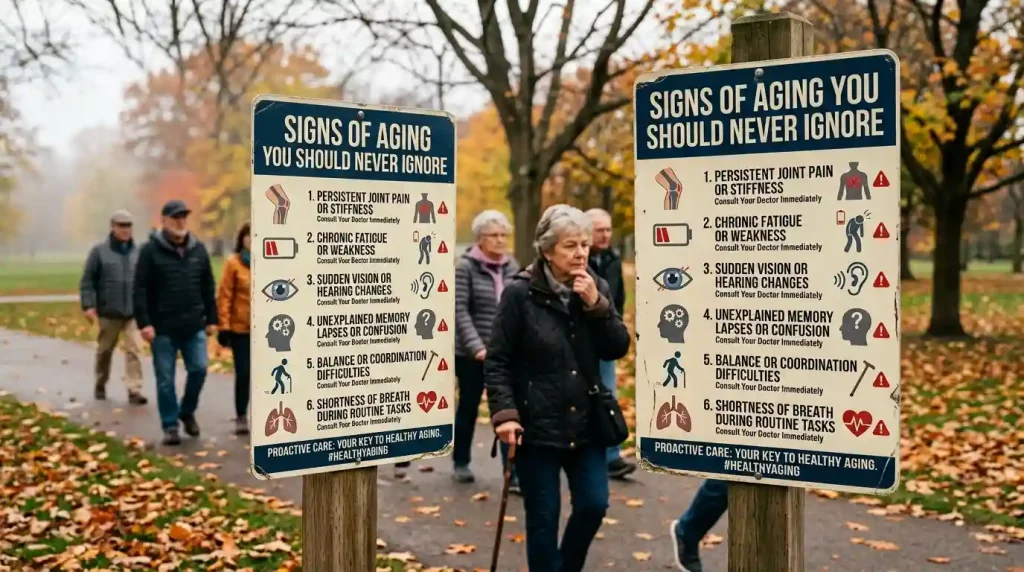
One of the most common concerns regarding aging is the impact on cognitive function, particularly memory. While some cognitive changes are a normal part of the aging process, others can signal more serious conditions like dementia. It’s important to understand the difference.
Normal cognitive changes with aging include:
- Slower Processing Speed: It may take longer to complete mental tasks, learn new technology, or recall information, though the information is eventually retrieved.
- Working Memory Decline: Slight difficulty in holding and manipulating information in mind, such as remembering a phone number long enough to dial it or losing track of what one was about to say.
- Divided Attention Challenges: Multitasking becomes more difficult, and individuals may find it harder to follow conversations in noisy environments or prefer to focus on one thing at a time.
- Word Retrieval Issues: Occasional “tip-of-the-tongue” experiences increase, where one knows a word but struggles to produce it, eventually remembering it later.
However, certain cognitive changes are not considered normal and warrant immediate medical evaluation:
- Significant Memory Loss: Forgetting entire conversations or events, rather than just details. This is distinct from occasional forgetfulness.
- Repetitive Questioning or Stories: Repeating the same questions or stories within a short period, often in the same conversation.
- Getting Lost in Familiar Places: Experiencing disorientation in well-known environments.
- Difficulty with Familiar Tasks: Inability to perform daily tasks that were once routine, such as using a toothbrush or getting dressed.
- Changes in Personality or Behavior: Drastic shifts in personality, mood swings, or uncharacteristic behavior can be signs of cognitive decline or mental health issues.
It is crucial to remember that while the brain undergoes changes with age, severe memory loss, delirium, or dementia are not normal parts of aging. Early detection and intervention can significantly impact the progression and management of cognitive disorders.
Sensory Shifts: Changes in Vision and Hearing
As individuals age, all senses can be affected, but hearing and vision are typically the most impacted. These sensory declines can significantly impact quality of life, communication, and safety.
- Vision Changes:
- Presbyopia: Difficulty focusing on close objects is a common age-related vision problem due to the lens of the eye becoming less elastic. Reading glasses or bifocals can correct this.
- Reduced Light Sensitivity and Glare: Older adults often need more light to see well and may be less able to tolerate glare. Adapting to darkness or bright light can also become challenging, affecting activities like night driving.
- More Serious Conditions: While some vision changes are normal, conditions like cataracts (clouding of the lens), glaucoma (damage to the optic nerve), and age-related macular degeneration (deterioration of the central retina) become more prevalent with age. These require medical attention, as they can severely impact vision and lead to blindness if untreated. Sudden blurry vision, vision loss, or persistent eye pain are red flags.
- Hearing Changes:
- Presbycusis (Age-Related Hearing Loss): This gradual decline in hearing, typically affecting both ears, makes it harder to hear high-frequency sounds and distinguish certain words, especially in noisy environments. Hearing loss often begins in younger ages but becomes noticeable in the 50s or 60s.
- Impact on Communication and Social Interaction: Hearing loss can make engaging in conversations and social activities more difficult, potentially leading to isolation and even accelerating cognitive decline.
- When to Seek Help: If you or a loved one experiences sudden hearing loss, persistent or worsening tinnitus (ringing in the ears), or significant difficulty understanding conversations, it’s crucial to consult a doctor. Devices like hearing aids can significantly improve quality of life.
Regular eye and ear exams are essential for early detection and management of age-related sensory issues.
Energy Levels and Fatigue: More Than Just Feeling Tired
Feeling tired occasionally is a universal experience, but persistent fatigue that doesn’t improve with rest can be an early and critical sign of underlying health issues, rather than simply “normal aging”. Fatigue in older adults can be a significant predictor of mortality and should always be taken seriously.
Various factors contribute to fatigue in older adults, including:
- Underlying Medical Conditions: Fatigue can be a warning sign for numerous serious illnesses, such as cancer, diabetes, heart disease, kidney disease, liver disease, thyroid disease, chronic obstructive pulmonary disease (COPD), and anemia. Untreated pain, infections, and sleep disorders like sleep apnea are also common culprits.
- Mental or Emotional Issues: Stress, financial strains, anxiety about the future, depression, and grief can all manifest as significant fatigue in older individuals. Feelings of hopelessness, worthlessness, or severe anxiety accompanied by fatigue warrant professional help.
- Musculoskeletal Weakness: Age-related loss of muscle mass (sarcopenia) can lead to weakness and disability, making everyday tasks more effortful and contributing to fatigue. This muscle loss often begins around age 30 and accelerates after 50.
- Nutritional Deficiencies: A decrease in appetite, often due to changes in taste and smell, medications, or dental problems, can lead to inadequate intake of essential nutrients. Deficiencies in vitamins like D, B12, or iron can cause feelings of tiredness and low energy.
- Hormonal Changes: Shifts in hormone levels, such as cortisol (the stress hormone), can negatively affect energy regulation and contribute to chronic fatigue.
- Lifestyle Factors: Poor sleep quality, an inconsistent sleep schedule, excessive caffeine or alcohol intake, and insufficient or excessive exercise can all contribute to fatigue.
If fatigue is constant, disrupts daily activities, and doesn’t improve with rest or lifestyle adjustments, it’s a critical sign to consult a healthcare provider. Early intervention can help identify and treat underlying causes, improving energy levels and overall well-being. Regular physical activity, a balanced diet, and addressing mental health concerns are key to combating age-related fatigue.
When to Consult a Professional: Taking Proactive Steps
While many signs of aging are a normal part of life, recognizing when a symptom crosses the line from typical to potentially problematic is crucial for maintaining health and independence. The most important principle is that serious symptoms or those that appear suddenly should always prompt medical attention.
Consider seeking professional help if you or a loved one experiences any of the following:
- Symptoms that Prohibit Function: Any symptom that significantly interferes with daily activities or quality of life should not be dismissed as “just old age”.
- Sudden or Severe Changes: Acute onset of pain, confusion, vision/hearing loss, or incontinence requires immediate evaluation.
- Persistent Symptoms: Pain, fatigue, or mood changes that last for more than a few days or weeks, despite rest or self-care, warrant a doctor’s visit.
- Multiple Symptoms Appearing Together: A combination of symptoms, such as joint pain with fatigue and unexplained weight loss, can indicate a more complex underlying condition.
- Concerns about Cognitive Decline: While mild forgetfulness is common, significant memory loss (e.g., forgetting entire conversations, getting lost in familiar places), or drastic changes in personality or behavior are serious red flags for conditions like dementia.
- Unexplained Weight Loss or Gain: Losing or gaining 5% of body weight within six to 12 months without trying can signal serious health issues.
- Difficulty with Daily Activities: Struggling with tasks like dressing, bathing, or preparing meals can indicate a need for a functional assessment and potentially specialized care.
A geriatrician, a doctor specializing in elderly care, is trained to address the unique health needs of older adults, manage multiple chronic conditions, and streamline medication regimens. They can also help differentiate between normal aging and serious issues, making them a valuable resource. Regular annual check-ups are also vital to monitor vision, hearing, blood pressure, and to screen for chronic diseases. The National Institute on Aging provides extensive resources for understanding age-related changes and maintaining brain health as you age, emphasizing the importance of a combination of good nutrition, physical activity, and mental and social engagement. The National Institute on Aging website offers valuable insights into how to support cognitive function throughout life.
Conclusion
Aging is a journey filled with evolving experiences, and while many changes are a natural and expected part of life, some signs of aging demand our unwavering attention. From subtle shifts in skin health to more profound internal, cognitive, or sensory changes, understanding what constitutes a “normal” part of aging versus a potential health warning is paramount. By staying vigilant, listening to our bodies, and seeking professional medical advice when red flags appear, we can proactively address emerging health concerns. Embracing a holistic approach to health, including regular check-ups, a balanced lifestyle, and mental and social engagement, empowers us to navigate the aging process with greater confidence, well-being, and independence, ensuring that we not only live longer but also live healthier, more fulfilling lives.