7 Key Facts About Advanced Glycation End Products – Their Health Impact
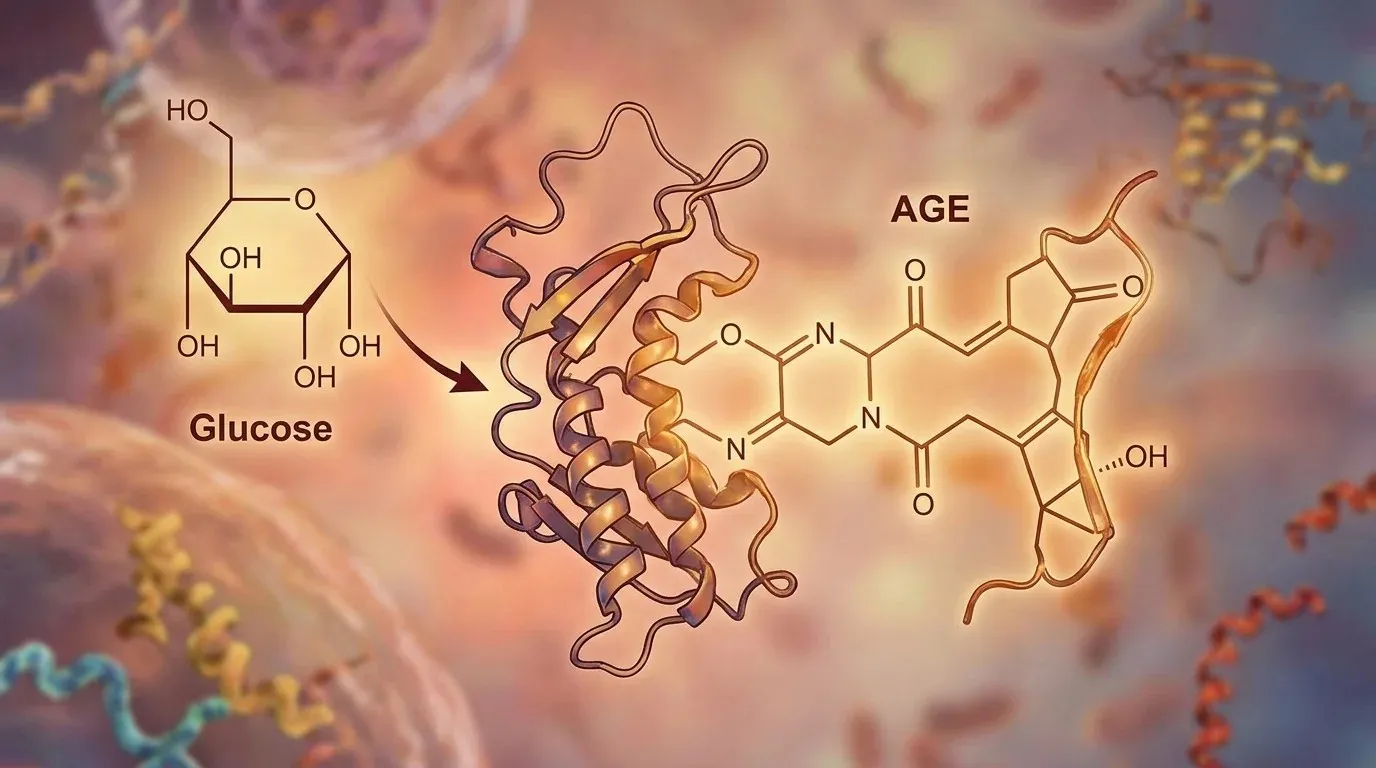
Table of Contents
Advanced Glycation End Products, commonly known as AGEs, represent a heterogeneous group of compounds formed through a non-enzymatic reaction between reducing sugars (like glucose) and proteins, lipids, or nucleic acids. This spontaneous process, termed glycation, is a natural part of metabolism, but its accelerated pace and excessive accumulation are increasingly recognized as significant contributors to aging and the pathogenesis of numerous chronic diseases. The detrimental effects of AGEs extend across virtually every organ system, influencing everything from cardiovascular health and metabolic regulation to neurological function and skin integrity. Understanding their formation, mechanisms of action, and methods to mitigate their accumulation is paramount for promoting long-term health and preventing disease progression.
Introduction to Advanced Glycation End Products (AGEs)
Advanced Glycation End Products (AGEs) are complex molecules that arise when sugars react with proteins, fats, or DNA without the involvement of enzymes. This process, known as non-enzymatic glycation or the Maillard reaction, results in a cascade of chemical rearrangements, ultimately leading to the formation of stable, irreversible AGEs. While some level of glycation is a normal physiological occurrence, chronic hyperglycemia, oxidative stress, and inflammation significantly accelerate AGE formation. These harmful compounds accumulate in tissues and organs over time, disrupting normal cellular function and contributing to cellular and tissue damage. The insidious nature of AGEs lies in their ability to modify the structure and function of essential biomolecules, making them resistant to enzymatic degradation and leading to their persistent presence within the body. Their widespread impact underscores their critical role in the pathophysiology of age-related diseases and various chronic conditions, making them a focal point of modern medical research and preventive strategies. Research indicates that AGEs play a crucial role in the development and progression of many chronic diseases, including diabetes, cardiovascular diseases, and neurodegenerative disorders.
The Intricate Formation of AGEs
The formation of Advanced Glycation End Products is a complex, multi-step process often initiated by the Maillard reaction, a chemical reaction between amino acids and reducing sugars. This reaction, familiar in cooking for creating flavors and browning, occurs endogenously within the human body. The initial step involves a reversible reaction between an aldehyde group of a sugar (such as glucose) and an amino group of a protein, forming a Schiff base. This Schiff base can then undergo further rearrangement to form a more stable, but still reversible, Amadori product. Hemoglobin A1c, a common clinical marker for long-term blood glucose control, is an example of an Amadori product.
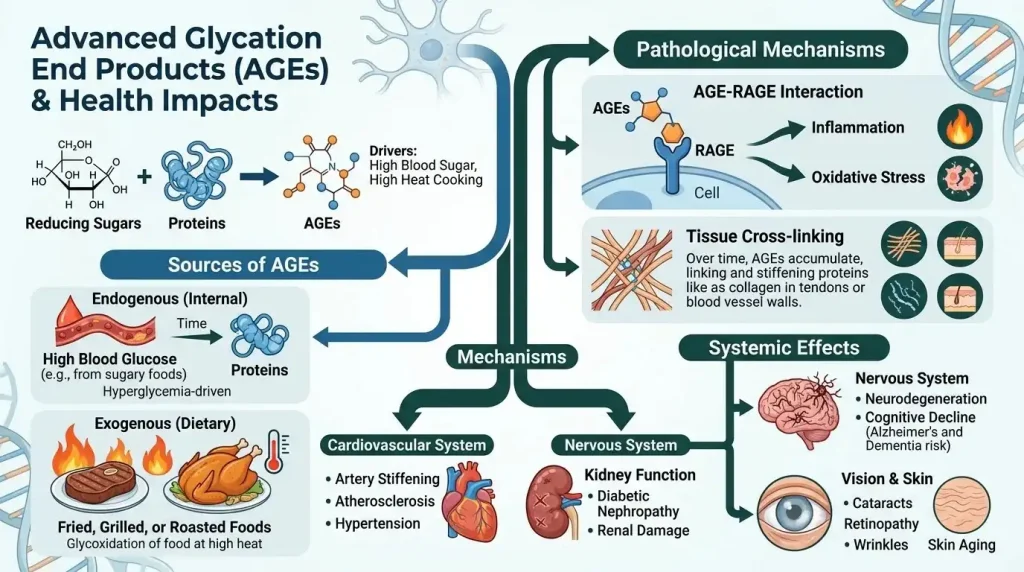
Beyond the Amadori product stage, the reaction becomes largely irreversible, leading to the formation of diverse AGEs through a series of dehydrations, oxidations, and cyclizations. These subsequent reactions are significantly influenced by factors such as the concentration of reducing sugars, the duration of exposure, and the presence of oxidative stress. The range of AGEs is vast, including compounds like carboxymethyl-lysine (CML), pentosidine, methylglyoxal-derived AGEs, and pyrraline, each with distinct structures and varying biological activities. Some AGEs are formed within the body (endogenous AGEs), while others are consumed through diet (exogenous AGEs), particularly from foods cooked at high temperatures. The rate of endogenous AGE formation is greatly elevated in conditions like diabetes, where sustained high blood glucose levels provide an abundant substrate for glycation. Oxidative stress further accelerates this process by generating reactive dicarbonyl compounds that are highly potent glycating agents.
Mechanisms of AGE-Mediated Cellular Damage
The harmful effects of Advanced Glycation End Products on human health are primarily mediated through two principal mechanisms: direct modification of proteins and lipids, and interaction with specific cellular receptors, most notably the Receptor for Advanced Glycation End Products (RAGE). When AGEs form on proteins, they alter their structure and function. For instance, AGE modification can reduce the elasticity of blood vessels by cross-linking collagen and elastin, leading to arterial stiffness, a hallmark of cardiovascular disease. Similarly, AGEs can impair the function of enzymes, compromise cellular signaling, and interfere with DNA repair mechanisms.
The second major mechanism involves the binding of AGEs to RAGE, a multi-ligand receptor expressed on the surface of various cell types, including endothelial cells, macrophages, and smooth muscle cells. The interaction between AGEs and RAGE triggers a cascade of intracellular signaling events, predominantly activating the nuclear factor kappa-light-chain-enhancer of activated B cells (NF-κB) pathway. This activation leads to an increase in the production of pro-inflammatory cytokines (e.g., TNF-α, IL-6), adhesion molecules, and reactive oxygen species (ROS). The resulting chronic low-grade inflammation and oxidative stress contribute significantly to cellular dysfunction and tissue damage.
Furthermore, AGEs can promote the generation of free radicals, exacerbating oxidative stress, which in turn fuels more AGE formation, creating a vicious cycle. They can also inhibit the activity of antioxidant enzymes, further diminishing the body’s defenses against oxidative damage. The accumulation of AGEs also hinders the normal turnover of cellular components, as glycated proteins are often resistant to proteolysis, leading to their persistence and accumulation within cells and extracellular matrices. These multifaceted mechanisms collectively underpin the broad spectrum of pathological consequences associated with elevated AGE levels.
AGEs and Their Profound Impact on Chronic Diseases
The widespread distribution and diverse mechanisms of action of Advanced Glycation End Products implicate them in the pathogenesis and progression of a vast array of chronic diseases. Their role is particularly prominent in conditions characterized by chronic inflammation, oxidative stress, and tissue remodeling.
AGEs and Diabetes Complications
In individuals with diabetes, chronic hyperglycemia significantly accelerates AGE formation. This accelerated accumulation is a major driver of diabetic microvascular and macrovascular complications. AGEs contribute to diabetic nephropathy (kidney disease) by damaging glomerular filtration barriers and promoting fibrosis. In diabetic retinopathy, AGEs impair retinal vascular integrity and promote neurodegeneration. They also play a role in diabetic neuropathy by damaging nerve cells and interfering with nerve signal transmission.
Cardiovascular Diseases
AGEs are critical factors in the development of cardiovascular diseases. They stiffen blood vessels by cross-linking collagen in the arterial walls, leading to increased arterial stiffness and hypertension. AGEs also promote atherosclerosis by enhancing oxidative stress, stimulating inflammatory responses in endothelial cells, and promoting the proliferation and migration of smooth muscle cells, ultimately contributing to plaque formation and instability.
Neurodegenerative Diseases
Emerging research suggests a significant link between AGEs and neurodegenerative disorders such as Alzheimer’s disease and Parkinson’s disease. In Alzheimer’s, AGEs have been found to co-localize with amyloid-beta plaques and neurofibrillary tangles, contributing to protein aggregation and neuronal damage. They can also impair mitochondrial function and induce oxidative stress in brain tissue, accelerating neuronal loss.
Kidney Disease
Beyond diabetic nephropathy, AGEs contribute to the progression of chronic kidney disease (CKD) even in non-diabetic individuals. They promote inflammation and fibrosis in the kidneys, leading to a decline in renal function. The kidneys are also responsible for clearing AGEs from the body, and impaired kidney function can lead to a further accumulation of these harmful compounds, creating a detrimental feedback loop.
Aging and Skin Health
AGEs are considered a hallmark of aging. Their accumulation contributes to the visible signs of aging, particularly in the skin. By cross-linking collagen and elastin fibers, AGEs reduce skin elasticity and resilience, leading to wrinkles, loss of firmness, and a dull complexion. They also interfere with the skin’s repair mechanisms, making it more susceptible to damage.
Cancer
While the link is still under extensive investigation, some studies suggest that AGEs may play a role in various stages of cancer development and progression. AGE-RAGE interactions can promote cell proliferation, angiogenesis (new blood vessel formation), and metastasis, particularly in certain types of cancer.
The table below summarizes some key AGEs and their associations with health effects:
| Type of AGE | Primary Formation Pathway | Associated Health Effects |
|---|---|---|
| Carboxymethyl-lysine (CML) | Glucose oxidation, lipid peroxidation | Widely considered a common and stable AGE marker; implicated in diabetes complications, cardiovascular disease, neurodegeneration. |
| Pentosidine | Ribose, oxidative stress | Collagen cross-linking agent; strong association with arterial stiffness, osteoporosis, and kidney disease. |
| Methylglyoxal (MGO)-derived AGEs | Glycolysis intermediates, high glucose | Highly reactive precursor; strongly linked to diabetic complications, particularly neuropathy and retinopathy. |
| Pyrraline | Glucose-lysine reaction | Early glycation product; found in heat-treated foods and tissues; less directly pathogenic than CML or pentosidine, but indicative of glycation. |
| Crossline | Glucose-lysine reaction, oxidative conditions | Fluorescent cross-linking AGE; involved in arterial stiffening and cataract formation. |
Dietary Sources of AGEs and Cooking Methods
Beyond endogenous formation, a significant portion of the Advanced Glycation End Products in our bodies comes from our diet, particularly from foods cooked at high temperatures. These exogenous AGEs are pre-formed during food processing and preparation and can contribute to the body’s overall AGE burden. The amount of AGEs in food varies widely depending on the food type and, critically, the cooking method employed.
Foods naturally high in proteins and fats, such as meats, cheeses, and certain processed foods, tend to contain higher levels of AGEs when cooked using dry, high-heat methods. For instance, grilling, frying, roasting, broiling, and baking at elevated temperatures promote the Maillard reaction, leading to the formation of numerous AGEs, including CML. Foods like fried chicken, well-done steaks, and crispy bacon are often rich in these compounds. Conversely, foods cooked using moist-heat methods, such as boiling, steaming, stewing, or poaching, generally have much lower AGE content because water acts as a barrier to the high temperatures required for rapid glycation. Raw foods also contain minimal AGEs.
Here’s a general overview of how cooking methods influence AGE content:
- High-Heat, Dry Cooking (e.g., Grilling, Frying, Broiling, Roasting): Significantly increases AGE formation, especially in protein- and fat-rich foods. The browning and crisping that occur are direct indicators of the Maillard reaction.
- Low-Heat, Moist Cooking (e.g., Boiling, Steaming, Stewing, Poaching): Minimizes AGE formation. Water helps keep temperatures lower and prevents the extensive browning reactions.
- Acidic Marinades: Marinating foods in acidic solutions (like lemon juice or vinegar) before cooking can help reduce AGE formation, as acidity inhibits the Maillard reaction.
- Slow Cooking: While still involving heat, slower cooking methods, especially with moisture, tend to produce fewer AGEs than rapid, high-temperature cooking.
Awareness of these dietary sources and cooking techniques is crucial for individuals looking to reduce their intake of exogenous AGEs and, consequently, their overall AGE burden, thereby potentially mitigating the associated health risks. For further information on the role of AGEs in diet and health, the Wikipedia page on Advanced Glycation End Products offers a comprehensive overview of their chemistry, biological roles, and dietary implications: Advanced Glycation End-product on Wikipedia.
Strategies to Mitigate Advanced Glycation End Product Accumulation
Given the pervasive and detrimental effects of Advanced Glycation End Products on health, developing effective strategies to mitigate their accumulation is a critical area of research and preventive medicine. These strategies generally fall into two main categories: lifestyle modifications, primarily dietary interventions, and potential pharmacological approaches.
Dietary Interventions
The most accessible and impactful strategy involves managing dietary AGE intake and adopting cooking methods that reduce their formation. As discussed, minimizing the consumption of foods cooked at high, dry heats (like fried or grilled meats) and prioritizing moist-heat cooking methods (steaming, boiling, stewing) can significantly lower exogenous AGE intake. Furthermore, incorporating more raw foods, fruits, vegetables, legumes, and whole grains, which are naturally low in AGEs, can also be beneficial. Certain dietary compounds, such as antioxidants found in fruits, vegetables, and spices, can also help inhibit AGE formation and reduce oxidative stress, thereby indirectly mitigating AGE-related damage.
Lifestyle Changes
Beyond diet, other lifestyle factors play a crucial role. Regular physical activity can improve glucose metabolism and insulin sensitivity, thereby helping to maintain lower blood sugar levels and reduce endogenous AGE formation. Quitting smoking is also vital, as tobacco smoke contains numerous pro-oxidants and glycating agents that accelerate AGE formation and accumulation. Managing chronic stress and ensuring adequate sleep can also contribute to overall metabolic health and potentially reduce AGE burden.
Pharmacological Approaches
While still largely in experimental stages or clinical trials, several pharmacological strategies are being explored to counter AGE accumulation and its effects. These include:
- AGE Inhibitors: Compounds that directly prevent the formation of AGEs by targeting intermediate steps in the glycation pathway. Examples include aminoguanidine, although its use has been limited due to side effects.
- AGE Breakers: Agents designed to cleave pre-formed AGE cross-links, thereby reversing tissue stiffening and damage. Thiazolium compounds like alagebrium (ALT-711) are examples that have been investigated, though with mixed results in clinical trials.
- RAGE Blockers: Molecules that block the interaction between AGEs and their receptor (RAGE), thereby preventing the downstream inflammatory and oxidative stress signaling. Soluble RAGE (sRAGE) and specific RAGE antagonists are under investigation.
- Antioxidants and Anti-inflammatory Agents: While not directly targeting AGEs, these agents can mitigate the oxidative stress and inflammation that are both causes and consequences of AGE accumulation.
A multi-pronged approach combining conscious dietary choices, an active lifestyle, and potentially future pharmacological interventions holds the most promise for effectively managing AGEs and their profound impact on human health.
Conclusion
Advanced Glycation End Products are far more than mere byproducts of sugar metabolism; they are potent molecular agents that significantly contribute to the aging process and the development and progression of a wide spectrum of chronic diseases. From the initial non-enzymatic reaction between sugars and proteins to the complex web of cellular damage through RAGE activation, oxidative stress, and inflammation, AGEs exert a pervasive negative influence on virtually every organ system. Their intricate formation pathways, influenced by both endogenous metabolic conditions and exogenous dietary intake, underscore the importance of comprehensive strategies to manage their accumulation. By understanding the profound impact of AGEs on conditions ranging from diabetes complications and cardiovascular disease to neurodegeneration and skin aging, individuals are empowered to make informed lifestyle choices. Embracing dietary interventions focused on lower AGE foods and moist-heat cooking, coupled with a healthy and active lifestyle, represents a proactive and accessible approach to mitigate the risks associated with these harmful compounds, paving the way for improved long-term health and well-being.