David Sinclair Diet Plan for Longevity and Better Health-7 Proven Tips
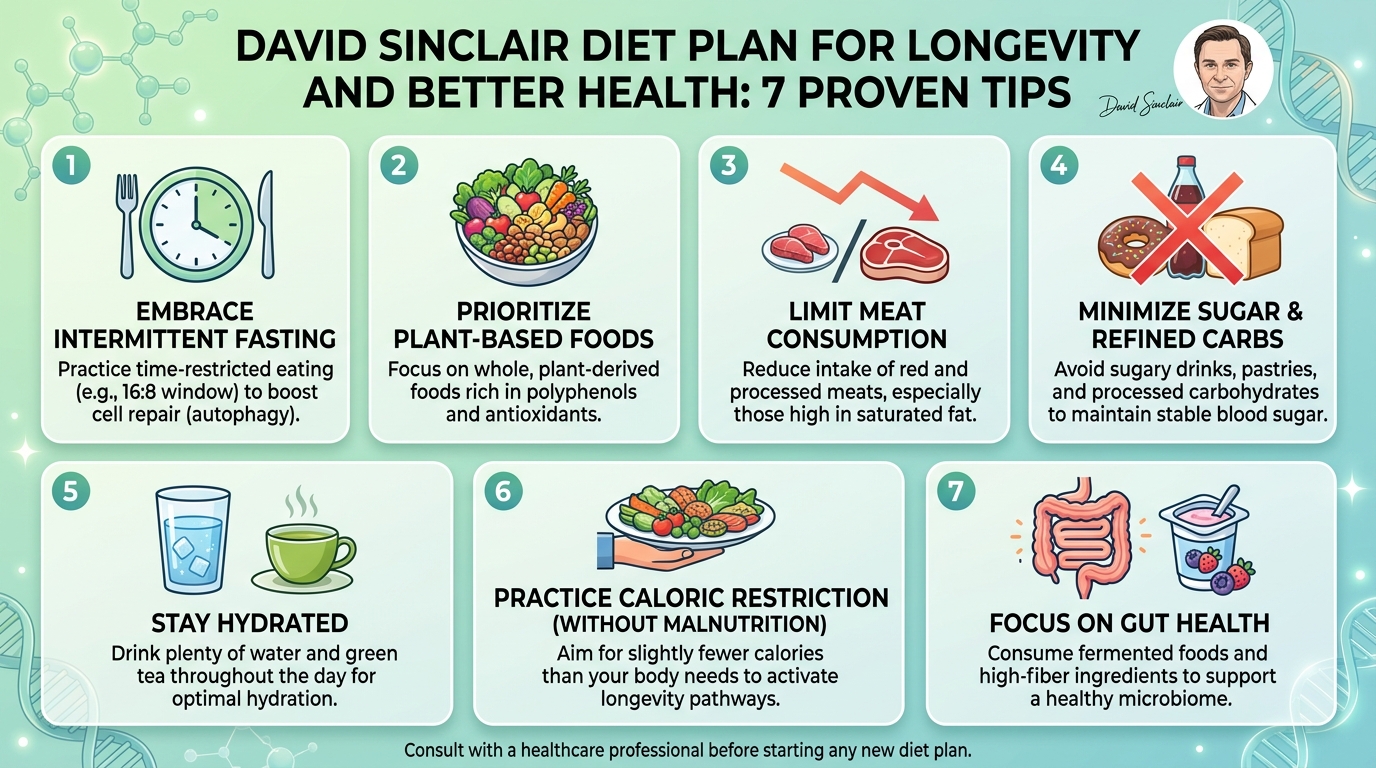
Table of Contents
- Understanding David Sinclair’s Philosophy on Longevity
- The Core Principles of the David Sinclair Diet Plan
- Caloric Restriction and Intermittent Fasting: Pillars of Sinclair’s Approach
- Key Supplements Advocated by David Sinclair
- Beyond Diet: Lifestyle Factors for Longevity
- Potential Benefits and Considerations of Sinclair’s Regimen
- Implementing the David Sinclair Diet Plan: A Practical Guide
- Conclusion
David Sinclair Diet Plan is a topic that has garnered significant attention in the quest for extended lifespan and improved health. Dr. David Sinclair, a renowned Harvard geneticist and author of “Lifespan: Why We Age—and Why We Don’t Have To,” is at the forefront of longevity research, advocating for a lifestyle that leverages scientific discoveries to slow down and even reverse aspects of aging. His approach is not merely about diet in the traditional sense, but a comprehensive strategy encompassing specific eating patterns, targeted supplementation, and broader lifestyle modifications designed to activate the body’s natural defenses against aging. The underlying premise of Sinclair’s work is that aging is a disease, and as such, it can be treated or, at the very least, its progression can be significantly slowed. This article will delve into the intricacies of the David Sinclair diet plan, exploring its scientific underpinnings, practical applications, and the potential impact it could have on one’s journey toward longevity and better health.
Understanding David Sinclair’s Philosophy on Longevity
David Sinclair’s philosophy on longevity stems from decades of groundbreaking research into the molecular mechanisms of aging. He proposes that aging is not an inevitable decline but rather a process governed by specific genes and pathways that can be influenced. His work primarily focuses on sirtuins, a family of proteins that play a crucial role in cellular health, DNA repair, and metabolism. According to Sinclair, activating these sirtuins through specific dietary interventions and compounds can confer significant anti-aging benefits. He also highlights the importance of NAD+ (nicotinamide adenine dinucleotide), a coenzyme vital for numerous cellular processes, including energy metabolism and DNA repair, whose levels decline with age. Sinclair believes that by targeting these pathways, individuals can enhance their “healthspan”—the period of life spent in good health—and potentially extend their overall lifespan. This perspective challenges conventional views on aging, framing it as a malleable process rather than an unchangeable fate. His research suggests that environmental factors, particularly diet, play a pivotal role in dictating how our genes express themselves and, consequently, how we age. The aim is to mimic conditions that stress the body in a beneficial way, such as periods of nutrient scarcity, which historically triggered survival mechanisms that promote cellular repair and resilience.
The Core Principles of the David Sinclair Diet Plan
The David Sinclair diet plan, while not a rigid, prescriptive meal plan, is built upon several core principles aimed at activating longevity pathways. At its heart, it emphasizes nutrient scarcity and metabolic stress, designed to prompt the body’s sirtuin genes and other longevity mechanisms into action. This approach deviates from the typical Western diet, which often involves an abundance of calories and processed foods. Instead, Sinclair’s recommendations lean towards a diet that is generally plant-heavy, low in processed sugars, and conscious of overall caloric intake. The goal is to create periods where the body perceives a slight challenge, triggering its natural repair and maintenance systems. This includes a strong emphasis on whole, unprocessed foods that are rich in beneficial compounds, such as polyphenols, which are known to have antioxidant properties and may activate sirtuins. The focus is less on what not to eat, and more on strategically consuming foods and adopting patterns that enhance cellular resilience and slow the aging process. This often translates into consuming a wide array of colorful fruits and vegetables, lean protein sources, and healthy fats, while significantly reducing intake of red meat, dairy, and refined carbohydrates.
Caloric Restriction and Intermittent Fasting: Pillars of Sinclair’s Approach
Two of the most prominent pillars of the David Sinclair diet plan are caloric restriction and intermittent fasting. These practices are not new, but Sinclair’s work provides a compelling scientific rationale for their role in longevity. Caloric restriction involves consistently reducing overall calorie intake without leading to malnutrition. Extensive research, particularly in animal models, has shown that a reduction in calories—typically by 20-40% below typical intake—can significantly extend lifespan and healthspan by activating sirtuins and other longevity genes. Sinclair posits that this mild stress tricks the body into “survival mode,” enhancing cellular repair and resistance to disease. However, implementing severe caloric restriction can be challenging and requires careful nutritional monitoring to ensure adequate nutrient intake.
Intermittent fasting (IF), on the other hand, involves cycling between periods of eating and fasting. This approach offers a more manageable way to achieve similar benefits to caloric restriction without the constant struggle of counting calories. Sinclair often discusses his personal practice of intermittent fasting, typically skipping breakfast and sometimes lunch, thereby consolidating his eating window to a shorter period, often 6-8 hours. Popular forms of IF include the 16/8 method (fasting for 16 hours, eating within an 8-hour window) or alternate-day fasting. The proposed mechanism behind IF’s longevity benefits is that during fasting periods, the body shifts from burning glucose to burning fat, entering a state called ketosis. This state is believed to activate cellular repair processes, reduce inflammation, and improve insulin sensitivity, all of which contribute to better health and slowed aging. Both caloric restriction and intermittent fasting aim to create a mild metabolic stress that upregulates genes associated with repair and resilience, making them central to Sinclair’s longevity strategy.
Key Supplements Advocated by David Sinclair
While diet and lifestyle are foundational, David Sinclair frequently discusses the role of certain supplements in supporting longevity pathways. These are not intended to replace a healthy diet but rather to augment its effects by directly targeting the molecular mechanisms of aging he has studied. The most prominent supplements in his discussions include:
- NMN (Nicotinamide Mononucleotide): NMN is a precursor to NAD+, a coenzyme critical for energy metabolism, DNA repair, and sirtuin activity. As NAD+ levels decline with age, supplementing with NMN is theorized to boost NAD+ levels, thereby enhancing cellular function and potentially reversing aspects of aging. Research in animal models has shown promising results in improving various age-related conditions.
- Resveratrol: A polyphenol found in red wine, berries, and grapes, resveratrol is a well-known sirtuin activator. Sinclair’s research highlighted resveratrol’s potential to mimic the effects of caloric restriction, thereby activating genes associated with longevity and improving metabolic health.
- Metformin: While primarily a drug for type 2 diabetes, metformin has gained attention in longevity circles due to its potential to extend lifespan and healthspan. It acts by inhibiting the mTOR pathway, which is involved in cell growth and metabolism, and by improving insulin sensitivity. Sinclair has publicly mentioned taking metformin himself, though it is important to note this is a prescription drug and not a dietary supplement.
- Quercetin and Fisetin: These are senolytics, compounds that selectively destroy senescent cells (zombie cells) that accumulate with age and contribute to inflammation and tissue dysfunction. By clearing these cells, senolytics are thought to improve tissue function and slow down the aging process.
It is crucial to emphasize that while promising, research on these supplements, particularly in humans, is ongoing, and they should be taken under the guidance of a healthcare professional, especially metformin.
| Longevity Strategy Component | Primary Mechanism | Examples/Actions | Potential Benefits |
|---|---|---|---|
| Caloric Restriction | Activates sirtuins, reduces metabolic load | Consistent 20-40% calorie reduction | Extended lifespan, improved metabolic health, enhanced cellular repair |
| Intermittent Fasting | Metabolic switch to fat burning (ketosis), autophagy induction | 16/8 method, alternate-day fasting, OMAD (One Meal A Day) | Improved insulin sensitivity, reduced inflammation, cellular rejuvenation |
| Plant-Rich Diet | High in antioxidants, polyphenols; low in inflammatory compounds | Leafy greens, berries, cruciferous vegetables, nuts, seeds | Reduced oxidative stress, sirtuin activation, gut microbiome support |
| NMN Supplementation | Boosts NAD+ levels | Daily NMN intake (dosage varies based on research) | Improved cellular energy, enhanced DNA repair, sirtuin support |
| Resveratrol Supplementation | Sirtuin activator, antioxidant | Daily resveratrol intake (often with fat for absorption) | Mimics caloric restriction, anti-inflammatory effects |
| Metformin (Prescription Drug) | Inhibits mTOR, improves insulin sensitivity | Prescribed by a physician | Potential lifespan extension, reduced risk of age-related diseases |
| Exercise | Cardiovascular health, muscle maintenance, metabolic flexibility | HIIT, resistance training, endurance activities | Telomere preservation, improved mitochondrial function |
| Stress Management | Reduces cortisol, inflammation | Meditation, mindfulness, adequate sleep | Reduced cellular damage, improved immune function |
Beyond Diet: Lifestyle Factors for Longevity
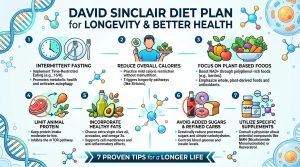
While the “diet plan” is a significant component, David Sinclair’s comprehensive approach to longevity extends far beyond just food and supplements. He emphasizes several crucial lifestyle factors that interact synergistically to promote healthspan and lifespan. These include:
- Regular Exercise: Physical activity, particularly a combination of cardiovascular exercise and resistance training, is vital. Exercise helps maintain muscle mass, improves cardiovascular health, enhances metabolic flexibility, and stimulates the production of beneficial molecules that support cellular health. Sinclair highlights how exercise itself is a form of hormesis, a mild stress that triggers beneficial adaptive responses in the body, much like caloric restriction.
- Adequate Sleep: Sleep is not merely a period of rest but a critical time for cellular repair, detoxification, and hormone regulation. Chronic sleep deprivation can accelerate aging by disrupting these processes, increasing inflammation, and impairing cognitive function. Aiming for 7-9 hours of quality sleep per night is paramount.
- Stress Management: Chronic stress elevates cortisol levels, which can lead to inflammation, immune suppression, and accelerated cellular aging. Techniques such as meditation, mindfulness, spending time in nature, and engaging in hobbies can help mitigate the detrimental effects of stress on the body.
- Exposure to Cold and Heat (Hormesis): Similar to caloric restriction and exercise, brief exposures to extreme temperatures, such as cold showers or saunas, are believed to activate sirtuins and other stress-response pathways that confer resilience and longevity benefits. This concept, known as hormesis, suggests that mild, transient stressors can make the body stronger and more resistant to damage.
These lifestyle factors are not standalone elements but are deeply interconnected with dietary choices and supplement strategies, forming a holistic approach to combating aging. For more detailed information on hormesis and its role in longevity, one can refer to scientific literature on the topic. For instance, the National Institutes of Health (NIH) often publishes research on various aspects of aging and lifestyle interventions, offering a valuable resource for those seeking evidence-based information on improving healthspan and understanding the biological mechanisms of aging. The NIH website provides extensive articles on aging research.
Potential Benefits and Considerations of Sinclair’s Regimen
Adopting elements of the David Sinclair diet plan and his broader longevity regimen could offer a multitude of potential benefits for health and well-being. Proponents suggest that these practices may lead to improved metabolic health, including better blood sugar control and insulin sensitivity, reduced inflammation, and enhanced cellular repair mechanisms. Many individuals who follow such protocols report increased energy levels, improved cognitive function, and a greater sense of overall vitality. Furthermore, the long-term goal is to extend not just lifespan, but more importantly, healthspan, allowing individuals to live more years free from chronic diseases and age-related decline.
However, it is equally important to approach Sinclair’s regimen with careful consideration. The science of longevity is still evolving, and much of the evidence, particularly for certain supplements and extreme fasting protocols, comes from animal studies, with human trials often ongoing or limited in scope. Individual responses to dietary changes and supplements can vary significantly. What works for one person might not be suitable for another, and pre-existing health conditions must always be taken into account. For instance, individuals with conditions like diabetes, eating disorders, or those who are pregnant or breastfeeding should exercise extreme caution and consult with a healthcare professional before implementing any drastic dietary changes or supplement regimens. The long-term effects of some interventions, especially high doses of certain supplements, are also not fully understood. It is crucial to prioritize a balanced, nutrient-dense diet and healthy lifestyle habits as the foundation, viewing supplements as potential aids rather than magic bullets. Regular medical check-ups and personalized advice from doctors or registered dietitians are invaluable when embarking on such a comprehensive health strategy.
Implementing the David Sinclair Diet Plan: A Practical Guide
Implementing the David Sinclair diet plan and integrating his longevity principles into daily life requires a gradual and mindful approach. It’s not about an overnight transformation but a sustainable shift towards habits that promote cellular health. Here’s a practical guide to help you start:
- Start with Intermittent Fasting: Begin by gradually extending your overnight fast. You might start by skipping a late-night snack, then delaying breakfast by an hour or two. The 16/8 method (fasting for 16 hours, eating during an 8-hour window) is a popular and often manageable starting point. This could mean finishing dinner by 8 PM and not eating again until noon the next day.
- Prioritize Whole, Plant-Based Foods: Focus on filling your eating window with nutrient-dense, unprocessed foods. Emphasize a wide variety of vegetables, fruits, legumes, nuts, and seeds. These provide essential vitamins, minerals, fiber, and beneficial plant compounds (polyphenols) that support longevity pathways. Reduce your intake of red meat, processed foods, sugary drinks, and refined carbohydrates.
- Consider Caloric Quality over Quantity Initially: While caloric restriction is a principle, don’t obsess over precise calorie counting from day one. Instead, focus on the quality of your food. As you transition to whole foods and intermittent fasting, a natural reduction in overall caloric intake often occurs.
- Integrate Regular Exercise: Make physical activity a non-negotiable part of your routine. Aim for a mix of cardiovascular exercise (e.g., brisk walking, jogging, cycling) and strength training (e.g., bodyweight exercises, lifting weights). Even short bursts of high-intensity activity can be beneficial.
- Address Sleep and Stress: Create a consistent sleep schedule and prioritize 7-9 hours of quality sleep. Implement stress-reduction techniques like meditation, deep breathing exercises, or spending time in nature. These are foundational for cellular repair and overall well-being.
- Research Supplements Thoughtfully: If you choose to explore supplements like NMN or resveratrol, do so after consulting with a healthcare professional. Understand the current scientific evidence, potential dosages, and any possible interactions with other medications or conditions. Always choose reputable brands.
- Listen to Your Body and Be Patient: Longevity is a long-term journey. Pay attention to how your body responds to changes. Some adjustments may feel challenging initially, but consistency is key. Results, particularly in terms of anti-aging, are not immediate and accumulate over time.
Remember, the goal is not perfection, but consistent effort in moving towards a lifestyle that actively supports your body’s innate longevity mechanisms. Small, sustainable changes are more effective than drastic, short-lived overhauls.
Conclusion
The David Sinclair Diet Plan, deeply rooted in scientific research on the mechanisms of aging, offers a compelling framework for those aspiring to extend their healthspan and lifespan. It moves beyond conventional dietary advice, advocating for a holistic approach that leverages nutrient scarcity through practices like caloric restriction and intermittent fasting, alongside strategic supplementation and crucial lifestyle modifications. By focusing on activating sirtuins and boosting NAD+ levels, Sinclair’s philosophy encourages a proactive stance against aging, viewing it as a process that can be influenced rather than passively endured. While the potential benefits—from improved metabolic health to enhanced cellular resilience—are significant, it is equally important to approach this regimen with informed caution, consulting healthcare professionals, and prioritizing a balanced, whole-food diet as the foundation. Ultimately, David Sinclair’s work provides a scientific roadmap, empowering individuals to take a more active role in shaping their longevity journey and striving for a future of better health.