7 Key Facts About Senescent Cells – Their Role in Aging Explained
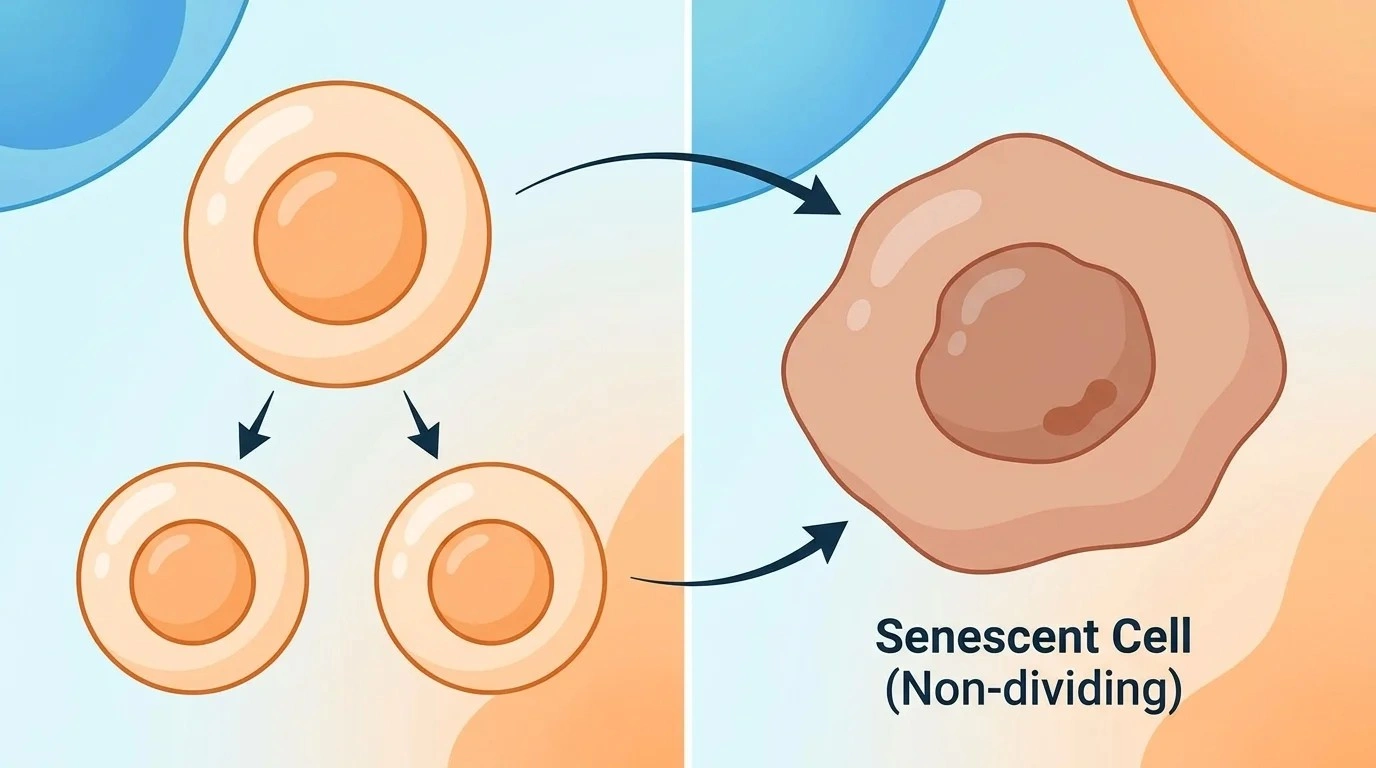
Table of Contents
Senescent cells, often colloquially referred to as “zombie cells,” represent a fascinating and complex area of biological research, particularly concerning the intricate processes of aging and age-related diseases. These unique cells cease to divide but, critically, do not die, instead persisting in tissues and organs where they can exert profound effects on their surrounding microenvironment. The study of senescent cells has garnered significant attention due to their implicated role in a wide array of age-associated pathologies, from chronic inflammation to neurodegenerative disorders and various cancers. Understanding the mechanisms behind cellular senescence and its multifaceted impact is paramount to developing innovative strategies for promoting healthier longevity. This article delves into the definition, triggers, characteristics, and dual roles of senescent cells, ultimately exploring the cutting-edge therapeutic approaches aimed at mitigating their detrimental effects.
What Exactly Are Senescent Cells?
Cellular senescence is defined as a state of stable and irreversible cell cycle arrest, meaning that once a cell enters senescence, it permanently withdraws from the normal process of cell division and replication. This phenomenon was first described in the early 1960s by Leonard Hayflick and Paul Moorhead, who observed that human fetal fibroblasts in culture would divide a finite number of times (approximately 50 population doublings) before ceasing proliferation, a limit now known as the “Hayflick limit” or “replicative senescence”. Unlike quiescent cells, which can re-enter the cell cycle, senescent cells are unresponsive to growth-promoting stimuli and remain in this non-dividing state.
Beyond simply stopping division, senescent cells undergo a range of distinctive phenotypic alterations. Morphologically, they often become larger and flatter than their healthy counterparts. They also exhibit significant changes in gene expression, chromatin organization, and metabolism, including increased lysosomal activity. A critical characteristic of senescent cells is their resistance to apoptosis, or programmed cell death, which allows them to linger in tissues rather than being cleared efficiently. This persistence is a key factor in their accumulation with age and their subsequent contributions to systemic dysfunction. While they don’t replicate, senescent cells remain metabolically active, sometimes even hyperactive, and crucially, they begin to secrete a complex cocktail of molecules that significantly impact their local and sometimes distant cellular environments.
Mechanisms Driving Cellular Senescence
The induction of cellular senescence is not a single, uniform process but rather a complex and dynamic response to various intrinsic and extrinsic stressors. Several primary mechanisms have been identified that can trigger a cell to enter this state of irreversible growth arrest:
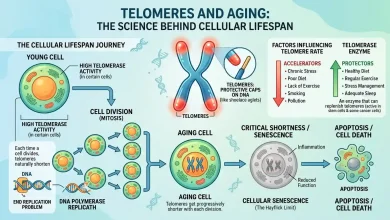
- Replicative Senescence (Telomere Shortening): This is the classic mechanism described by Hayflick. With each round of cell division, the telomeres—protective caps at the ends of chromosomes—progressively shorten. Once telomeres reach a critically short length, they are recognized as DNA damage, triggering a DNA damage response that halts cell division and induces senescence. This mechanism explains why normal cells have a finite proliferative capacity.
- DNA Damage Response (DDR): Beyond telomere shortening, direct damage to a cell’s DNA can induce senescence. This damage can stem from various sources, including exposure to ionizing radiation, ultraviolet light, genotoxic stress, and excessive oxidative stress from reactive oxygen species (ROS). When the DNA damage is extensive or persistent, the cell initiates a robust DNA damage response, which, rather than repairing the damage or inducing apoptosis, can lead to stable cell cycle arrest and senescence.
- Oncogene-Induced Senescence (OIS): The aberrant activation of cancer-promoting genes (oncogenes) can also trigger senescence. This mechanism serves as a crucial tumor-suppressive pathway, preventing potentially cancerous cells from uncontrolled proliferation. The initial hyperproliferative signals from activated oncogenes can paradoxically induce a DNA damage response, leading to senescence.
- Other Stressors: Various other factors, such as mitochondrial dysfunction, epigenetic alterations, and certain chemotherapeutic drugs, can also contribute to the induction of senescence. The complexity of these triggers highlights that senescence is a multifactorial cellular program.
At the molecular level, these stressors converge on key tumor suppressor pathways, primarily the p53/p21 and p16INK4a/pRB pathways. Activation of p53 leads to the induction of p21, a cyclin-dependent kinase (CDK) inhibitor, which in turn arrests the cell cycle. Similarly, p16INK4a inhibits CDKs, preventing the phosphorylation of retinoblastoma protein (pRB), which keeps pRB in an active state that binds to and represses E2F transcription factors, thus blocking cell cycle progression. The persistent activation of these pathways ensures the stable cell cycle arrest characteristic of senescence.
The Senescence-Associated Secretory Phenotype (SASP): The Secretome of Aging
One of the most critical and extensively studied features of senescent cells is their acquisition of the Senescence-Associated Secretory Phenotype (SASP). The SASP refers to the complex mixture of bioactive molecules secreted by senescent cells into their surrounding microenvironment. This “secretome” is highly heterogeneous and can vary depending on the cell type, the initiating stressor, and the stage of senescence.
The components of the SASP are diverse and include:
- Pro-inflammatory cytokines and chemokines: Such as Interleukin-6 (IL-6), Interleukin-8 (IL-8), and Tumor Necrosis Factor-alpha (TNF-α), which drive chronic inflammation.
- Growth factors: Which can influence the proliferation and behavior of neighboring cells.
- Extracellular matrix (ECM) proteases: Enzymes like matrix metalloproteinases (MMPs) that remodel the tissue architecture, potentially disrupting normal tissue function and promoting fibrosis.
- Other signaling molecules: Including exosomes, ectosomes, microRNAs, and DNA fragments, which can exert paracrine effects on adjacent and even distant cells.
The SASP plays a significant role in mediating both the beneficial and detrimental effects of senescent cells. In beneficial contexts, SASP components can signal to immune cells to clear senescent cells and promote wound healing. However, when senescent cells accumulate and persist, the chronic secretion of SASP factors becomes highly problematic. This persistent secretion contributes to a state of low-grade, chronic systemic inflammation known as “inflammaging,” which is a hallmark of aging. The SASP can also induce senescence in neighboring healthy cells, a phenomenon known as “bystander senescence,” further propagating tissue dysfunction. Moreover, it can impair the function of local stem and progenitor cells, leading to reduced regenerative capacity in tissues. The cumulative effect of chronic SASP is a disruption of normal tissue homeostasis, making tissues more susceptible to damage and disease.
The Dual Nature: Beneficial and Detrimental Roles of Senescent Cells
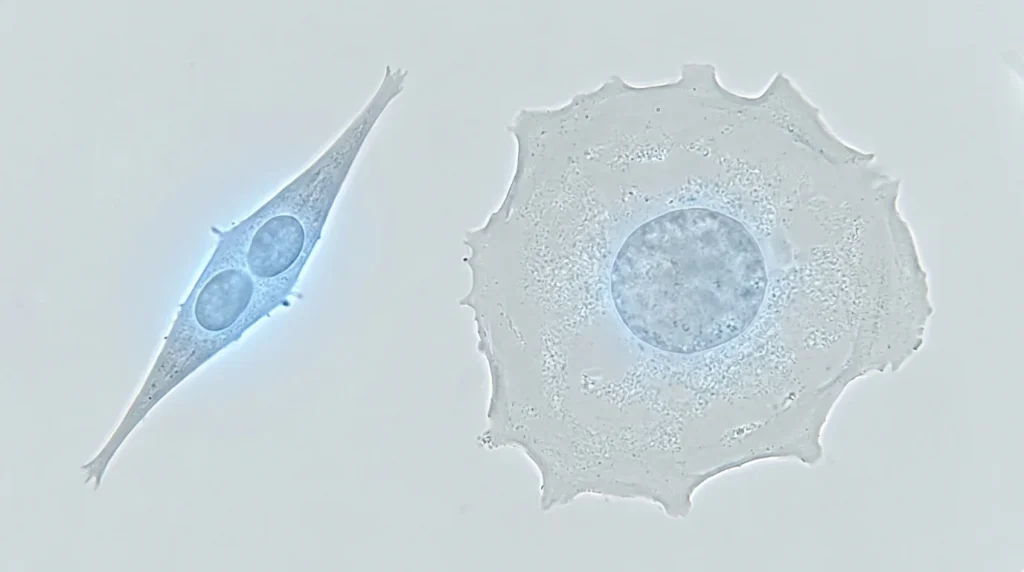
The story of senescent cells is not simply one of cellular decay; it’s a narrative of biological duality. While their accumulation is undeniably linked to aging and disease, senescence also plays crucial, beneficial roles throughout an organism’s lifespan. This “double-edged sword” nature makes them a complex target for therapeutic interventions.
Beneficial Functions of Senescent Cells
- Tumor Suppression: Perhaps the most well-understood beneficial role of senescence is its function as a potent anti-tumor mechanism. By irreversibly arresting the cell cycle of damaged or potentially oncogenic cells, senescence prevents their uncontrolled proliferation and the formation of tumors. This is particularly evident in oncogene-induced senescence (OIS).
- Embryonic Development: Senescent cells are transiently present during various stages of embryonic development, where they are involved in tissue remodeling and shaping. Their temporary presence is crucial for the proper formation of organs and tissues.
- Wound Healing and Tissue Repair: Senescence plays a vital, albeit temporary, role in wound healing and tissue repair. Senescent cells can help limit tissue damage and promote the resolution of fibrosis, ensuring proper repair rather than excessive scarring. They can also recruit immune cells to clear damaged tissue.
- Immune Clearance: The SASP, in certain contexts, can act as a signal to recruit immune cells (like macrophages and T cells) to the site of senescent cells, facilitating their timely clearance. This “senescence surveillance” is critical for removing potentially harmful cells.
Detrimental Contributions to Aging and Disease
Despite their beneficial roles, the persistent accumulation of senescent cells, particularly with age, is widely recognized as a major contributor to age-related dysfunction and disease. This shift from beneficial to detrimental roles is often attributed to several factors:
- Accumulation with Age: As organisms age, their immune systems become less efficient at clearing senescent cells. Coupled with increased cellular stress over time, this leads to a gradual build-up of senescent cells in various tissues and organs. This accumulation can reach a “threshold” where the rate of senescent cell development exceeds the body’s ability to clear them.
- Chronic Inflammation (Inflammaging): The continuous secretion of pro-inflammatory SASP factors drives chronic, low-grade systemic inflammation throughout the body. This “inflammaging” is a significant underlying factor in many age-related diseases.
- Tissue Dysfunction and Impaired Regeneration: Senescent cells occupy space, disrupt normal tissue architecture, and impair the function of healthy cells and stem cells in their vicinity. This leads to reduced regenerative capacity, contributing to tissue degeneration and impaired organ function.
- Promotion of Cancer: While acute senescence is tumor-suppressive, the chronic presence of senescent cells, particularly in the tumor microenvironment, can paradoxically promote tumor progression. SASP factors can enhance angiogenesis, extracellular matrix remodeling, and even suppress anti-tumor immunity.
- Bystander Effects: The SASP can induce a senescent-like state in nearby healthy cells, propagating the negative effects through tissues.
The balance between the protective and harmful effects of senescent cells is delicate and context-dependent. Transient senescence is generally beneficial, but persistent senescence, especially in an aging body, contributes significantly to disease and the overall aging phenotype.
| Feature | Normal Proliferating Cell | Senescent Cell |
|---|---|---|
| Cell Division | Actively divides | Permanently arrested (does not divide) |
| Metabolic Activity | Normal | Metabolically active, sometimes hyperactive |
| Apoptosis Resistance | Normal sensitivity to apoptosis | Increased resistance to programmed cell death |
| Morphology | Varied, typical for cell type | Often enlarged, flattened, irregular shape |
| Telomeres | Maintain length with telomerase or shortens with division | Critically short or damaged telomeres |
| DNA Damage Response (DDR) | Transiently active for repair | Persistent DNA damage signaling |
| Secretory Profile | Normal cellular secretions | Senescence-Associated Secretory Phenotype (SASP) – pro-inflammatory, growth factors, proteases |
| p16/p21 Expression | Low or regulated levels | High expression of cell cycle inhibitors (p16, p21) |
Senescent Cells and the Onset of Age-Related Diseases
The accumulation of senescent cells and their persistent SASP are intimately linked to the pathogenesis of numerous age-related diseases, effectively acting as a core driver of many conditions that characterize advanced age. This connection is a significant area of current research, with strong evidence suggesting a causal role for senescent cells in various pathologies.
- Cardiovascular Diseases: Senescent cells contribute to conditions like atherosclerosis (hardening of the arteries), heart failure, and stroke. They accumulate in atherosclerotic plaques, promoting inflammation and plaque instability, which can lead to cardiovascular events.
- Neurodegenerative Disorders: In the brain, senescent cells have been implicated in the progression of neurodegenerative diseases such as Alzheimer’s disease, Parkinson’s disease, and amyotrophic lateral sclerosis (ALS). Senescent cells in the brain can degrade cognitive functions and contribute to neuroinflammation, leading to neuronal loss. Research into how cellular senescence affects the brain is particularly critical for understanding and potentially treating these debilitating conditions. For more information, the Alzheimer’s.gov website offers insights into the connection between senescence and Alzheimer’s disease.
- Metabolic Disorders: Senescence is linked to type 2 diabetes and insulin resistance. Senescent cells can accumulate in adipose tissue (fat), promoting inflammation and disrupting metabolic homeostasis. Senescence of insulin-producing beta cells in the pancreas also plays a role in diabetes progression.
- Musculoskeletal Conditions: Age-related declines in muscle mass and strength (sarcopenia), bone density (osteoporosis), and joint health (osteoarthritis) are all associated with senescent cell accumulation. Senescent cells in muscle, bone, and cartilage tissues contribute to their degeneration and impaired regenerative capacity.
- Cancer: As previously discussed, while senescence initially acts as a tumor suppressor, the chronic presence of senescent cells can ironically promote cancer progression by altering the tumor microenvironment through SASP factors. This highlights the complex and context-dependent nature of senescence in cancer.
- Other Age-Related Conditions: Senescent cells have also been implicated in conditions like chronic kidney disease, idiopathic pulmonary fibrosis, cataracts, glaucoma, and even declines in eyesight and mobility. Investigations are also underway to determine their role in skin aging (sagging and wrinkling) and the inflammatory response to infections like COVID-19.
The widespread involvement of senescent cells in these diverse pathologies underscores their fundamental role in the aging process. By understanding these connections, scientists are developing targeted interventions to address the root causes of age-related decline.
Targeting Senescent Cells: Emerging Therapeutic Strategies
Given the strong links between senescent cells and age-related diseases, a significant focus of current research is on developing therapeutic strategies to mitigate their harmful effects. These interventions, broadly termed “senotherapeutics,” aim to improve healthspan—the period of life spent in good health—and potentially extend lifespan. Two primary approaches have emerged: senolytics and senomorphics.
Senolytics: Eliminating Zombie Cells
Senolytics are a class of compounds specifically designed to selectively induce apoptosis (programmed cell death) in senescent cells, thereby removing them from tissues. The underlying principle is that by eliminating these harmful “zombie cells,” the chronic inflammation and tissue dysfunction they cause can be reduced or reversed.
Research in rodent models has shown compelling results, demonstrating that the selective elimination of senescent cells can reduce inflammation, enhance immune system function, slow the progression of various age-related diseases, and even increase healthspan and lifespan. This has fueled intense interest in translating these findings to human clinical applications.
Examples of senolytic compounds currently under investigation include:
- Dasatinib and Quercetin (D+Q): This combination is one of the most studied senolytic cocktails. Dasatinib, a cancer drug, targets senescent pre-adipocytes, while quercetin, a natural flavonoid, targets senescent endothelial cells and others. They work by inhibiting anti-apoptotic proteins that senescent cells upregulate to resist death.
- Fisetin: Another natural flavonoid found in fruits and vegetables, fisetin has shown potent senolytic activity in preclinical models, improving healthspan markers.
- Navitoclax: This compound inhibits the anti-apoptotic protein Bcl-xL, which is often expressed in senescent cells, making them vulnerable to cell death.
- GLS1 inhibitors: Senescent cells often have a low intracellular pH due to high lysosomal content. Inhibiting kidney-type glutaminase 1 (GLS1) can expose senescent cells to unsurvivably severe internal acidity, leading to their death.
Clinical trials for various senolytic agents are underway, exploring their safety and efficacy in human populations for conditions such as idiopathic pulmonary fibrosis, chronic kidney disease, and Alzheimer’s disease.
Senomorphics: Modulating Senescent Cell Behavior
In contrast to senolytics, senomorphics do not aim to kill senescent cells. Instead, they modulate their properties, primarily by suppressing the detrimental aspects of the SASP, without eliminating the cells themselves. The goal is to reduce the inflammatory and tissue-damaging effects of senescent cells, thereby restoring tissue function and mitigating disease progression.
Senomorphics work by targeting various signaling pathways involved in SASP production, such as NF-κB, mTOR, and IL-1α. By dampening the harmful secretions, senomorphics aim to make senescent cells less detrimental to their surroundings.
Key examples of senomorphic compounds include:
- Rapamycin: An mTOR inhibitor, rapamycin has shown promise in extending lifespan and reducing age-related pathologies in animal models. It can suppress SASP components and improve cellular function.
- Metformin: A widely used drug for type 2 diabetes, metformin also exhibits senomorphic properties by modulating metabolic pathways and reducing inflammation associated with senescent cells.
- Apigenin: This natural flavonoid can suppress the SASP by targeting specific inflammatory pathways.
Both senolytics and senomorphics offer distinct yet complementary approaches to targeting cellular senescence. Some research suggests that a combination of these therapies, perhaps periodically clearing senescent cells with senolytics and then maintaining a healthier tissue environment with senomorphics, could provide synergistic benefits for improving healthspan.