7 Key Facts About Senescence – How Cells Stop Functioning Over Time
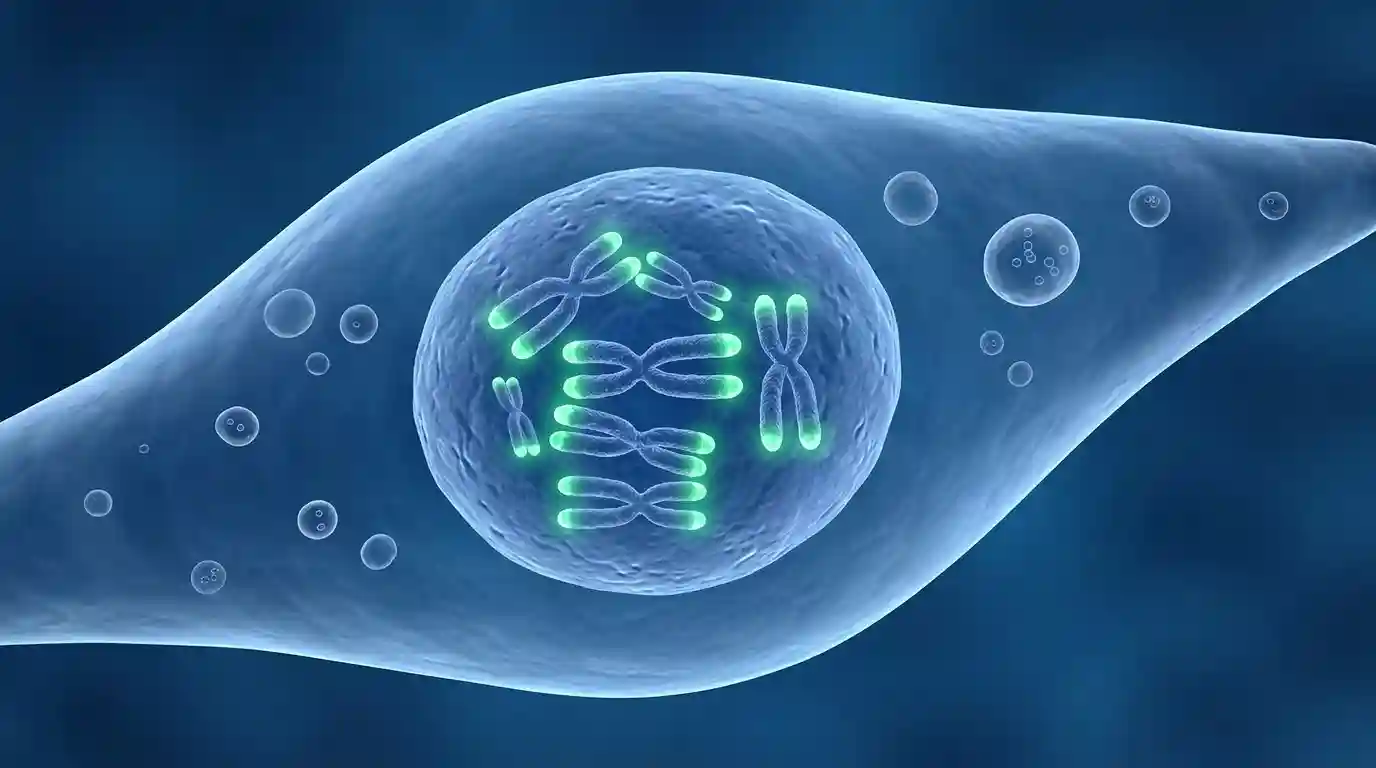
Table of Contents
Senescence, or cellular senescence, is a fundamental biological process where cells permanently cease to divide but remain metabolically active, significantly impacting organismal aging and the progression of various diseases. First described in the early 1960s by Leonard Hayflick and Paul Moorhead, their discovery that normal human fetal fibroblasts in culture have a limited capacity to divide (around 50 times) before reaching a state of stable cell cycle arrest, known as the Hayflick limit or replicative senescence, revolutionized our understanding of cellular aging. This phenomenon is distinct from quiescence, where cells can re-enter the cell cycle, and from terminally differentiated cells.
What is Cellular Senescence?
Cellular senescence is a state of irreversible growth arrest that cells enter in response to various stresses or after reaching their replicative limit. It is a complex stress response mechanism designed to prevent the proliferation of potentially damaged or dysfunctional cells, thereby acting as a powerful tumor-suppressive mechanism. Rather than undergoing programmed cell death (apoptosis), senescent cells remain viable and metabolically active, exhibiting profound phenotypic alterations. These changes include morphological shifts, altered gene expression, and a characteristic secretory profile that can influence the surrounding tissue microenvironment.
The concept of senescence has evolved beyond simply replicative aging. It is now understood that senescence can be induced by a wide array of factors, both intrinsic and extrinsic, throughout an organism’s lifespan, including during embryogenesis, wound healing, and in response to persistent DNA damage, oncogenic activation, and oxidative stress. This intricate process plays a crucial role in maintaining tissue homeostasis and preventing malignant transformation, yet its chronic accumulation can paradoxically contribute to age-related decline and disease.
The Hallmarks of Senescent Cells
Senescent cells are identified by a constellation of distinct characteristics, though no single marker is universally exclusive to the senescent state. These hallmarks include:
- Irreversible Cell Cycle Arrest: This is the most fundamental characteristic, where cells permanently exit the cell cycle and can no longer divide. This arrest is primarily enforced by the activation of tumor suppressor pathways, notably the p53/p21 and p16/pRb pathways, which inhibit cyclin-dependent kinases (CDKs) essential for cell cycle progression.
- Senescence-Associated Secretory Phenotype (SASP): Senescent cells secrete a complex mix of bioactive molecules, including pro-inflammatory cytokines, chemokines, growth factors, and proteases. The SASP is a crucial aspect of senescence, influencing neighboring cells and the tissue microenvironment in both beneficial and detrimental ways.
- Macromolecular Damage: Senescent cells often exhibit persistent DNA damage, which can be a primary inducer of senescence. This damage includes telomere shortening (replicative senescence), DNA double-strand breaks, and oxidative damage. Markers like phosphorylated histone H2AX (γH2AX) and phosphorylated p53 are indicators of this persistent DNA damage response (DDR).
- Morphological and Metabolic Changes: Senescent cells typically become enlarged, flattened, and often multinucleated, with increased vacuoles and modified plasma membrane composition. They also undergo deregulated metabolism, including an increase in the number and size of lysosomes, which can be detected by increased senescence-associated β-galactosidase (SA-β-gal) activity – a widely used biomarker for senescent cells.
- Chromatin Reorganization: A significant feature is the dramatic remodeling of nuclear architecture, including the formation of senescence-associated heterochromatin foci (SAHF). These compacted chromatin regions silence proliferation-promoting genes, contributing to the stable cell cycle arrest.
- Resistance to Apoptosis: While senescent cells are dysfunctional, they are often resistant to programmed cell death, allowing them to persist in tissues and accumulate over time. This resistance is partly due to the upregulation of anti-apoptotic pathways.
Causes and Triggers of Senescence
Cellular senescence is initiated by a diverse range of stress-inducing factors that collectively activate the cell’s damage response mechanisms. These triggers can be broadly categorized as follows:
Telomere Shortening (Replicative Senescence)
One of the earliest recognized causes of senescence is telomere shortening. Telomeres are protective caps at the ends of linear chromosomes that safeguard genomic integrity. With each round of cell division, telomeres progressively shorten due to the “end-replication problem” inherent to DNA polymerase activity. Once telomeres reach a critically short length, they are recognized as DNA damage, triggering a persistent DNA damage response that halts cell division and induces senescence. This process establishes the Hayflick limit, defining the finite proliferative capacity of normal cells in culture.
DNA Damage Response (DDR)
Beyond telomere attrition, various forms of DNA damage can directly induce senescence. These include DNA double-strand breaks, single-strand breaks, and oxidative lesions caused by factors such as ionizing radiation, UV light, genotoxic chemicals, and reactive oxygen species (ROS). When DNA damage is extensive or irreparable, the DDR machinery, involving kinases like ATM and ATR, becomes chronically activated. This sustained activation leads to the engagement of the p53/p21 and p16/pRb pathways, which enforce cell cycle arrest and senescence to prevent the propagation of cells with damaged DNA.
Oncogene-Induced Senescence (OIS)
Cellular senescence also serves as a potent intrinsic anti-cancer mechanism. When proto-oncogenes (genes that promote cell growth and division) become hyperactive or tumor suppressor genes are inactivated, cells can undergo oncogene-induced senescence (OIS). This response prevents potentially malignant cells from uncontrollably proliferating and transforming into tumors. For example, the activation of oncogenes like H-Ras can trigger OIS through chronic p38 MAPK signaling, leading to cell cycle arrest.
Oxidative Stress and Mitochondrial Dysfunction
Reactive oxygen species (ROS) generated during normal cellular metabolism or from external sources can cause oxidative damage to DNA, proteins, and lipids, contributing to cellular stress and inducing senescence. Mitochondrial dysfunction, a hallmark of aging, can exacerbate oxidative stress, further promoting persistent DNA damage responses and stabilizing the senescent state.
Other Stressors
A variety of other cellular stresses, including changes in chromatin architecture, proteotoxicity, and certain mitogenic signals, can also trigger senescence. Chronic inflammation and exposure to exogenous toxins are also recognized as senescence inducers. It is often a combination of these factors that drives cells into a senescent state.
The Senescence-Associated Secretory Phenotype (SASP)
One of the most defining and consequential features of senescent cells is the acquisition of the Senescence-Associated Secretory Phenotype (SASP). Far from being dormant, senescent cells are metabolically active and secrete a rich cocktail of biologically active molecules into their microenvironment.
The composition of the SASP is diverse and can vary depending on the cell type and the specific senescence-inducing stimulus, but it typically includes:
- Pro-inflammatory cytokines: Such as interleukin-6 (IL-6), interleukin-8 (IL-8), and interleukin-1 beta (IL-1β). These contribute to chronic low-grade inflammation, often termed “inflammaging,” which is a hallmark of aging.
- Chemokines: Molecules like CCL2 (MCP1) that recruit immune cells to the site of senescent cells.
- Growth factors: Which can influence the proliferation and differentiation of neighboring cells, sometimes paradoxically promoting tumor growth.
- Proteases: Such as matrix metalloproteinases (MMPs), which degrade the extracellular matrix (ECM), contributing to tissue remodeling and potentially disrupting tissue architecture.
- Reactive Oxygen Species (ROS) and other bioactive factors: Including exosomes and ectosomes containing enzymes, microRNA, and DNA fragments.
The SASP plays a dual role. In acute settings, it can be beneficial, aiding in wound healing by recruiting immune cells to clear damaged tissue and promote regeneration. It can also reinforce the senescent state, preventing the proliferation of potentially cancerous cells, and signaling for their clearance by the immune system. However, the chronic persistence of SASP, particularly as senescent cells accumulate with age, can become detrimental. It drives chronic inflammation, alters gene expression in neighboring cells, disrupts tissue homeostasis, impairs tissue repair and regeneration, and can even promote the progression of cancer and other age-related diseases. The immune system’s reduced efficiency in clearing senescent cells in older individuals can exacerbate this problem.
The Dual Nature of Senescence: Friend or Foe?
Cellular senescence presents a fascinating paradox: it is both a protective mechanism essential for health and a significant contributor to age-related pathologies. This dual nature makes senescence a complex area of study in aging research.
Beneficial Roles of Senescence
- Tumor Suppression: Perhaps the most critical beneficial role of senescence is its function as a natural barrier against cancer. By irreversibly arresting the cell cycle of cells that have incurred DNA damage or activated oncogenes, senescence prevents their uncontrolled proliferation and malignant transformation. This acts as a “fail-safe” mechanism, halting the spread of potentially hazardous mutations.
- Embryonic Development: Senescence plays vital, transient roles during embryonic development, contributing to tissue remodeling and proper organ formation.
- Wound Healing and Tissue Repair: In acute injury, senescent cells are temporarily induced and through their SASP, they help recruit immune cells to clear damaged tissue, promote inflammation necessary for healing, and facilitate tissue regeneration. This transient presence is crucial for effective repair.
- Immune Surveillance: The SASP can also signal to the immune system, aiding in the recognition and clearance of senescent cells themselves, a process known as senescence surveillance. This helps maintain tissue health by removing dysfunctional cells.
Detrimental Roles of Senescence
While beneficial in acute contexts, the chronic accumulation and persistence of senescent cells, particularly with aging, lead to deleterious effects:
| Aspect of Senescence | Beneficial Role (Acute/Transient) | Detrimental Role (Chronic/Accumulated) |
|---|---|---|
| Cell Cycle Arrest | Prevents proliferation of damaged/precancerous cells. | Leads to loss of regenerative capacity in tissues due to inability of cells to divide and repair. |
| Senescence-Associated Secretory Phenotype (SASP) | Recruits immune cells for clearance, promotes wound healing, tissue remodeling. | Drives chronic inflammation (“inflammaging”), disrupts tissue homeostasis, impairs neighboring cell function, and can promote cancer progression. |
| DNA Damage Response (DDR) | Initiates repair mechanisms, activates tumor suppression. | Persistent DDR contributes to genomic instability and can activate detrimental SASP factors. |
| Resistance to Apoptosis | Allows time for repair or protective function before clearance (e.g., in wound healing). | Leads to accumulation of dysfunctional cells that continuously secrete harmful SASP factors. |
The accumulation of senescent cells with age is thought to be a major factor in the progressive decline of physiological integrity, contributing to impaired function and increased vulnerability to disease. The immune system’s ability to clear senescent cells also declines with age, further exacerbating their accumulation. This imbalance shifts senescence from a protective mechanism to a pathological driver, underscoring why it is considered a central hallmark of aging.
Senescence and Age-Related Diseases
The chronic accumulation of senescent cells and their deleterious SASP is strongly implicated in the pathogenesis and progression of numerous age-related diseases, often referred to as “senopathies”. Targeting these cells has shown promise in ameliorating various age-related pathologies in preclinical models.
- Cancer: While senescence initially acts as a tumor suppressor, the persistent SASP can paradoxically promote tumor growth and metastasis by creating a pro-inflammatory, pro-angiogenic, and immunosuppressive microenvironment. The accumulation of senescent stromal cells in the tumor microenvironment can enhance cancer cell proliferation and contribute to epithelial-to-mesenchymal transition.
- Cardiovascular Diseases: Senescent cells accumulate in cardiovascular tissues, including senescent endothelial cells and vascular smooth muscle cells. These contribute to atherosclerosis, hypertension, and heart failure by increasing inflammation, impairing vascular integrity, and promoting fibrosis.
- Neurodegenerative Diseases: Accumulation of senescent cells, including senescent microglia and astrocytes, has been observed in the brains of aged individuals and in models of neurodegenerative conditions such as Alzheimer’s disease, Parkinson’s disease, and amyotrophic lateral sclerosis (ALS). They contribute to neuroinflammation, neuronal death, and impaired cognitive function. Studies have shown that eliminating senescent cells in AD mouse models can reduce disease signs and alleviate memory loss.
- Metabolic Disorders: Senescence is linked to endocrine disorders like type 2 diabetes. Senescent cells contribute to insulin resistance and impaired metabolic function.
- Musculoskeletal Conditions: Conditions such as osteoarthritis, osteoporosis, and sarcopenia (age-related muscle loss) are associated with senescent cell accumulation. Senescent cells in joints contribute to cartilage degradation in osteoarthritis, while senescent preadipocytes in muscle tissue can impair muscle regeneration.
- Pulmonary and Renal Diseases: Senescent cells contribute to fibrotic pulmonary diseases, including idiopathic pulmonary fibrosis, and various kidney disorders.
- Progeria Syndromes: These rare genetic disorders cause accelerated aging phenotypes, often linked to mutations in DNA damage response or telomere maintenance pathways, further highlighting the connection between senescence and aging.
The chronic low-grade inflammation driven by the SASP is a common underlying factor connecting senescent cell accumulation to many of these age-related pathologies.
Targeting Senescence: Therapeutic Approaches
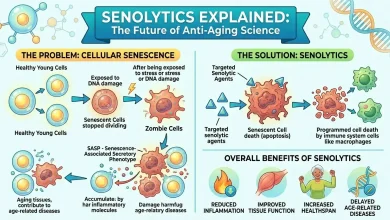
Given the strong links between senescent cell accumulation and age-related diseases, developing therapeutic strategies to target senescence has become a major focus in geroscience. These strategies generally fall into two main categories: senolytics and senomorphics.
Senolytics
Senolytics are a class of drugs designed to selectively induce apoptosis (programmed cell death) in senescent cells, thereby clearing them from tissues. The rationale is that by removing these dysfunctional cells, the burden of chronic inflammation and tissue damage is reduced, potentially alleviating age-related pathologies and extending healthspan.
- Mechanism: Senescent cells often upregulate distinct anti-apoptotic pathways (SCAPs) to survive, which can be exploited as molecular targets for senolytic agents.
- Examples:
- Dasatinib and Quercetin (D+Q): This combination was one of the first demonstrated senolytics and efficiently targets a broad spectrum of senescent cells. Dasatinib, a tyrosine kinase inhibitor, and quercetin, a natural flavonoid, work synergistically. D+Q has shown promise in preclinical studies for conditions like pulmonary fibrosis and osteoarthritis.
- BH3 Mimetics: Drugs like ABT-263 (Navitoclax) inhibit anti-apoptotic BCL-2 family proteins (BCL-2, BCL-W, BCL-XL), leading to the apoptosis of senescent cells that rely on these pathways for survival.
- Fisetin: Another natural flavonoid, fisetin, has shown senolytic efficacy in various senescence-associated disorders in mice, improving healthspan and extending lifespan.
- Other Agents: Research is exploring senolytics targeting metabolic pathways, such as inhibitors of glucose metabolism, and agents that promote autophagy.
- Preclinical and Clinical Progress: Extensive preclinical studies in animal models have shown that genetic or pharmacological elimination of senescent cells can improve tissue function, delay the onset of age-related diseases, and extend lifespan. Small clinical trials with senolytics like D+Q have demonstrated benefits, including reduced levels of circulating SASP factors and improved physical function in patients with diabetic kidney disease and idiopathic pulmonary fibrosis.
Senomorphics
Senomorphics are compounds that modulate or suppress the harmful effects of the SASP without necessarily killing the senescent cells. The goal is to mitigate the detrimental impact of senescent cells on the tissue microenvironment and neighboring cells.
- Mechanism: These agents target the production or activity of SASP components, reducing chronic inflammation and tissue dysfunction.
- Examples:
- mTOR inhibitors (Rapalogs): Inhibition of the mechanistic target of rapamycin (mTOR) pathway can suppress cellular senescence and SASP production. Rapamycin, an mTOR inhibitor, has shown promise in this regard.
- JAK Inhibitors: The JAK/STAT signaling pathway is involved in the production of many SASP cytokines, and inhibitors of this pathway can suppress SASP.
- Neutralizing Antibodies: Antibodies targeting specific SASP components (e.g., IL-1β, IL-6, IL-8) or their upstream receptors can block their detrimental effects.
- Epigenetic Modulators: Senescence is accompanied by extensive epigenetic reprogramming, and modulators of epigenetic marks are being investigated.
Combination therapies, integrating both senolytics to clear senescent cells and senomorphics to suppress the SASP, are also being explored to achieve more robust outcomes in promoting healthy aging. It is important to note that the heterogeneity of senescent cells, where not all senescent cells express all markers or contribute negatively, poses challenges for developing universal senotherapeutics. Careful consideration of potential side effects, such as thrombocytopenia, and the dual roles of senescence (beneficial vs. detrimental) is crucial for clinical application. More research is needed to translate these promising preclinical findings into safe and effective human therapies. For a deeper dive into ongoing clinical trials and the development of senotherapeutic agents, resources like the NIH’s National Institute on Aging offer up-to-date information on the latest advancements National Institute on Aging (NIH).
Future Directions in Senescence Research
The field of cellular senescence is rapidly expanding, with ongoing research aiming to unravel its complex mechanisms and harness its therapeutic potential for healthier aging and disease intervention. Several key areas are driving future discoveries:
- Understanding Senescent Cell Heterogeneity: Senescent cells are not a homogenous population; their characteristics, SASP composition, and impact can vary based on cell type, tissue context, and the inducing stimulus. Future research will focus on identifying specific biomarkers and programs associated with different types of senescent cells (“good” vs. “bad”) to enable more targeted interventions.
- Improved Biomarkers and Detection Methods: While SA-β-gal, p16, p21, and γH2AX are widely used, no single marker is entirely specific to senescence. Developing more precise and reliable biomarkers, potentially using multi-omics approaches and advanced imaging techniques, is crucial for accurate detection and monitoring of senescent cells in vivo.
- Novel Senotherapeutic Development: The discovery of new senolytic and senomorphic compounds, along with optimization of existing ones, remains a priority. This includes exploring natural compounds, repurposing existing drugs, and utilizing high-throughput screening and AI-assisted drug discovery platforms. Research into targeted delivery systems for senotherapeutics to specific tissues or cell types is also gaining traction.
- Clinical Translation and Safety: Expanding clinical trials for senolytics and senomorphics is essential to confirm their efficacy and safety in humans. Understanding optimal dosing regimens (e.g., intermittent vs. continuous) and managing potential side effects, such as effects on healthy cells or beneficial senescence, will be critical for successful translation.
- Senescence in Post-Mitotic Cells: While traditionally associated with dividing cells, emerging evidence suggests that post-mitotic cells, such as neurons and astrocytes, can also acquire a senescence-like phenotype. Investigating the mechanisms and consequences of senescence in these non-dividing cells is vital for understanding neurodegenerative diseases and brain aging.
- Interplay with Other Hallmarks of Aging: Senescence is intricately linked with other hallmarks of aging, such as genomic instability, epigenetic alterations, mitochondrial dysfunction, and stem cell exhaustion. Future research will delve deeper into these interconnections to identify synergistic therapeutic targets that address multiple aspects of aging simultaneously.
By continually advancing our understanding of cellular senescence, researchers hope to unlock new strategies for promoting healthspan, preventing age-related diseases, and ultimately enabling humans to live longer, healthier lives.
Conclusion
Cellular senescence, a state where cells irrevocably halt division while remaining metabolically active, is a cornerstone of modern aging research. Discovered by Hayflick and Moorhead, this phenomenon is a complex biological response triggered by diverse stressors, including telomere shortening, DNA damage, and oncogene activation. Senescent cells are characterized by distinct hallmarks such as irreversible cell cycle arrest, specific morphological changes, widespread chromatin reorganization, and the notorious Senescence-Associated Secretory Phenotype (SASP). While senescence plays crucial beneficial roles in tumor suppression, embryonic development, and acute wound healing, its chronic accumulation and the persistent, often detrimental, effects of the SASP are profoundly implicated in the development and progression of a wide array of age-related diseases, from cancer and cardiovascular conditions to neurodegeneration and metabolic disorders. The dual nature of senescence presents both challenges and opportunities for therapeutic intervention. The emergence of senolytics, which selectively eliminate senescent cells, and senomorphics, which modulate their harmful secretions, offers promising avenues for mitigating age-related decline and improving healthspan. As research continues to unravel the intricacies of senescent cell heterogeneity and their precise roles in health and disease, the future holds immense potential for developing targeted and effective strategies to combat the biological processes that drive aging and age-related pathologies, paving the way for a healthier future.