6 Essential NCOA Resources for Older Adults – Health & Financial Security
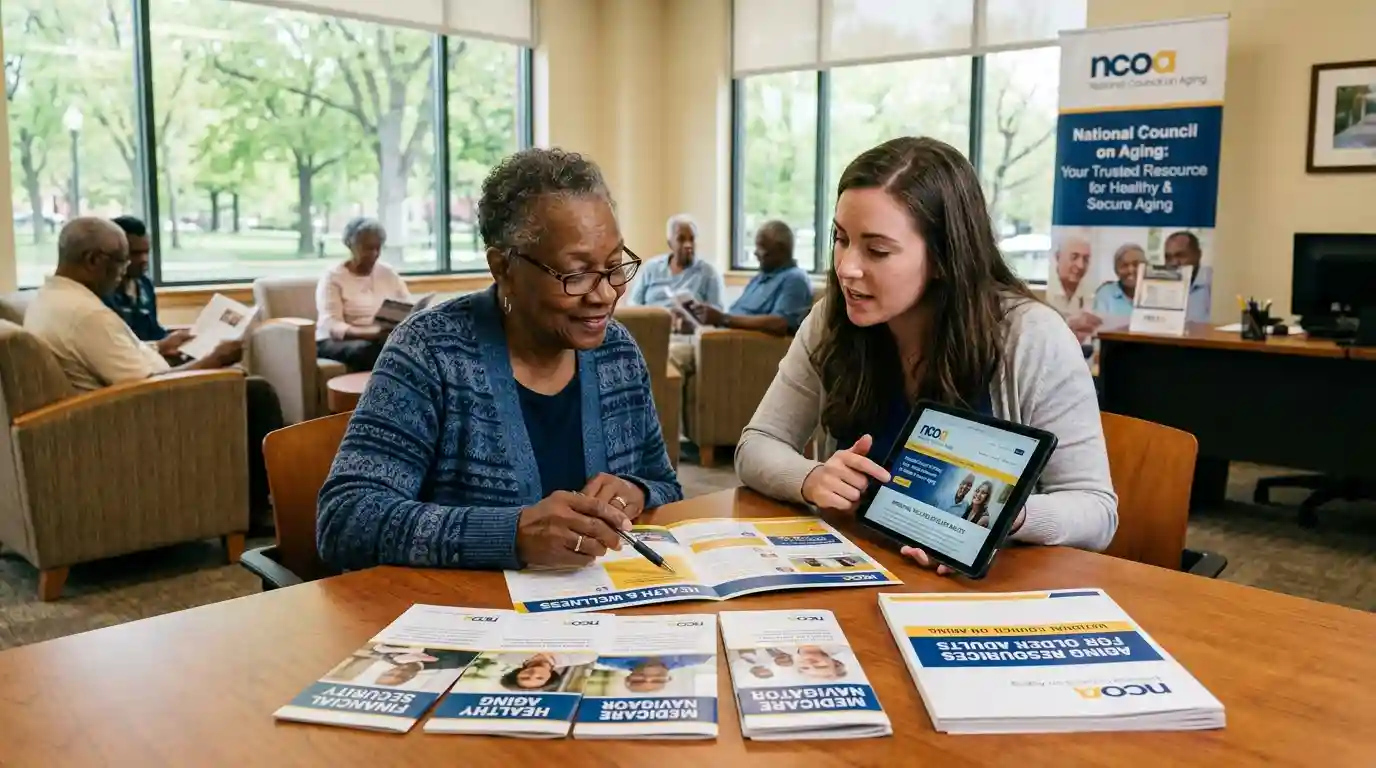
Table of Contents
National Council on Aging (NCOA) resources for older adults are critical in fostering a society where every individual can age with dignity, purpose, and security. Established in 1950, the NCOA emerged as the first national voice in the United States dedicated to advocating for older Americans with service providers and policymakers alike. For over 75 years, NCOA has been instrumental in shaping policies and developing programs that address the diverse needs of the aging population, ensuring that older adults have access to vital services and opportunities to live fulfilling lives. The organization’s enduring mission is to improve the lives of millions of older adults, particularly those who are vulnerable and disadvantaged, by providing essential resources, tools, best practices, and robust advocacy.
The NCOA operates on a multifaceted strategy that includes empowering older adults directly, strengthening communities through partnerships, and advocating for lasting policy changes. This comprehensive approach enables the NCOA to tackle prevalent challenges faced by seniors, such as rising healthcare costs, economic insecurity, and social isolation. Their work is built on the belief that all individuals should have the resources to live at home and contribute to their communities for as long as possible.
Introduction to the National Council on Aging (NCOA)
The National Council on Aging (NCOA) is a leading national nonprofit organization committed to improving the health and economic security of older adults. Since its inception in 1950, the NCOA has been at the forefront of advocating for the rights and well-being of America’s seniors. The organization’s history is marked by significant contributions, including helping to end mandatory retirement and advocating for the establishment and protection of critical programs like Medicare, Medicaid, the Older Americans Act, and the Affordable Care Act. Headquartered in Washington, D.C., NCOA collaborates extensively with a wide array of organizations, businesses, and government agencies to champion job security, access to essential benefits, quality healthcare, and opportunities for independent and active living for older Americans. The NCOA’s current ambitious goal is to measurably improve the health and economic security of 40 million older adults by 2030, with a particular focus on vulnerable populations such as women, people of color, LGBTQ+ individuals, low-income seniors, and those in rural areas.
The core values of NCOA emphasize a just and caring society where aging is a right, not a privilege, and where every person lives with dignity, purpose, and security. To achieve this, NCOA provides a wealth of information resources, digital tools, and best practices. These offerings are designed to empower older adults and their caregivers with unbiased information related to health and financial security, personalized online support for finding benefits, choosing Medicare plans, preventing falls, and planning for a healthy and secure life. Furthermore, NCOA offers technical assistance and support to professionals in community-based organizations who serve older adults daily.
Advocacy and Policy for Aging Well
NCOA plays a pivotal role in advocating for policies and programs that strengthen the well-being of older adults. Their advocacy efforts are deeply rooted in the belief that policy decisions significantly impact the daily lives of seniors. The organization actively campaigns on behalf of the aging population for federal funding for the Older Americans Act (OAA), which is considered the backbone of federal aging policy. The OAA provides crucial funding and regulations for a wide range of services, including senior center activities, nutrition programs, health education initiatives, benefits counseling, caregiver support, job training and placement, and elder rights protections. NCOA encourages individuals to add their voices to protect and strengthen these essential programs through its Action Center.
Key policy initiatives and advocacy areas for NCOA include promoting economic security, empowering and protecting older adults, and advancing evidence-based healthy aging initiatives. They work to ensure that economic security is a primary goal of relevant legislation, enhance the measurement of economic need, and invest in strategies that help older adults achieve financial stability. This includes expanding access to coordinated benefits, debt management, credit counseling, and housing options. NCOA also advocates for policies that improve education and training in best practices for advocacy and consumer empowerment, integrate existing advocacy provisions, and enhance accountability at all levels to support the independence of older adults.
Furthermore, NCOA engages with policymakers to address current challenges such as the affordability of Medicare and the prevention of hunger among seniors. They advocate for affordable Medicare costs, ensuring that older adults do not skip necessary doctor’s visits or medications due to cost. Additionally, NCOA supports programs like the Supplemental Nutrition Assistance Program (SNAP), recognizing its effectiveness in combating hunger and poverty among older adults. In 2022, NCOA’s Senior SNAP Enrollment Initiative, with funding from the Walmart Foundation, supported 24 community-based organizations to assist older adults aged 60 and over in applying for and enrolling in SNAP, fighting senior hunger effectively.
Benefits and Financial Assistance Programs
One of NCOA’s most impactful offerings is BenefitsCheckUp®, a free, confidential online tool that connects millions of older adults and people with disabilities to programs that can help them afford daily expenses. Since its launch in 2001, BenefitsCheckUp has been a lifeline for seniors, helping them discover and apply for benefits that can assist with nutritious food, prescriptions, healthcare, utilities, housing, and more. Many older adults are unaware they qualify for such programs, leading to billions of dollars in unclaimed benefits each year.
The tool works by allowing users to enter their ZIP code and answer a few questions about their circumstances. This information then generates a personalized report of programs they may be eligible for, including federal, state, and local initiatives. Programs often include the Supplemental Nutrition Assistance Program (SNAP), Medicare Low-Income Subsidy (LIS), Medicare Savings Programs (MSP), and various forms of utility and housing assistance. BenefitsCheckUp not only identifies potential benefits but also provides information on how to apply, often linking directly to online applications or providing contact information for agencies.
NCOA also operates Benefits Enrollment Centers (BECs) as part of its nationwide network, which offer in-person assistance to low-income individuals with Medicare. These centers help people access benefits they might be missing, with BECs helping over 82,250 people submit more than 117,023 applications for benefits estimated to be worth over $450 million in FY25 alone. The NCOA’s commitment to economic well-being extends beyond benefits access to include financial education and resources designed to help older adults manage their money effectively and make informed financial decisions. This focus is particularly important given that more than 17 million older adults aged 65 and above are economically insecure, living below 200% of the federal poverty level.
| NCOA Core Program Areas | Key Services and Initiatives | Target Outcomes for Older Adults |
|---|---|---|
| Benefits & Financial Assistance | BenefitsCheckUp®, Benefits Enrollment Centers, SNAP Enrollment Initiative, Financial Counseling Resources | Increased access to financial aid, reduced out-of-pocket expenses, improved economic security, access to nutritious food. |
| Health & Wellness | Center for Healthy Aging, Falls Prevention Programs, Chronic Disease Self-Management Education, Enhance®Wellness, Mental Health Resources | Improved physical and mental health, reduced risk of falls, better management of chronic conditions, enhanced quality of life, increased independence. |
| Economic Security & Employment | Senior Community Service Employment Program (SCSEP), Job Skills CheckUp, Budget CheckUp, Elder Index™ | Job training and placement, workforce re-entry support, financial literacy, debt management, improved budgeting skills, economic stability. |
| Caregiver Support | Eldercare Locator, Mental Health Resources & Support for Caregivers, Planning & Decision Making Guides | Access to local care resources, relief from caregiver burden, information on long-term support services, financial planning for caregiving. |
| Safety & Fraud Prevention | Scam and Fraud Prevention Resources, Online Scam Education Campaigns, Partnerships with Zelle® | Increased awareness of common scams, protection against financial exploitation, tips for secure online transactions, reporting mechanisms for fraud. |
Health and Wellness Initiatives
NCOA’s Center for Healthy Aging is dedicated to empowering older adults to live longer, healthier lives through a combination of wellness programs, tools, and resources. These initiatives are often delivered via community organizations and online platforms, providing tailored and culturally relevant solutions aimed at improving independence, quality of life, overall health, and the ability to age in place. Good health is paramount for independence, security, and productivity in later life, yet millions of seniors contend with significant health and safety challenges, including chronic diseases and mental health issues.
Among the key programs offered by NCOA are evidence-based health promotion initiatives that provide proven ways to prevent disease and promote well-being among older adults. These include:
- Falls Prevention Programs: Falls are a leading cause of injury and death among older adults, with one occurring every 11 seconds. NCOA’s Falls Prevention Resource Center offers resources to help make homes safer, maintain strength and balance through exercise programs, and promote bone health through proper nutrition. In FY25, NCOA partnered with 23 grantees to implement and sustain falls prevention workshops, engaging over 17,860 participants.
- Chronic Disease Self-Management Education (CDSME) Programs: These programs provide older adults with the skills and confidence to manage chronic conditions effectively. NCOA’s National CDSME Resource Center works to expand access to and use of CDSME and other evidence-based programs, supporting grantees to reach over 532,000 participants through over 47,700 workshops since data collection began.
- Enhance®Wellness: An evidence-based program that connects participants with a personal health and wellness coach to improve physical, emotional, and social well-being. It uses motivational interviewing and validated assessment tools to guide participants in creating and adhering to health action plans across various domains, including physical activity, diet, pain management, and social activity.
- Mental Health Resources and Support: Recognizing the importance of mental health, NCOA provides resources for mental health support, understanding online therapy, and addressing issues like depression and anxiety.
These programs are crucial for helping older adults manage ongoing health conditions, prevent new ones, and maintain their physical and mental vitality.
Economic Security and Employment Support
Economic security is a cornerstone of aging well, yet many older adults face financial hardships. More than 17 million older adults aged 65+ are considered economically insecure, living below 200% of the federal poverty level, often struggling with rising housing and healthcare costs, inadequate nutrition, and diminished savings. NCOA is deeply committed to addressing these challenges through various programs and resources aimed at improving the financial well-being of seniors.
A significant initiative is the Senior Community Service Employment Program (SCSEP), the nation’s only jobs program specifically designed for individuals aged 55 and older who are low-income and unemployed. SCSEP helps older adults return to or remain active in the workforce by providing job training, job search services, and on-the-job experience. NCOA manages 24 SCSEP offices under a grant from the U.S. Department of Labor, with the program serving 4,283 participants and placing 451 trained individuals in jobs in FY24. This program is vital for helping seniors gain new skills, overcome employment obstacles, and contribute to their communities.
Beyond employment, NCOA offers tools like Budget CheckUp and Job Skills CheckUp, which are free online resources to help individuals manage their money and improve their employment prospects. Budget CheckUp provides practical tips for creating monthly budgets and managing finances, while Job Skills CheckUp helps older adults navigate the challenges and opportunities of re-entering the workforce. NCOA also developed the Elder Index™, a measure of the income older adults need to meet their basic needs and age in place with dignity, which helps to highlight the true cost of growing older in America.
The organization also works to educate older adults on how to wisely use their home equity and provides resources for managing debt. Through partnerships with financial services organizations, NCOA guides older adults in making decisions that improve their economic well-being both today and in the future.
Caregiving Resources and Support
Caring for an older adult can be a demanding yet rewarding role, often made more complex when the caregiver is also an older adult. NCOA recognizes the immense dedication of caregivers and provides a suite of resources designed to support them in their crucial roles. These resources aim to help caregivers better provide for their loved ones while also avoiding burnout.
A key service is the Eldercare Locator, a nationwide service that connects older Americans and their caregivers with trustworthy local support resources. Whether a caregiver needs help with services such as meals, home care, transportation, or other long-term support services, the Eldercare Locator can direct them to appropriate assistance in their community. This tool is particularly valuable for navigating the often-complex landscape of long-term care.
NCOA also offers specific guidance and resources for caregivers dealing with chronic conditions, including Alzheimer’s and other dementias. They provide information on identifying early warning signs, planning and decision-making in Alzheimer’s care, and strategies to support caregivers as they care for someone with memory loss. Furthermore, the NCOA offers mental health resources and support specifically tailored for caregivers, acknowledging the emotional and psychological toll that caregiving can take.
The organization emphasizes the importance of preparing for emergencies and offers free tools to help caregivers create plans. These resources include BenefitsCheckUp® to help with financial emergencies, and the Falls Prevention Resource Center, which provides tools to make homes safer and prevent falls, a common concern for caregivers. NCOA’s comprehensive approach ensures that caregivers have access to the information and support networks necessary to sustain themselves and provide the best possible care for their loved ones.
Safety and Protection Against Fraud
Unfortunately, older adults are frequent targets of scams and financial fraud, losing billions of dollars each year to these exploitative schemes. The National Council on Aging is committed to protecting seniors from these threats by providing extensive resources and education on scam prevention. Their efforts focus on increasing awareness, teaching older adults how to spot common scams, and empowering them to keep their money safe.
NCOA’s scam and fraud prevention resources include:
- Scam Warning Signs and Protection Tips: NCOA publishes information on various types of scams, including online payment scams, genetic testing scams, Medicare fraud, tech support scams, sweetheart scams, government imposter scams, and business imposter scams. They offer practical tips such as pausing and reflecting before acting, understanding the psychology behind scams, confirming information, and reporting suspected fraud.
- Educational Campaigns and Partnerships: NCOA collaborates with organizations like Zelle® to launch national campaigns aimed at educating and empowering older adults with the knowledge to spot and avoid online payment scams. These partnerships are crucial given the rise in internet fraud complaints from adults aged 60+, with losses reaching billions of dollars.
- Resources for Professionals: NCOA also provides tools and tips for professionals working with seniors, helping them to spot common scams, educate older adults about financial exploitation, and explain how to report suspected fraud.
By offering these resources, NCOA helps older adults and their caregivers to identify red flags, secure their financial accounts, and understand how to report fraudulent activities, thereby significantly reducing their vulnerability to exploitation.
Empowering Local Communities
The NCOA’s vision of aging well for all is largely realized through its strong network of national and local partnerships. The organization understands that effective change requires collaboration at all levels, from grassroots efforts to policy implementation. NCOA works with thousands of partners, including Area Agencies on Aging (AAAs), Aging and Disability Resource Centers (ADRCs), public health departments, community-based organizations, and healthcare providers. These partnerships are vital for expanding the reach of NCOA’s programs and ensuring that resources are accessible to diverse populations of older adults.
Community-based organizations (CBOs) play a crucial role in delivering NCOA’s programs on the ground. They serve as host organizations for training leaders, scheduling and conducting workshops, and as referral partners to enroll older adults in evidence-based programs for falls prevention and chronic disease self-management. Many of NCOA’s initiatives, such as the Senior SNAP Enrollment Initiative, directly fund and support CBOs to provide in-person benefits counseling and enrollment assistance in communities across the U.S.
NCOA also engages in strategic partnerships with non-traditional organizations, including faith-based communities, disability organizations, and emergency medical services (EMS) professionals. These collaborations help to expand resources, serve as trainers, provide outreach and referrals, offer financial or in-kind support, and assist with program planning and implementation. The goal is to build a robust system of support that empowers older adults and caregivers within their own communities with the best solutions to improve their health and economic well-being. By focusing on strengthening community systems and supports, NCOA ensures that the benefits of aging well are available to everyone, regardless of their background or location.
Conclusion
The National Council on Aging (NCOA) stands as a foundational pillar in advocating for and supporting older adults across the United States. Through its comprehensive suite of resources, including the indispensable BenefitsCheckUp®, vital health and wellness initiatives, robust economic security and employment support, dedicated caregiving resources, and critical fraud prevention efforts, NCOA addresses the multifaceted challenges faced by the aging population. The organization’s strategic advocacy and extensive network of community partnerships ensure that its impact resonates from individual lives to national policy, striving to create a society where every person has the opportunity to age with health, economic security, dignity, and purpose. As the population continues to age, the NCOA’s role remains more crucial than ever in building the infrastructure and support systems necessary for all Americans to navigate their later years with confidence and well-being. Individuals are encouraged to explore NCOA’s resources and engage with their local aging services to leverage the wealth of support available for themselves and their loved ones. More information can be found at the NCOA official website.