7 Normal Signs of Aging at 80 – Expert-Explained Health Changes
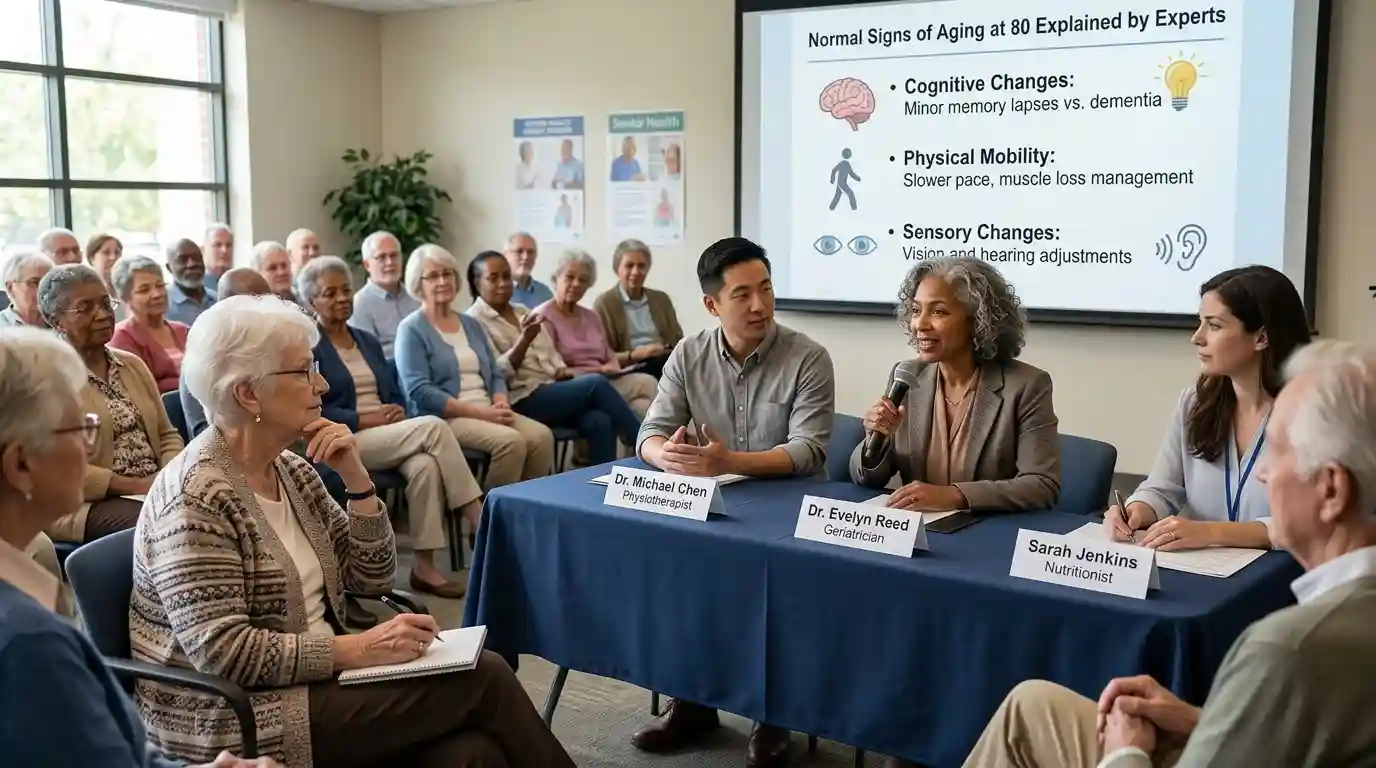
Table of Contents
Normal signs of aging at 80 encompass a wide array of physiological, cognitive, and emotional shifts that are generally expected as individuals reach advanced old age. While aging is a natural and inevitable process, the specific changes can vary significantly from person to person, influenced by genetics, lifestyle, and environment. Understanding these normal age-related transformations, as explained by experts, is crucial for seniors, their families, and caregivers to promote healthy aging and maintain a fulfilling quality of life. By the age of 80, many body systems show noticeable changes, but it is important to distinguish between normal aging and signs that may indicate underlying health concerns requiring medical attention.
Physical Transformations: What to Expect
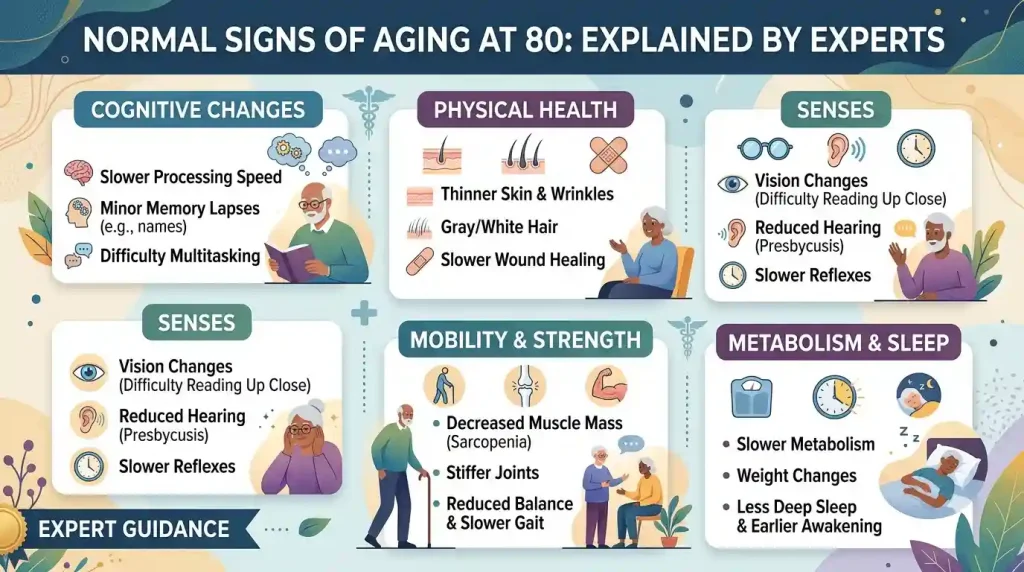
As individuals enter their 80s, the body undergoes several prominent physical changes. One of the most noticeable aspects is the decline in muscle and bone strength. Sarcopenia, the age-related loss of muscle mass and strength, becomes more apparent, leading to reduced overall strength and balance. This can increase the risk of falls and fractures, which are significant concerns for older adults. Bones also tend to lose density, becoming more brittle and prone to breaking easily, a process exacerbated by conditions like osteoporosis, especially in post-menopausal women. Overall height may decrease, primarily due to the shortening of the trunk and spine as vertebral discs gradually lose fluid and thin.
Skin and hair also exhibit significant changes. The skin becomes thinner, less elastic, and more susceptible to bruising or dryness, while wrinkles deepen and age spots become more prominent. Hair often thins and turns gray. These changes are largely due to a decrease in skin elasticity and a reduction in the protective fatty layer beneath the skin.
The cardiovascular system also experiences age-related changes. The heart may pump less efficiently, and arteries can stiffen, potentially leading to higher blood pressure. While some cardiovascular changes are normal, high blood pressure is a common condition among those 75 and older, and heart disease remains a leading cause of death for both men and women.
Digestive system changes are also common in later life, including a slower metabolism, reduced appetite, and difficulty absorbing nutrients. Constipation is also a frequent issue. Additionally, the body’s ability to maintain a constant and comfortable body temperature may decrease, and there can be a reduction in vital lung capacity. Experts emphasize that while these physical changes are part of normal aging, maintaining a healthy diet, staying hydrated, and engaging in regular physical activity can help manage them and promote overall health.
Cognitive Health and Memory in Later Life
Cognitive changes are a frequently discussed aspect of aging at 80. Experts confirm that some signs of memory loss and reduced cognitive function are considered normal in this age group. The brain undergoes structural and functional changes with age, including slight shrinkage and slower nerve transmission. Processing speed, which refers to how quickly the brain can process information and respond, tends to decrease with age, a decline that often starts in early adulthood and becomes more significant by the 70s and 80s. This can make multitasking more challenging and increase the time it takes to learn new information.
Occasional forgetfulness, such as misplacing keys or having “tip-of-the-tongue” moments where a word is hard to recall, is also a normal part of cognitive aging. Recalling names and numbers can become more challenging, and remembering appointments may require external cues. Language production can decline, necessitating more time to find words and potentially leading to pauses in sentences or difficulty spelling familiar words.
However, it’s crucial to differentiate these normal age-related changes from more severe cognitive impairments like dementia. While some degree of cognitive decline is normal, dementia involves a loss of cognitive function that interferes with daily activities and quality of life and is not an inevitable part of aging. Many older adults maintain strong verbal abilities, deeper understanding of words, and greater knowledge than younger adults, and abstract reasoning skills can remain quite sharp. Some individuals, referred to as “super-agers,” even exhibit memory performance comparable to people 20 to 30 years younger, suggesting that a healthy lifestyle and mentally stimulating activities play a key role in cognitive resilience. Engaging in lifelong learning, pursuing hobbies, and maintaining social interactions can help keep the mind sharp.
Sensory Changes: Sight, Hearing, Taste, and Touch
The five senses—vision, hearing, taste, smell, and touch—all typically undergo changes with age, leading to a decline in their acuity.
- Vision: Visual acuity, or sharpness of focus, tends to worsen, and conditions like cataracts and glaucoma become more common. Night vision may be reduced, and sensitivity to glare can increase. The pupils narrow and respond more slowly to changes in light, and the lens can harden. Regular eye exams and corrective lenses or other assistive devices are important for maintaining quality of life.
- Hearing: Hearing loss, particularly in higher frequencies, is a common age-related change, often beginning between ages 40 and 50 and becoming more pronounced by 80. Many people over 65, however, do not experience hearing loss that significantly interferes with their lives. Assistive devices like hearing aids can greatly enhance quality of life.
- Taste and Smell: These two interdependent senses, which greatly contribute to the enjoyment of food, become less sharp with aging. While the number of taste buds may remain stable, reduced saliva flow can diminish taste. The sense of smell declines more rapidly, with detection almost 50% poorer by the 80s compared to younger years. This blunting of senses can reduce appetite.
- Touch: Older skin often has fewer nerve endings, which can lead to reduced sensitivity to pain, temperature, or pressure. This reduced sensation, particularly in the feet, can sometimes contribute to balance issues and falls.
These sensory changes mean that more stimulation is often needed for the brain to register sensations. Routine checkups with specialists (ophthalmologists, audiologists) are recommended to address these issues and maintain quality of life.
| Aspect of Aging | Normal Changes at 80 | Expert Recommendations for Management |
|---|---|---|
| Skin & Hair | Thinner, less elastic skin; more wrinkles and age spots; hair thins and grays. | Stay hydrated, use moisturizers, protect from sun. |
| Musculoskeletal System | Reduced muscle mass (sarcopenia); weaker bones, increased fragility; joint stiffness and pain. | Regular weight-bearing exercise, balanced diet rich in calcium/Vitamin D. |
| Cognitive Function | Slower processing speed; occasional memory lapses (e.g., forgetting names, misplacing items); difficulty multitasking. | Mentally stimulating activities (puzzles, reading); social engagement; lifelong learning. |
| Sensory Perception | Diminished vision (cataracts, glare sensitivity); hearing loss (high frequencies); reduced taste and smell; decreased touch sensitivity. | Routine checkups with specialists; use assistive devices (glasses, hearing aids); add spices to food. |
| Immune System | Slower to respond; reduced effectiveness of vaccines; slower healing; increased risk of autoimmune disorders. | Vaccinations, healthy diet, regular exercise, stress reduction, adequate sleep. |
| Sleep Patterns | Lighter, more fragmented sleep; earlier bedtime/wake time; less deep sleep; more nocturnal awakenings. | Consistent sleep schedule, restful environment, limit long daytime naps, regular physical activity. |
| Emotional Well-being | Generally high levels of emotional stability; potential for stress/anxiety related to life changes; depression is NOT normal. | Maintain social connections, engage in meaningful activities, seek support for significant emotional distress. |
Maintaining Musculoskeletal Strength and Mobility
The musculoskeletal system, encompassing bones, muscles, and joints, undergoes significant changes by the age of 80, impacting strength, endurance, flexibility, and overall mobility. As discussed, sarcopenia contributes to a noticeable decline in muscle mass and strength, making movement more difficult and increasing the risk of falls. Muscle fibers reduce in number and shrink in size, and muscle tissue is replaced more slowly, often with tougher, fibrous tissue. The nervous system changes also affect muscles, leading to reduced tone and ability to contract.
Bone density loss, or osteoporosis, is a critical concern, particularly for older women after menopause due to hormonal changes. Bones become more brittle and susceptible to fractures from even minor bumps or falls. The spine shortens, and posture may become more stooped.
Joints also become stiffer and less flexible with age. The lubricating fluid within joints may decrease, and cartilage can thin and wear away, leading to conditions like osteoarthritis, characterized by pain, stiffness, and sometimes deformity. Ligaments and tendons also lose some elasticity, contributing to stiffness and reduced range of motion.
Despite these changes, experts emphasize that many age-related declines in the musculoskeletal system are significantly influenced by inactivity. Regular physical activity, including weight-bearing exercises and strength training, is vital for maintaining muscle mass and bone density, improving balance, and reducing the risk of falls. A diet rich in calcium and vitamin D is also crucial for bone health. Physiotherapists and orthopaedic specialists can provide guidance on exercise programs and address specific musculoskeletal issues to improve quality of life.
Immune System Function and Health
As people age, the immune system naturally becomes less effective, a process known as immune senescence. This decline impacts the body’s ability to protect itself from foreign or harmful substances, such as bacteria, viruses, toxins, and cancer cells. By 80, the immune system is slower to respond, increasing the risk of getting sick.
Key changes include:
- Reduced Vaccine Effectiveness: Flu shots and other vaccines may not work as well or protect for as long as expected. T cells, which are crucial for remembering invaders and defending against them, divide at a much slower rate in older adults.
- Slower Healing: The body produces fewer immune cells, including white blood cells, which can slow down the healing process for injuries and illnesses.
- Increased Risk of Illness: Not only are there fewer immune cells, but those present may not communicate as effectively, leading to a longer reaction time to harmful germs. This is why illnesses disproportionately affect older adults; for example, case fatality rates for certain novel pathogens can be significantly higher at age 80 and older.
- Autoimmune Disorders: The immune system may become less able to distinguish between body tissues and foreign substances, leading to an increased risk of autoimmune disorders.
- Cancer Risk: The immune system’s ability to detect and correct cell defects declines, which can contribute to an increased risk of cancer. Macrophages, specialized cells that destroy bacteria and cancer cells, also work more slowly.
Despite these challenges, experts note that the immune system generally performs well enough for most people at any age. To mitigate the effects of immune system aging, it is recommended to stay up-to-date on vaccinations, maintain a healthy diet, get plenty of exercise, avoid smoking, limit alcohol intake, and manage stress. A balanced diet and good sleep also contribute to a stronger immune system.
Sleep Patterns and Restorative Sleep
Sleep patterns naturally shift as individuals age, and by 80, these changes can be quite noticeable. Older adults often experience lighter, more fragmented sleep, waking up more frequently during the night and earlier in the morning. The amount of deep, restorative sleep (slow wave sleep) tends to decrease, while the proportion of time spent in lighter stages of sleep increases. Many also experience an advanced sleep phase, meaning they feel sleepy earlier in the evening and wake up earlier than desired.
While total sleep needs remain relatively stable (around 7-8 hours per night), the quality of sleep often declines. Older people may spend more total time in bed but feel less refreshed in the morning due to frequent awakenings and less deep sleep. This can lead to increased daytime napping to compensate for fragmented nighttime sleep. Reduced melatonin production and increased sensitivity to environmental factors like noise can contribute to these changes.
It is crucial to understand that while sleep patterns change, disturbed sleep and constant daytime fatigue are not normal parts of aging. Chronic insomnia and sleep deprivation can lead to confusion, attention and memory problems, depression, and an increased risk of falls and accidents. Medical conditions, medications, and lifestyle factors can also impact sleep in older adults. Experts recommend maintaining a consistent sleep schedule, creating a restful sleep environment (cool, dark, quiet), limiting long daytime naps, and engaging in regular physical activity to improve sleep quality. If sleep problems persist, consulting a doctor or sleep specialist is advised.
Emotional Well-being and Social Connections
Contrary to common stereotypes, research suggests that many older adults enjoy high levels of affective well-being and emotional stability into their 70s and 80s. Studies indicate that negative emotions tend to decrease with age, while positive emotions remain fairly stable or even increase for many individuals. Older adults often regulate their emotions more effectively than younger people, maintaining positive feelings and reducing negative ones. This may be partly explained by “socioemotional selectivity theory,” which posits that as people become more aware of limited time, they prioritize social goals related to meaning and satisfaction, focusing on positive experiences and relationships. Older adults are also more likely to appraise even negative situations more positively and recall more positive information.
However, the transition into advanced old age can also bring significant life changes, such as retirement, loss of loved ones, reduced mobility, and increased dependency, which can contribute to stress and anxiety. While emotional stability is often a hallmark of aging, it is important to note that depression is not a normal part of aging. About 20% of people aged 55 or older may experience mental health concerns, with anxiety, severe cognitive impairment, and mood disorders being common. Recognizing and addressing symptoms of depression or anxiety is critical, as approximately 80% of depression cases in older adults are treatable.
Maintaining strong social connections is vital for emotional well-being and can help combat feelings of loneliness and isolation. Engaging in mentally stimulating activities, pursuing hobbies, volunteering, and connecting with family and friends are excellent ways to stay mentally and emotionally active and enhance a sense of purpose. Research from the Harvard Study of Adult Development, spanning nearly 80 years, emphasizes that close relationships are a key predictor of long and happy lives, protecting against mental and physical decline. Those who were most satisfied with their relationships at age 50 were found to be the healthiest at age 80.
For more insights into healthy aging strategies, particularly in advanced years, resources such as the National Institute on Aging offer valuable information on maintaining physical, mental, and cognitive health.
Conclusion
Aging at 80 involves a complex interplay of normal changes across physical, cognitive, sensory, immunological, sleep, and emotional domains. While the decline in muscle and bone strength, reduced sensory acuity, slower cognitive processing, and shifts in sleep patterns are generally expected aspects of growing older, they are not necessarily debilitating. Experts highlight that these changes are highly individualized and can be significantly influenced and managed through proactive lifestyle choices. Maintaining physical activity, adhering to a balanced and nutritious diet, staying mentally and socially engaged, prioritizing quality sleep, and fostering strong emotional connections are all critical strategies for promoting healthy aging. Crucially, distinguishing between normal age-related changes and signs that may indicate underlying health issues is paramount. Regular medical check-ups and open communication with healthcare providers ensure that any concerns are addressed promptly, allowing individuals to navigate their 80s with confidence, health, and a continued sense of purpose.