7 Active Aging Ideas for Seniors to Stay Healthy & Social
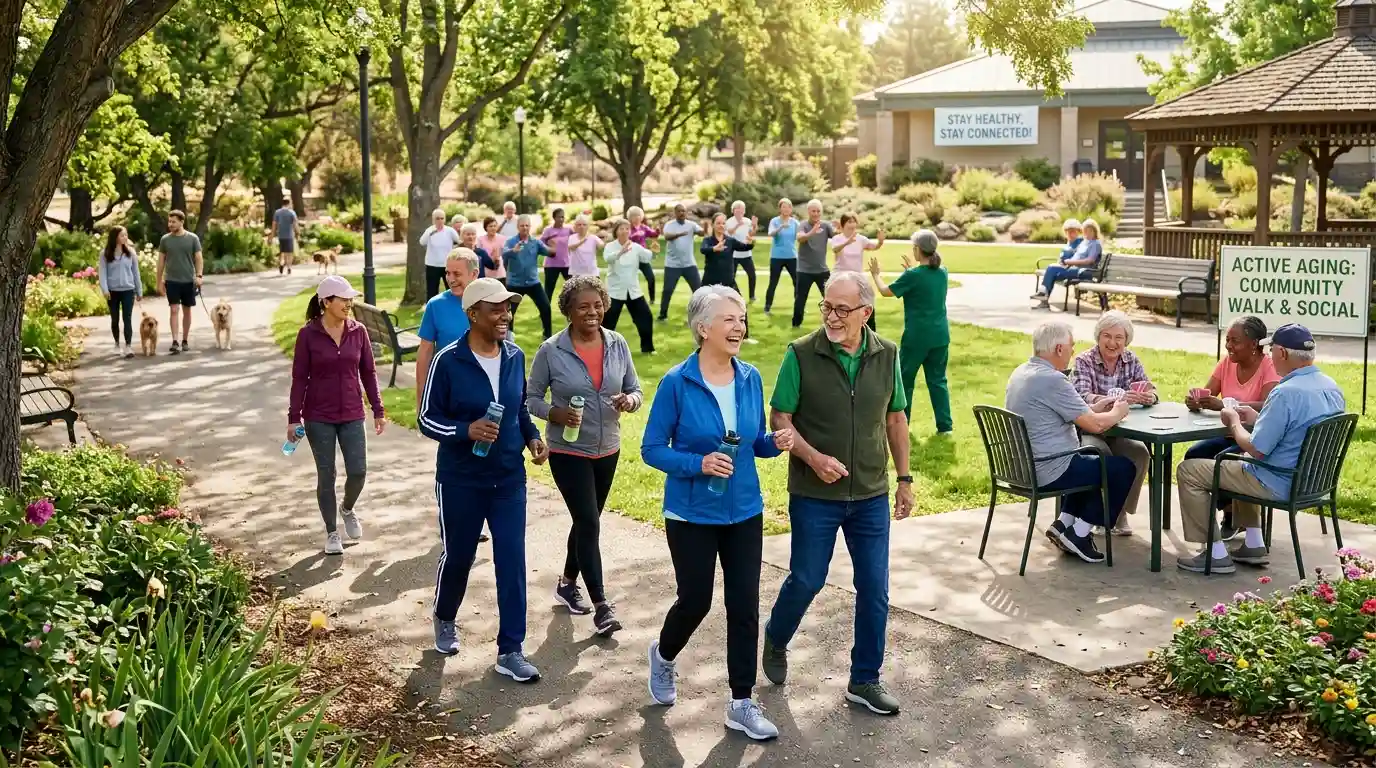
Table of Contents
Active aging is a comprehensive and empowering approach to later life, emphasizing not just extending lifespan but enriching it with vitality, purpose, and engagement. It’s a philosophy that recognizes older adults as valuable, contributing members of society, capable of maintaining a high quality of life through informed choices and active participation in their communities. The World Health Organization (WHO) defines active aging as “the process of optimizing opportunities for health, participation, and security in order to enhance quality of life as people age.” This framework extends beyond mere physical health, encompassing civic involvement, emotional well-being, independence, social engagement, and even spiritual fulfillment.
As the global population ages, the importance of active aging strategies becomes increasingly vital. Instead of viewing aging as a period of decline, active aging promotes a proactive mindset, encouraging seniors to embrace new experiences, maintain meaningful connections, and continue personal growth. This article delves into various ideas and strategies for seniors to stay healthy and social, covering physical, mental, social, nutritional, and financial aspects, all contributing to a more fulfilling and independent senior living experience.
The Cornerstone of Longevity: Engaging in Regular Physical Activity
Physical activity is a fundamental pillar of active aging, offering a myriad of benefits that enhance both physical and mental well-being. Regular exercise can significantly reduce the risk of chronic illnesses such as heart disease, diabetes, certain cancers, and high blood pressure. It also plays a crucial role in improving strength, balance, and flexibility, which are essential for preventing falls, a common concern for older adults. Furthermore, physical activity can boost mood, lower the risk of depression and anxiety, and even improve cognitive function.
The U.S. Department of Health and Human Services recommends that older adults aim for at least 150 minutes of moderate-intensity aerobic activity per week, or 75 minutes of vigorous-intensity aerobic activity, or an equivalent combination. This could translate to 30 minutes a day, five days a week. In addition to aerobic exercises, muscle-strengthening activities involving all major muscle groups should be performed at least two days a week. Balance exercises are also highly recommended, especially for those at increased risk of falls, and should be done on three or more days per week.
Examples of suitable physical activities for seniors include:
- Walking: A simple yet effective form of aerobic exercise that can be done almost anywhere. Brisk walking for 30 minutes a day offers substantial health benefits.
- Swimming or Water Aerobics: These low-impact activities are gentle on joints while providing excellent cardiovascular and muscle-strengthening benefits.
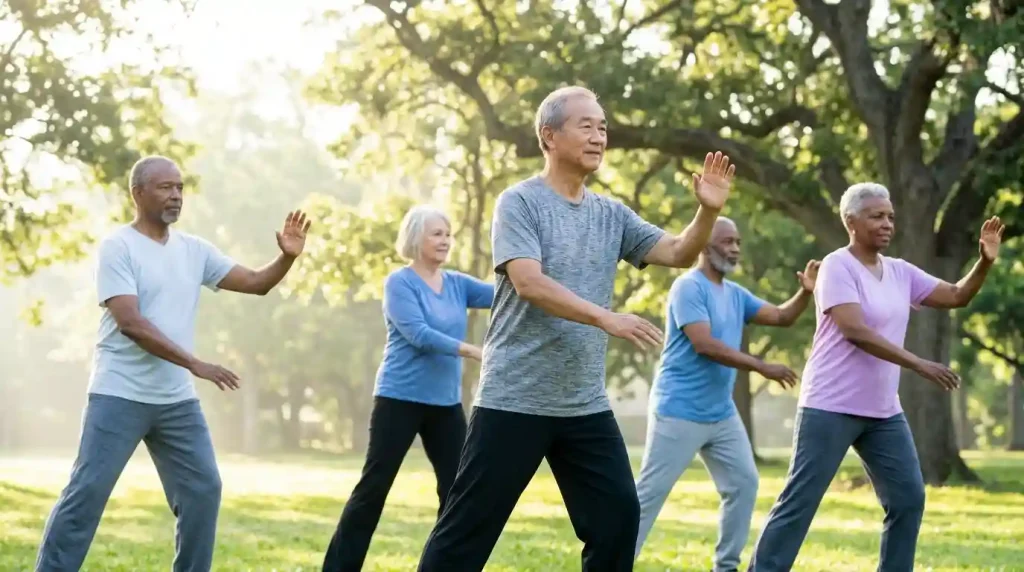
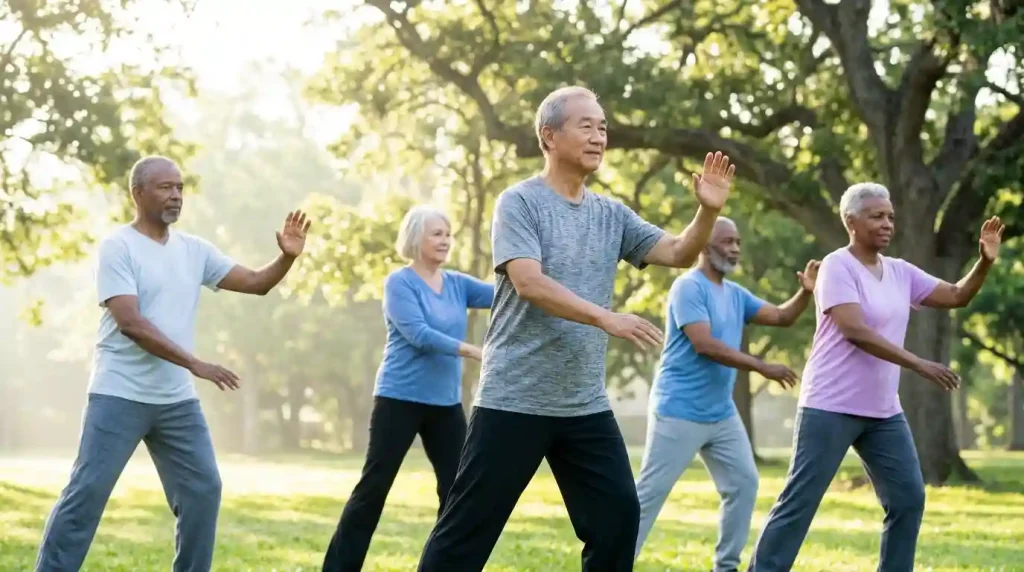
- Tai Chi and Yoga: These practices enhance flexibility, balance, strength, and can reduce stress. They are excellent multicomponent physical activities.
- Light Weightlifting or Resistance Band Training: Important for maintaining muscle mass and bone density, which naturally decline with age.
- Dancing: A fun way to combine aerobic activity, balance, and social interaction, suitable for various mobility levels.
- Gardening: Offers physical benefits through moderate exercise while also reducing stress and boosting mood.
Before starting any new exercise regimen, it is always advisable for seniors to consult with their doctor to ensure the activities are appropriate for their fitness level and any existing medical conditions.
Keeping the Mind Sharp: Cognitive Engagement and Lifelong Learning
Just as the body needs exercise, the brain thrives on stimulation. Engaging in activities that challenge the mind is crucial for maintaining cognitive function, improving memory, and potentially reducing the risk of cognitive decline, including conditions like dementia. Lifelong learning and mental engagement foster a sense of purpose and accomplishment, contributing significantly to overall well-being.
Various activities can help seniors keep their minds sharp:
- Puzzles and Brain Games: Crosswords, Sudoku, word searches, and jigsaw puzzles are excellent for challenging memory, logic, and problem-solving skills.
- Reading and Storytelling: Reading fiction or non-fiction, magazines, or newspapers stimulates imagination and recall. Audiobooks offer similar benefits. Group discussions and storytelling circles can strengthen verbal communication and build social connections.
- Learning New Skills: Taking up a new hobby, learning a language, or playing a musical instrument creates new neural pathways and enhances concentration and memory.
- Creative Pursuits: Activities like painting, drawing, knitting, writing, or scrapbooking promote focus, coordination, and self-expression, offering a sense of accomplishment.
- Playing Games: Card games (like bridge or solitaire) and board games (like chess or checkers) are beneficial for brain stimulation, strategy, and critical thinking.
- Technology Engagement: Utilizing smartphones for brain training and memory apps can be a great option for digitally savvy seniors.
Fostering Bonds: The Indispensable Role of Social Interaction
Social connection is a powerful determinant of health and well-being for seniors. Loneliness and social isolation are significant risk factors for depression, anxiety, and can negatively impact physical health, increasing the risk of chronic illnesses and even early mortality. Conversely, strong social ties and regular engagement lead to increased longevity, improved emotional health, enhanced cognitive function, better sleep patterns, and a stronger immune system.
Maintaining an active social life can be achieved through various avenues:
- Family and Friends: Regularly connecting with loved ones, whether in person, by phone, or video call, provides vital emotional support and a sense of belonging.
- Joining Clubs and Groups: Pursuing hobbies in a group setting, such as book clubs, gardening clubs, walking groups, or crafting circles, fosters new friendships and shared interests.
- Community Centers and Senior Programs: Local senior centers often offer a wide array of activities, from fitness classes and educational workshops to social events and day trips.
- Volunteering: Contributing to the community provides a strong sense of purpose, reduces isolation, and offers opportunities to meet new people with shared values.
- Intergenerational Activities: Engaging with younger generations through mentoring programs, tutoring, or shared activities can be mutually enriching, bridging generational gaps and fostering fresh perspectives.
- Online Communities: For those comfortable with technology, online forums and social media groups can provide connections and support, especially for individuals with limited mobility.
Nourishing the Body: Healthy Eating for Optimal Senior Health
Good nutrition is crucial at any age, but it becomes especially important for older adults as their bodies undergo changes affecting nutrient absorption and utilization. A balanced diet helps maintain strength, supports brain and heart health, and prevents illness. While calorie needs may decrease, the need for certain nutrients, such as Vitamin B12, Calcium, and Vitamin D, often increases.
Key nutritional considerations for seniors include:
| Nutrient/Food Group | Importance for Seniors | Examples of Healthy Choices |
|---|---|---|
| Protein | Maintains muscle mass, supports immune function. | Fish (especially fatty fish like salmon for omega-3s), eggs, beans, lentils, tofu, lean meats, low-fat dairy. |
| Fruits & Vegetables | Provide essential vitamins, minerals, fiber, and antioxidants; reduce disease risk. | Leafy greens, berries, carrots, squash, broccoli (fresh, frozen, or low-sodium canned). |
| Whole Grains | Source of fiber, helps with digestion, lowers risk of heart disease and type 2 diabetes. | 100% whole wheat bread, brown rice, whole-grain cereals, oats. |
| Calcium & Vitamin D | Critical for bone density, reducing fracture risk, and calcium absorption. | Low-fat milk, yogurt, cheese, fortified plant milks, fortified cereals, fatty fish, eggs. |
| Vitamin B12 | Important for nerve function and red blood cell production. | Fortified breakfast cereals, nonfat/low-fat dairy, meat, poultry, fish, eggs. |
| Healthy Fats | Support heart and brain health. | Olive oil, nuts, seeds, avocados, fatty fish. |
| Hydration | Crucial for digestion, nutrient absorption, and overall bodily function. Older adults may not feel thirst as strongly. | Plenty of water, unsweetened beverages, low-fat milk, 100% fruit or vegetable juice. |
Seniors should limit foods high in added sugars, unhealthy trans and saturated fats, and excessive sodium. Challenges like decreased appetite, dental problems, or difficulty preparing meals can impact nutrition, making it important to choose softer foods if needed, and to seek assistance from a doctor or dietitian. Dining with others can also increase food intake and sociability. For more detailed guidance, resources like the Harvard T.H. Chan School of Public Health’s Healthy Eating Plate offer excellent principles for balanced meals.
Securing the Future: Practical Financial Planning for Seniors
Financial security is a significant component of active aging, providing peace of mind and enabling seniors to pursue their desired lifestyle. Thoughtful financial planning helps navigate retirement savings, healthcare costs, and unexpected expenses. It ensures independence and the ability to make informed decisions about one’s money.
Key financial planning tips for seniors include:
- Understand Income Streams: Identify and understand all sources of retirement income, such as Social Security benefits, pension plans, and investments. Understanding full retirement age and claiming strategies for Social Security is crucial.
- Create and Monitor a Budget: Develop a detailed budget that reflects retirement income, expenses (mortgage/rent, healthcare, utilities, groceries, transportation, leisure), and savings goals. Regularly track spending and adjust as needed to maintain financial stability.
- Build an Emergency Fund: Aim to have three to six months’ worth of living expenses saved in an easily accessible account to cover unexpected costs like medical bills or home repairs. Some advisors even recommend up to a year’s worth for retirees on a fixed income.
- Reevaluate Investment Portfolio: As retirement approaches or begins, investment strategies should shift towards more conservative, income-producing assets. Review asset allocation, risk tolerance, and withdrawal strategies to ensure savings last throughout retirement.
- Plan for Future Care Needs: Consider potential long-term care expenses and options like long-term care insurance. This foresight is a key piece of retirement planning.
- Update Estate Plan and Will: Regularly review and update wills, trusts, and beneficiary designations to reflect current wishes and life circumstances. Consulting with a financial or legal advisor is recommended.
- Guard Against Scams and Fraud: Seniors are often targets of financial scams. Be vigilant against unsolicited calls, emails, or texts requesting personal information or money. Report suspicious incidents to authorities like the FBI.
Engaging with a financial advisor specializing in retirement planning can provide invaluable insight and help seniors make the most of their benefits and investments.
Giving Back and Staying Connected: The Power of Community Involvement
Community involvement offers seniors a unique opportunity to combine social engagement with a sense of purpose and contribution. Giving back through volunteering is not only beneficial for the community but also profoundly rewarding for older adults, enhancing their physical, mental, and emotional well-being. It provides a structured way to stay connected, reduce feelings of isolation, and maintain an active role in society.
Numerous avenues exist for seniors to get involved in their communities:
- Volunteer at Food Banks and Shelters: Assist with organizing donations, preparing meals, or distributing food to those in need.
- Mentoring and Tutoring: Share invaluable life experience and knowledge by mentoring young people or tutoring students in local schools or community programs.
- Libraries and Museums: Volunteer to assist with organizing books, leading reading groups, helping with administrative tasks, or serving as docents.
- Animal Shelters and Rescue Groups: Help with tasks such as walking dogs, cleaning facilities, assisting with adoption events, or providing foster care. Spending time with animals can boost emotional well-being.
- Environmental Conservation: Participate in projects like planting trees, cleaning up parks, or assisting with educational programs that promote sustainability.
- Senior or Community Centers: Help with organizing events, activities, or providing administrative support.
- Faith-Based Organizations: Many churches, synagogues, and mosques rely on volunteers for various outreach programs and community events.
- Advocacy Groups: Connect with nonprofits dedicated to causes such as children’s health, poverty, or specific political issues, using one’s voice and experience to make a difference.
Resources like VolunteerMatch.org, Volunteer.gov, or AmeriCorps Seniors (formerly Senior Corps) can help older adults find suitable volunteer opportunities locally and nationally. Local senior centers are also excellent resources for discovering community needs and available volunteer roles. The act of giving back reinforces a sense of self-worth and purpose, making this stage of life truly vibrant.
The World Health Organization (WHO) framework on active aging highlights participation as one of its three core pillars, emphasizing that older people can remain active contributors to their families, communities, and nations, even if they are ill or disabled. This perspective fosters a rights-based approach to aging, ensuring equality of opportunity and treatment as individuals grow older. More information on global active aging policies can be found on the World Health Organization website.
Conclusion: A Vibrant Path Forward
Active aging is not merely a concept but a lifestyle choice that empowers seniors to live their later years with health, happiness, and purpose. By embracing a holistic approach that integrates regular physical activity, continuous mental stimulation, robust social connections, mindful nutrition, and prudent financial planning, older adults can significantly enhance their quality of life. The ideas presented, from engaging in moderate-intensity exercises like walking and swimming to challenging the mind with puzzles and new languages, or fostering strong social bonds through volunteering and community involvement, all contribute to a vibrant and fulfilling retirement. Each step taken towards active aging—whether it’s a brisk walk, a lively conversation, or learning a new skill—is an investment in a richer, more independent, and deeply connected future. Embracing active aging means viewing this stage of life not as a winding down, but as an opportunity for continued growth, contribution, and joy.