7 Natural Aging Remedies for Better Health & Longevity
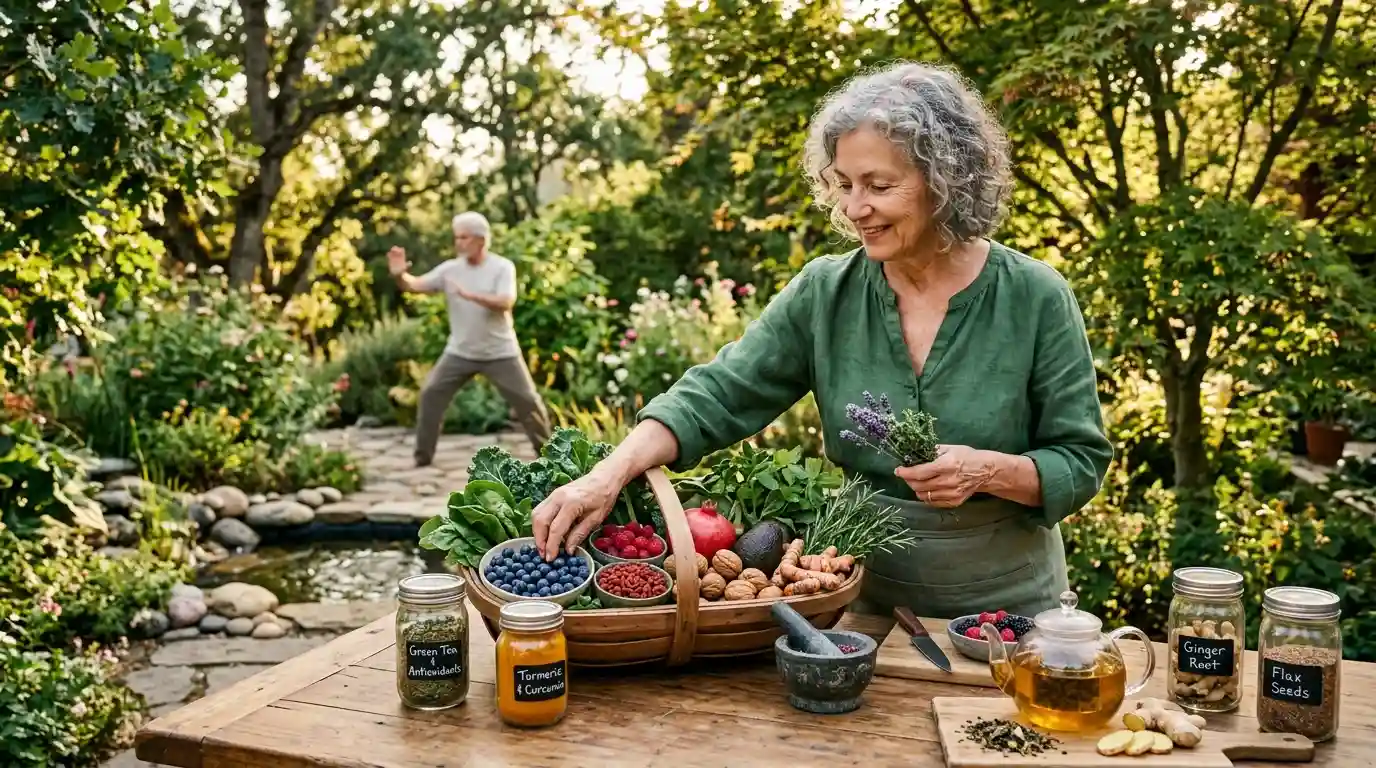
Table of Contents
Nature Aging Remedies offer a profound and sustainable pathway to enhancing health and extending longevity, moving beyond the superficial desire to merely look younger. As the human lifespan increases, the focus has shifted from simply prolonging existence to enriching the “healthspan” – the period of life spent in good health and vitality. This comprehensive exploration delves into how ancient wisdom, supported by modern scientific understanding, can harness the power of nature to mitigate the effects of aging and foster a life of enduring well-being. From the foods we eat to the environments we inhabit and the thoughts we cultivate, natural approaches provide a holistic blueprint for a more vibrant and longer life.
The Timeless Quest for Youth: Nature’s Path to Longevity
The pursuit of longevity is deeply embedded in human history, with countless cultures and civilizations seeking the secrets to a longer, healthier existence. While medical advancements have significantly contributed to increasing average lifespans, there is a growing recognition that true longevity encompasses not just years lived, but the quality of those years. This holistic perspective aligns perfectly with nature aging remedies, which emphasize a harmonious interplay between lifestyle, environment, and internal well-being. Modern research increasingly affirms that various natural interventions can influence the molecular mechanisms of aging, offering pathways to prevent chronic diseases and maintain vitality. For instance, interventions targeting metabolic pathways are of significant scientific interest due to their broad impact on human health and medicine. The natural world provides a rich pharmacopeia and a powerful framework for supporting the body’s innate capacity for repair, regeneration, and resilience against the ravages of time.
Embracing Dietary Wisdom: Fueling Longevity from Within
Dietary choices stand as a cornerstone of any strategy for healthy aging and longevity. Research consistently highlights the effectiveness of specific eating patterns in reducing chronic disease risk and extending lifespan. A longevity diet is characterized by nutrient-dense, anti-inflammatory foods that support cellular repair, metabolic balance, and disease prevention.
The Power of Plant-Based Diets
Diets rich in plant-based foods, such as fruits, vegetables, whole grains, nuts, and legumes, are repeatedly linked to lower rates of chronic diseases and increased lifespan. Key principles include minimizing processed foods, added sugars, and excessive salt. The Mediterranean diet, for example, is renowned for its high intake of fruits, vegetables, whole grains, nuts, and olive oil, correlating with reduced risks of cardiovascular diseases and all-cause mortality. Similarly, the DASH (Dietary Approaches to Stop Hypertension) diet, which prioritizes fruits, vegetables, lean proteins, and low-fat dairy, has been shown to lower mortality rates, particularly from cardiovascular causes. People who adhere more closely to such healthy eating patterns are less likely to die from cancer, cardiovascular illness, and respiratory and neurodegenerative diseases.
Essential Nutrients and Compounds
Beyond broad dietary patterns, specific natural compounds found in foods play a crucial role in anti-aging. Antioxidants, abundant in fruits and vegetables, combat free radicals that cause oxidative stress, a major contributor to cellular damage and aging. Polyphenol-rich foods like coffee, tea, extra virgin olive oil, blueberries, and avocados offer well-supported health benefits. Omega-3 fatty acids, found in fatty fish like salmon, mackerel, and sardines, are vital for normal brain function and aging, and can reduce inflammation and protect against cognitive decline and dementia. Consuming at least one fruit and one vegetable daily has been associated with a 10% lower risk of death, while two servings of fish per week were linked to an 11% lower risk of mortality. These provide essential nutrients that support cellular health and protect against age-related decline. For more insights on optimal nutrition, consider exploring resources on nutrition for longevity.
Herbal Allies: Ancient Remedies, Modern Validation
Herbal medicine, with its roots in ancient traditions like Ayurveda and Traditional Chinese Medicine (TCM), offers a diverse array of natural compounds that support healthy aging and address age-related concerns. Many herbs contain bioactive compounds, such as polyphenols and antioxidants, that support immune health and a healthy inflammatory response.
Key Anti-Aging Herbs
- Turmeric (Curcumin): Often called “the Golden Spice,” turmeric’s active component, curcumin, is a powerful antioxidant and anti-inflammatory agent. It supports joint health, mobility, healthy aging, and exercise recovery. Curcumin has also shown promise in prolonging the mean lifespan of some aging model organisms and is being studied for its anti-aging properties.
- Ginseng: Revered in TCM as Ren Shen, Ginseng is known for its adaptogenic properties, helping the body adapt to stress, a significant factor in aging. It is used to tonify Qi (life force), strengthen the body, boost energy levels, and enhance cognitive function. Ginsenosides, the major bioactive metabolites, regulate multiple organ systems through antioxidant and anti-inflammatory properties.
- Ashwagandha: Another potent adaptogen from Ayurvedic tradition, Ashwagandha supports overall vitality by promoting relaxation and healthy sleep cycles. It has shown promise in reducing cortisol levels (the stress hormone) and may help increase muscle mass and strength, which is vital for maintaining physical vitality in older adults.
- Ginkgo Biloba: Best known for its potential to enhance memory and cognitive function, Ginkgo Biloba improves blood flow to the brain and acts as an antioxidant. Some studies suggest it may help improve symptoms of dementia and other cognitive impairments.
- Reishi Mushroom (Ganoderma Lucidum): This “Herb of Longevity” supports various aspects of longevity by preventing free radical damage, supporting immunity, promoting brain health, and supporting overall cell health.
- Astragalus: Used in TCM to invigorate Qi, Astragalus membranaceus has immunoregulatory, antioxidant, and anti-inflammatory properties, contributing to lifespan extension and slowing down vascular and brain aging.
Many of these herbs contain compounds like resveratrol, quercetin, and sulforaphane, which have shown promising anti-aging effects in preclinical studies, increasing longevity and stress resistance in model organisms.
The Mind-Body Connection: Cultivating Inner Harmony for Healthy Aging
The intricate link between mental and physical well-being is increasingly recognized as crucial for healthy aging. Mind-body practices offer powerful interventions for managing stress, improving emotional resilience, and fostering mental clarity, all of which contribute to longevity. Thoughts and emotions can affect physical health, just as physical activity and self-care can influence mood and mental clarity.
Practices for Cognitive and Emotional Well-being
- Meditation: Regular meditation practices, including mindfulness and breathing-based techniques, are scientifically shown to reduce stress, anxiety, and lower cortisol levels. It can improve sleep quality, enhance cognitive function (attention, memory, executive function), and even lead to positive changes in brain structure, maintaining gray matter density in areas associated with attention and emotional regulation. Meditation supports healthy lifestyle choices and can boost happiness.
- Yoga: A holistic practice that unites mind, body, and spirit, yoga enhances flexibility, balance, and mental clarity through gentle stretches, mindful breathing, and meditation. These elements are vital for a resilient and vibrant existence as we age.
- Tai Chi & Qigong: Often described as “meditation in motion,” these practices combine fluid, meditative movements with deep breathing, significantly improving balance, coordination, strength, and reducing stress in older adults. They help practitioners develop greater body awareness and emotional regulation.
Engaging in these practices can also strengthen the immune response and reduce chronic inflammation, which are common denominators in aging-related diseases. The key to harnessing the mind-body connection lies in consistency and personalization, weaving these practices into daily routines for profound benefits. Explore more methods for mental well-being on stress reduction techniques.
Active Living: Movement as a Fountain of Youth
Physical activity is a fundamental natural remedy for slowing the aging process and maintaining overall health. A lifetime of regular exercise has direct effects on the aging process, illustrating its power in maintaining physical and mental capabilities.
| Natural Anti-Aging Strategy | Key Components/Practices | Primary Benefits for Longevity |
|---|---|---|
| Dietary Wisdom | Plant-based foods, whole grains, fruits, vegetables, healthy fats (olive oil, nuts), lean protein. Limit processed foods, sugar, red meat. | Reduces chronic disease risk (cardiovascular, cancer, diabetes), supports cellular repair, provides antioxidants and anti-inflammatory compounds. |
| Herbal Allies | Turmeric, Ginseng, Ashwagandha, Ginkgo Biloba, Reishi Mushroom, Astragalus. | Antioxidant & anti-inflammatory effects, stress adaptation, cognitive enhancement, immune support, energy boost, cellular protection. |
| Mind-Body Connection | Meditation, Yoga, Tai Chi, Qigong, deep breathing exercises, mindfulness. | Reduces stress & anxiety (lower cortisol), improves sleep, enhances cognitive function, boosts emotional resilience, strengthens immune system. |
| Active Living | Regular walking, swimming, cycling, strength training, flexibility exercises. | Maintains muscle mass & bone density, improves cardiovascular health, enhances cognitive function, boosts mood, reduces disease risk. |
| Quality Sleep | 7-9 hours of consistent, restorative sleep. Establish routines, optimize sleep environment. | Cellular repair and regeneration, hormone production, toxin clearance (glymphatic system), memory consolidation, immune function, emotional balance. |
| Environmental Harmony | Access to clean air & water, green spaces, reduced exposure to pollutants, social connection. | Reduces chronic illness, lowers stress, improves mobility, supports mental health, strengthens social bonds. |
Benefits of Regular Physical Activity

Regular physical activity, such as walking, swimming, or yoga, helps mitigate the effects of aging and reduces the risk of age-related diseases like heart disease and diabetes. Exercise plays a crucial role in maintaining muscle mass and strength, which are essential for mobility and independence in later years. It also supports cardiovascular health, improves circulation, and helps maintain a healthy weight. Beyond the physical, exercise has profound cognitive benefits, enhancing blood flow to the brain and potentially reducing the risk of cognitive decline.
Integrating Movement into Daily Life
Incorporating movement into daily life doesn’t necessarily require strenuous workouts. Low-impact activities like brisk walking, gardening, or hiking in natural environments support muscle strength, balance, and cardiovascular health. Even small, consistent efforts can yield significant results. For older adults, activities like Tai Chi or chair yoga can improve flexibility, balance, and reduce the risk of falls, a major concern in aging populations. The mental and emotional benefits are equally significant; physical activity can reduce stress, improve mood, and foster social connections, particularly when performed in group settings or natural environments.
Sleep and Rejuvenation: The Unsung Hero of Longevity
While diet and exercise often take center stage in health discussions, quality sleep is arguably one of the most powerful and often overlooked natural aging remedies for healthy aging and longevity. It is as crucial for overall health as going to the gym or eating well. Scientific research consistently supports the vital role of sleep in maintaining health and slowing down cellular aging.
The Science of Sleep and Aging
During deep sleep, the body enters its prime repair mode, supporting cell regeneration, hormone production, and toxin clearance. The glymphatic system in the brain, which removes waste products like beta-amyloid (linked to Alzheimer’s disease), becomes highly active during deep sleep. Growth hormone, essential for cellular repair and anti-aging processes, is secreted during this phase. Consistent, restorative sleep is linked to improved cognitive function, enhanced memory, and better mental health in older adults, serving as a protective measure against age-related cognitive decline, dementia, and depression. Poor sleep, conversely, is associated with an increased risk of dementia, heart disease, type 2 diabetes, high blood pressure, and can accelerate brain aging by three to five years.
Natural Strategies for Better Sleep
Achieving optimal sleep often involves adopting natural habits and creating a conducive environment. Prioritizing 7-9 hours of sleep per night is recommended for older adults. This includes maintaining regular bedtime routines, creating a restful environment (dark, quiet room), and managing screen time before bed. Natural sleep aids like magnesium supplements, chamomile tea, or lavender aromatherapy can also be beneficial, though consulting a healthcare provider before starting new supplements is always advisable. Syncing sleep and wake cycles with the body’s natural circadian rhythm, especially sleeping between 10:00 p.m. and 2:00 a.m., enhances the body’s natural recovery processes.
Environmental Harmony: Nurturing Your Surroundings for a Longer Life
The external environment significantly impacts our internal health and the pace of aging. Recent studies indicate that environmental and lifestyle factors play a greater role than genetics in determining the rate at which a person ages and the appearance of age-related health deterioration symptoms. Embracing environmental harmony involves conscious choices about where and how we live to mitigate harmful exposures and maximize beneficial interactions with nature.
Impact of Environmental Factors
Environmental factors such as air pollution, continuous sun exposure without protection, and psychological stressors can accelerate aging. Chronic exposure to pollutants and toxins raises levels of free radicals, causing DNA damage, impairing cellular regeneration, and accelerating the aging process. Air pollution, particularly particulate matter, can exacerbate organ-specific physiological aging, increasing the risk of respiratory and cardiovascular diseases, and even accelerating cognitive decline. Older adults are particularly susceptible due to weakened immune systems and accumulated lifetime exposure to pollutants.
Harnessing Nature’s Benefits
Conversely, a healthy natural environment can be a powerful anti-aging remedy. Access to clean water and air extends lifespans, as conservation efforts reduce exposure to harmful toxins. Regular time spent in green spaces has been shown to lower cortisol levels (stress hormone), improve mobility, and reduce feelings of loneliness in older adults. Urban conservation projects that incorporate parks, trails, and trees help people age actively and peacefully. Engaging in nature-based activities like gardening, birdwatching, or community clean-ups keeps the mind sharp and promotes neuroplasticity, while also being linked to lower rates of depression and cognitive decline. This connection to nature is not just about avoiding harm, but actively fostering a supportive and rejuvenating external environment. The profound link between environmental health and personal well-being underscores the importance of conservation, creating environments where people can thrive and potentially extend their healthspan. A comprehensive understanding of this link, integrating both physical and social dimensions, is highlighted by organizations like the National Institutes of Health.
Conclusion: A Holistic Blueprint for Ageless Living
The journey towards better health and longevity is not about halting the natural process of aging, but about embracing and optimizing it through nature’s profound wisdom. From the nutrient-rich foods that fuel our cells and the potent herbs that fortify our systems, to the calming mind-body practices that harmonize our inner world, and the restorative power of quality sleep, nature provides an accessible and effective arsenal of remedies. Furthermore, nurturing a healthy relationship with our environment, characterized by clean air, natural spaces, and strong community ties, plays an equally critical role in mitigating age-related decline and fostering overall well-being. By integrating these diverse nature aging remedies into our daily lives, we can transcend the conventional understanding of aging, paving the way for a more vibrant, resilient, and extended healthspan. This holistic approach empowers individuals to not only live longer but to truly thrive, experiencing each year with enhanced vitality and a profound connection to the natural world.