7 Secrets to Age Like Fine Wine – Healthy & Happy Aging
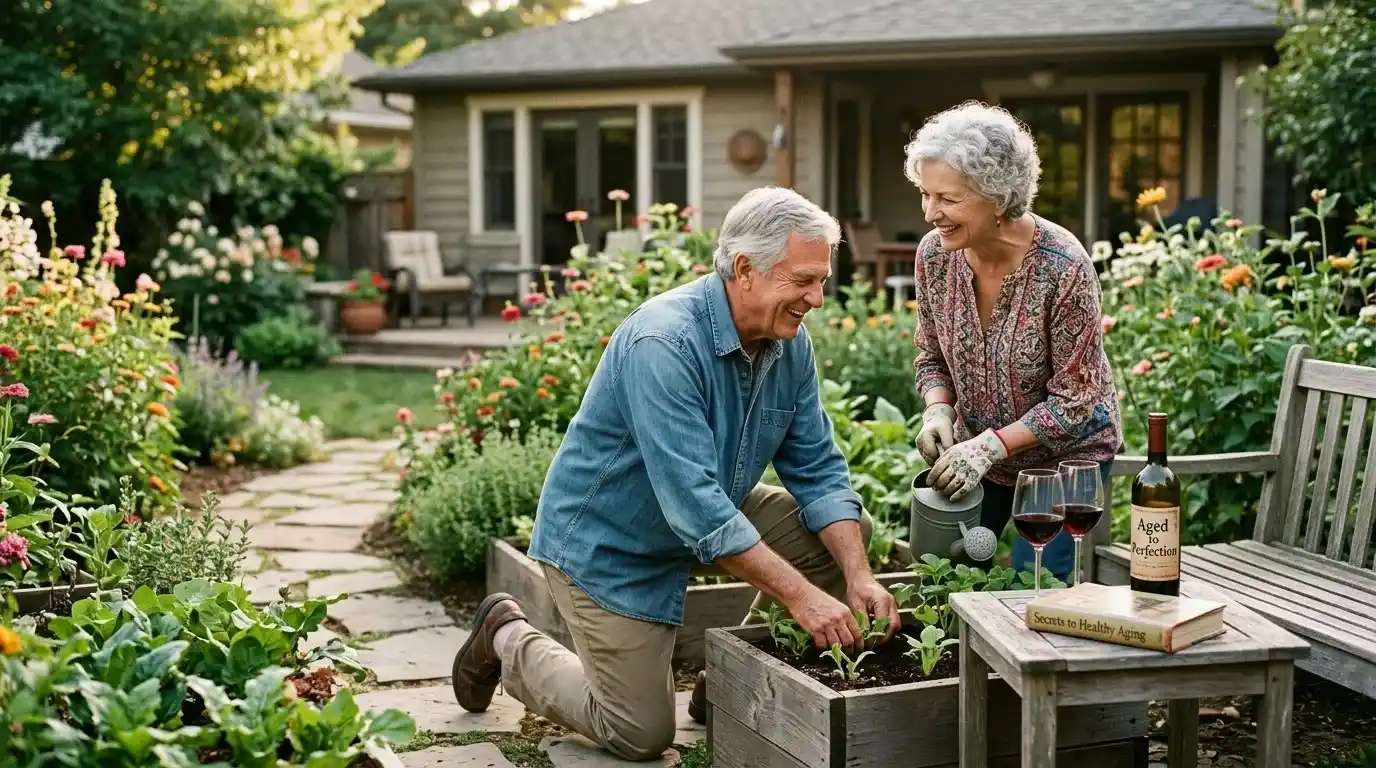
Table of Contents
Age like fine wine – a phrase often used to describe those who seem to defy the conventional notions of growing older, instead blossoming with wisdom, vitality, and grace. But is this merely a poetic ideal, or are there tangible secrets to achieving healthy and happy aging? The answer lies in a holistic approach that intertwines physical well-being, mental agility, emotional resilience, and purposeful living. As populations worldwide experience increased life expectancy, the focus has rightly shifted from merely extending lifespan to enhancing “healthspan”—the years spent in good health and with a high quality of life. Healthy aging is a journey that begins early in life, but it’s never too late to adopt positive habits and make lifestyle choices that contribute to overall well-being.
The Foundation of Longevity: Physical Health
Physical health forms the bedrock of a vibrant later life. Just as a fine wine requires careful cultivation of its environment, our bodies need consistent attention to thrive through the decades. Prioritizing nutrition, regular exercise, and adequate sleep are paramount for sustained energy and disease prevention.
Nutrition: Fueling Your Body for the Long Run
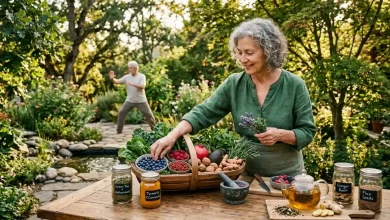
The adage “you are what you eat” holds profound truth, especially as we age. A balanced diet, rich in unprocessed or minimally processed foods, is crucial for healthy aging. Experts emphasize eating patterns centered on plant-based foods, including abundant vegetables, fruits, whole grains, nuts, and legumes. These foods provide essential nutrients, antioxidants, and fiber, which are vital for reducing the risk of chronic diseases like heart disease, diabetes, and certain cancers. Incorporating healthy fats, such as those found in olive oil and avocados, has also been linked to lower mortality. Conversely, limiting processed foods, added sugars, saturated fats, and red meats can significantly impact health outcomes.
- Embrace a Plant-Rich Diet: Focus on colorful fruits and vegetables, whole grains like oats and quinoa, and a variety of beans and lentils.
- Prioritize Lean Proteins: Ensure adequate protein intake, as older adults may require higher amounts to maintain muscle mass and functionality. Sources include poultry, fish, eggs, and plant-based options.
- Stay Hydrated: Drinking enough water throughout the day is often overlooked but crucial for overall bodily functions.
- Consider Key Micronutrients: Discuss with your doctor if supplements for Vitamin D, calcium, and B12 are necessary, as deficiencies can become more common with age.
Exercise: Movement is Medicine
Regular physical activity is undeniably a cornerstone of healthy aging, offering a myriad of benefits that extend far beyond maintaining a healthy weight. Studies consistently show that exercise prevents disease, lowers the risk of falls, improves mental health, strengthens social ties, and enhances cognitive function. Even moderate activity, such as brisk walking for 30 minutes most days of the week, can yield significant health improvements. Exercise helps keep brain cells healthy by delivering more blood and oxygen, potentially delaying or improving symptoms of Alzheimer’s disease.
- Aerobic Exercise: Activities like walking, swimming, cycling, or dancing boost cardiovascular function, strengthen lungs, and improve stamina. Aim for at least 150 minutes of moderate-intensity aerobic activity per week.
- Strength Training: Incorporating resistance exercises, even low-impact bodyweight training, helps prevent bone loss, builds muscle mass, and reduces the risk of falls and fractures.
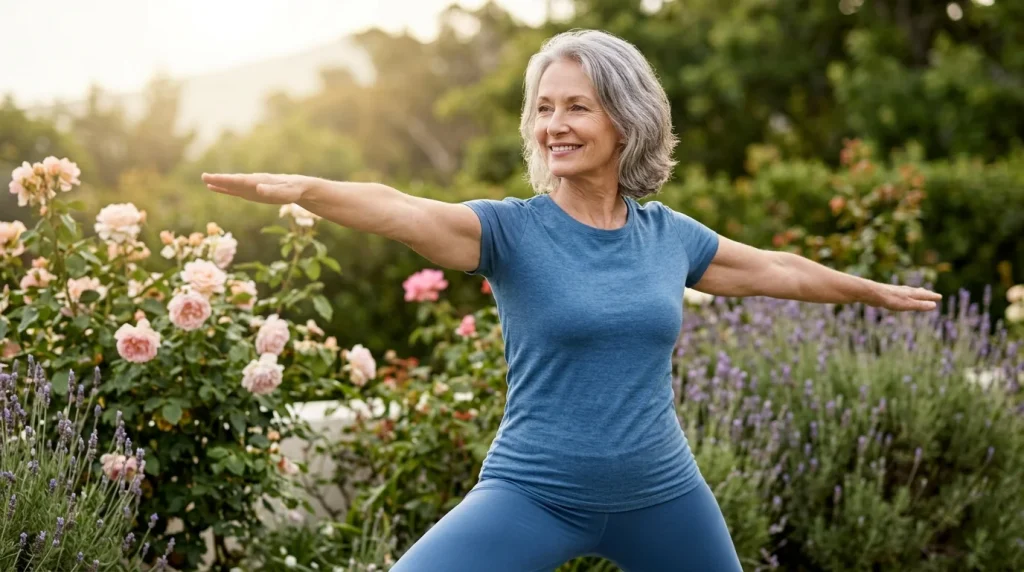
- Flexibility and Balance: Yoga, Tai Chi, and stretching improve flexibility, coordination, and balance, which are crucial for preventing falls and maintaining independence.
Sleep: The Ultimate Rejuvenator
Quality sleep is as vital as diet and exercise for healthy aging, yet it’s often undervalued. While sleep patterns may change with age, the need for 7 to 9 hours of sleep per night remains largely the same for most adults. Adequate sleep aids in physical and mental restoration, reduces stress, and improves cognitive function. Disruptions in sleep, such as insomnia or sleep apnea, can contribute to memory impairment and cognitive problems.
- Establish a Routine: Go to bed and wake up at consistent times, even on weekends.
- Create a Relaxing Environment: Ensure your bedroom is dark, quiet, and cool.
- Limit Screens: Avoid electronic devices before bedtime, as the blue light can interfere with sleep.
- Mind Your Diet: Limit caffeine and alcohol, especially in the evening, as they can disrupt sleep architecture.
Nurturing the Mind: Cognitive and Emotional Well-being
A healthy mind is central to happy aging. Beyond physical vigor, cultivating cognitive sharpness and emotional stability is essential for navigating life’s complexities and continuing to find joy and purpose.
Mental Stimulation: Keeping Your Brain Agile
The brain remains capable of learning and adapting throughout life; neuroplasticity persists across the lifespan. Engaging in mentally stimulating activities helps maintain cognitive health and may lower the risk of dementia. Learning new skills, taking classes, reading, and solving puzzles are all excellent ways to keep the brain active and build cognitive reserve.
- Embrace Lifelong Learning: Learn a new language, instrument, or hobby. Take online courses or join a book club.
- Challenge Your Mind: Engage in puzzles, crosswords, Sudoku, and strategy games.
- Read and Write Regularly: These activities keep your brain engaged and improve vocabulary and reasoning skills.
Stress Management: Finding Inner Peace
Chronic stress can significantly impact both mental and physical health, negatively affecting immunity and increasing susceptibility to illness. Effectively managing stress is crucial for maintaining a positive outlook and overall well-being in later life. Techniques that promote relaxation and inner peace can make a substantial difference.
- Practice Mindfulness and Meditation: These techniques can reduce stress and anxiety, fostering a sense of calm and well-being.
- Engage in Hobbies: Pursue activities that bring you joy and a sense of flow, such as gardening, art, music, or crafts.
- Connect with Nature: Spending time outdoors has been shown to reduce stress and improve mood.
Social Connections: The Antidote to Loneliness
Humans are inherently social beings, and strong social connections are recognized as one of the most important components of healthy aging and longevity. Maintaining meaningful relationships with friends, family, and community members reduces the risk of early death, lowers the likelihood of developing dementia, and protects against depression and anxiety. Social engagement also encourages healthier behaviors and can even slow biological aging.
- Cultivate Relationships: Make an effort to connect regularly with loved ones, whether in person, by phone, or virtually.
- Join Groups and Clubs: Participate in community events, volunteer, or join social clubs, sports leagues, or religious groups.
- Volunteer: Giving back to the community provides a sense of purpose and opportunity for social interaction.
Lifestyle Choices for a Vibrant Future
Beyond the fundamental aspects of physical and mental health, certain lifestyle choices significantly contribute to a fulfilling and happy aging experience. These choices often involve finding meaning, embracing change, and proactive health management.
Purpose and Passion: Finding Meaning in Later Life
Having a sense of purpose in life is a psychological construct strongly linked to positive well-being, better health outcomes, and even increased longevity. It provides intrinsic motivation to adopt healthy behaviors and acts as a cornerstone for successful aging. A recent AARP survey highlighted that adults 50 and older place high importance on living a purposeful life, valuing a sense of accomplishment, helping others, and personal growth.
- Define Your Purpose: Reflect on what truly matters to you and what gives your life meaning. This can evolve throughout life.
- Pursue Passions: Dedicate time to hobbies and activities that ignite your enthusiasm and creativity.
- Contribute to Others: Engaging in activities that help others, such as volunteering or mentoring, fosters a profound sense of purpose and satisfaction.
Adaptability and Resilience: Embracing Change
Aging inevitably brings changes and challenges, from physical shifts to the loss of loved ones or career transitions. The ability to adapt to new circumstances and bounce back from setbacks – known as resilience – is a key aspect of positive aging. A positive mindset and focusing on strengths rather than limitations can significantly enhance one’s capacity for adaptation.
- Cultivate a Growth Mindset: View challenges as opportunities for growth and learning, rather than insurmountable obstacles.
- Practice Self-Compassion: Be kind to yourself during difficult times and acknowledge your emotions.
- Seek Support: Lean on your social connections and support systems when facing adversity.
Preventive Care: Regular Check-ups and Screenings
A proactive approach to health, encompassing regular medical check-ups, screenings, and vaccinations, is indispensable for healthy aging. These measures allow for early detection and management of potential health problems, preventing them from escalating into serious conditions. Preventive care is vital for maintaining independence, improving quality of life, and mitigating the risks of chronic diseases.
- Annual Wellness Exams: These comprehensive evaluations assess various aspects of health, including diet, activity levels, and medication review.
- Screenings: Regular screenings for conditions like high blood pressure, diabetes, high cholesterol, and various cancers (breast, colorectal, prostate) are crucial for early diagnosis and treatment.
- Vaccinations: Staying up-to-date with immunizations such as the flu, COVID-19, pneumococcal, and shingles vaccines provides essential protection against severe illnesses.
- Manage Chronic Conditions: Proactively manage existing conditions like diabetes, heart disease, or arthritis to prevent complications.
| Exercise Type | Benefits for Healthy Aging | Examples |
|---|---|---|
| Aerobic (Cardio) | Improves heart health, lung function, circulation, stamina, mood, and cognitive function. Reduces risk of chronic diseases. | Brisk walking, swimming, cycling, dancing, hiking. |
| Strength Training | Maintains muscle mass and strength, prevents bone loss, improves balance, reduces fall risk, supports independence. | Weightlifting (light weights), resistance bands, bodyweight exercises (squats, lunges), chair exercises. |
| Flexibility | Increases range of motion, reduces stiffness, prevents injury, and improves overall comfort in daily activities. | Stretching, yoga, Pilates. |
| Balance | Crucial for preventing falls, which can be disastrous for maintaining independence in older adults. Enhances coordination. | Tai Chi, standing on one foot, walking heel-to-toe, balance boards. |
Debunking Aging Myths and Embracing Reality
Many misconceptions surround the aging process, often fueled by stereotypes. It’s crucial to distinguish between myth and reality to foster a positive and empowered approach to growing older. For instance, the idea that arthritis is inevitable, or that older adults need less sleep, are common myths. Similarly, the belief that aging leads to isolation and depression, or that older adults cannot learn new things, are often disproven by research. In reality, older adults often report higher levels of happiness and life satisfaction compared to their younger counterparts, and emotional stability can improve with age. The brain remains capable of learning throughout life, and social connections can even grow more intense.
Challenging these myths helps to cultivate a positive attitude towards aging, which in itself can significantly impact longevity and quality of life. Research suggests that a positive perception of aging can add years to one’s life. Embracing aging with grace and focusing on the wisdom and experiences gained allows for a more fulfilling and enjoyable journey. It’s about recognizing that aging is not merely about decline but about continued growth, contribution, and the potential for new adventures. The Wikipedia article on aging provides a broad overview of the biological, psychological, and social aspects of this universal process, offering further insight into the complexities and diverse experiences of growing older.
Conclusion: A Tapestry of Well-being
Aging is an inevitable part of life, but how we experience it is largely within our control. The secrets to aging like fine wine are not elusive, but rather a tapestry woven from conscious choices and consistent effort. It’s a commitment to nurturing both body and mind, fostering meaningful connections, and approaching each new year with curiosity and a sense of purpose. By prioritizing a nutrient-rich diet, engaging in regular physical activity, securing adequate sleep, continuously stimulating our minds, effectively managing stress, and cultivating strong social bonds, we lay a robust foundation for a vibrant future. Furthermore, embracing a positive outlook and actively debunking societal myths about aging empowers us to navigate the later stages of life with confidence and joy. Ultimately, healthy and happy aging is an ongoing journey of self-care, adaptability, and a profound appreciation for the richness that each passing year can bring. It’s about not just adding years to life, but adding life to those years, ensuring that every chapter is lived to its fullest.