7 Common Causes of Aging Skin & Best Anti-Aging Treatments
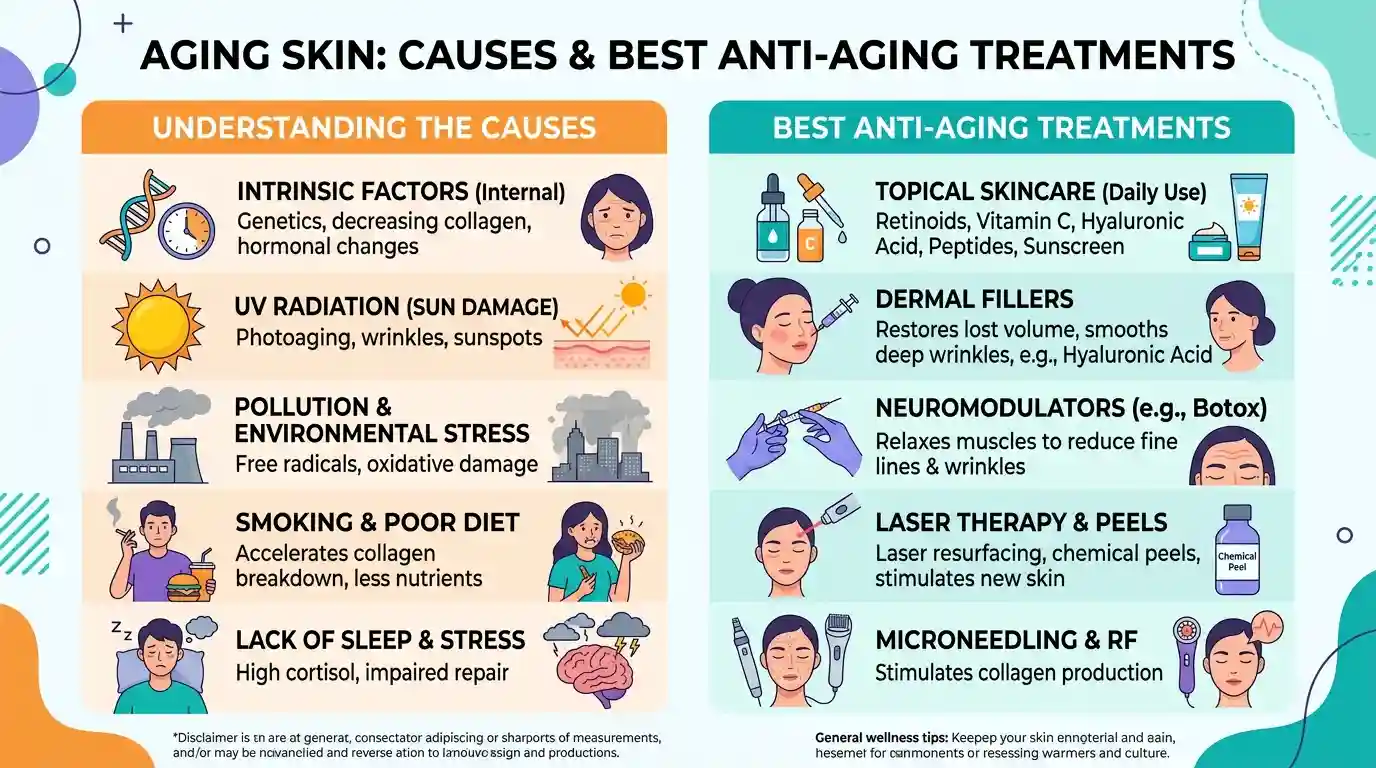
Table of Contents
Aging skin is an inevitable and complex biological process, a natural part of life’s journey that affects everyone. While the desire for eternal youth remains a common human aspiration, understanding the underlying mechanisms of skin aging and the array of effective treatments available can empower individuals to maintain healthy, vibrant skin for longer. This comprehensive article delves into the multifaceted causes behind skin aging, dissecting both the internal, genetic predispositions and the external environmental aggressors that contribute to its visible manifestations. Furthermore, we will explore a spectrum of the best anti-aging treatments, ranging from potent topical solutions to advanced clinical procedures, offering insights into how each can help mitigate the signs of time and promote skin vitality. Through this exploration, we aim to provide a definitive guide for those seeking to understand, prevent, and treat the effects of aging on their skin.
Introduction: Understanding Aging Skin
Aging skin is characterized by a series of progressive changes in the skin’s structure and function, leading to alterations in its appearance and resilience. These changes are not merely superficial but stem from complex biological processes occurring at cellular and molecular levels. As we age, our skin loses its youthful plumpness, firmness, and radiance, giving way to concerns such as fine lines, wrinkles, uneven tone, and a noticeable decrease in elasticity. The skin, being the largest organ of the body, serves as our primary protective barrier against the external world, and its condition significantly reflects overall health and the cumulative impact of environmental exposure over decades. Understanding these fundamental changes is the first step toward effective management.
The Intricate Causes of Skin Aging: Intrinsic Factors
The aging of skin is driven by a combination of intrinsic (internal) and extrinsic (external) factors. Intrinsic aging, also known as chronological aging, is a natural, genetically determined process that occurs regardless of external influences. It is an unavoidable part of human biology and accounts for the gradual, universal changes observed in all individuals as they grow older.
- Genetic Predisposition: Our genes play a significant role in determining how quickly and visibly our skin ages. Genetic factors influence aspects like skin type, repair mechanisms, antioxidant defenses, and the efficiency of collagen and elastin production. Some individuals naturally have more robust skin structures or more effective cellular repair processes, leading to slower visible aging.
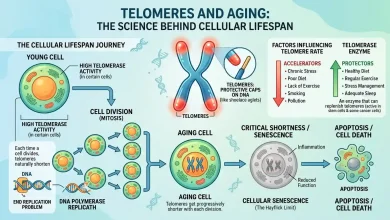
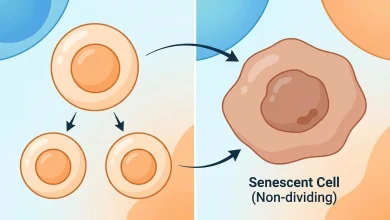
- Cellular Metabolism and Senescence: Over time, cells accumulate damage from metabolic processes. As cells divide repeatedly, they eventually reach a state called cellular senescence, where they stop dividing but remain metabolically active, often releasing inflammatory molecules that can harm surrounding healthy cells and tissues. This accumulation of senescent cells contributes to tissue dysfunction and aging.
- Reduced Collagen and Elastin Production: Collagen and elastin are crucial proteins responsible for the skin’s structure, firmness, and elasticity. From our mid-20s, collagen production begins to decline by about 1% each year. Elastin fibers, which give skin its snap-back quality, also degrade and become less effective, leading to sagging and loss of resilience.
- Hormonal Changes: Hormones significantly impact skin health. For women, the decline in estrogen levels during menopause leads to thinner, drier, and less elastic skin due to reduced collagen production, impaired barrier function, and decreased blood flow. Hormonal shifts can also affect sebum production, leading to increased dryness.
- Slower Cell Turnover: Younger skin typically renews itself every 28 days or so, shedding old cells and replacing them with new ones. As we age, this cellular turnover rate slows down significantly, sometimes extending to 40-60 days. This slowdown results in a buildup of dead skin cells on the surface, making the skin appear dull, rough, and less vibrant.
- Impaired DNA Repair Mechanisms: Our cells are constantly exposed to damaging agents, and they possess intricate mechanisms to repair DNA damage. With age, the efficiency of these repair systems diminishes, allowing damage to accumulate. This accumulated damage can disrupt normal cellular function and contribute to the aging phenotype.
External Aggressors: Extrinsic Causes of Skin Aging
Extrinsic aging refers to skin changes caused by environmental factors and lifestyle choices. These external influences can significantly accelerate the intrinsic aging process, often leading to more pronounced and premature signs of aging. Unlike intrinsic aging, many extrinsic factors are controllable, offering opportunities for prevention and intervention.
- Ultraviolet (UV) Radiation (Photoaging): Sun exposure is unequivocally the most significant extrinsic factor contributing to skin aging, a process known as photoaging. UV rays penetrate the skin, causing damage to DNA, collagen, and elastin fibers. This leads to the formation of wrinkles, fine lines, sunspots (hyperpigmentation), uneven skin tone, and a leathery texture. UVA rays primarily cause aging, while UVB rays are responsible for sunburns, but both contribute to skin damage.
- Pollution: Exposure to environmental pollutants, including particulate matter, nitrogen dioxide, and ozone, generates free radicals in the skin. These free radicals trigger oxidative stress, leading to inflammation, collagen degradation, and impaired skin barrier function. Chronic exposure to pollution can exacerbate hyperpigmentation, accelerate wrinkle formation, and contribute to dullness.
- Smoking: Smoking severely impairs skin health. Nicotine narrows blood vessels, reducing blood flow and oxygen supply to the skin. The numerous chemicals in cigarette smoke generate free radicals, leading to extensive collagen and elastin damage. Smokers often exhibit premature wrinkles, especially around the mouth, a sallow complexion, and a less resilient skin texture.
- Poor Nutrition: A diet rich in processed foods, refined sugars, and unhealthy fats can contribute to skin aging. Foods high in sugar can lead to a process called glycation, where sugar molecules attach to proteins like collagen and elastin, making them rigid and less functional. Conversely, a diet lacking in antioxidants, vitamins, and essential fatty acids can leave the skin vulnerable to oxidative damage and impair its repair capabilities.
- Sleep Deprivation: Adequate sleep is crucial for skin repair and regeneration. During sleep, the body produces growth hormone, which aids in cellular repair and turnover. Chronic sleep deprivation can increase cortisol levels, a stress hormone that breaks down collagen, leading to dullness, under-eye circles, and exacerbated fine lines.
- Stress: Chronic stress elevates cortisol levels, which can trigger inflammatory responses and accelerate the breakdown of collagen and elastin. Prolonged stress can also impair the skin barrier, making it more susceptible to environmental damage and dehydration.
- Dehydration: Insufficient water intake can leave the skin looking dull, tight, and less plump. While not a direct cause of wrinkles, dehydration can make existing fine lines more noticeable and compromise the skin’s ability to function optimally.
- Harsh Skincare Products: Using harsh cleansers, excessive exfoliation, or products with irritating ingredients can strip the skin of its natural oils, damage the skin barrier, and lead to chronic inflammation, which can accelerate the aging process.
Common Signs and Symptoms of Aging Skin
The visible manifestations of aging skin are numerous and vary in severity among individuals, influenced by both intrinsic and extrinsic factors. Recognizing these common signs can help in selecting appropriate anti-aging strategies.
- Fine Lines and Wrinkles: These are perhaps the most recognizable signs of aging. Fine lines are shallow creases often appearing around the eyes (crow’s feet), mouth, and forehead. Wrinkles are deeper folds and creases that become more pronounced over time due to collagen and elastin loss, muscle contractions, and sun damage.
- Sagging Skin and Loss of Firmness: As collagen and elastin degrade, and gravitational forces take their toll, the skin loses its underlying support structure, leading to sagging. This is often noticeable around the jawline (jowls), neck, and eyelids, contributing to a less defined facial contour.
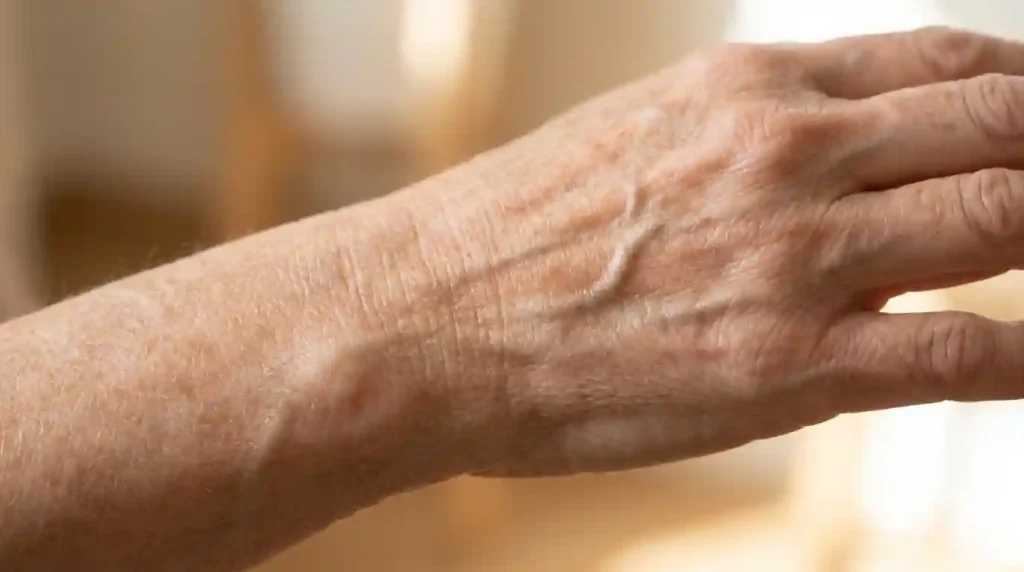
- Hyperpigmentation (Age Spots/Sunspots): These are flat, brown, or black spots that appear on areas frequently exposed to the sun, such as the face, hands, and décolletage. They are caused by an overproduction of melanin in response to years of UV exposure.
- Dullness and Uneven Skin Tone: Slower cell turnover means dead skin cells accumulate on the surface, leading to a lackluster complexion. Uneven skin tone can also manifest as redness, sallowness, or blotchiness due to photodamage and impaired circulation.
- Dryness and Dehydration: Aging skin often experiences a decrease in natural oil production (sebum) and a compromised skin barrier, leading to increased transepidermal water loss. This results in dry, flaky, and sometimes itchy skin, making fine lines more apparent.
- Loss of Volume: A decrease in subcutaneous fat, bone density, and muscle mass in the face can lead to a hollowed-out appearance, particularly in the cheeks and temples, and contribute to deeper folds and shadows.
- Enlarged Pores: While pore size is largely genetic, sun damage and loss of elasticity can make pores appear larger and more noticeable as the skin around them sags.
- Fragile and Thinner Skin: The epidermis and dermis thin with age, making the skin more susceptible to bruising, tearing, and slower wound healing.
Decoding the Science: How Anti-Aging Treatments Work
Effective anti-aging treatments are rooted in scientific principles designed to counteract the various mechanisms of skin aging. Their efficacy lies in their ability to stimulate the skin’s natural repair processes, protect against damage, and restore a more youthful appearance. Understanding these scientific underpinnings helps in appreciating why certain treatments are recommended and how they deliver their benefits.
- Stimulating Collagen and Elastin Production: Many treatments aim to kickstart the body’s natural synthesis of collagen and elastin. Ingredients like retinoids and peptides, as well as procedures like microneedling and laser therapy, create controlled micro-injuries or signals that prompt fibroblasts (the cells responsible for producing these proteins) to generate new, healthy collagen and elastin fibers. This renewal improves skin firmness, elasticity, and reduces the appearance of wrinkles.
- Increasing Cell Turnover: Exfoliating agents such as AHAs (alpha hydroxy acids) and BHAs (beta hydroxy acids), along with retinoids, work by accelerating the rate at which old, dead skin cells are shed and replaced by fresh, new cells. This process reveals a brighter, smoother complexion, helps to even out skin tone, and can improve the appearance of fine lines.
- Protection Against Free Radical Damage: Antioxidants are vital for neutralizing free radicals, unstable molecules generated by UV radiation, pollution, and other environmental stressors that can damage skin cells and collagen. Ingredients like Vitamin C, Vitamin E, ferulic acid, and green tea extract act as scavengers, protecting the skin from oxidative stress and preventing premature aging.
- Hydration and Barrier Support: Maintaining optimal skin hydration and a healthy skin barrier is fundamental to anti-aging. Ingredients like hyaluronic acid draw and hold moisture in the skin, plumping it up and reducing the visibility of fine lines. Ceramides and fatty acids help to repair and strengthen the skin’s lipid barrier, preventing moisture loss and protecting against irritants.
- Repairing DNA Damage: Some advanced treatments and ingredients are being explored for their ability to help repair DNA damage caused by UV exposure. While research is ongoing, these approaches aim to mitigate the cellular damage that contributes to skin aging and increases skin cancer risk.
- Reducing Inflammation: Chronic low-grade inflammation can accelerate skin aging. Many anti-aging ingredients have anti-inflammatory properties that help to soothe the skin, reduce redness, and prevent inflammation-induced collagen degradation.
The Best Anti-Aging Treatments: A Comprehensive Guide
The landscape of anti-aging treatments is vast and continuously evolving, offering a range of options from over-the-counter topicals to sophisticated in-clinic procedures. The best approach often involves a combination of strategies tailored to individual skin concerns, age, and desired outcomes. Recent scientific advancements have provided us with potent tools to combat the signs of aging effectively. For instance, topical retinoids, derivatives of Vitamin A, have been extensively studied and are widely recognized by dermatologists for their ability to reduce fine lines and wrinkles, improve skin texture, and promote collagen production by stimulating cellular turnover.
| Treatment Category | Examples | Primary Benefits | Considerations |
|---|---|---|---|
| Topical Skincare | Retinoids (Retinol, Tretinoin) | Increases cell turnover, stimulates collagen, reduces wrinkles, fades hyperpigmentation. | Can cause irritation, sun sensitivity; requires consistent use. Prescription strength offers faster results. |
| Vitamin C (Ascorbic Acid) | Potent antioxidant, brightens skin, stimulates collagen, protects against UV damage. | Unstable ingredient, look for stable formulations; best used in the morning. | |
| Hyaluronic Acid | Deeply hydrates, plumps skin, reduces appearance of fine lines. | Suitable for all skin types, provides immediate but temporary plumping effect. | |
| Peptides | Signals skin to produce more collagen and elastin, improves firmness. | Gentler than retinoids, good for sensitive skin; results may take longer to appear. | |
| AHAs/BHAs (Glycolic, Lactic, Salicylic Acid) | Exfoliates dead skin cells, improves texture, brightens, unclogs pores. | Can increase sun sensitivity; start with lower concentrations. | |
| In-Office Procedures | Chemical Peels | Removes damaged outer layers, stimulates cell regeneration, improves texture, tone, and fine lines. | Varying downtime depending on peel depth; requires post-care and sun protection. |
| Microdermabrasion | Mechanical exfoliation to remove superficial dead skin, improves texture and radiance. | No downtime, but results are subtle; best for superficial concerns. | |
| Laser Resurfacing (e.g., Fractional, CO2) | Ablative and non-ablative lasers target wrinkles, scars, pigmentation, and stimulate collagen. | Significant downtime for ablative lasers, varying discomfort; requires experienced practitioner. | |
| Intense Pulsed Light (IPL) | Targets pigmentation (sunspots, redness) and stimulates some collagen, improving tone. | Minimal downtime, good for sun damage and vascular concerns; multiple sessions often needed. | |
| Microneedling | Creates controlled micro-injuries to stimulate collagen and elastin production, improves texture, scars. | Minimal downtime, can be combined with serums; multiple sessions recommended. | |
| Neurotoxins (e.g., Botox) | Relaxes muscles to reduce dynamic wrinkles (forehead, frown lines, crow’s feet). | Temporary effect (3-6 months), requires regular injections; only treats dynamic wrinkles. | |
| Dermal Fillers (e.g., Hyaluronic Acid Fillers) | Restores lost volume, fills deep wrinkles and folds (nasolabial folds, marionette lines), enhances lips. | Temporary effect (6-18 months), can cause bruising/swelling; requires skilled injector. | |
| Radiofrequency (RF) Treatments | Uses heat to tighten existing collagen and stimulate new collagen production, improves laxity. | No downtime, gradual results; multiple sessions typically needed for optimal outcome. |
When considering in-office procedures, it is paramount to consult with a board-certified dermatologist or plastic surgeon. These medical professionals can accurately assess your skin, discuss your goals, and recommend the most suitable and safe treatments. The efficacy and safety of many advanced cosmetic procedures are well-documented, providing a reliable path for those seeking more significant improvements in their aging skin concerns. For a deeper understanding of the dermatological perspective on skin aging, you can refer to authoritative sources such as the American Academy of Dermatology Association, which provides comprehensive information on various skin conditions and treatments. American Academy of Dermatology Association
Lifestyle and Preventive Measures for Youthful Skin
While treatments can address existing signs of aging, incorporating preventive measures and adopting a healthy lifestyle are fundamental to maintaining youthful skin and slowing down the aging process. Prevention is often easier and more effective than correction.
- Consistent Sun Protection: This is the single most crucial anti-aging strategy. Use a broad-spectrum sunscreen with an SPF of 30 or higher every single day, regardless of weather, and reapply every two hours when outdoors. Seek shade, wear wide-brimmed hats, and UV-protective clothing.
- Balanced and Antioxidant-Rich Diet: Consume a diet rich in fruits, vegetables, whole grains, and lean proteins. Foods high in antioxidants (e.g., berries, leafy greens, nuts) combat free radical damage. Healthy fats from avocados, nuts, and olive oil support skin barrier function. Limit processed foods, sugary drinks, and excessive alcohol, which can accelerate aging.
- Adequate Hydration: Drink plenty of water throughout the day to keep your skin hydrated from within. Hydrated skin appears plumper, smoother, and healthier.
- Prioritize Sleep: Aim for 7-9 hours of quality sleep per night. During sleep, your skin undergoes repair and regeneration. Poor sleep can lead to increased cortisol levels, which can break down collagen.
- Manage Stress Effectively: Chronic stress contributes to inflammation and hormonal imbalances that can accelerate skin aging. Incorporate stress-reducing activities like meditation, yoga, exercise, or hobbies into your routine.
- Quit Smoking: If you smoke, quitting is one of the most impactful steps you can take for your skin and overall health. Smoking significantly accelerates wrinkle formation and gives the skin a dull, sallow appearance.
- Gentle Skincare Routine: Use gentle, hydrating cleansers and avoid harsh scrubbing. Over-cleansing or using irritating products can compromise the skin barrier and lead to inflammation.
- Regular Exercise: Exercise boosts circulation, which helps deliver oxygen and nutrients to skin cells and carries away waste products, contributing to a healthier complexion.
Conclusion: Embracing and Managing the Aging Process
The journey of aging skin is a complex interplay of genetic predispositions and environmental exposures, manifesting in a myriad of visible changes over time. From the intrinsic, unavoidable cellular slowdowns to the extrinsic damage inflicted by sun and pollution, understanding these causes is the cornerstone of effective management. Fortunately, modern dermatology offers an expansive and continually evolving arsenal of anti-aging treatments. Whether through the consistent application of powerful topical ingredients like retinoids and antioxidants or the strategic implementation of advanced in-clinic procedures such as lasers, microneedling, and injectables, individuals have more options than ever to address their specific concerns. Ultimately, the most successful approach to aging skin integrates proactive prevention, particularly diligent sun protection and a healthy lifestyle, with carefully selected, evidence-based treatments. Embracing the aging process while thoughtfully investing in skin health allows for a graceful and confident journey through life, preserving not just a youthful appearance, but also the vitality and resilience of our skin.