7 Aging in Place Tips – Safe & Independent Living at Home
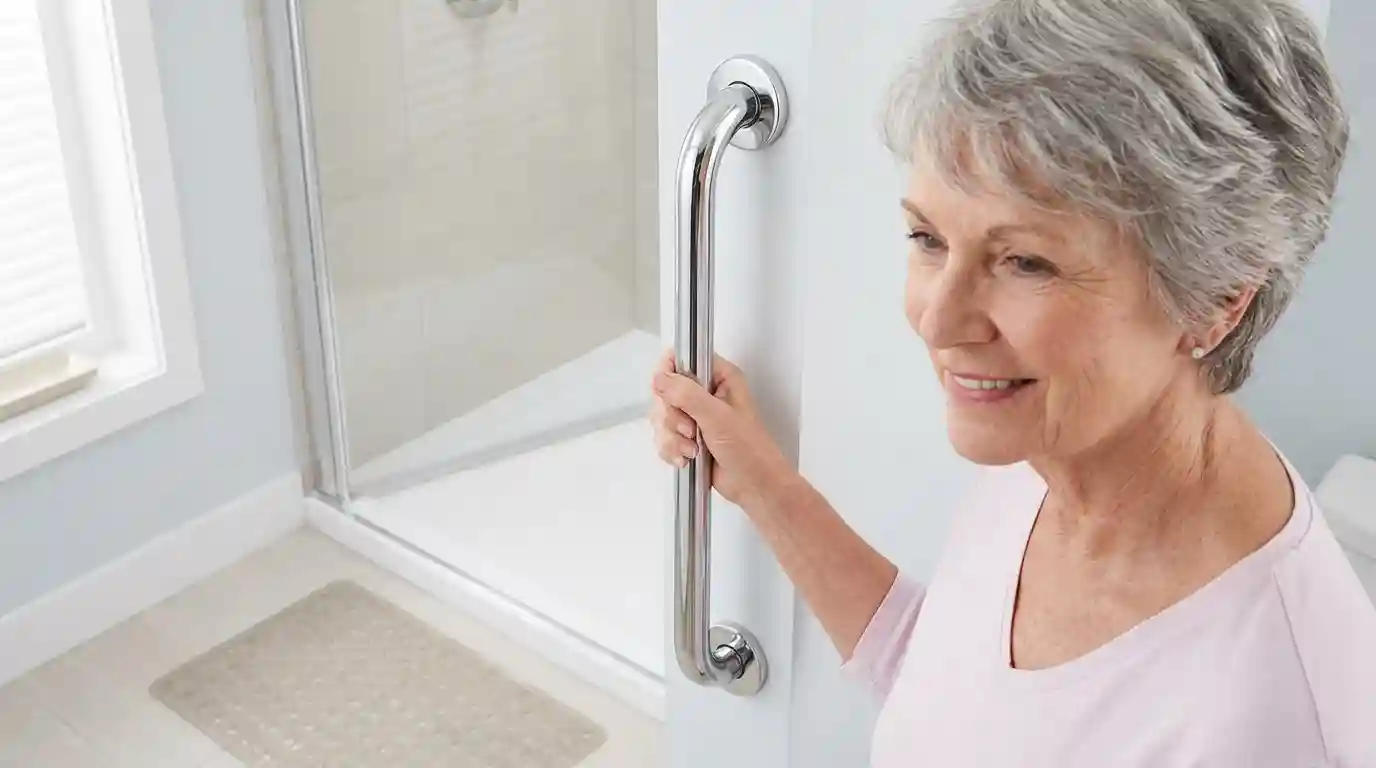
Table of Contents
Aging in Place is a growing aspiration for many older adults who wish to remain in the comfort and familiarity of their own homes as they age, rather than relocating to assisted living facilities or nursing homes. This desire stems from a profound connection to cherished memories, established routines, and the invaluable sense of independence that one’s home provides. While the benefits of aging in place are numerous, including maintaining social connections and potentially lower costs compared to residential care, it requires thoughtful planning and proactive adjustments to ensure safety, accessibility, and a high quality of life. This comprehensive guide offers essential tips and strategies across various aspects of daily living, helping seniors and their families create an environment that supports safe and independent living for years to come.
Essential Home Modifications for Enhanced Safety
One of the foundational steps in successfully aging in place involves making strategic modifications to the home environment. As physical abilities change with age, what were once minor inconveniences can become significant safety hazards. Falls, for instance, are a leading cause of injury among older adults, with many occurring in the home. Addressing these risks through home modifications can prevent accidents, enhance mobility, and extend independence.
Key areas for modification often include bathrooms, kitchens, entryways, and staircases. In bathrooms, which are frequently cited as high-risk areas for falls, installing grab bars near toilets, showers, and tubs is crucial for stability. Opting for barrier-free or curbless showers and replacing traditional tubs with walk-in models significantly reduces the effort and risk associated with bathing. Non-slip flooring and adjustable or handheld showerheads further enhance safety and ease of use. Raised toilet seats and lever-style or touchless faucets can also make a substantial difference for individuals with limited mobility or arthritis.
For kitchens, modifications focus on making daily tasks safer and more accessible. This can include installing pull-out shelves and drawers, adjusting countertop heights, and using easy-grip cabinet handles. Lever-handle faucets and appliances with front controls are also beneficial. Adequate under-cabinet and overall lighting is vital to improve visibility and prevent accidents.
Ensuring safe entry and exit from the home is paramount. This can involve creating zero-step entries or installing modular ramps at entrances. Widening doorways to at least 32 inches allows for easy passage of walkers or wheelchairs throughout the home. Replacing doorknobs with lever-style handles can also be helpful for those with grip issues. For multi-story homes, stair safety is a major concern. Solutions include installing sturdy handrails on both sides of staircases, improving lighting, adding non-slip stair treads, and, if necessary, considering a stair lift.
Beyond specific room-by-room changes, general accessibility enhancements across the home are important. This includes ensuring all pathways are clear of clutter and securing loose rugs with non-slip pads to eliminate tripping hazards. Improving overall lighting levels, especially in hallways, and using motion-sensor lights or nightlights can significantly reduce the risk of falls, particularly at night. Properly placed electrical outlets and light switches (lowered switches, raised outlets) can also improve daily convenience.
Leveraging Smart Home Technology for Greater Independence
In today’s rapidly evolving digital landscape, smart home technology offers innovative solutions to enhance safety, convenience, and independence for older adults aging in place. These technologies can address various challenges associated with aging, from emergency concerns and home accessibility to maintaining social connections.
Voice-activated assistants, such as Amazon Alexa or Google Home, are particularly useful for individuals with mobility challenges. They can control lights, thermostats, set medication reminders, play music, and even make calls, all hands-free. This enhances convenience and reduces the need for physical movement, improving overall independence.
Medical alert systems are a cornerstone of smart home technology for seniors, providing immediate assistance in emergencies. Devices with fall detection capabilities can automatically alert emergency services or caregivers if a fall occurs. Wearable devices, like smartwatches and fitness trackers, can continuously monitor vital signs and activity levels, offering valuable health insights and peace of mind for both seniors and their caregivers.
Smart lighting systems, which can be controlled remotely or through motion sensors, contribute significantly to fall prevention by ensuring well-lit environments, especially in hallways and bathrooms at night. Smart thermostats allow for easy climate control, ensuring a comfortable living environment without manual adjustments.
For home security, smart doorbells with video capabilities and keyless entry systems provide enhanced safety and control over who enters the home. Remote monitoring systems can offer families peace of mind by allowing them to check in on their loved ones discreetly. Additionally, smart contact sensors can track the opening and closing of doors or refrigerators, helping caregivers monitor daily activities and patterns.
Other assistive technologies include automated medication dispensers, which ensure seniors adhere to their prescribed regimens by dispensing the correct dose at the scheduled time and sending alerts for missed doses. Telehealth platforms facilitate virtual doctor visits, making healthcare more accessible, especially for those with mobility issues or living in remote areas.
The integration of these technologies can profoundly improve the quality of life for seniors, making independent living easier, safer, and more enjoyable.
Prioritizing Health and Wellness Management
Maintaining good health and overall well-being is paramount for successful aging in place. A proactive approach to health management can significantly impact an individual’s ability to live independently and enjoy a high quality of life. This involves a combination of regular medical care, a balanced lifestyle, and attention to mental health.
Regular visits to a primary care provider are essential for early detection and management of any health concerns or chronic conditions. Doctors can help seniors develop a personalized health plan and make necessary lifestyle adjustments. Medication management is another critical aspect, especially as many older adults take multiple prescriptions. Keeping a written list of all medications, dosages, and prescribing doctors is important, along with having a two-week supply in a waterproof container for emergencies.
A balanced diet rich in fruits, vegetables, and whole foods supports overall health and provides the necessary energy for daily activities. Hydration is equally important. Experts often recommend following a Mediterranean-style diet, known for reducing the risk of chronic diseases, including heart disease and cognitive decline. Avoiding ultra-processed foods high in salt, sugar, and saturated fats is also advised.
Physical activity is a cornerstone of healthy aging, helping to maintain mobility, strength, balance, and cardiovascular fitness. Even moderate exercise, such as brisk walking for 150 minutes per week, can significantly impact health. Activities that improve balance, like yoga or Tai Chi, can help prevent falls. Incorporating strength training at least twice a week helps preserve muscle mass and bone density. Finding enjoyable and sustainable activities is key to maintaining a consistent exercise regimen.
Quality sleep is crucial for memory, immune system strength, and mood regulation. Establishing a relaxing bedtime routine and creating a tech-free sleep environment can promote better sleep. Chronic stress can negatively impact health, so finding ways to reduce stress through practices like mindfulness, meditation, or therapy is beneficial.
| Aspect of Aging in Place | Key Tip for Success | Potential Benefit |
|---|---|---|
| Home Modifications | Install grab bars in bathrooms and stairlifts for multi-level homes. | Reduces fall risk, enhances mobility, increases independence. |
| Smart Home Technology | Utilize voice-activated assistants and medical alert systems. | Provides hands-free control, immediate emergency assistance, peace of mind. |
| Health & Wellness | Engage in regular exercise and maintain a balanced, nutritious diet. | Improves physical strength, balance, cognitive function, and reduces chronic disease risk. |
| Social Engagement | Join community groups, volunteer, and use video calls to stay connected. | Combats isolation, stimulates the mind, boosts emotional well-being. |
| Financial Planning | Assess current finances, identify future needs, and explore long-term care insurance. | Ensures financial security for home modifications and potential in-home care. |
| Emergency Preparedness | Create a personal support network and assemble an emergency kit. | Ensures quick help during crises and maintains safety. |
| Cognitive Health | Engage in mentally stimulating activities and new hobbies. | Preserves cognitive function, lowers dementia risk, promotes neuroplasticity. |
| Transportation | Explore public transit, paratransit, rideshares, and volunteer programs. | Maintains freedom of movement for appointments and social activities. |
Fostering Social Engagement and Community Connections
Social isolation and loneliness pose significant risks to the mental and emotional well-being of older adults. Therefore, actively fostering social engagement and maintaining strong community connections are vital components of successful aging in place. Staying connected can combat these risks, stimulate the mind, and provide a valuable support network.

Local senior centers and community programs offer numerous opportunities for social interaction, learning, and physical activity. These centers often host social gatherings, wellness programs, and community meals, enabling seniors to build new friendships and maintain existing ones. Volunteering for causes that resonate personally can also provide a sense of purpose and create new social circles. Engaging in hobbies, whether old or new, with groups or clubs, can also be a great way to connect with like-minded individuals.
Leveraging technology can bridge geographical distances and help seniors stay in touch with loved ones. Video chat platforms like Zoom and FaceTime facilitate meaningful conversations with family and friends who live far away. These platforms can also be used for virtual book clubs, exercise programs, or other online social enrichment opportunities, combating isolation and promoting cognitive engagement.
Building a personal support network of trusted individuals—neighbors, friends, or nearby family—is invaluable. This network can provide practical assistance, companionship, and a sense of security, especially during emergencies. Open communication with family members about aging-in-place goals and needs can help align resources and expectations, ensuring consistent support.
For those requiring additional support, various community services and programs exist. Area Agencies on Aging (AAAs) often serve as a gateway to local resources, including in-home care, meal programs, and transportation services. Adult day centers provide social, recreational, and health services during the day, offering respite for caregivers and engagement for seniors. Exploring these resources can significantly enhance social connection and overall well-being.
Strategic Financial Planning for Long-Term Comfort
Effective financial planning is a cornerstone of successful aging in place, ensuring that older adults have the resources to cover potential home modifications, in-home care, and daily living expenses over the long term. Proactive planning can help mitigate unexpected costs and provide peace of mind.
The first step involves a thorough assessment of one’s current financial situation, including all income sources, assets (such as property, investments, and savings), and a detailed breakdown of weekly, monthly, and yearly expenses. Understanding outstanding debts, particularly high-interest ones, is also crucial. Consulting a financial advisor can help optimize retirement funds, insurance coverage, and other financial resources to align with aging-in-place goals.
One of the primary financial considerations is the cost of home modifications. While staying at home can be less expensive than moving to an assisted living community, modifications like stair lifts, ramps, or bathroom upgrades can be significant. It’s important to budget for these potential expenses. Some home improvements related to safety and accessibility may even be tax deductible if medically necessary.
Long-term care insurance plays a vital role in financial planning for aging in place. Medicare may cover limited in-home services under certain conditions, but typically does not include long-term personal care. Standalone long-term care insurance or life insurance policies with living benefits riders can help cover the costs of in-home assistance as needs evolve. Some individuals may also plan to self-fund through designated savings or investment accounts.
Government programs and grants can offer financial assistance for seniors. Resources such as the Administration for Community Living (ACL) or local social services departments can provide information on aid programs and discounts for home repairs and safety updates. Staying informed about changes in government programs like Social Security and Medicare is also important, as these can impact overall financial stability.
Considering how real estate assets, such as home equity, can be leveraged is another aspect of financial strategy. Options like reverse mortgages or home equity lines of credit can tap into home value, but these come with specific terms and should be discussed with a trusted advisor. Ultimately, transparent communication with family members about financial intentions and care expectations is key to reducing confusion and ensuring a shared understanding of the plan.
For more detailed information on financial planning for aging in place, the National Institute on Aging offers valuable resources and guidance through its various programs and publications: National Institute on Aging (NIA).
Developing a Robust Emergency Preparedness Plan
Ensuring safety and peace of mind for seniors aging in place necessitates a comprehensive emergency preparedness plan. Unexpected events, such as natural disasters, power outages, or medical emergencies, can pose significant challenges, especially for those living alone. A well-thought-out plan can ensure quick access to help and minimize risks during crises.
A crucial first step is to establish a personal support network. This network should consist of three or four trusted individuals—family members, friends, or neighbors—who are aware of the senior’s situation, have keys or access codes to the home, and are committed to checking in physically if they cannot be reached by phone during an emergency. For out-of-state family, building a local support network is particularly vital.
Creating an emergency kit tailored to individual needs is essential. Beyond standard emergency supplies, a senior’s kit should include:
- A two-week supply of all prescription medications in a waterproof container, along with a written list of prescriptions and copies of prescriptions.
- Extra glasses, hearing aid batteries, and denture supplies.
- Adult incontinence supplies if needed.
- Easy-open food containers and a manual can opener.
- Cash in small bills.
- Comfortable clothing that is easy to put on without help.
- A medical alert device or mobile phone with a backup battery or power bank.
- A list of allergies, medical conditions, and emergency contacts on a visible wallet card.
- Important identification, legal, and health documents (e.g., insurance cards, power of attorney, advance directives) in a waterproof folder.
- Any durable medical equipment (DME) required, such as mobility aids or CPAP devices, with extra supplies.
A clear communication plan is also vital. This includes prominently displaying emergency contact numbers near every phone and ensuring that communication tools, such as a landline or cell phone with large buttons and a loud ringer, are accessible. For those with hearing impairments, a NOAA weather radio with tone alert and visual flash can be beneficial.
Developing an emergency evacuation plan for the home and practicing it regularly with family or caregivers is crucial. This plan should consider how individuals with limited mobility will evacuate and where they will go. For seniors with cognitive impairments like dementia, explaining what is happening in easy-to-understand terms and providing clear, calm directions is important.
Finally, regular home safety checks, including testing smoke and carbon monoxide detectors, and maintaining exterior spaces by keeping paths clear and well-lit, contribute to overall emergency preparedness. Planning for seasonal changes, such as arranging for snow removal or updating emergency supplies quarterly, also ensures year-round readiness.
Maintaining Cognitive Health and Mental Sharpness
While some changes in brain function are a normal part of aging, significant cognitive decline is not inevitable. Actively maintaining cognitive health and mental sharpness is a critical aspect of aging in place independently and with dignity. A combination of mental stimulation, physical activity, proper nutrition, and social engagement can help preserve cognitive function and potentially lower the risk of dementia.
Engaging in new and challenging cognitive activities is one of the most effective ways to keep the brain active. This goes beyond routine puzzles and includes learning a new language, taking up a new hobby, learning to play an instrument, or taking a class. Such activities stimulate new brain connections, improve mental focus, and enhance thinking skills, increasing cognitive reserve.
Physical activity, particularly cardiovascular exercise, is strongly linked to better cognitive function. Regular exercise increases blood flow to the brain, delivering essential oxygen and nutrients, and helps preserve brain volume. It can also improve balance, reducing the risk of falls which can have serious cognitive consequences for older adults.
A nutritious diet, similar to the Mediterranean style, supports brain health. Consuming a variety of fruits and vegetables, staying hydrated, and eating consistently throughout the day provides the brain with a steady source of energy. Experts emphasize moving away from ultra-processed foods.
Social interaction is a powerful cognitive stimulant. Engaging in conversations, joining clubs, volunteering, or simply keeping up with friends and family helps keep the mind active and connected to the world. As one expert notes, “There’s nothing more cognitively stimulating than having to engage with other people.”
Adequate sleep is vital for memory and overall brain function. Chronic stress, anxiety, and depression can also take a toll on cognitive health, so managing mental health through practices like mindfulness, meditation, or seeking therapy is crucial.
Finally, regular check-ups with a healthcare provider can help identify any potential risk factors for cognitive decline, such as high blood pressure or hearing loss, and allow for early intervention.
Navigating Transportation Solutions for Continued Mobility
The ability to get around independently is crucial for maintaining autonomy, social connections, and access to essential services when aging in place. As driving may become more challenging or impossible due to physical or cognitive limitations, exploring alternative transportation options becomes a necessity. Various services are available to help older adults maintain their freedom of movement.
Public transit and paratransit services are often viable options. Many cities offer seniors discounted or free rides on public transportation, making it an affordable choice. Most modern public transit is designed with accessibility features like wheelchair ramps, low-priority floor entry, and priority seating. Paratransit services cater specifically to individuals with mobility challenges who cannot use traditional public transportation independently, offering door-to-door rides in accessible vehicles with assistance from trained drivers.
Rideshare services like Uber and Lyft have expanded to include features that make them more accessible for seniors. Some offer simplified user accounts, real-time ride tracking that can be shared with family, and caregiver support for booking rides. Specialized services like Uber Health and Lyft Concierge enable healthcare facilities to arrange and pay for non-emergency medical transportation. Additionally, services like GoGoGrandparent provide a call-in ride service, connecting seniors to on-demand transportation companies without requiring a smartphone, and also notify family caregivers.
Volunteer driver programs are a valuable community resource, offering free or low-cost transportation to medical appointments, shopping trips, and social outings. These personalized services not only provide mobility but also opportunities for social interaction, helping to combat isolation. Local churches, community centers, and non-profits often operate these programs.
Senior community living transportation services, offered by some independent living communities, provide scheduled shuttle services to essential locations such as grocery stores, medical facilities, and social gatherings. Some even offer private rides. Non-emergency medical transportation (NEMT) services are specifically designed to provide door-to-door transportation for routine medical visits, physical therapy, and other healthcare needs.
For seniors in good health, assistive transportation devices like personal electric scooters, bicycles, or motorized wheelchairs can offer efficient and convenient ways to get around, especially in the right areas.
When considering transportation options, it’s important to assess individual mobility needs, comfort levels with technology, and financial considerations. Exploring the range of services available can empower seniors to maintain their independence and stay connected to their communities.
Conclusion: A Holistic Approach to Aging in Place
Aging in place is a deeply personal and often preferred choice for many seniors, offering the priceless benefits of familiarity, comfort, and sustained independence within one’s own home and community. However, this journey requires more than just a desire to stay put; it demands a proactive, multifaceted approach to ensure safety, accessibility, and a high quality of life as needs evolve. From essential home modifications that mitigate fall risks and enhance mobility to leveraging smart home technology for greater convenience and security, the physical environment must adapt to support changing abilities. Simultaneously, prioritizing health and wellness through regular medical care, a balanced diet, and consistent physical activity is crucial for maintaining vitality. Combatting social isolation through active community engagement and robust social networks fosters emotional well-being and cognitive sharpness. Thoughtful financial planning provides the necessary resources to implement these strategies, while a comprehensive emergency preparedness plan ensures readiness for unforeseen challenges. Ultimately, by embracing these tips and planning strategically, seniors can confidently navigate the path of aging in place, preserving their independence and enjoying their cherished homes for many fulfilling years.