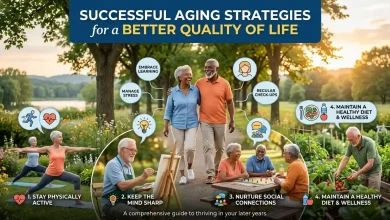
7 Healthy Aging Tips for Mind and Body Wellness

Table of Contents
Healthy aging is not merely about living longer, but about enhancing the quality of those additional years, ensuring a vibrant and fulfilling life for both mind and body. It is a proactive and continuous journey that involves making conscious choices to maintain physical vitality, mental acuity, emotional balance, and strong social connections. While the aging process is inevitable, the trajectory of how we age is largely within our control, influenced significantly by our lifestyle habits and preventive measures. Embracing healthy aging means recognizing that it begins at any age, not just in later life, and that consistent, sustainable habits are the cornerstone of a vibrant future. The wisdom gained through years can be paired with sustained physical and mental well-being, allowing individuals to navigate the later decades with independence and joy. This comprehensive guide will delve into actionable tips and strategies, grounded in the latest research, to empower you to age gracefully and robustly, fostering wellness from head to toe.
Nourishing Your Body: The Foundation of Vitality
The adage “you are what you eat” holds profound truth, especially as we age. Nutrition plays a foundational role in healthy aging, influencing everything from energy levels and muscle mass to cognitive function and disease prevention. A well-balanced diet provides the necessary fuel and building blocks for every bodily system, helping to mitigate age-related decline and bolster overall health.
The Power of Whole Foods and Balanced Nutrition
Embracing a diet rich in whole, unprocessed foods is paramount. Experts consistently recommend increasing the consumption of fruits, vegetables, whole grains, and lean proteins, while limiting fatty meats, butter, sugar, salt, and packaged foods. The Mediterranean diet, for instance, is widely supported by medical experts for its benefits in healthy aging, protecting against heart disease, cancer, Parkinson’s, and Alzheimer’s disease. This eating plan emphasizes vegetables, fruits, whole grains, nuts, and healthy fats while reducing processed items.
Focusing on nutrient-dense foods is crucial. Incorporate a colorful variety of fruits and vegetables daily, as they are packed with vitamins, minerals, and antioxidants essential for fighting inflammation and supporting cellular health. Whole grains like oatmeal, whole-wheat bread, and brown rice provide vital fiber, which aids digestion, helps lower cholesterol, and reduces the risk of heart disease, type 2 diabetes, and colon cancer.
Essential Nutrients and Hydration
As individuals age, specific nutritional needs often change. Older adults may require more protein to counteract sarcopenia, the natural decline in muscle mass and strength. Recommendations suggest aiming for 0.54 to 0.72 grams of protein per pound of body weight per day, distributed evenly across meals. Good sources include meat, fish, eggs, tofu, tempeh, nuts, seeds, beans, and quinoa.
Calcium and Vitamin D are critical for maintaining strong bones and preventing osteoporosis. Experts generally recommend 1,200 mg of calcium and 800 IU of vitamin D per day for older adults. Dairy products, dark leafy greens, and fatty fish are excellent sources of calcium, while fortified milk, egg yolks, and fatty fish provide vitamin D. Other common shortages in older adults include iron, folate, and Vitamin B12, which supports memory and movement.
Hydration is another often-overlooked aspect of healthy aging. Many older adults experience a reduced sense of thirst, increasing the risk of dehydration. Drinking enough liquids throughout the day is vital for all bodily functions, including cognitive clarity and overall energy levels. Water, herbal teas, and hydrating fruits and vegetables can contribute significantly to daily fluid intake.
The Power of Movement: Staying Physically Active
Physical activity is not just a recommendation but an indispensable pillar of healthy aging. It offers a myriad of benefits that extend far beyond maintaining a youthful physique, profoundly impacting both mental and physical well-being. It is never too late to start an exercise program, and even moderate activity can yield significant returns.
Incorporating Regular Exercise into Your Routine
The key to sustained physical activity is finding activities you enjoy and integrating them consistently into your daily life. Federal guidelines recommend at least 150 minutes (2.5 hours) of physical activity each week. This can be broken down into shorter, manageable sessions, such as 30 minutes daily, or even three 10-minute periods spread throughout the day.
A balanced exercise regimen for older adults typically includes a combination of aerobic exercise, strength training, flexibility, and balance activities.
- Aerobic Exercise: Activities like brisk walking, cycling, swimming, or dancing elevate your heart rate and breathing, improving cardiovascular health and boosting mood. Regular aerobic activity helps keep brain cells healthy by delivering more blood and oxygen.
- Strength Training: Using weights, resistance bands, or bodyweight exercises helps preserve muscle mass and strength, which naturally declines with age. This is crucial for maintaining functional ability and independence.
- Flexibility and Balance: Practices like yoga and Tai Chi improve flexibility, balance, and coordination, significantly reducing the risk of falls, which are a major concern for older adults.
Even just being more active throughout your day, such as gardening or taking the stairs, can be sufficient to improve physical and cognitive health.
Benefits Beyond Physical Strength
The impact of physical activity stretches far beyond the muscles and bones. Regular exercise helps control weight, boosts energy, and significantly enhances cognitive function. It can reduce feelings of depression and anxiety, improve sleep quality, and foster overall emotional well-being by releasing endorphins. Studies show that physical activity can even help delay or improve symptoms of Alzheimer’s disease and protect against osteoporosis and age-related loss of muscle mass. Furthermore, it lowers the risk of chronic diseases such as heart disease, stroke, high blood pressure, type 2 diabetes, high cholesterol, and certain cancers.
Cultivating a Sharp Mind: Cognitive Health Strategies
Maintaining cognitive health is fundamental to preserving independence and quality of life as we age. While some cognitive changes are a natural part of aging, there are many proactive steps that can be taken to keep the mind sharp and mitigate decline.
Mental Stimulation and Lifelong Learning
Keeping your brain active with new and stimulating activities is one of the most effective ways to preserve cognitive health. This goes beyond routine puzzles; it involves engaging in novel and challenging experiences. Learning a new language, picking up a new hobby, mastering a musical instrument, or taking a class can build cognitive reserve and foster new neural pathways. Activities like reading regularly, writing letters, computer use, and active mental engagement have been linked to slower frailty progression and lower risk of developing frailty. Engaging in conversations and social interactions also provides significant cognitive stimulation. Research indicates that participation in creative activities like music, theater, dance, and creative writing shows promise for improving quality of life, memory, self-esteem, and reducing stress.
The Critical Role of Quality Sleep
Often underestimated, quality sleep is a critical determinant of cognitive health. Despite common misconceptions, older adults need about the same amount of sleep as other adults—seven to nine hours each night. Poor sleep is not a normal part of aging, and chronically disrupted sleep can have serious consequences for brain function.
During sleep, the brain actively works to consolidate memories, process information, and engage in a crucial “housekeeping” process to clear waste products that can contribute to cognitive decline. Insufficient or disrupted sleep is linked to a higher risk of dementia and cognitive impairment, affecting attention, memory, and decision-making. Over time, poor sleep can increase the risk of problems with memory, negative feelings, increased stress, and an elevated risk of falls.

To promote healthy sleep, establishing good sleep hygiene is essential. This includes maintaining a consistent sleep schedule, going to bed and waking up at the same time each day, even on weekends, to reinforce the body’s natural sleep cycles. Creating a conducive sleep environment—dark, quiet, and cool—and reserving the bedroom primarily for sleep can train the brain to associate it with rest. Avoiding heavy meals, caffeine, and alcohol close to bedtime can prevent disruptions, while incorporating physical activity during daylight hours can improve sleep quality at night. If persistent sleep problems arise, consulting a healthcare professional is advisable, as conditions like insomnia and sleep apnea become more common with age and can be effectively treated. For more in-depth information on sleep and brain health, resources like the Global Council on Brain Health provide valuable, evidence-based recommendations for older adults to optimize their sleep patterns Global Council on Brain Health.
| Aspect of Wellness | Recommended Action for Healthy Aging | Key Benefits for Mind and Body |
|---|---|---|
| Nutrition | Embrace whole foods, balanced protein intake, adequate hydration. | Sustained energy, muscle maintenance, reduced chronic disease risk, improved cognitive function. |
| Physical Activity | Regular aerobic, strength, flexibility, and balance exercises (e.g., walking, yoga, Tai Chi). | Stronger bones/muscles, improved mobility, reduced falls, enhanced mood, sharper cognition, lower disease risk. |
| Cognitive Stimulation | Engage in new hobbies, learn new skills, read, socialize. | Builds cognitive reserve, delays cognitive decline, improves memory, fosters mental sharpness. |
| Sleep Hygiene | Consistent sleep schedule, 7-9 hours/night, conducive sleep environment. | Memory consolidation, brain detoxification, improved attention, better mood, reduced risk of dementia. |
| Social Connection | Maintain strong relationships, participate in community activities. | Reduced depression/anxiety, enhanced resilience, improved physical health, sense of purpose and belonging. |
| Preventive Care | Regular medical check-ups, screenings, vaccinations. | Early detection of health issues, prevention of chronic conditions, tailored health management. |
Emotional Well-being and Social Connection: Fostering a Rich Life
Beyond physical and cognitive health, emotional well-being and strong social connections are critical, yet often overlooked, components of healthy aging. Humans are inherently social creatures, and meaningful relationships contribute significantly to overall quality of life and longevity.
Managing Stress and Cultivating Positivity
The emotional landscape can become more complex with age, facing changes like retirement, loss of loved ones, or health challenges. Effective stress management is vital for both mental and cognitive health, as chronic stress can take a toll on mental sharpness over time. Practices such as mindfulness, meditation, and therapy can help manage stress and promote long-term cognitive well-being. Cultivating a positive outlook and finding joy in daily life are also powerful tools for emotional resilience. Pursuing activities that provide a sense of purpose and meaning can further enhance emotional health, contributing to a more fulfilling aging experience.
The Importance of Social Engagement
Strong social connections are fundamental for healthy aging, providing a sense of belonging, purpose, and joy. Research consistently shows that maintaining robust relationships with friends, family, and community members can improve physical health, mental well-being, and overall quality of life. Individuals with strong social ties have a reduced risk of developing depression, anxiety, and even PTSD, while also experiencing improved ability to manage stress and diminished risk of cognitive decline. In fact, strong social bonds have been linked to lower Body Mass Index (BMI), better A1C levels, reduced smoking rates, and even a 50% greater chance of survival.
Conversely, social isolation and loneliness can have detrimental effects, increasing the risk of mental disorders, impairing physical function, raising the likelihood of chronic diseases, and reducing life expectancy. Loneliness has been equated to the health threat of smoking or excessive drinking, increasing the risk of heart disease, stroke, and dementia.
To foster social engagement, actively seek opportunities to connect. This can involve reconnecting with existing networks through phone calls, emails, texts, or video calls, and scheduling regular visits or outings. Joining clubs, volunteering, participating in community activities, or engaging in intergenerational programs can provide new avenues for social interaction and a sense of purpose. Even small, simple connections can have significant positive effects on health, leading to improved blood pressure, better sleep, and more stable stress hormones.
Preventive Care and Regular Check-ups: Your Health Blueprint
Proactive health management through preventive care and regular medical check-ups is a non-negotiable aspect of healthy aging. These measures are foundational for early detection and prevention of chronic conditions, helping individuals enjoy a higher quality of life and independence in their later years.
Staying Ahead with Medical Screenings
Regular visits to your healthcare provider, even when feeling healthy, are crucial for screening medical issues, assessing future risks, and encouraging a healthy lifestyle. Your annual wellness appointment is often the starting point, including checks for blood pressure, cholesterol, and blood sugar levels. These tests can detect hypertension, assess heart disease or stroke risk, and identify prediabetes or diabetes in early stages when they are more manageable.
Beyond these basics, specific screenings are recommended based on age, gender, family history, and lifestyle factors:
- Cardiovascular Health: Regular blood pressure monitoring is vital, as high blood pressure is a common and manageable risk factor for stroke, heart attack, and kidney disease. Lipid panels (cholesterol and triglycerides) are also essential for heart disease risk assessment.
- Cancer Screenings: Guidelines recommend screenings for colorectal cancer (colonoscopy or stool tests), breast cancer (mammograms for women), prostate cancer (PSA test for men), and lung cancer (low-dose CT scan for current or former smokers).
- Bone Density: Women over 65, and men between 65 and 75 who have smoked, should consider a DEXA scan to screen for osteoporosis, which can lead to easily broken bones.
- Cognitive and Mental Health: Simple paper-and-pencil tests, like the Mini-Cog or Montreal Cognitive Assessment, can detect early signs of memory loss or dementia. Depression screenings are also highly recommended, as life changes in older adulthood can trigger depressive episodes.
- Sensory Checks: Regular eye exams and hearing tests are important to catch and address impairments that can affect quality of life and increase fall risk.
It is important to discuss a personalized screening schedule with your healthcare provider, as recommendations can vary based on individual risk factors.
Vaccinations and Managing Chronic Conditions
Vaccinations remain critical throughout adulthood. Annual flu vaccines are essential for everyone over six months, and older adults should also ensure they are up-to-date on vaccines like shingles (Shingrix) and pneumonia. These immunizations help prevent severe illness and complications that can be particularly dangerous for an aging immune system.
For those with existing chronic conditions such as diabetes, heart disease, or arthritis, diligent management is key. This involves adhering to prescribed medications, following lifestyle recommendations from healthcare providers, and regularly monitoring symptoms. Effective management of chronic conditions can prevent exacerbations, slow disease progression, and significantly improve overall health and functional ability. Caregivers also play a critical role in facilitating and supporting health screenings and follow-up care for older adults.
Adapting to Change: Building Resilience in Aging
Aging is a dynamic process marked by continuous change, both anticipated and unexpected. Developing resilience—the ability to adapt and recover from adversity—is a powerful tool for navigating these transitions with grace and strength. This involves embracing a flexible mindset, learning to cope with new challenges, and maintaining a sense of purpose.
Life transitions such as retirement, changes in living situations, or the loss of loved ones can be significant stressors. Building resilience means having coping mechanisms in place, whether through mindfulness practices, seeking support from friends and family, or professional counseling when needed. It also means focusing on what can be controlled and maintaining a proactive approach to health and well-being.
Finding new passions, setting new goals, and engaging in activities that bring joy and a sense of accomplishment are crucial for maintaining purpose and meaning in life. This continuous engagement helps combat feelings of stagnation and contributes to a positive outlook. Adapting to physical changes, such as modifying exercise routines or seeking assistive devices, allows individuals to maintain independence and continue participating in activities they love. A proactive and adaptable approach ensures that aging is seen not as a period of decline, but as an ongoing opportunity for growth, learning, and sustained wellness.
Conclusion: A Holistic Approach to Lifelong Wellness
Healthy aging is a multifaceted endeavor that encompasses a holistic approach to mind and body wellness. It is a testament to the profound interconnectedness of our physical, mental, and emotional states, emphasizing that a vibrant later life is achievable through intentional and consistent effort. From nourishing our bodies with wholesome foods and keeping them active with regular exercise, to stimulating our minds with continuous learning and ensuring restorative sleep, each element plays a vital role. Cultivating strong social connections and fostering emotional well-being provides the resilience needed to navigate life’s changes, while diligent preventive care ensures that potential health challenges are addressed proactively. By embracing these healthy aging tips, individuals can not only extend their lifespan but, more importantly, enrich their health span, ensuring their golden years are characterized by vitality, independence, and a profound sense of purpose and joy. The journey of healthy aging is a marathon, not a sprint, and every step taken towards holistic wellness contributes to a brighter, healthier future.