7 Successful Aging Strategies for a Better Quality of Life
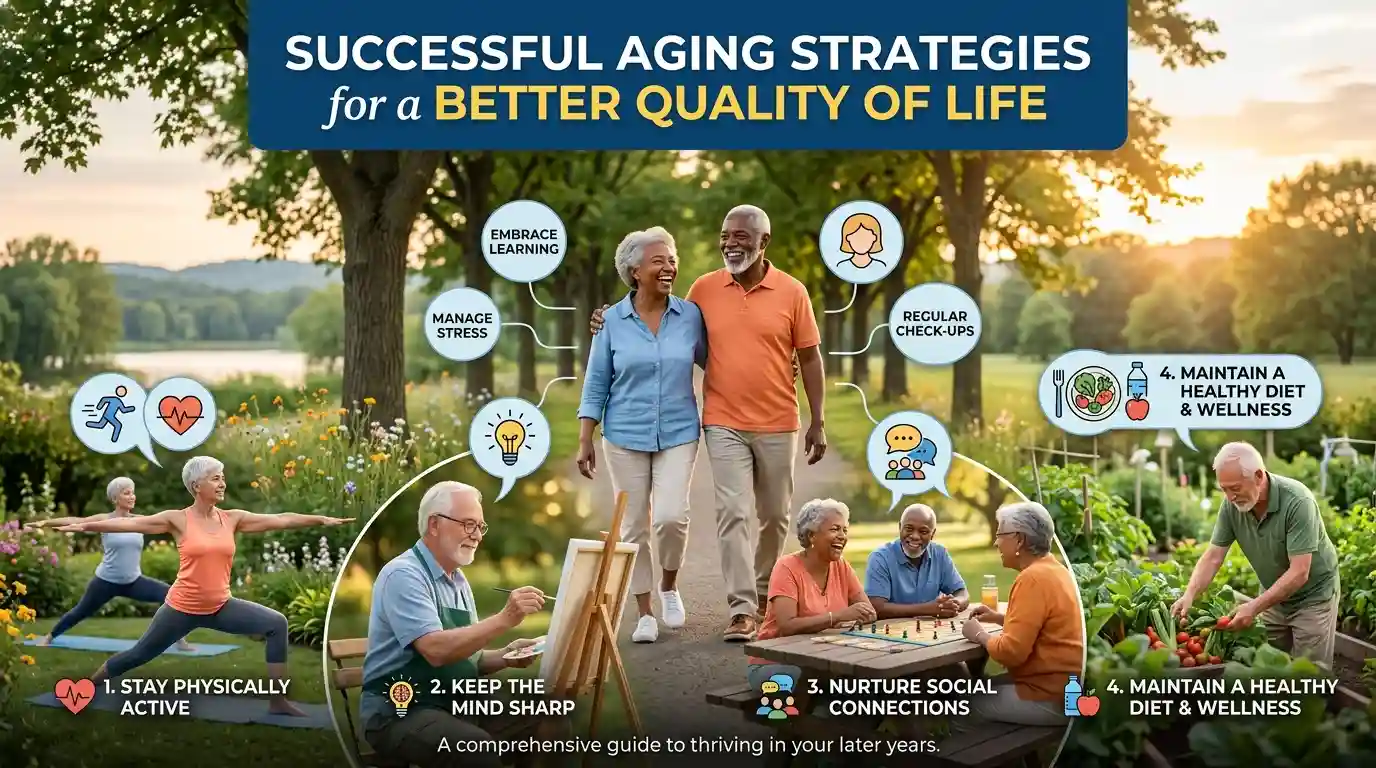
Table of Contents
Successful Aging Strategies for a better quality of life encompass a holistic approach to growing older, extending far beyond merely living a long time. It’s about thriving, maintaining independence, and finding continued joy and purpose as the years progress. While the biological process of aging is inevitable, how one experiences it is profoundly influenced by conscious choices and proactive strategies. This article delves into the multi-faceted dimensions of successful aging, offering practical, research-backed approaches to enhance physical vitality, mental sharpness, emotional resilience, and social engagement, ultimately paving the way for a truly enriched and fulfilling later life.
Understanding Successful Aging: More Than Just Longevity
The concept of successful aging has evolved considerably over time. Historically, it might have simply meant surviving to an old age, often associated with a decline in health and independence. However, modern understanding, particularly championed by researchers like Rowe and Kahn, defines successful aging based on three key components: a low probability of disease and disability, high cognitive and physical functional capacity, and active engagement with life. It’s a dynamic, lifelong process, not a destination, emphasizing adaptation, resilience, and personal growth. It recognizes that aging is highly individualized, with varying paths and definitions of success. This perspective shifts the focus from simply avoiding negative outcomes to actively pursuing positive ones, such as maintaining strong social connections, engaging in productive activities, and continually learning and adapting. It’s about maximizing one’s potential throughout the entire lifespan, embracing change, and finding meaning and satisfaction at every stage.
Physical Health: The Foundation of Vibrant Seniority
Maintaining robust physical health is arguably the cornerstone of successful aging. It directly impacts independence, energy levels, and the ability to participate in activities that bring joy. A proactive approach to physical well-being involves consistent attention to diet, exercise, and sleep, forming a powerful triad that supports the body’s systems as they age. Neglecting any one of these pillars can have a cascading negative effect on overall health and quality of life in later years. Regular health screenings and preventive care are also crucial, allowing for early detection and management of potential health issues, thereby preventing them from escalating into more serious conditions. Furthermore, understanding one’s genetic predispositions and lifestyle risks allows for tailored interventions that can significantly mitigate the impact of age-related conditions. This proactive mindset transforms aging from a process of decline into an opportunity for sustained vitality and well-being.
Nutrition and Hydration: Fueling Your Golden Years
As we age, our nutritional needs change. Metabolism tends to slow down, and nutrient absorption can become less efficient, yet the need for certain vitamins and minerals remains high or even increases. A balanced diet rich in whole foods is paramount. This includes plenty of fruits, vegetables, lean proteins, and whole grains, which provide essential vitamins, minerals, and fiber to support digestive health and prevent chronic diseases. For instance, diets rich in antioxidants found in berries and leafy greens can help combat cellular damage, while adequate calcium and Vitamin D are vital for bone health, reducing the risk of osteoporosis.
Hydration is equally critical but often overlooked. Older adults may have a diminished sense of thirst, increasing the risk of dehydration, which can lead to fatigue, confusion, and other serious health problems. Drinking plenty of water throughout the day, even if not feeling thirsty, is essential. Herbal teas, clear broths, and water-rich fruits and vegetables can also contribute to daily fluid intake, ensuring that the body’s systems function optimally. Avoiding excessive consumption of sugary drinks and highly processed foods is also crucial, as these can contribute to inflammation and exacerbate age-related conditions. Consulting with a healthcare professional or a registered dietitian can help create a personalized nutrition plan that addresses individual needs and potential deficiencies.
The Power of Regular Exercise: Movement for Life
Physical activity is a powerful antidote to many age-related declines. Regular exercise helps maintain muscle mass and strength, improves cardiovascular health, enhances bone density, and boosts mood and cognitive function. It also plays a significant role in managing chronic conditions such as diabetes, arthritis, and heart disease. A well-rounded exercise regimen for successful aging should ideally incorporate several types of activities:
- Aerobic Exercise: Activities like brisk walking, swimming, cycling, or dancing improve heart and lung health, increase endurance, and can help maintain a healthy weight. Aim for at least 150 minutes of moderate-intensity aerobic activity per week.
- Strength Training: Lifting weights, using resistance bands, or doing bodyweight exercises helps maintain muscle mass, which naturally declines with age. Stronger muscles improve balance, reduce the risk of falls, and make everyday tasks easier.
- Flexibility Exercises: Stretching and yoga improve range of motion, reduce stiffness, and help prevent injuries.
- Balance Training: Tai Chi or specific balance exercises can significantly reduce the risk of falls, a major concern for older adults.
Starting slowly and gradually increasing intensity is key, especially for those new to exercise. Consulting a doctor before starting any new fitness program is always recommended, particularly for individuals with pre-existing health conditions. The benefits of consistent physical activity extend beyond the purely physical, contributing significantly to mental well-being and overall life satisfaction.
Prioritizing Quality Sleep: Rest for Body and Mind
Quality sleep is as vital as diet and exercise for successful aging. Unfortunately, sleep patterns often change with age, and many older adults report difficulty falling asleep, staying asleep, or feeling refreshed upon waking. Chronic sleep deprivation can impair cognitive function, weaken the immune system, increase the risk of falls, and negatively impact mood.
Establishing good sleep hygiene can significantly improve sleep quality. This includes maintaining a consistent sleep schedule, even on weekends, creating a comfortable and dark sleep environment, avoiding caffeine and alcohol close to bedtime, and limiting screen time before sleep. Incorporating relaxation techniques, such as meditation or a warm bath, into a nightly routine can also be beneficial. If sleep problems persist, it’s important to consult a healthcare provider to rule out underlying medical conditions or medication side effects that might be contributing to sleep disturbances. Addressing sleep issues proactively can lead to improved energy levels, better concentration, and enhanced emotional regulation, all critical components of a high quality of life in older age.
Nurturing Mental and Cognitive Well-being
A sharp mind and a resilient spirit are indispensable for successful aging. Just as physical health requires attention, so too do mental and cognitive faculties. Engaging the brain, managing stress effectively, and fostering emotional well-being are vital for maintaining independence and enjoyment of life.
Staying Mentally Active: Keeping the Mind Sharp
The brain, like any other muscle, benefits from regular exercise. Lifelong learning and mental stimulation can help maintain cognitive function and may even build cognitive reserve, making the brain more resilient to age-related changes. Activities that challenge the mind include:
- Learning a new language or musical instrument.
- Reading regularly and engaging with complex topics.
- Playing strategy games, puzzles, or memory games.
- Taking courses or workshops on new subjects.
- Engaging in creative pursuits like writing, painting, or pottery.
These activities not only keep the brain active but also provide opportunities for social interaction and a sense of accomplishment, contributing to overall life satisfaction. Research consistently shows a correlation between cognitive engagement and a reduced risk of cognitive decline, underscoring the importance of making mental stimulation a regular part of one’s routine.
Effective Stress Management: Cultivating Calm
Chronic stress can have detrimental effects on both physical and mental health, accelerating the aging process and increasing the risk of various diseases. Developing effective stress management techniques is crucial for successful aging. Strategies include:

- Mindfulness and Meditation: Practices that focus on the present moment can reduce anxiety and improve emotional regulation.
- Hobbies and Leisure Activities: Engaging in enjoyable activities provides a distraction from stressors and promotes relaxation.
- Spending Time in Nature: Studies suggest that time outdoors can lower stress hormones and improve mood.
- Deep Breathing Exercises: Simple techniques can quickly calm the nervous system.
Learning to identify stressors and developing healthy coping mechanisms allows individuals to navigate life’s challenges more effectively, protecting their mental health and promoting a more peaceful and contented existence. Seeking support from friends, family, or mental health professionals when stress becomes overwhelming is also a sign of strength and a key strategy for maintaining well-being.
| Category | Key Strategy | Benefit for Successful Aging |
|---|---|---|
| Physical Health | Balanced Diet & Hydration | Supports organ function, maintains energy, prevents chronic diseases. |
| Physical Health | Regular Exercise (Aerobic, Strength, Flexibility, Balance) | Preserves muscle mass, bone density, cardiovascular health, reduces fall risk. |
| Physical Health | Quality Sleep | Boosts cognitive function, strengthens immune system, improves mood. |
| Mental Well-being | Mental Stimulation | Maintains cognitive sharpness, builds cognitive reserve, reduces decline risk. |
| Mental Well-being | Stress Management Techniques | Lowers anxiety, improves emotional regulation, protects overall health. |
| Social Connection | Active Social Engagement | Combats loneliness, fosters purpose, enhances well-being and longevity. |
| Purpose & Growth | Lifelong Learning & Hobbies | Provides meaning, stimulates growth, adapts to new challenges. |
The Indispensable Role of Social Connection
Humans are inherently social beings, and maintaining strong social connections is a powerful predictor of successful aging and longevity. Loneliness and social isolation have been linked to an increased risk of chronic diseases, depression, and cognitive decline, comparable to the risks associated with smoking or obesity. Conversely, individuals with robust social networks tend to live longer, healthier, and happier lives.
Strategies for fostering social connection include:
- Maintaining existing relationships: Regularly connecting with family and friends through visits, calls, or digital communication.
- Joining clubs or groups: Engaging in activities aligned with personal interests, such as book clubs, gardening groups, or volunteer organizations.
- Volunteering: Giving back to the community provides a sense of purpose and opportunities to meet new people.
- Participating in community events: Attending local festivals, classes, or gatherings can expand social circles.
- Adopting a pet: Pets can provide companionship and reduce feelings of loneliness.
Cultivating a sense of belonging and community provides emotional support, opportunities for shared experiences, and a buffer against life’s challenges. It reinforces a sense of value and purpose, which are critical for overall well-being in later life. The importance of social interaction for mental and emotional health in aging cannot be overstated, as highlighted by numerous studies on human well-being and longevity, many of which are compiled and discussed on reputable sources like Wikipedia’s page on social relations and health.
Financial Prudence and Planning for Peace of Mind
While often less discussed in the context of health, financial security is a critical component of successful aging. Economic stability provides peace of mind, reduces stress, and allows access to necessary healthcare, comfortable living arrangements, and opportunities for leisure and personal growth. Without adequate financial planning, the stresses of managing expenses, healthcare costs, and unexpected emergencies can significantly detract from quality of life.
Key financial strategies for older adults include:
- Retirement Planning: Ensuring sufficient savings and investments to maintain a desired lifestyle without relying solely on fixed income.
- Budgeting and Expense Management: Creating a realistic budget and monitoring spending to avoid financial strain.
- Healthcare Cost Planning: Understanding Medicare, Medicaid, or private insurance options, and planning for out-of-pocket expenses.
- Estate Planning: Preparing wills, trusts, and power of attorney documents to ensure assets are distributed according to wishes and to alleviate burdens on family members.
- Avoiding Scams: Being vigilant against financial fraud and scams targeting older adults.
Consulting with a financial advisor can provide tailored guidance and help navigate the complexities of retirement planning and wealth management. A strong financial foundation empowers individuals to make choices that support their well-being, whether that means traveling, pursuing hobbies, or having access to quality care.
Embracing Lifelong Learning and Purpose
One of the most enriching aspects of successful aging is the continuous pursuit of growth and meaning. Retirement, rather than being an end, can be a new beginning, a time to explore passions and contribute in new ways. A sense of purpose provides direction, motivation, and a reason to stay engaged with the world. This can manifest in various forms:
- Pursuing New Hobbies: Learning photography, gardening, painting, or a musical instrument can provide intellectual stimulation and personal satisfaction.
- Volunteering: Contributing skills and time to causes one believes in can be incredibly rewarding and connect individuals with their community.
- Mentorship: Sharing accumulated wisdom and experience with younger generations can provide a profound sense of purpose.
- Continuing Education: Taking university courses, online classes, or workshops simply for the joy of learning.
- Creative Expression: Writing memoirs, poetry, or engaging in other forms of artistic expression.
Studies show that having a strong sense of purpose is linked to better physical health, increased longevity, and improved psychological well-being. It helps individuals adapt to life changes, maintain resilience, and experience greater life satisfaction. Embracing new challenges and finding ways to contribute actively to life’s tapestry are hallmarks of truly successful aging.
Conclusion
Successful aging is not a passive process of simply enduring time, but an active, intentional journey of growth, adaptation, and sustained well-being. It requires a holistic commitment to physical health through balanced nutrition, regular exercise, and quality sleep; to mental and cognitive vitality through continuous learning and effective stress management; and to emotional resilience forged through strong social connections and a profound sense of purpose. While individual paths may vary, the core principles remain universal: proactive engagement, a positive outlook, and a willingness to adapt to life’s inevitable changes. By embracing these strategies, individuals can not only extend their lifespan but profoundly enrich the quality of their golden years, transforming the aging process into a vibrant chapter of continued fulfillment and joy.