7 Hallmarks of Aging Explained – Simple Guide to Aging Science
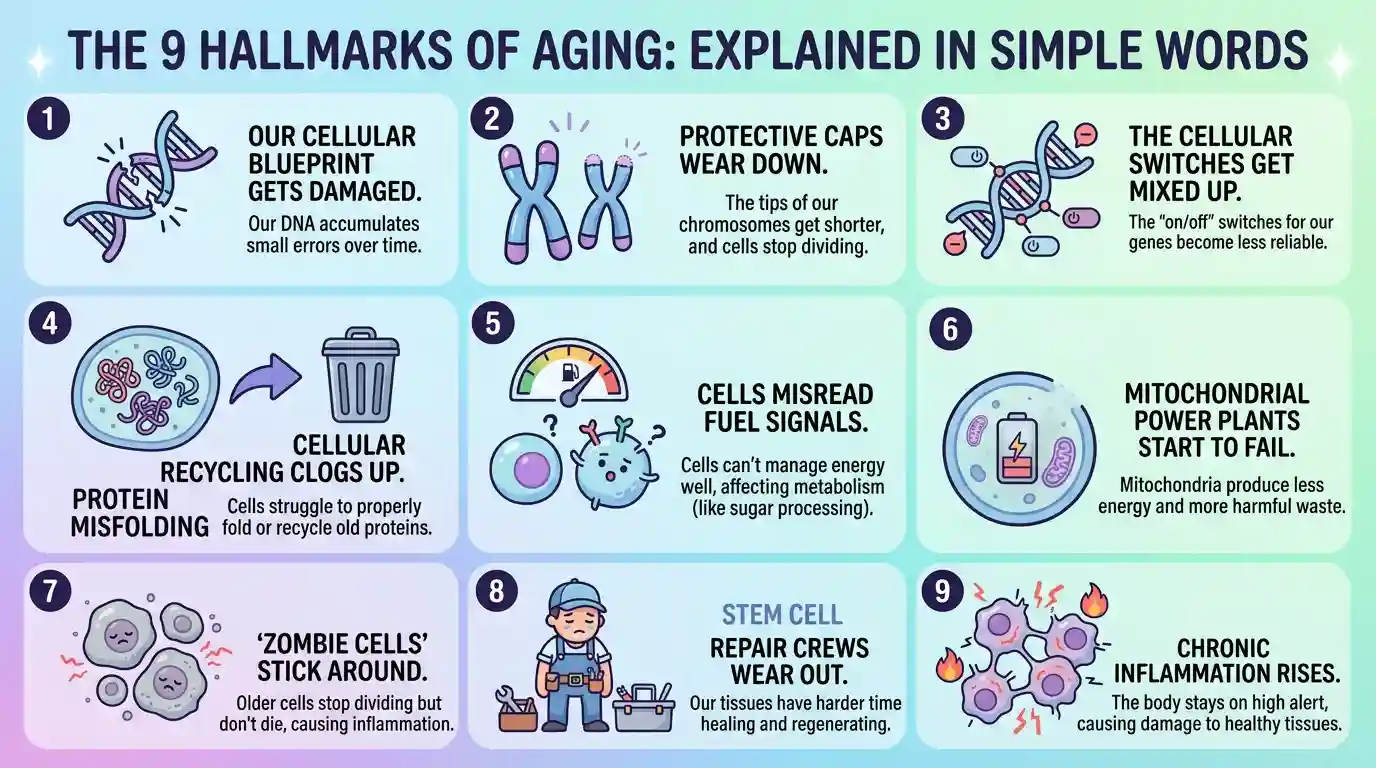
Table of Contents
Hallmarks of Aging are fundamental biological processes that contribute to the aging of our bodies, explaining why we experience changes like reduced energy, slower healing, and an increased susceptibility to age-related diseases. For decades, scientists have puzzled over the complex question of why we age, moving beyond simple theories of wear and tear to uncover the intricate cellular and molecular mechanisms at play. In 2013, a landmark paper introduced nine key hallmarks, providing a comprehensive framework for understanding this complex phenomenon. This framework was further updated in 2023, expanding the list to twelve interconnected processes that collectively drive the aging process at the cellular level. These hallmarks are not isolated events but rather operate in a “vicious cycle,” where issues in one area can trigger problems in others, accelerating cellular dysfunction and overall aging. Understanding these hallmarks offers a roadmap, not just for scientific curiosity, but for developing interventions that can support healthier aging and potentially mitigate the decline we often associate with getting older.
Introduction: Unraveling the Mystery of Aging
Aging is a universal, inevitable process characterized by the gradual decline of physiological functions, leading to increased vulnerability to diseases and a reduced capacity for repair and regeneration. While the outward signs of aging are evident—graying hair, wrinkles, reduced mobility, and cognitive changes—the true drivers of this decline lie deep within our cells and tissues. Scientists have made significant breakthroughs in identifying the core biological mechanisms that underpin these age-related changes, categorizing them into what are now known as the “hallmarks of aging.” These hallmarks represent the fundamental cellular and molecular damage that accumulates over time, transforming healthy cells into less efficient, and sometimes harmful, components of our aging bodies.
The concept of hallmarks of aging helps us understand aging not as a single, uniform process, but as a multifaceted phenomenon driven by a combination of factors. Initially, nine hallmarks were identified, providing a robust scientific framework that has since been widely accepted and cited in research. However, as longevity science continues to evolve, our understanding deepens. In 2023, the original theory was expanded to include three additional hallmarks, bringing the total to twelve. These updates reflect a more comprehensive view of aging, emphasizing the intricate interplay between various cellular processes and offering new targets for interventions aimed at promoting a healthier, longer life. By breaking down these complex scientific concepts into simpler terms, we can better grasp why our bodies change with age and what strategies might be employed to support cellular health.
The Foundational Pillars of Aging: Genetic and Epigenetic Changes
At the very core of our existence is our genetic material, DNA, which acts as the instruction manual for every cell in our body. As we age, this fundamental blueprint, along with its regulatory mechanisms, undergoes significant changes. These alterations lay the groundwork for many downstream aging processes, impacting cellular function, stability, and overall health. Understanding these foundational hallmarks is crucial to grasping the root causes of age-related decline.
Genomic Instability: The Blueprint Under Attack
Imagine your body’s DNA as an incredibly detailed instruction manual that guides every aspect of your cellular life. Throughout your lifetime, this manual is constantly exposed to various threats, both from inside your body (like normal metabolic processes) and from the external environment (such as UV radiation or pollutants). These exposures can cause damage, like typos or missing pages in the instruction manual. While our cells have sophisticated repair systems, these systems become less efficient as we age.
Genomic instability refers to the accumulation of this DNA damage and the errors that occur when it’s imperfectly repaired or not repaired at all. This leads to mutations in our genetic code, which can be likened to permanent errors in the instruction manual. When cells use a damaged blueprint, they may produce faulty proteins or fail to perform their functions correctly. While a few damaged cells aren’t a major problem, their accumulation can compromise the health of tissues and organs, increasing the risk of age-related diseases like cancer and neurodegenerative disorders. Some cells with significant DNA damage may also become “senescent,” which further contributes to aging, as discussed later.
Telomere Attrition: The Fraying Ends of Our Chromosomes
Think of your chromosomes, which contain your DNA, as shoelaces. At the very ends of these shoelaces are protective plastic caps called telomeres. These telomeres don’t carry genetic information but protect the vital DNA instructions from damage during cell division. Every time a cell divides, these telomeres get a little shorter, like the plastic tips fraying with use.
Telomere attrition is the gradual shortening of these protective caps as cells repeatedly divide throughout life. Eventually, telomeres become critically short, signaling to the cell that it can no longer divide safely. At this point, the cell either enters a state of permanent growth arrest (senescence) or triggers programmed cell death (apoptosis) to prevent passing on damaged DNA. While this is a protective mechanism, the widespread shortening of telomeres contributes to the limited regenerative capacity of our tissues and organs, leading to many visible and functional signs of aging, such as thinning hair and slower wound healing.
Epigenetic Alterations: Software Gone Awry
If your DNA is the hardware (the instruction manual), then your epigenome is the software that dictates how and when those instructions are read and implemented. Epigenetic alterations are changes to this software—chemical modifications around your DNA that don’t alter the genetic sequence itself but affect which genes are turned “on” or “off”. These modifications help different cells in your body perform their specialized functions (e.g., a liver cell reading only liver-specific instructions, even though it contains the blueprint for a brain cell).
As we age, these carefully regulated epigenetic patterns can become disrupted or “noisy”. Genes that should be active might get silenced, and genes that should remain silent might become active, much like a computer program glitching. These changes can impair cellular function, lead to the production of incorrect proteins, and contribute to the development of age-related diseases. Factors like diet, lifestyle, environmental toxins, and stress can all influence these epigenetic changes over time, highlighting how external factors contribute to our biological age.
Cellular Energy and Resource Management: Metabolism and Mitochondria
Our cells are miniature factories, constantly working to produce energy, build new components, and maintain their structure. This intricate process of resource management is collectively known as metabolism. As we age, the efficiency of these metabolic processes declines, leading to an imbalance in how cells handle proteins, sense nutrients, and produce energy. These disruptions are crucial hallmarks that impact nearly every aspect of cellular health and function.
Loss of Proteostasis: Protein Management Breakdown
Proteins are the workhorses of our cells, responsible for virtually every function, from building structures to carrying out chemical reactions and transporting molecules. Proteostasis refers to the delicate balance and quality control system that ensures proteins are correctly made, folded into their proper shapes, and, when damaged or no longer needed, efficiently recycled or broken down. Think of it as a factory’s quality control and waste management system, ensuring only functional products are in circulation and defective ones are removed.
As we age, this sophisticated proteostasis network becomes less efficient. Misfolded or damaged proteins begin to accumulate within and outside cells, much like junk piling up in a factory. These protein clumps or “aggregations” can interfere with normal cellular processes and are a defining feature of many age-related neurodegenerative diseases like Alzheimer’s and Parkinson’s. The decline in the ability to manage and clear these faulty proteins severely impacts cellular function and contributes significantly to the aging process.
Deregulated Nutrient Sensing: Misreading the Fuel Gauge
Our cells are constantly monitoring the availability of nutrients—like glucose (sugar) and amino acids (protein building blocks)—to decide whether to grow, divide, or focus on repair and maintenance. This process is called nutrient sensing, and it involves complex pathways that act like internal “fuel gauges”. When nutrients are abundant, cells typically switch to a growth and energy-storage mode. When nutrients are scarce (e.g., during fasting), cells prioritize repair, recycling, and protection, which can slow down aging.
Deregulated nutrient sensing means that as we age, these cellular fuel gauges become faulty. Cells may either become less sensitive to nutrients or get stuck in a “growth” mode even when nutrients aren’t consistently abundant. This leads to an imbalance in how cells utilize and respond to food, contributing to conditions like insulin resistance and metabolic stress. When cells constantly sense an abundance of nutrients, they tend to repair and maintain themselves less effectively, accelerating aging and increasing the risk of various age-related metabolic diseases.
Mitochondrial Dysfunction: The Powerhouse Faltering
Mitochondria are often called the “powerhouses” of our cells because they generate most of the energy (in the form of ATP) needed for all biochemical reactions and cellular functions. They are crucial for keeping everything running smoothly. However, this energy production process also generates byproducts called reactive oxygen species (ROS), which can damage cellular components, including the mitochondria themselves.
Mitochondrial dysfunction refers to the age-related decline in the efficiency and health of these vital organelles. As we get older, mitochondria become less efficient at producing energy and tend to produce more harmful ROS, leading to increased oxidative stress and damage within the cell. Damaged mitochondria can also leak signals that promote inflammation, further exacerbating other hallmarks of aging. This reduction in cellular energy and increase in internal damage significantly impacts overall cellular function, contributing to fatigue, organ decline, and a higher risk of chronic diseases.
| Hallmark of Aging | Simple Explanation | Impact on the Body |
|---|---|---|
| Genomic Instability | Damage to DNA (our cell’s instruction manual) accumulates over time, and repair mechanisms fail. | Increased risk of mutations, cancer, and faulty cell function. |
| Telomere Attrition | Protective caps on chromosome ends shorten with each cell division. | Cells stop dividing, leading to reduced tissue repair and regeneration. |
| Epigenetic Alterations | Changes in how genes are turned on or off, without altering the DNA sequence. | Cells lose their identity and proper function; contributes to disease risk. |
| Loss of Proteostasis | Cells fail to properly manage, fold, and clear damaged or misfolded proteins. | Accumulation of toxic protein clumps; linked to neurodegenerative diseases. |
| Deregulated Nutrient Sensing | Cells lose the ability to accurately sense nutrient levels, impacting growth vs. repair decisions. | Metabolic imbalances, insulin resistance, and faster aging due to reduced repair. |
| Mitochondrial Dysfunction | Mitochondria (cell powerhouses) become less efficient, producing less energy and more harmful byproducts. | Reduced energy, increased oxidative stress, and inflammation; impacts organ function. |
Cellular Health and Renewal: From Senescence to Stem Cells
Beyond the foundational molecular damage and metabolic dysregulation, aging is also profoundly influenced by how our cells manage their own lifecycles, repair processes, and regenerative capacities. These hallmarks address the fate of damaged cells, the dwindling ability to replace worn-out tissues, and the breakdown of cellular cleanup systems, all critical for maintaining tissue health and function.
Cellular Senescence: The Zombie Cells
Normally, when cells become damaged or reach their division limit due to telomere shortening, they undergo programmed cell death (apoptosis) or stop dividing. However, some damaged cells enter a state called cellular senescence. These are often referred to as “zombie cells” because they don’t die, nor do they divide; instead, they linger in tissues, remaining metabolically active.
The problem with senescent cells is that they secrete a mix of inflammatory molecules, enzymes, and growth factors known as the Senescence-Associated Secretory Phenotype (SASP). This “inflammatory cocktail” can harm neighboring healthy cells, promote chronic inflammation, impair stem cell function, and accelerate tissue damage, effectively spreading the aging message throughout the body. The accumulation of these senescent cells is strongly linked to numerous age-related diseases and overall functional decline. Interventions aimed at removing senescent cells (senolytics) are a major area of anti-aging research.
Stem Cell Exhaustion: The Diminishing Repair Crew
Our bodies rely on specialized cells called stem cells to replace worn-out cells, repair damaged tissues, and respond to injury. These stem cells are like a vital repair crew, capable of both making more of themselves (self-renewal) and transforming into various specialized cell types needed for different tissues.
Stem cell exhaustion describes the age-related decline in the number and function of these crucial repair cells. As we age, stem cells become less efficient at dividing, accumulating DNA damage, and losing their ability to differentiate effectively. This means the body’s capacity to repair and regenerate tissues diminishes over time. The consequences are evident in many age-related changes, such as slower wound healing, muscle loss (sarcopenia), bone weakening (osteoporosis), thinning hair, and a weakened immune system. Various other hallmarks, like chronic inflammation and telomere attrition, can also contribute to stem cell exhaustion, creating a detrimental feedback loop.
Impaired Autophagy: The Cellular Recycling Failure
Our cells are constantly engaging in a critical “cleanup” and recycling process called autophagy (meaning “self-eating”). This process involves breaking down and recycling old, damaged, or unnecessary cellular components—like misfolded proteins, worn-out organelles (mini-organs within cells), and even invading pathogens—to maintain cellular health, efficiency, and energy balance. Think of it as the cell’s built-in recycling plant and waste disposal system.
Impaired autophagy is the age-related decline in the efficiency of this vital cellular recycling system. When autophagy doesn’t work correctly, damaged cellular components and waste products begin to accumulate, leading to cellular dysfunction and contributing to other hallmarks of aging, such as loss of proteostasis and mitochondrial dysfunction. This accumulation of cellular “junk” can interfere with normal cellular processes, reduce energy production, promote inflammation, and accelerate the progression of age-related diseases. Boosting autophagy through interventions like intermittent fasting or exercise is an active area of research for healthy aging.
The Wider Impact: Communication, Inflammation, and Molecular Damage
Beyond the internal cellular mechanisms, aging also manifests through broader systemic changes that affect how cells interact, how the immune system functions, and the overall integrity of biological molecules. These hallmarks often arise from the cumulative effects of the primary and antagonistic hallmarks, creating a complex web of interconnected issues that accelerate the aging process throughout the entire organism.
Altered Intercellular Communication: Breaking the Cellular Dialogue
In a healthy body, cells constantly “talk” to each other using chemical signals, hormones, and neurotransmitters. This precise and coordinated communication is essential for maintaining homeostasis—the stable internal environment necessary for all bodily functions, from immune responses to tissue repair. Imagine a highly organized city where all departments communicate flawlessly to keep things running. You can read more about cellular communication and its importance here.
Altered intercellular communication refers to the breakdown and disruption of these vital cellular conversations as we age. The signals become “noisy” or misinterpreted, leading to miscoordination and dysfunction across tissues and organs. For example, the body’s signaling environment often becomes more pro-inflammatory, inhibiting the immune system and contributing to muscle and bone loss. Senescent cells, through their SASP secretions, also contribute significantly to this communication breakdown, further disrupting the cellular dialogue and promoting a pro-aging environment. This hallmark is closely linked to chronic inflammation, immune decline, and various age-related diseases.
Chronic Inflammation (Inflammaging): The Smoldering Fire
Inflammation is a natural and necessary immune response that helps our bodies fight infections and heal injuries. Acute inflammation is a short-term, beneficial process. However, chronic inflammation, often termed “inflammaging,” is a persistent, low-grade inflammatory state that develops with human aging. Unlike acute inflammation, inflammaging operates silently at a cellular level, often without obvious symptoms until it contributes to disease.
This “smoldering fire” of chronic inflammation is characterized by elevated inflammatory markers and an overactive immune system that mistakenly signals something is wrong, even when there isn’t an acute injury or infection. It is fueled by various factors, including senescent cell accumulation, mitochondrial dysfunction, an imbalanced gut microbiome, and persistent DNA damage. Inflammaging interferes with essential bodily processes like mitochondrial energy production, insulin sensitivity, and immune regulation, significantly increasing the risk of nearly every major age-related chronic disease, including heart disease, type 2 diabetes, Alzheimer’s disease, arthritis, and cancer. Addressing chronic inflammation is considered central to preserving healthspan. To learn more about the broader concept of aging, you can visit Wikipedia’s page on aging.
Macromolecular Alterations: Accumulated Damage
While some hallmarks focus on specific types of cellular damage (like DNA mutations or misfolded proteins), macromolecular alterations encompass the broader accumulation of damage to essential biological molecules beyond DNA and proteins. This includes damage to lipids (fats) and carbohydrates, as well as the formation of advanced glycation end products (AGEs), which result from sugars binding inappropriately to proteins and lipids. These alterations impair the function of various cellular components and tissues.
As cells and tissues age, these diverse forms of molecular damage build up. For example, AGEs can stiffen tissues like blood vessels and skin, contributing to conditions like atherosclerosis and wrinkles. This hallmark emphasizes that aging is not just about specific genetic or protein issues but also about a general decline in the quality and integrity of all the large molecules that make up our cells and extracellular environment. This widespread molecular damage creates a less functional and more rigid cellular environment, hindering repair mechanisms and exacerbating other hallmarks of aging, thereby contributing to overall tissue and organ dysfunction.
The Interconnected Web: Why Understanding Hallmarks Matters
It is crucial to recognize that the twelve hallmarks of aging do not operate in isolation. Instead, they form an intricate, interconnected web, constantly influencing and exacerbating one another in a “vicious cycle” that drives the aging process. For example, genomic instability can lead to cellular senescence, and these senescent cells then release inflammatory signals that disrupt intercellular communication and contribute to chronic inflammation. This chronic inflammation, in turn, can further damage DNA, impair mitochondrial function, and deplete stem cell reserves, creating a cascade of decline.
Similarly, impaired autophagy contributes to the loss of proteostasis by failing to clear damaged proteins, while mitochondrial dysfunction can lead to increased oxidative stress that damages macromolecules and further disrupts cellular balance. The cumulative effect of these interconnected dysfunctions is the progressive breakdown of our bodies at multiple levels, from individual cells to entire organ systems. Understanding this interconnectedness is vital because it suggests that interventions targeting just one hallmark might have limited impact if other contributing factors are not also addressed. A holistic approach that tackles multiple hallmarks simultaneously is likely to be more effective in promoting healthy aging. Further research into how these hallmarks interact is shedding light on more effective strategies for healthspan extension. You can explore more about advanced cellular processes on this topic page.
Conclusion: Charting a Course for Healthier Aging
The journey through the hallmarks of aging reveals that the process of growing older is far more complex than a simple passage of time. It is a sophisticated dance of cellular and molecular changes, encompassing genetic damage, metabolic imbalances, and disruptions in cellular maintenance and communication. The identification and refinement of these twelve hallmarks—from genomic instability to chronic inflammation and macromolecular alterations—provide scientists with an unprecedented roadmap to understand the fundamental drivers of age-related decline.
By unraveling these intricate mechanisms, researchers are not just explaining why we age but are also uncovering potential targets for interventions. Each hallmark represents an opportunity for therapeutic strategies aimed at slowing, stopping, or even reversing aspects of the aging process. While much research is still underway, the insights gained from studying the hallmarks of aging are already informing lifestyle recommendations and the development of novel treatments designed to extend not just lifespan, but more importantly, “healthspan”—the period of life spent in good health and free from chronic disease. The future of healthy aging lies in our continued ability to understand and intelligently intervene in these fundamental biological processes, paving the way for a healthier and more vibrant later life for everyone.