6 Common Old Age Health Challenges & Wellness Tips to Overcome Them
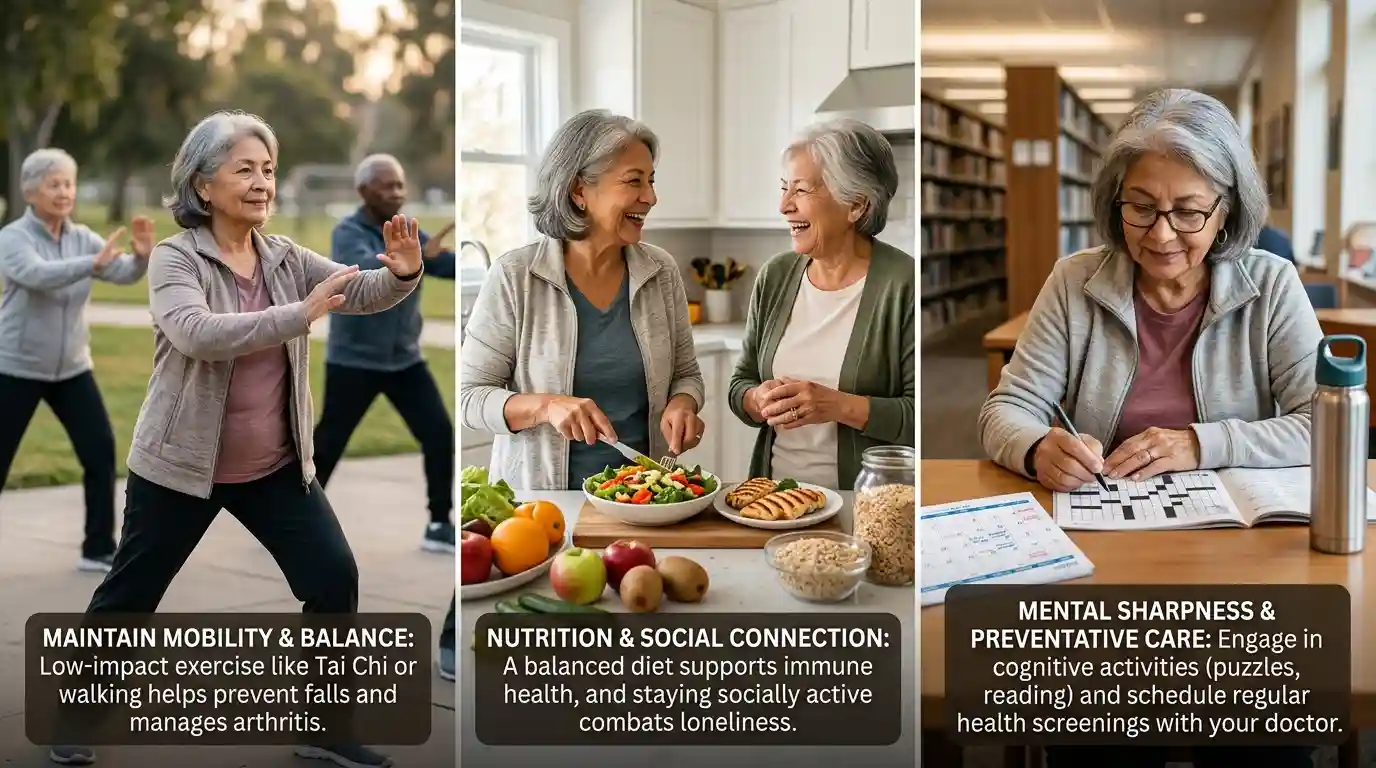
Table of Contents
Old Age Health Challenges are a significant concern globally, as the population of older adults continues to grow. While aging is a natural process accompanied by various physiological changes, it also brings a heightened susceptibility to a range of health issues. Understanding these challenges and proactively adopting wellness strategies is crucial for ensuring a high quality of life during one’s golden years. This comprehensive article delves into the multifaceted health concerns that commonly affect older adults and provides practical, evidence-based wellness tips to promote healthy and fulfilling aging.
Understanding the Landscape of Aging
Aging is characterized by the gradual accumulation of molecular and cellular damage over time, leading to a decrease in physical and mental capacity and an increased risk of disease. These changes are not always linear or consistent among individuals, highlighting the diversity in older age. Beyond biological shifts, aging often coincides with significant life transitions such as retirement, relocation, and the loss of loved ones, all of which can impact overall well-being.
The global population is rapidly aging, with the number of people aged 80 years or older projected to more than triple between 2023 and 2060, reaching 545 million. This demographic shift underscores the increasing importance of addressing age-related health challenges and promoting healthy aging strategies.
Common Physical Health Challenges in Old Age
As individuals age, their bodies become more susceptible to various physical health problems. Several conditions are particularly prevalent among seniors and can significantly impact their quality of life.
- Cardiovascular Diseases: Heart disease remains the leading cause of death among individuals aged 65 and older. The risk of heart attack, stroke, heart valve problems, and heart failure increases with age. Factors like high cholesterol, high blood pressure (hypertension), atherosclerosis, and diabetes contribute to heart damage over time.
- Arthritis and Osteoporosis: By the time a person reaches their 60s, they often face common age-related conditions like osteoporosis and arthritis. Arthritis, an inflammation of the joints causing pain and stiffness, affects nearly half of all seniors. Osteoporosis is a process where bones thin, lose density, and become fragile, making them prone to fractures. Women are particularly susceptible to this bone weakening.
- Diabetes: Type 2 diabetes is prevalent in seniors, often developing without noticeable symptoms. Approximately 33% of Americans over 65 are affected by diabetes. Managing blood sugar levels is crucial, as seniors are more vulnerable to diabetes-related complications like hypoglycemia, kidney failure, and heart disease.
- Sensory Impairments: Vision and hearing are two primary senses affected by age. Eyesight can diminish around age 40 for many, with conditions like presbyopia, cataracts, glaucoma, and macular degeneration becoming more common. Hearing loss affects roughly one-third of people aged 65 to 74, and nearly half of those 75 and older.
- Chronic Obstructive Pulmonary Disease (COPD): About 12% of older adults aged 65 and over have COPD, which includes emphysema and chronic bronchitis, making breathing difficult.
- Falls and Mobility Issues: Falls are a significant concern for seniors, often leading to serious injuries, hospitalization, and a prolonged recovery period. The fear of falling can also impact an older adult’s confidence and mobility.
- Dental Health: Older adults can experience tooth decay and cavities as enamel wears down. Dry mouth, a side effect of many medications, can also increase cavity risk. Oral cancers become more common with age.
Navigating Mental and Emotional Wellness
Mental health concerns are not a normal part of aging but are increasingly prevalent in older adults. Around 14.1% of adults aged 70 and over live with a mental disorder. Depression and anxiety are among the most common mental health conditions for older adults.
- Depression: Depression is the most prevalent mental health problem among older adults. It is associated with distress, suffering, and can lead to impairments in physical, mental, and social functioning. Chronic illnesses like diabetes, heart disease, and cancer can increase the risk of depression.
- Anxiety: Severe anxiety can disrupt daily functioning and lead to a lower quality of life. Both anxiety and depression are often underrecognized and undertreated in older populations, partly due to the stigma surrounding mental health conditions.
- Dementia and Cognitive Decline: Dementia, particularly Alzheimer’s disease, is the most common mental disorder affecting older persons, negatively impacting memory, thinking, and reasoning abilities. Cognitive decline can also be exacerbated by social isolation.
- Substance Use Disorders: Older adults may develop substance use disorders, sometimes as a coping mechanism for physical pain or emotional distress.
The Impact of Social and Environmental Factors
Beyond biological and psychological changes, social and environmental factors play a significant role in the health and well-being of older adults.
- Social Isolation and Loneliness: Social isolation and loneliness are critical public health issues for seniors. Factors such as reduced mobility, difficulty with transportation, and the loss of friends and family can lead to decreased social interaction. Socially isolated older adults face a 29% increased risk of early mortality, comparable to rates associated with smoking and obesity. Strong social connections are vital for preventing loneliness, depression, and anxiety, and for supporting cognitive and psychological health.
- Ageism: Older people are often subjected to ageism, which can manifest as lowered expectations, reduced opportunities, and the assumption that they are no longer contributors to society. This can significantly affect mental health, motivation, and a sense of purpose.
- Financial Insecurity: Many older adults face financial insecurity, as savings may need to stretch further due to increased life expectancy and rising healthcare costs. This can lead to difficult choices between essential needs like food, medication, and housing.
- Caregiving Responsibilities: Many older people are caregivers for spouses with chronic health conditions, which can be overwhelming and impact their own mental health.
Pillars of Wellness: A Holistic Approach
Maintaining wellness in old age requires a holistic approach that integrates physical activity, balanced nutrition, cognitive engagement, and robust social connections. Proactive health measures and lifestyle adjustments can significantly improve quality of life and potentially mitigate many age-related challenges.

Nutrition for Healthy Aging
Proper nutrition is a cornerstone of health at any age, but it becomes even more critical for seniors. Nutritional needs change as people age, often requiring fewer calories but a continued or increased need for nutrient-dense foods.
| Nutrient/Focus Area | Importance for Seniors | Food Sources/Tips |
|---|---|---|
| Protein | Helps combat age-related muscle wasting (sarcopenia) and supports muscle maintenance. More than 1 in 3 people over 50 don’t meet daily protein needs. | Fish, poultry, eggs, beans, tofu, lean meats. |
| Calcium & Vitamin D | Key for healthy bones and preventing osteoporosis. Older adults have higher calcium needs; Vitamin D helps the body absorb calcium. | Low-fat dairy, leafy greens, fortified cereals (Calcium). Fatty fish, fortified milk/cereals, sunlight (Vitamin D). |
| Fiber | Supports digestion, heart health, and helps prevent constipation. | Whole grains, fruits, vegetables, beans, nuts, seeds. |
| Vitamin B12 | Plays a major role in energy and brain function. Bodies are less able to absorb it with age. | Seafood, meat, dairy, eggs, fortified breakfast cereals. |
| Hydration | Crucial for digestion, nutrient absorption, and temperature regulation. Sense of thirst may decline with age. | Drink plenty of water and unsweetened beverages. |
| Balanced Diet | Supports immunity, energy, and reduces risk of chronic diseases. Focus on nutrient-dense foods. | Variety of colorful fruits and vegetables, whole grains, lean proteins, healthy fats. Avoid empty calories, saturated/trans fats, and excessive sodium/sugar. |
Dietary guidelines suggest that women 60 and older need between 1,600 and 2,200 calories per day, and men in this age group require 2,000 to 2,600 calories daily, emphasizing nutrient-dense foods. The Mediterranean-style eating pattern and the DASH diet (Dietary Approaches to Stop Hypertension) are often recommended for their benefits in promoting overall and heart health.
The Role of Physical Activity
Regular physical activity is vital for maintaining physical function, preserving cognition, and reducing the risk of chronic diseases in older adults. It helps maintain mobility, strength, balance, and cardiovascular fitness. The U.S. Department of Health and Human Services recommends at least 150-300 minutes per week of moderate-intensity aerobic exercise, or 75-150 minutes per week of vigorous-intensity aerobic exercise for older adults.
A well-rounded exercise plan for seniors should include a mix of:
- Aerobic Activity: Brisk walking, swimming, cycling, dancing, or water aerobics. This boosts endurance and cardiovascular health.
- Muscle-Strengthening Activities: Working with resistance bands, lifting light weights, or bodyweight exercises (e.g., modified push-ups, sit-ups). These help protect against muscle loss and support bone health. The CDC recommends muscle-strengthening activities at least two days a week, focusing on all major muscle groups.
- Balance Exercises: Tai chi, yoga, or standing on one foot. These improve balance and significantly reduce the risk of falls.
- Flexibility Exercises: Regular stretching and yoga. These enhance joint range of motion and reduce stiffness.
Even small amounts of activity are better than none, and it’s important to build up slowly. Consulting a doctor before starting any new exercise regimen is crucial, especially for those with underlying health conditions.
Cognitive Engagement and Mental Stimulation
Keeping the mind sharp is as important as physical activity for healthy aging. Mental stimulation can help slow cognitive decline and support overall mental health. Engaging in activities that challenge the brain helps to strengthen neural connections and promote mental agility.
Tips for cognitive engagement include:
- Reading books and newspapers.
- Solving puzzles (crosswords, Sudoku, jigsaws).
- Learning new skills or hobbies (e.g., a new language, an instrument, painting).
- Engaging in stimulating conversations.
- Playing strategy games.
- Volunteering in the community, which combines social and cognitive benefits.
Maintaining social connections is also crucial for cognitive health, as it stimulates the brain and reduces the risk of cognitive decline and dementia.
Preventive Healthcare and Regular Check-ups
Preventive healthcare is essential for seniors, focusing on early detection and prevention of health issues before they become serious. Regular check-ups and screenings are a cornerstone of healthy aging, helping to manage chronic conditions and identify silent health risks.
Key preventive services for older adults include:
- Annual Wellness Exams: Comprehensive evaluations that assess various aspects of health, including blood pressure, weight, blood sugar, and cholesterol levels.
- Vaccinations: Annual flu shots, pneumococcal vaccines (for pneumonia), and shingles vaccines are highly recommended for seniors, as they are at higher risk for complications from these illnesses.
- Cancer Screenings: Regular screenings for breast, colorectal, and prostate cancers, as recommended by a healthcare provider based on age and risk factors.
- Blood Pressure and Cholesterol Checks: Regular monitoring helps detect and manage hypertension and high cholesterol, major risk factors for heart disease.
- Diabetes Screening: Important for early detection of Type 2 diabetes.
- Bone Density Tests: Especially important for women aged 65 and older to screen for osteoporosis.
- Vision and Hearing Tests: Regular screenings are crucial to catch age-related sensory impairments early, as they can affect quality of life and even cognitive function.
- Dental Check-ups: Regular dental visits are important for preventing cavities, gum disease, and detecting oral cancers early.
Self-management of chronic illnesses, which often involves lifestyle changes, adherence to medication, and active communication with healthcare providers, is also a critical component of preventive care. Building a trusted care team, keeping a health notebook, and understanding care plans can empower older adults to manage their health effectively.
For more detailed information on preventive healthcare for seniors, resources like the Centers for Disease Control and Prevention (CDC) provide valuable guidelines and recommendations: CDC Older Adults: Chronic Disease Indicators.
Conclusion
Aging gracefully involves acknowledging and proactively addressing the health challenges that come with advancing years. From managing chronic physical conditions like arthritis, heart disease, and diabetes to nurturing mental and emotional well-being and maintaining robust social connections, a holistic approach is paramount. By embracing a lifestyle rich in balanced nutrition, regular physical activity, continuous cognitive engagement, and consistent preventive healthcare, older adults can significantly enhance their quality of life. The journey through old age can be one of continued independence, purpose, and vitality when armed with knowledge and a commitment to wellness.