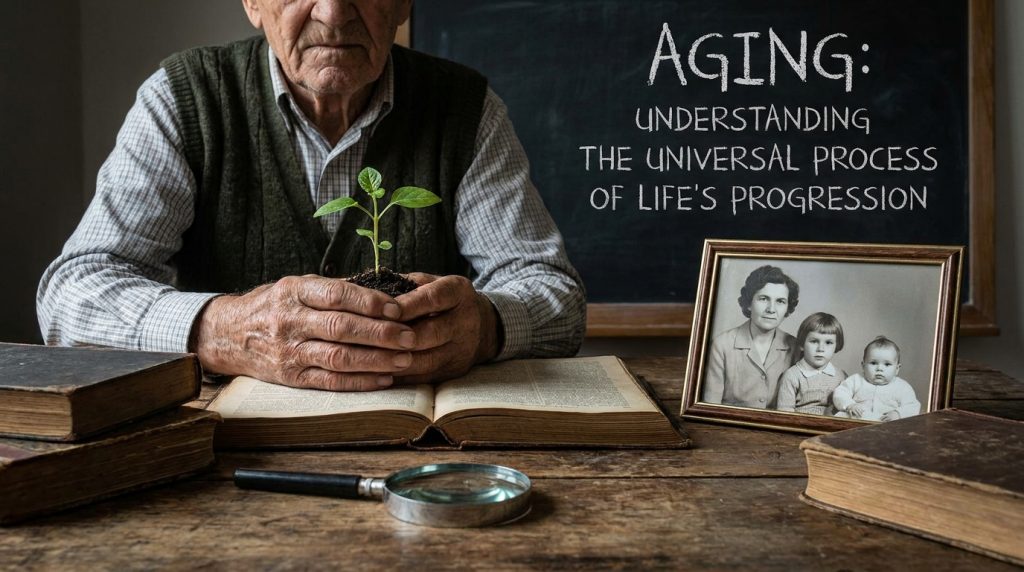
Aging: 10Understanding the Universal Process of Life’s Progression
Table of Contents
Table of Contents
- The Biological Underpinnings of Aging: Cellular and Molecular Mechanisms
- Factors Shaping the Aging Experience: Genetics, Lifestyle, and Environment
- The Broad Impact of Aging: Health, Mind, and Society
- Nurturing Longevity: Strategies for Healthy Aging
- The Horizon of Aging Research: Innovations and Future Prospects
- Conclusion
Aging is a complex and universal process that every living organism capable of senescence undergoes, marking the sequential and progressive changes that occur throughout a lifespan. It represents the accumulation of changes in a human being over time, encompassing physical, psychological, and social transformations that collectively define the journey of becoming older. Far from being a simple chronological count of years since birth, aging is a biological phenomenon characterized by a gradual decline in biological functions, an increased susceptibility to disease, and ultimately, an elevated risk of debility and death. This multifaceted process is influenced by an intricate interplay of genetic predispositions, environmental exposures, and lifestyle choices, manifesting differently in each individual. Understanding aging goes beyond merely observing its outward signs, delving into the intricate molecular and cellular mechanisms that drive these changes, as well as the broader societal implications of an increasingly older global population.
The Biological Underpinnings of Aging: Cellular and Molecular Mechanisms
The core of the aging process lies within our cells and molecules. Biologically, aging is driven by a series of interconnected mechanisms that lead to a gradual loss of cellular function and the systemic deterioration of multiple tissues. One of the most widely recognized hallmarks is telomere shortening. Telomeres are protective caps at the ends of chromosomes that safeguard genetic material. Each time a cell divides, telomeres shorten, acting as a biological clock. Once they reach a critical length, the cell enters a state of senescence, where it can no longer divide.
Cellular senescence, often referred to as “zombie cells,” describes cells that have ceased dividing but resist programmed cell death (apoptosis). These senescent cells accumulate in tissues as we age, secreting inflammatory compounds that can damage surrounding healthy tissue and contribute to various age-related conditions, from wrinkles to chronic diseases. The accumulation of these cells significantly impacts the overall aging process.
Another critical mechanism is genomic instability, which refers to the accumulation of damage at the molecular and cellular level, particularly to our DNA. Our genetic material is constantly under assault from external and internal factors, and while young organisms can efficiently repair this damage, this ability declines with age. This includes DNA mutations, stress, and a decline in DNA repair mechanisms, leading to instability in the human genome.
Mitochondrial dysfunction is also a significant contributor to aging. Mitochondria are the powerhouses of our cells, responsible for energy production. As we age, their efficiency declines, and they may produce more harmful reactive oxygen species, contributing to oxidative damage. Other key molecular mechanisms involved in the aging process include the loss of proteostasis (the ability of proteins to maintain quality and fold correctly), epigenetic alterations (changes in gene expression without altering the DNA sequence), deregulated nutrient sensing, altered intercellular communication, and the exhaustion of stem cells, which diminishes the body’s capacity for tissue repair and regeneration.
Factors Shaping the Aging Experience: Genetics, Lifestyle, and Environment
While biological mechanisms lay the groundwork for aging, the rate and quality of this process are profoundly influenced by a complex interplay of genetic, lifestyle, and environmental factors. It is widely accepted that genetics account for a smaller portion of longevity, typically no more than about 20%. While certain genetic variations can predispose individuals to longevity or specific age-related diseases, external influences hold greater weight in determining how long and how well people live.
Lifestyle choices emerge as the most impactful levers for healthy aging, accounting for a substantial 80% of factors influencing longevity. These include:
- Diet and Nutrition: A balanced diet, particularly one high in processed foods and refined sugars, can promote inflammation and metabolic dysfunction, accelerating cellular deterioration. Conversely, healthy eating habits contribute to better overall health. Caloric restriction, for instance, has been observed to increase the lifespan in various species and is a well-researched anti-aging strategy.
- Physical Activity: Regular exercise is considered the most powerful intervention for both health and appearance. It enhances mitochondrial function, muscle strength, and cardiovascular efficiency, reducing aging’s impact. Sedentary lifestyles, on the other hand, contribute to accelerated biological aging.
- Sleep: Quality sleep is crucial for regulating immunity, hormones, and cellular repair. Chronic lack of rest accelerates aging and slows recovery.
- Stress Management: Chronic stress elevates cortisol levels, impairs collagen synthesis, and disrupts glucose balance, visibly accelerating biological aging over time.
- Avoiding Harmful Habits: Smoking and excessive alcohol consumption are detrimental to health and accelerate aging.
Environmental factors also play a significant role. These encompass access to healthcare, the availability of healthy foods, and exposure to air pollution, chemicals, and toxins. Improvements in public health, such as sanitation and vaccinations, have dramatically extended average lifespans, especially by reducing premature deaths.
Furthermore, life circumstances like social support, socioeconomic status, and education levels can influence how long and how well people live. Social inequalities are linked to poorer health outcomes in older adults, highlighting the broader societal determinants of healthy aging.
The Broad Impact of Aging: Health, Mind, and Society
The progressive changes associated with aging extend far beyond the cellular level, manifesting as tangible impacts on an individual’s physical and cognitive health, psychological well-being, and broader societal structures. In terms of physical health, aging is the main risk factor for numerous chronic diseases, including cardiovascular disease, diabetes, neurodegenerative diseases, and various forms of cancer. As people age, cells lose their ability to divide, increasing the likelihood of experiencing fine lines and wrinkles, decreased eyesight and hearing, and the emergence of age-related health conditions. The heart and blood vessels thicken and stiffen, and blood vessels narrow, reducing blood flow and increasing the risk for conditions like high blood pressure and heart failure.
Cognitive decline is another common aspect of aging, though its severity varies greatly among individuals. While general knowledge and wisdom may increase, reaction time may slow, and some individuals may experience forgetfulness, reduced attention span, or mild memory loss. Conditions like dementia and Alzheimer’s disease become more prevalent with age, posing significant threats to cognitive health. However, maintaining physical health, engaging in mental activities, and pursuing education can mitigate these effects.
The psychological aspects of aging are equally profound. Individuals often experience shifts in identity and self-perception, especially after retirement, which can lead to questions of purpose and self-acceptance. The loss of loved ones, physical abilities, or independence can lead to grief and a struggle to come to terms with mortality. Feelings of loneliness and isolation can arise as social networks shrink, which are significant risk factors for mental health issues like depression and anxiety in older adults. Despite these challenges, many older adults develop better emotional regulation, leading to increased happiness and a more positive outlook on life.
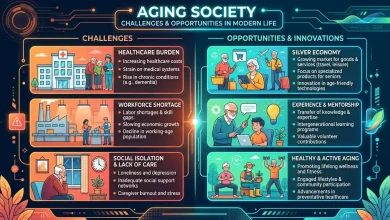
From a societal perspective, population aging—the increase in the number and proportion of older people—is one of the most significant demographic changes of the 21st century. This demographic shift is influenced by longer life expectancy and decreased birth rates. It has substantial implications for public policy and planning, particularly concerning healthcare systems, pension schemes, and social support networks. Societies face the challenge of providing adequate care and resources for a growing older population, emphasizing the need for robust public health strategies that promote healthy aging and improve the quality of life for older individuals.
Nurturing Longevity: Strategies for Healthy Aging
With a deeper understanding of aging’s complexities, research and practical interventions are increasingly focused on promoting healthspan—the period of life spent in good health—rather than merely extending lifespan. A holistic approach combining lifestyle modifications with emerging scientific advancements offers the most promising path towards healthy aging.
Lifestyle interventions remain foundational. As highlighted earlier, diet and nutrition, physical activity, adequate sleep, and effective stress management are critical. Caloric restriction, or its modern adaptation, intermittent fasting, has shown promise in extending longevity in various species by affecting metabolic and cellular signaling pathways. Physical exercise enhances mitochondrial function, muscle strength, and cardiovascular health, directly combatting age-related declines. Prioritizing sleep regulates immunity and cellular repair, while stress reduction improves overall well-being and visibly impacts aging.
Beyond lifestyle, the field of anti-aging research is rapidly advancing, exploring various pharmacological and biotechnological strategies. These interventions aim to target the fundamental mechanisms of aging at a cellular and molecular level.
| Strategy | Mechanism of Action | Current Status/Promise |
|---|---|---|
| Caloric Restriction/Intermittent Fasting | Reduces caloric intake (10-30%) or limits eating windows; affects cellular metabolism and signaling pathways associated with longevity. | Proven to extend lifespan in various species; human clinical trials underway, but adherence can be challenging. |
| Senolytics | Drugs that selectively eliminate senescent (“zombie”) cells. | Shown to extend lifespan and improve health in aged mice; currently being tested for beneficial effects in humans. |
| NAD+ Precursors | Boost levels of Nicotinamide Adenine Dinucleotide (NAD+), a coenzyme crucial for cellular energy and repair. | Research suggests potential for improving metabolic function and mitigating age-related decline. |
| mTOR Inhibitors | Target the mammalian target of rapamycin (mTOR) signaling pathway, which links nutrient sensing to cell growth and proliferation. | Demonstrated to prolong healthy lifespan in animal models; potential “caloric restriction mimetics.” |
| Autophagy Enhancers | Stimulate autophagy, the body’s natural process for clearing out damaged cells and recycling cellular components. | Strong evidence suggests involvement in aging process; stimulating autophagy increases lifespan in model organisms. |
| Stem Cell Therapy | Utilizes stem cells to repair and regenerate damaged tissues and organs. | Promising approach for enhancing tissue regeneration and combating age-related functional loss. |
Senolytics, for example, are a class of drugs designed to selectively kill senescent cells, which accumulate with age and contribute to inflammation and tissue damage. Early studies in mice have shown that removing these cells can improve health and extend lifespan, leading to ongoing human trials. Other strategies include enhancing autophagy, a cellular process for clearing damaged components, and using NAD+ precursors or mTOR inhibitors to modulate metabolic pathways linked to longevity.
It’s important to differentiate between scientifically supported approaches and unproven remedies. The objective of current research is to develop safe and effective interventions that truly impact aging biology, moving beyond traditional disease-focused treatments to address the root causes of aging.
The Horizon of Aging Research: Innovations and Future Prospects
The future of aging research is characterized by rapid advancements and a paradigm shift towards understanding and intervening in the underlying mechanisms of aging itself, rather than merely treating age-related diseases. Scientists are unlocking the secrets of longevity with breakthroughs in genetic science, cellular regeneration, and anti-aging therapies. This burgeoning field is attracting significant investment from various sectors, signaling a collective commitment to extending healthy human life.
One area of intense focus is personalized medicine, where interventions can be tailored to an individual’s unique genetic makeup and biological aging profile. Researchers are developing innovative treatments to slow aging, improve overall health, and extend human healthspan. The integration of artificial intelligence (AI) and nanotechnology holds immense potential. Imagine tiny nanobots programmed to repair cellular damage at the molecular level, remove harmful substances, and deliver drugs directly to specific cells, combating aging from the inside out.
Breakthroughs in areas like epigenetics are also providing new avenues. Our genes are regulated by epigenetic processes that can deteriorate with aging, and interventions targeting these processes, such as certain natural substances or inhibitors of epigenetic enzymes, are being explored for their potential to promote longevity.
The scientific community is increasingly emphasizing a global collaborative effort, exemplified by initiatives like the UN Decade of Healthy Ageing. The goal is to identify interventions that can extend healthspan and improve the quality of life for older individuals worldwide. This involves not only developing new therapies but also ensuring that public understanding aligns with scientific realities, distinguishing between validated interventions and speculative claims. To learn more about the scientific exploration of aging and longevity, you can refer to authoritative sources such as Wikipedia’s comprehensive article on Ageing.
Ultimately, the aim is to move towards a future where living a longer, healthier life, possibly even into advanced ages like 140, becomes a more widespread reality. This involves a continuous interplay between understanding the complex biology of aging, developing targeted interventions, and promoting lifestyle choices that support long-term health and vitality. The advancements in aging research promise not just more years, but more years of vibrant, active life.
Conclusion
Aging, an inevitable yet profoundly adaptable journey, transcends mere chronological progression. It is a intricate dance of biological decay, psychological adaptation, and societal evolution. From the microscopic changes in telomeres and the accumulation of senescent cells to the broader impacts on physical health, cognitive function, and mental well-being, the process is shaped by a confluence of genetic predispositions, environmental factors, and most significantly, our lifestyle choices. While the challenges of an aging population are substantial, a growing body of scientific research is illuminating pathways not just to extend life, but to enrich healthspan—the duration of life spent in good health. Through ongoing advancements in areas like senolytics, stem cell therapy, and personalized medicine, coupled with a renewed emphasis on preventative lifestyle measures, humanity stands at the cusp of a transformative era in which the latter stages of life may be characterized by sustained vitality and a profound sense of purpose.