7 Essential Elderly Care Tips for Healthy & Comfortable Living
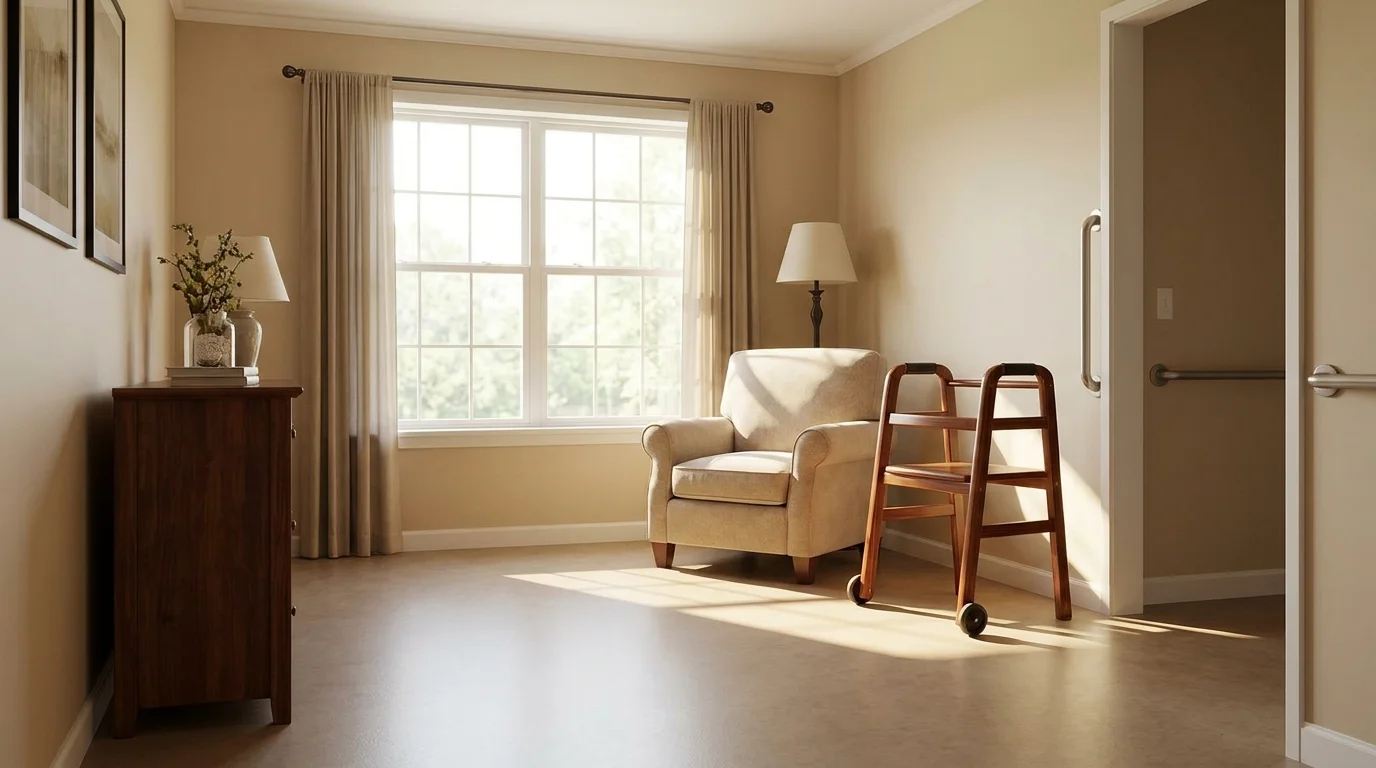
Table of Contents
Elderly Age Care Tips are essential for ensuring that our senior loved ones experience their golden years with dignity, comfort, and good health. As individuals age, their needs evolve, encompassing a range of physical, emotional, social, and practical considerations. A holistic approach to elder care is not merely about managing ailments but about fostering an environment that promotes overall well-being and enhances quality of life. This comprehensive guide will delve into various aspects of elderly care, offering practical advice and actionable tips to help seniors lead fulfilling and comfortable lives, whether they reside independently, with family, or in assisted living facilities.
Prioritizing Physical Health: A Foundation for Longevity
Maintaining physical health is paramount for seniors. Regular medical supervision, proactive management of chronic conditions, and an emphasis on mobility can significantly impact their comfort and independence. It’s not just about curing illnesses but preventing them and managing symptoms effectively to reduce discomfort.
Regular Medical Check-ups and Screenings
Consistent engagement with healthcare providers is non-negotiable for older adults. Annual physicals, eye exams, dental check-ups, and hearing tests are crucial for early detection and intervention of potential health issues. Seniors should also adhere to recommended screenings for conditions like osteoporosis, colon cancer, breast cancer, and prostate cancer, as these become more prevalent with age. Maintaining an up-to-date vaccination schedule, including the flu shot and pneumonia vaccine, is also vital for preventing common infections that can be more severe in older individuals.
Gentle Exercise and Mobility
Physical activity is a cornerstone of healthy aging, contributing to muscle strength, bone density, flexibility, and cardiovascular health. Even gentle exercises can make a significant difference. Activities such as walking, swimming, chair yoga, tai chi, or light stretching can improve balance, reduce the risk of falls, and alleviate joint pain. It’s important to consult a doctor before starting any new exercise regimen to ensure it’s appropriate for the individual’s current health status. Consistency is key, and even short bursts of activity throughout the day can accumulate to beneficial levels.
Medication Management
Many seniors take multiple medications, which can lead to complex regimens and potential drug interactions. Effective medication management is critical to prevent errors and ensure treatments are effective. Tips include using pill organizers, maintaining an updated list of all medications (including over-the-counter drugs, supplements, and herbal remedies) and their dosages, and regularly reviewing this list with a doctor or pharmacist. Understanding the purpose of each medication and its potential side effects can empower seniors and their caregivers to manage their health more safely.
Nurturing Mental and Emotional Well-being
The mental and emotional health of seniors is just as important as their physical health. Feelings of isolation, loss, or a decline in cognitive function can significantly impact their quality of life. Addressing these aspects proactively is crucial for comprehensive elderly care.
Combating Loneliness and Isolation
Loneliness is a significant concern for many seniors, often exacerbated by the loss of loved ones, reduced mobility, or living far from family. Encouraging social interaction is vital. This can involve regular visits from family and friends, participation in community groups, volunteering, or engaging in intergenerational activities. Technology, such as video calls and social media, can also play a role in connecting seniors with distant relatives and friends, reducing feelings of isolation.
Engaging in Hobbies and Mental Stimulation
Keeping the mind active is essential for cognitive health. Encouraging seniors to pursue hobbies they enjoy or learn new skills can provide mental stimulation and a sense of purpose. Activities like reading, puzzles, games, creative arts, gardening, or learning a new language can help maintain cognitive function and memory. These activities also provide a sense of accomplishment and enjoyment, contributing positively to emotional well-being.
Addressing Depression and Anxiety
Depression and anxiety are not normal parts of aging but are common among older adults. Symptoms may be subtle or mistaken for other conditions. It’s important to be aware of signs such as persistent sadness, loss of interest in activities, changes in sleep or appetite, and increased irritability. Professional help from a doctor or therapist is crucial for diagnosis and treatment. Support groups can also provide a safe space for seniors to share experiences and coping strategies.
Optimal Nutrition and Hydration: Fueling Healthy Aging
Good nutrition and adequate hydration are fundamental to maintaining health and energy levels in older adults. Nutritional needs can change with age, making it important to adapt dietary habits.
Balanced Diet Considerations
A balanced diet rich in fruits, vegetables, whole grains, lean proteins, and healthy fats is crucial. Seniors may need fewer calories due to decreased activity levels, but their nutrient requirements often remain high or even increase for certain vitamins and minerals, such as calcium, vitamin D, and B12. Limiting processed foods, excessive sugar, and unhealthy fats can help prevent chronic diseases and maintain a healthy weight. Consulting a dietitian can be beneficial for tailoring a diet plan to individual needs, especially for those with specific health conditions like diabetes or heart disease.
Staying Hydrated
Dehydration is a common and serious problem among seniors, often due to a decreased sense of thirst or side effects of medications. Adequate fluid intake is vital for kidney function, digestion, and preventing constipation. Encouraging regular sips of water throughout the day, offering flavored water, diluted juices, or herbal teas can help. Foods with high water content, like fruits and vegetables, also contribute to hydration.
Ensuring a Safe and Accessible Home Environment
The home environment plays a critical role in a senior’s safety, independence, and comfort. Modifications and precautions can significantly reduce risks, particularly falls, which are a leading cause of injury among older adults.
Fall Prevention Strategies
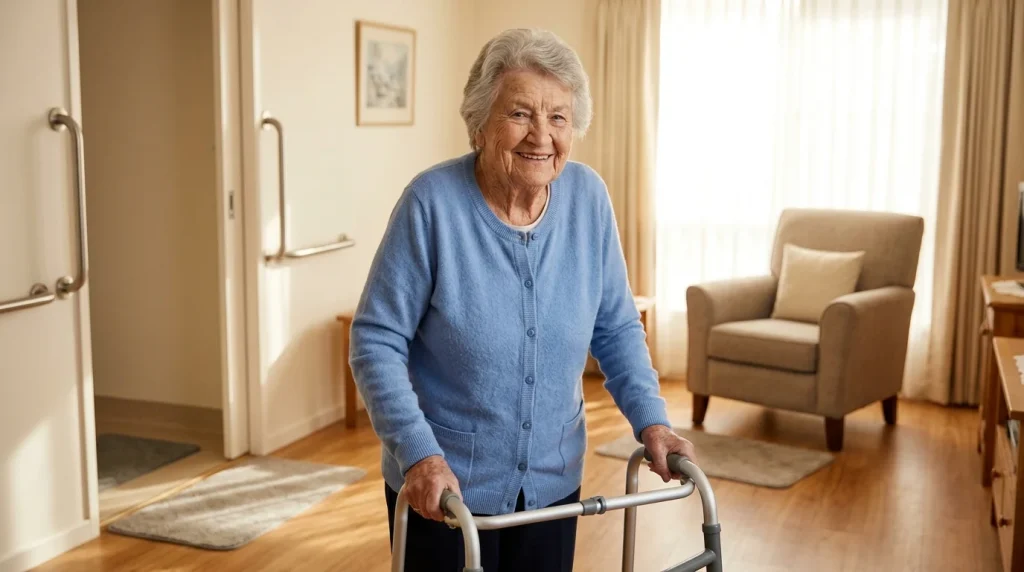
Falls can have devastating consequences for seniors, leading to fractures, head injuries, and a loss of independence. Implementing fall prevention strategies at home is essential. This includes removing tripping hazards like loose rugs and clutter, ensuring adequate lighting, installing grab bars in bathrooms, and using non-slip mats. Handrails on both sides of staircases and assistive devices like walkers or canes, if needed, can also enhance safety. Regular vision checks are also important, as poor eyesight can contribute to falls.
Home Modifications
Beyond immediate fall prevention, making a home more accessible can greatly improve a senior’s quality of life. This might involve widening doorways, installing ramps, lowering countertops, or making bathrooms more user-friendly with elevated toilet seats and walk-in showers. Smart home technology, such as voice-activated lights or emergency alert systems, can also provide greater independence and peace of mind.
Emergency Preparedness
Having an emergency plan in place is crucial for seniors. This includes easy access to emergency contact information, knowing how to reach help quickly (e.g., through a medical alert system), and having a well-stocked emergency kit. Family members and caregivers should also be aware of the plan and know where important documents and medications are located.
| Common Home Hazards for Seniors | Prevention/Solution | Benefit |
|---|---|---|
| Loose rugs and cluttered pathways | Remove rugs, secure edges, keep pathways clear | Reduces tripping hazards and fall risk |
| Poor lighting | Install brighter bulbs, nightlights, ensure switches are easily accessible | Improves visibility, reduces disorientation, prevents falls |
| Slippery bathroom surfaces | Install grab bars, use non-slip mats in showers/tubs, elevated toilet seats | Prevents slips and falls in a high-risk area |
| Stairs without handrails | Install sturdy handrails on both sides of staircases | Provides support and stability when navigating stairs |
| Inaccessible items (high shelves, low drawers) | Rearrange items to be within easy reach; use reacher tools | Reduces strain, prevents reaching-related falls |
| Unstable furniture | Secure furniture that could tip, ensure chairs/tables are sturdy | Prevents accidents from furniture collapse or tipping |
| Outdated smoke/carbon monoxide detectors | Regularly test and replace batteries; install new detectors if needed | Ensures early warning in case of fire or gas leaks |
Maintaining Social Connections and Community Engagement

Beyond the home, maintaining robust social connections and actively participating in the community are vital for a senior’s overall happiness and well-being. These interactions provide purpose, intellectual stimulation, and emotional support.
Family Involvement
Family members are often the primary source of support and connection for seniors. Regular visits, phone calls, and shared activities strengthen family bonds and prevent feelings of isolation. Including seniors in family decision-making and celebrations helps them feel valued and connected. Open communication about their needs and preferences is crucial for effective support.
Community Activities and Senior Centers
Encouraging participation in community activities or local senior centers can open doors to new friendships, hobbies, and learning opportunities. Many centers offer a wide range of programs, including fitness classes, arts and crafts, educational workshops, and social gatherings. These environments provide a structured way to engage with peers and stay active.
Technology for Connection
For seniors who may have limited mobility or live far from family and friends, technology can be a powerful tool for connection. Teaching them how to use video calling apps, social media, or even simple messaging services can help them stay in touch with loved ones and engage with the wider world. Digital literacy programs for seniors are becoming increasingly popular and beneficial.
Understanding Professional Care and Caregiver Support
As seniors age, their care needs may intensify, requiring professional assistance. Understanding the available options and providing support for caregivers are crucial aspects of comprehensive elder care.
Understanding Different Care Options
The spectrum of elderly care options is broad, ranging from in-home care to various forms of residential living. In-home care allows seniors to remain in their familiar surroundings while receiving assistance with daily tasks, personal care, or skilled nursing. Assisted living facilities offer a balance of independence and support, with meals, activities, and assistance available. Nursing homes provide 24-hour skilled nursing care for those with significant medical needs. The choice depends on the individual’s health status, preferences, and financial situation. It’s important to research and visit facilities, if applicable, to find the best fit. Organizations like the World Health Organization (WHO) provide valuable resources and guidelines on healthy aging and integrated care for older people, emphasizing a person-centered approach to care. The WHO’s work on Ageing and Health highlights the importance of creating environments that support health and well-being in older age.
Support for Caregivers
Family caregivers play an invaluable role, but their responsibilities can be physically and emotionally demanding. It’s essential for caregivers to prioritize their own well-being to avoid burnout. This includes seeking respite care, joining support groups, utilizing available community resources, and not hesitating to ask for help from other family members or professionals. Caregiver stress can impact the quality of care provided, making self-care not a luxury, but a necessity.
Financial and Legal Planning for Peace of Mind
Addressing financial and legal matters proactively is a critical aspect of elderly care, providing peace of mind for seniors and their families. This planning ensures that their wishes are respected and their assets are managed appropriately.
Estate Planning
Estate planning involves making decisions about how assets will be distributed after death and can include creating a will, establishing trusts, and naming beneficiaries. It’s a process that should ideally begin well before a crisis, allowing seniors to make informed decisions without pressure. Consulting with an elder law attorney can help navigate the complexities and ensure all legal documents are properly executed and reflect the individual’s desires.
Healthcare Directives
Advance healthcare directives, such as a living will or a durable power of attorney for healthcare, allow seniors to articulate their wishes regarding medical treatment should they become unable to communicate. These documents ensure that their healthcare decisions are honored and relieve family members of making difficult choices during a stressful time. Discussions with family and doctors about these preferences are vital to ensure everyone is aware and understands the senior’s wishes.
Conclusion
Elderly age care is a multifaceted endeavor that requires attention to physical health, mental and emotional well-being, nutrition, safety, social engagement, and careful planning for the future. By adopting a holistic and proactive approach, we can ensure that seniors not only receive the care they need but also thrive in an environment that values their dignity, independence, and happiness. Providing comprehensive care tips empowers seniors and their caregivers to navigate the challenges of aging with grace, fostering healthy and comfortable living that truly celebrates the golden years.