7 Secrets to Aging Gracefully – Healthy Lifestyle & Skincare Tips
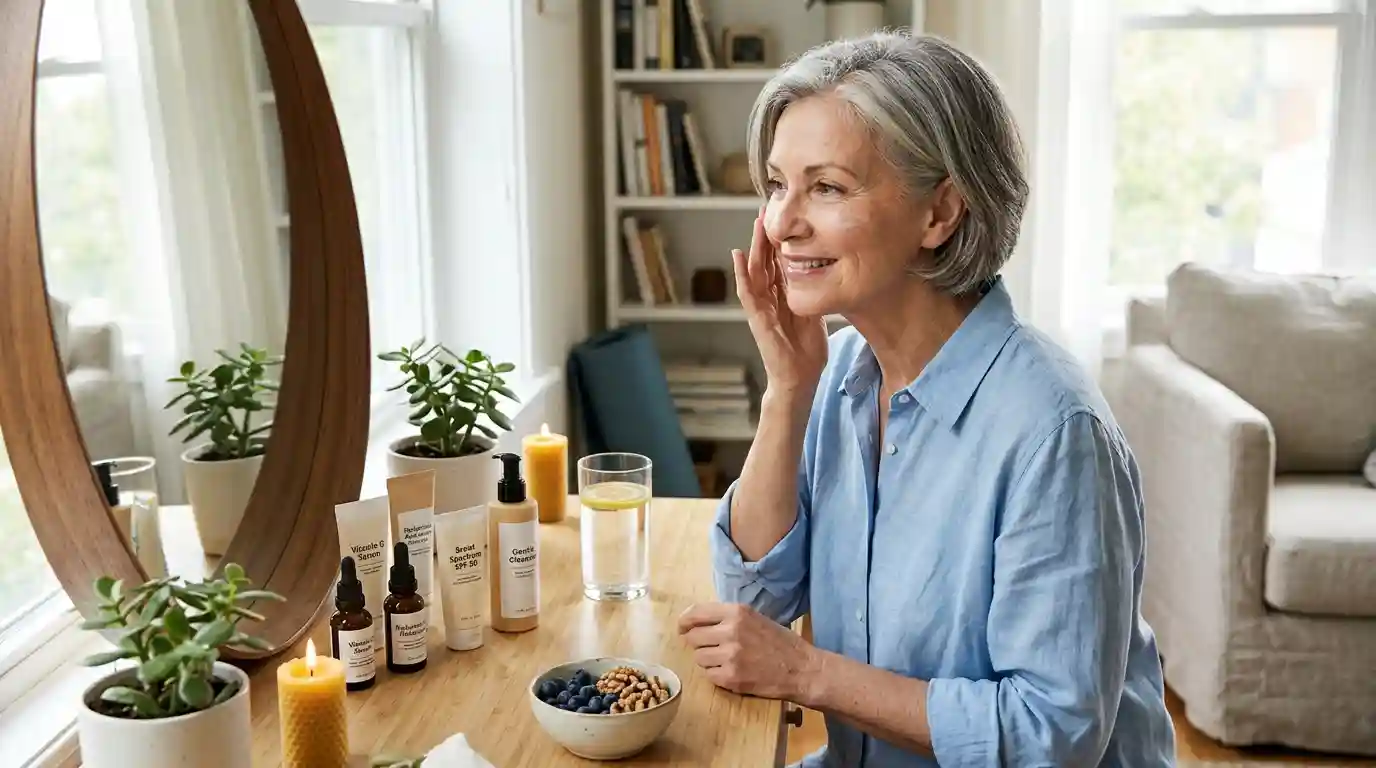
Table of Contents
Aging gracefully is a concept that transcends mere aesthetics, embracing a holistic approach to maintaining vitality, health, and a positive outlook as the years pass. It’s not about resisting the natural process of growing older, but rather about making intentional choices that support your physical, mental, and emotional well-being, allowing you to look and feel your best at every stage of life. This comprehensive guide will explore the multifaceted aspects of graceful aging, offering actionable insights into healthy lifestyle habits and effective skincare practices to help you embrace your journey with confidence and resilience.
Understanding Graceful Aging: More Than Just Appearance
The phrase “aging gracefully” often conjures images of individuals who seem to defy time, but its true essence lies far deeper than just outward appearance. It’s about accepting the changes that come with age while actively caring for your body and mind. It signifies a shift from an “anti-aging” mindset, which might suggest fighting the signs of aging at all costs, to a “pro-aging” perspective that prioritizes skin health, vitality, and enhancing natural features. This includes nurturing your skin barrier, limiting future skin damage, and embracing self-compassion over self-criticism.
Graceful aging can mean different things to different people. For some, it involves maintaining physical health and independence; for others, it’s about fostering strong relationships or keeping a sharp mind. Ultimately, it’s about aligning your daily choices with what brings you joy and adds value to your life, allowing you to live each day to the fullest. It’s an empowering philosophy that encourages individuals to look good and feel true to themselves, supporting confidence and authenticity at every stage of life.
Nourishing Your Body from Within: The Pillars of a Healthy Diet
What you consume plays a pivotal role in how your body and skin age. A nutrient-dense, anti-inflammatory diet can significantly impact your cellular repair, detoxification, and overall vitality. Prioritizing whole foods, healthy fats, lean proteins, and phytonutrient-rich vegetables provides the essential building blocks for healthy aging and radiant skin.
Key dietary components for graceful aging include:
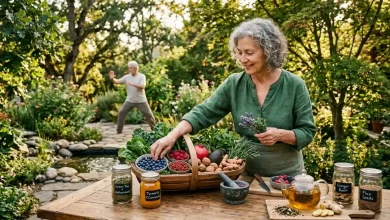
- Antioxidant-Rich Fruits and Vegetables: Berries, leafy greens (like spinach and kale), and citrus fruits are packed with antioxidants like vitamins A, C, and E, as well as polyphenols and carotenoids. These compounds combat free radicals, which damage cells and accelerate skin aging, and support collagen production and elasticity. For example, leafy greens stimulate fibroblast activity, promoting new collagen fiber creation and offering protection against UV-induced damage.
- Omega-3 Fatty Acids: Found in fatty fish (salmon, mackerel, sardines), chia seeds, and flaxseed, omega-3s are crucial for maintaining skin barrier function, hydration, and reducing inflammation. They also help preserve collagen in your skin, keeping it firmer.
- Lean Proteins: Proteins provide amino acids essential for collagen synthesis, supporting skin firmness and structure. Sources include lean meats, fish, legumes, and nuts.
- Whole Grains: Opt for whole grains over refined carbohydrates, which can contribute to skin inflammation and accelerate aging.
- Hydration: Drinking plenty of water is fundamental. Hydration helps flush toxins from the body and maintains skin’s plumpness and elasticity, minimizing the appearance of fine lines.
Conversely, a high intake of refined sugars and trans fats can accelerate skin aging by promoting inflammation and disrupting skin functions. A balanced gut microbiome, supported by probiotics and fiber-rich foods, also plays a significant role in reducing systemic inflammation and regulating immune responses that impact skin health.
The Transformative Power of Movement: Exercise for Longevity
Regular physical activity is one of the most powerful tools in our arsenal for aging gracefully, impacting both physical and mental well-being. Exercise isn’t just about maintaining a good physique; it profoundly affects our health as we age.
Benefits of consistent exercise include:
- Stronger Muscles and Bones: Strength training helps combat age-related muscle loss (sarcopenia) and bone density decline (osteoporosis), improving balance, coordination, and reducing the risk of falls. Weight-bearing exercises like walking and dancing stimulate bone growth.
- Improved Cardiovascular Health: Regular exercise strengthens the heart and lungs, reducing the risk of heart disease, stroke, and high blood pressure, which are leading causes of mortality in older adults. The World Health Organization (WHO) recommends at least 150 minutes of moderate aerobic exercise each week.
- Enhanced Flexibility and Range of Motion: Physical activity keeps joints lubricated and muscles flexible, reducing stiffness and pain associated with aging. Yoga and Tai Chi are excellent for this.
- Weight Management: Exercise helps burn calories and maintain a healthy weight, which is crucial for overall health and reducing the risk of conditions like type 2 diabetes.
- Cognitive and Mental Health Boost: Physical activity improves blood flow to the brain, reduces stress, and releases endorphins, enhancing mood, cognitive function, and lowering the risk of dementia.
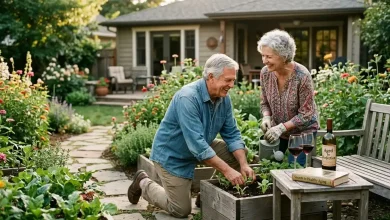
It’s never too late to incorporate movement into your routine. Activities like brisk walking, swimming, gardening, dancing, or yoga can all contribute to a longer, more fulfilling life. The key is to find activities that are enjoyable and suitable for your physical capabilities, ensuring consistency for long-term benefits.
Cultivating Inner Peace: Mental and Emotional Well-being
Aging gracefully isn’t solely about physical health or outward appearance; nurturing mental and emotional well-being is equally crucial for a fulfilling life. The later years can bring significant life changes, and fostering emotional resilience is key to navigating these transitions positively.
Strategies for maintaining mental and emotional health include:
- Cognitive Engagement: Keeping your brain active through puzzles, learning new languages or skills, reading, or playing strategy games can improve cognitive function and help delay or prevent cognitive decline. Lifelong learning stimulates communication among brain cells and enhances mental health.
- Social Connections: Maintaining strong social connections with family, friends, or community groups is linked to better mental health and longevity, reducing feelings of loneliness and depression. These relationships provide emotional support and a sense of purpose.
- Mindfulness and Meditation: Practices like meditation, deep breathing, or yoga can help you stay emotionally balanced, manage stress and anxiety, and improve overall mood.
- Sense of Purpose: Engaging in meaningful activities like volunteering, pursuing hobbies, or setting and achieving personal goals can have a profound impact on how you age, keeping your mind and spirit young.
- Positive Mindset and Self-Compassion: Cultivating a positive outlook, practicing gratitude, and approaching yourself with kindness and acceptance can significantly improve emotional well-being and resilience.
The connection between mental health and aging is profound; a positive mindset can influence physical health, longevity, and overall quality of life. Seeking help when needed, through therapy or support systems, is also a vital aspect of aging gracefully.
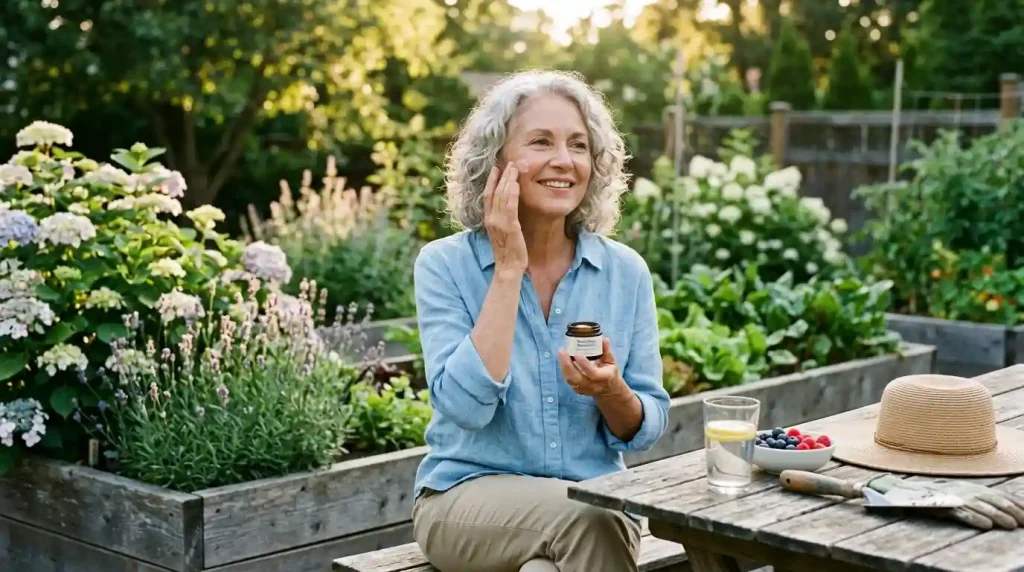
| Aspect of Graceful Aging | Lifestyle Tip | Skincare Tip |
|---|---|---|
| Internal Health | Consume a balanced diet rich in antioxidants, omega-3s, and lean proteins; stay hydrated. | Use topical antioxidants like Vitamin C serum to protect against environmental damage. |
| Physical Vitality | Engage in regular aerobic and strength-training exercises, including flexibility routines. | Good circulation from exercise can enhance skin’s natural glow and nutrient delivery. |
| Mental & Emotional Resilience | Stay mentally active, cultivate social connections, practice mindfulness and gratitude. | Stress reduction and good sleep indirectly improve skin health by balancing hormones and reducing inflammation. |
| Skin Protection | Limit direct sun exposure during peak hours, wear protective clothing. | Apply broad-spectrum SPF 30+ daily, even indoors or on cloudy days. |
| Cellular Regeneration | Prioritize 7-9 hours of quality sleep nightly for cellular repair and hormone balance. | Incorporate retinoids into your nighttime routine to boost cell turnover and collagen production. |
| Hydration & Elasticity | Drink plenty of water throughout the day. | Utilize hyaluronic acid serums and rich moisturizers to lock in skin moisture. |
A Thoughtful Skincare Regimen for Mature Skin
As we age, our skin undergoes natural changes: oil glands produce less oil, skin becomes thinner and less elastic, and cell turnover slows down. A targeted skincare routine, focusing on hydration, protection, and gentle treatments, can significantly help maintain healthy, vibrant, and resilient skin.
Essential steps and ingredients for mature skin include:
- Gentle Cleansing: Use a mild, hydrating cleanser once daily to remove dirt, oil, and pollutants without stripping the skin’s natural moisture barrier. Oil-based cleansers can be particularly gentle and add moisture back into the skin.
- Antioxidant Serums (Vitamin C): Vitamin C is a powerful antioxidant that neutralizes free radicals, protects against UV damage and pollution, stimulates collagen production, and brightens the skin, reducing dark spots and hyperpigmentation. It’s ideal for morning use.
- Hydration with Hyaluronic Acid: As skin naturally loses moisture with age, hyaluronic acid is a star hydrator that can hold many times its weight in water, plumping the skin, making fine lines less noticeable, and supporting cell regeneration and collagen production. It can be applied in a serum or cream format.
- Retinoids (Retinol): Retinoids (including retinol) are considered the gold standard in anti-aging skincare. They accelerate cell turnover, stimulate collagen and elastin production, reduce fine lines and wrinkles, and fade hyperpigmentation. They work by “reprogramming” skin cells to behave like younger cells and are best used at night.
- Niacinamide (Vitamin B3): This multi-tasking ingredient helps to strengthen the skin barrier, even out skin tone, reduce hyperpigmentation, and regulate oil production. It can also help minimize the appearance of dark spots and discoloration.
- Moisturizer: Regular moisturizing is crucial to keep mature skin hydrated and smooth, especially after cleansing and whenever skin feels dry. Look for formulas with ceramides, squalane, or beta-glucan to strengthen the skin barrier.
- Gentle Exfoliation: Exfoliating once or twice a week can remove dead skin cells and refresh the skin. Chemical exfoliants like alpha and beta hydroxy acids (e.g., glycolic or lactic acid) are often preferred over physical scrubs for mature skin, as they are gentler.
When introducing new active ingredients, especially retinoids, it’s advisable to do so slowly and observe how your skin reacts. Some ingredients, like Vitamin C and Vitamin E, work synergistically as powerful antioxidants. Consistency is key, and extending your routine to include your neck and décolletage can also significantly impact your overall appearance.
The Undeniable Importance of Sun Protection
If there is one non-negotiable step in any anti-aging skincare routine, it is consistent sun protection. Ultraviolet (UV) rays are the number one cause of premature aging, responsible for up to 90% of visible skin changes, including fine lines, wrinkles, uneven tone, enlarged pores, and loss of elasticity. UV radiation relentlessly attacks the skin, accelerating the breakdown of collagen and promoting the formation of wrinkles and fine lines.
Key aspects of effective sun protection include:
- Daily Sunscreen Use: Apply a broad-spectrum sunscreen with at least SPF 30 every single morning, regardless of the weather, even on cloudy days, indoors, or when driving, as UV rays can penetrate windows and clouds.
- Broad-Spectrum Protection: Ensure your sunscreen protects against both UVA (responsible for aging) and UVB (responsible for burning) rays.
- Reapplication: Reapply sunscreen every two hours when outdoors, or more frequently if swimming or sweating.
- Protective Clothing: Supplement sunscreen with physical barriers like wide-brimmed hats, sunglasses, and UV-protective clothing.
Sunscreen is not only the most effective anti-aging product but also a critical tool in reducing the risk of skin cancer. It preserves collagen, reduces hyperpigmentation, and maintains the results of any aesthetic treatments you might undergo.
The Restorative Power of Quality Sleep and Stress Management
While often overlooked, quality sleep and effective stress management are fundamental to aging gracefully, impacting both internal health and outward appearance. Sleep is when your body enters repair mode, undertaking critical processes that regenerate and restore tissues.
The anti-aging benefits of good sleep are extensive:
- Collagen Production and Cell Turnover: During deep sleep, the body boosts collagen production and increases cell turnover, which helps keep skin hydrated, firm, and smooth, reducing fine lines and wrinkles. Growth hormone, essential for tissue repair and regeneration, is mostly released during deep sleep.
- Reduced Inflammation and Oxidative Stress: Quality sleep helps regulate and reduce oxidative stress and inflammatory markers in the body, which can accelerate the aging process and are linked to age-related conditions like arthritis and cardiovascular disease.
- Hormone Balance: Sleep plays a crucial role in regulating hormones, including melatonin (an antioxidant) and cortisol (the stress hormone). High cortisol levels can lead to collagen breakdown and increased signs of aging.
- Detoxification: The glymphatic system, which removes waste products and neurotoxins from the brain, is most active during sleep, supporting cognitive function and slowing the progression of neurodegenerative diseases.
- Improved Skin Appearance: Lack of sleep can lead to dull skin tone, dehydration, puffiness, more pronounced fine lines, and a weakened skin barrier. Studies show that people who sleep 7-9 hours a night have skin that recovers better from environmental stressors and shows fewer signs of aging.
To optimize your sleep, aim for 7-9 hours of uninterrupted sleep nightly. Establish a consistent bedtime routine, limit caffeine and screen time before bed, and ensure your sleep environment is conducive to rest.
Chronic stress also takes a toll on mental and physical health. Incorporating relaxation techniques such as deep breathing, meditation, spending time in nature, or engaging in hobbies can help manage stress and maintain a positive outlook. Effectively managing stress supports overall well-being and, indirectly, your skin’s health. For further reading on the profound impact of physical activity on overall well-being as we age, consider this resource from Psychology Today, which delves into how regular exercise boosts physical strength, balance, mental health, and alleviates stress and cognitive decline.
Conclusion
Aging gracefully is a beautiful, empowering journey that involves a harmonious blend of healthy lifestyle choices and diligent skincare practices. It’s about more than just looking young; it’s about feeling vibrant, strong, and confident at every stage of life. By nourishing your body with a balanced diet, embracing regular physical activity, cultivating mental and emotional well-being, protecting your skin from the sun, and prioritizing restorative sleep, you can navigate the aging process with resilience and a profound sense of self-acceptance. Embrace these tips not as a fight against time, but as a commitment to living well within it, ensuring your best years are always ahead.