Government Assistance for Caregivers of Elderly Parents: 7 Essential Support Guide
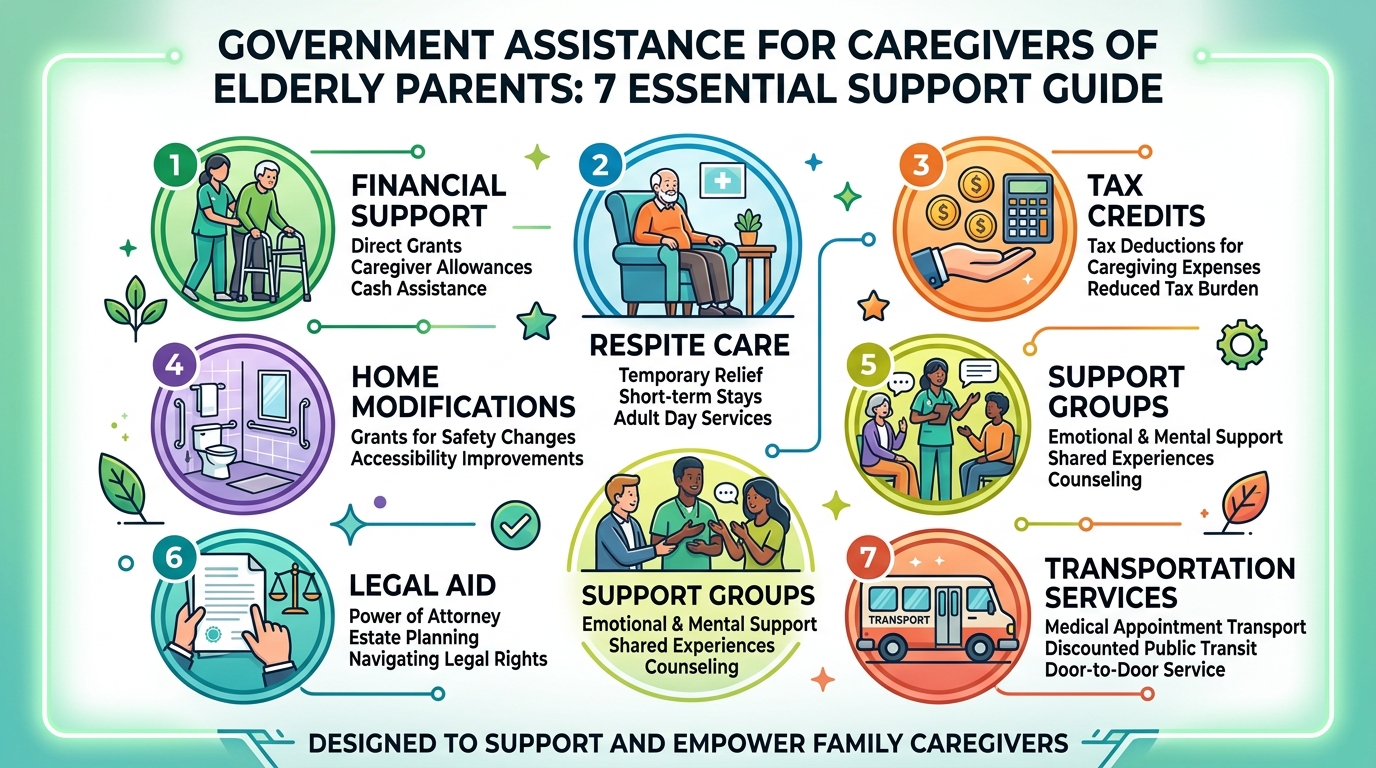
Table of Contents
Government Assistance for Caregivers of Elderly Parents is a critical resource for millions of families across the United States who dedicate their lives to supporting aging loved ones. The immense responsibility of caregiving often comes with significant financial, emotional, and physical burdens. Recognizing this, various Government and state programs have been established to alleviate some of these pressures, offering a lifeline to caregivers struggling to balance their own lives with the demands of caring for an elderly parent. This guide aims to provide a comprehensive overview of the available Public sector assistance, helping caregivers navigate the complex landscape of support programs, financial aid, and essential services designed to make their invaluable work more sustainable.
Introduction to Government Assistance for Caregivers
Caring for an elderly parent is a profound act of love and commitment, yet it often entails substantial challenges. From managing medical appointments and medication schedules to providing daily personal care and household support, caregivers often find themselves overwhelmed. The financial strain can be particularly acute, as caregivers may reduce work hours, take unpaid leave, or incur out-of-pocket expenses for medical supplies, transportation, or specialized care. Fortunately, both Government and state Public sector offer a range of programs designed to provide financial relief, access to services, and much-needed support for these dedicated individuals. Understanding the breadth and scope of these programs is the first step toward accessing the assistance that can make a tangible difference in the lives of both caregivers and their elderly parents.
These government initiatives recognize the invaluable contribution of family caregivers, who collectively save the healthcare system billions of dollars annually by providing care that would otherwise fall to paid professionals. The programs vary widely, encompassing direct financial payments, tax credits, respite care services, counseling, and educational resources. The goal is to empower caregivers, help them avoid burnout, and ensure that elderly parents can continue to live with dignity and receive high-quality care in their preferred setting, often within their own homes or the homes of their children. While the landscape of assistance can seem daunting, this guide will break down the key areas of support, making it easier for caregivers to identify and apply for the aid they need.
Federal Government Programs Supporting Caregivers
Several significant Government programs provide a foundation of support for caregivers of elderly parents, primarily through initiatives aimed at seniors themselves or through direct caregiver assistance. Understanding these broader programs is crucial, as many caregiver benefits are linked to the eligibility of the care recipient.
- Medicaid: Medicaid is a joint Government and state program that provides health coverage to millions of Americans, including low-income seniors. For caregivers, Medicaid can be a vital source of support. In many states, Medicaid offers “Medicaid Waivers” or Home and Community-Based Services (HCBS) waivers, which allow eligible seniors to receive care at home or in the community rather than in a nursing facility. These waivers can cover services like personal care, adult day care, and even provide financial compensation to family caregivers through programs like “Cash and Counseling” or “Self-Directed Care” models. Eligibility for Medicaid is generally based on income and asset limits, which vary by state. Some states also have “Medicaid Spend Down” provisions, allowing individuals with higher incomes but significant medical expenses to qualify.
- Veterans Affairs (VA) Benefits: For elderly parents who are veterans, or their spouses, the Department of Veterans Affairs offers an array of comprehensive benefits that can significantly support caregivers. The VA Aid & Attendance and Housebound benefits, for example, provide additional monthly pension amounts to wartime veterans and their surviving spouses who require the aid and attendance of another person or are largely confined to their homes. This financial assistance can be used to pay for in-home care, nursing home care, or assisted living. The VA also has the Program of Comprehensive Assistance for Family Caregivers (PCAFC), which provides eligible primary family caregivers of veterans with a monthly stipend, comprehensive health care benefits (if they do not already have them), mental health services, caregiver training, and respite care. The eligibility for PCAFC is stringent, generally applying to veterans with service-connected disabilities incurred or aggravated after September 11, 2001, or those incurred before May 7, 1975, and requiring personal care services.
- Older Americans Act (OAA) Programs: The Older Americans Act funds a wide range of services for seniors and their caregivers through local Area Agencies on Aging (AAAs). The National Family Caregiver Support Program (NFCSP), established under the OAA, is particularly relevant. It provides grants to states and territories to fund services for family caregivers, including information and assistance, access to other services, individual counseling, organization of support groups, caregiver training, and respite care. These services are typically provided at no or low cost to eligible caregivers, regardless of the care recipient’s income, though priority may be given to those with greater social and economic need.
- Social Security and Medicare: While not direct caregiver assistance programs, Social Security benefits provide crucial income for many elderly parents, indirectly reducing the financial burden on caregivers. Medicare, the Government health insurance program for individuals aged 65 and older, covers a range of medical services. While Medicare generally does not pay for long-term custodial care (such as help with bathing, dressing, or eating) if that is the only care needed, it can cover skilled nursing care, home health care, hospice care, and short-term inpatient rehabilitation under specific conditions, which can relieve caregivers of some responsibilities and costs.
Government-Specific Assistance Programs
Beyond Government initiatives, each state offers its unique set of programs and resources for caregivers of elderly parents. These programs often complement Government aid and can provide more tailored support based on the specific needs and demographics of the state’s population. It is imperative for caregivers to investigate what is available in their particular state, as eligibility criteria and available services can vary significantly.
Many states operate their own versions of Medicaid waivers or non-Medicaid programs to support home and community-based care. These might be known as “Adult Day Services,” “Respite Care Programs,” “Personal Care Assistance Programs,” or “Caregiver Support Grants.” Some states have innovative programs that allow caregivers to be paid for their services when caring for a family member, particularly if the care recipient qualifies for certain long-term care benefits. These programs often aim to prevent premature institutionalization, allowing seniors to remain in their homes for longer periods. For instance, some states have specific caregiver registries or referral services that connect families with local support organizations and resources.
Additionally, some states offer tax credits or deductions specifically for family caregivers, which can provide significant financial relief. These tax benefits often consider expenses related to caring for a qualifying elderly dependent. It’s advisable for caregivers to consult with a tax professional or their state’s Department of Revenue to understand available tax incentives. A key resource for exploring state-specific aid is often the state’s Department of Aging or Human Services website, or local Area Agencies on Aging, which are funded by the Older Americans Act to serve their communities. These agencies can provide invaluable information on local resources, support groups, and application assistance for state-level programs. Understanding these localized options is essential for a comprehensive caregiving strategy, as they can bridge gaps left by Government programs and offer more immediate, community-based support. Caregivers should remember that persistence and thorough research are often required to uncover all available avenues of assistance, but the effort can yield substantial benefits for both the caregiver and the care recipient.
Navigating Financial Aid Options for Caregivers
The financial burden associated with caring for an elderly parent is one of the most pressing concerns for many families. Beyond direct program benefits, several financial aid options exist, which can either directly compensate caregivers or reduce the overall cost of care.
Caregiver Compensation: In some instances, family caregivers can be compensated for their services. This is primarily facilitated through specific state Medicaid programs (as mentioned, such as self-directed care waivers), veterans’ programs like the PCAFC, or through private long-term care insurance policies held by the elderly parent. If the parent has a long-term care insurance policy, it may cover in-home care services, and some policies allow for payments to family members who provide these services, provided they meet certain criteria and the family member is not living in the same household or is not legally obligated to provide care. Creating a formal personal care agreement or caregiver contract between the elderly parent and the caregiver can also be important for tax purposes and to clarify expectations, especially if the parent is paying the caregiver directly from their own funds.
Tax Credits and Deductions: The Internal Revenue Service (IRS) offers several tax benefits that can reduce a caregiver’s tax liability. The “Credit for Other Dependents” allows a tax credit of up to $500 for a qualifying dependent who is not a qualifying child, which can include an elderly parent who meets specific income and support tests. Additionally, if the elderly parent qualifies as a dependent, caregivers may be able to include medical expenses paid for the parent when calculating itemized deductions, provided these expenses exceed 7.5% of the caregiver’s Adjusted Gross Income. The “Dependent Care Credit” might also apply if the caregiver pays for adult day care or other care services to allow them to work or look for work. Consulting a tax professional is highly recommended to determine eligibility for these complex tax benefits.
Reverse Mortgages: For elderly parents who own their homes, a reverse mortgage can be a way to convert a portion of their home equity into cash. This cash can then be used to pay for care services, home modifications, or to supplement income, thereby reducing the financial pressure on caregivers. It’s a complex financial product with significant implications, so thorough research and professional financial advice are crucial before considering this option.
Here is a summary of common financial aid types:
| Financial Aid Type | Description | Primary Benefit for Caregivers | Key Considerations |
|---|---|---|---|
| Medicaid Waivers/HCBS | State-specific programs, often linked to Medicaid, that provide funding for in-home care and support services. Some allow direct payment to family caregivers. | Compensation for care, access to essential services for seniors. | Eligibility based on care recipient’s income/assets, services vary by state. |
| VA Aid & Attendance/Housebound | Additional pension for wartime veterans or surviving spouses who need assistance with daily living or are housebound. | Financial assistance for care expenses, reducing caregiver’s out-of-pocket costs. | Veteran status, wartime service, and medical need are strict criteria. |
| Program of Comprehensive Assistance for Family Caregivers (PCAFC) | VA program providing stipend, healthcare, training, and respite care to primary family caregivers of eligible veterans. | Direct financial support, health benefits for caregivers, professional development. | Strict eligibility for veterans with specific service-connected disabilities. |
| National Family Caregiver Support Program (NFCSP) | Government funded program administered by AAAs, offering services like counseling, training, and respite care. | Access to free/low-cost support services, education, and temporary relief. | Services vary by local AAA, may not include direct financial payments. |
| Tax Credits (e.g., Credit for Other Dependents) | IRS provisions allowing caregivers to reduce their tax liability based on the financial support provided to an elderly parent. | Reduction in Government income tax owed. | Complex eligibility rules; dependent status, income tests apply. |
| Long-Term Care Insurance | Private insurance policies that can cover the cost of long-term care services, including in-home care. Some policies may pay family caregivers. | Covers care costs, potentially compensating family members. | Depends on parent’s policy, often requires professional care assessment. |
Essential Support Services for Caregivers
Beyond financial assistance, various support services are crucial for sustaining caregivers and ensuring the well-being of elderly parents. These services help alleviate the physical and emotional demands of caregiving, providing much-needed breaks and professional guidance. For many caregivers, these services are as valuable as direct financial aid.
- Respite Care: Respite care provides temporary relief for primary caregivers, allowing them to rest, attend to personal needs, or simply take a break from their caregiving duties. It can be provided in various settings, including the senior’s home, an adult day care center, or a short-term stay in a nursing home or assisted living facility. The National Family Caregiver Support Program (NFCSP) is a major Government funder of respite care services through local Area Agencies on Aging (AAAs). Many state Medicaid programs and VA benefits also cover respite care, making it an accessible option for eligible families. Respite care is vital for preventing caregiver burnout, which can negatively impact both the caregiver’s health and the quality of care provided.
- Adult Day Care Services: Adult day care centers provide structured programs for seniors in a supervised setting during the day. These centers offer social activities, meals, and often health services like medication management and therapeutic activities. For caregivers, adult day care offers a safe and engaging environment for their parents while they work or attend to other responsibilities. Funding for adult day care can come from Medicaid waivers, some private long-term care insurance policies, and, in some cases, the Older Americans Act through AAAs. These centers are also excellent places for seniors to maintain social connections and mental engagement, contributing to their overall well-being.
- Caregiver Training and Education: Many government and non-profit organizations offer free or low-cost training programs for caregivers. These programs can cover a wide range of topics, including specific medical conditions (e.g., dementia care), safe transfer techniques, medication management, first aid, and navigating the healthcare system. The VA provides extensive training for family caregivers of veterans, and AAAs often host workshops and provide educational materials under the NFCSP. Equipping caregivers with knowledge and skills can boost their confidence, reduce stress, and improve the quality of care they provide.
- Counseling and Support Groups: The emotional toll of caregiving can be immense. Many programs, including those funded by the NFCSP, offer individual counseling and facilitate support groups for caregivers. These resources provide a safe space for caregivers to share their experiences, gain emotional support, and learn coping strategies from peers and professionals. Connecting with others facing similar challenges can significantly reduce feelings of isolation and stress.
- Home Modifications and Assistive Devices: While not always directly covered by government programs for caregivers, some assistance exists for modifying homes to improve accessibility and safety for elderly parents. For instance, some state programs or local grants may help with ramps, grab bars, or widening doorways. VA benefits can also cover home modifications for eligible veterans with service-connected disabilities. Assistive devices, such as walkers, wheelchairs, or communication aids, can also be covered by Medicare Part B or Medicaid if prescribed by a doctor as medically necessary. These modifications and devices can greatly enhance the independence of elderly parents and ease the physical demands on caregivers.
Eligibility and Application Process
Navigating the eligibility requirements and application process for government assistance can be one of the most challenging aspects for caregivers. Criteria vary significantly between programs, and thorough preparation is key to a successful application. It’s important to understand that eligibility often hinges on a combination of factors related to both the care recipient (the elderly parent) and, in some cases, the caregiver themselves.
Care Recipient Eligibility:
- Age: Most programs for the elderly require the care recipient to be 60 or 65 years or older.
- Income and Assets: For needs-based programs like Medicaid, strict income and asset limits apply. These limits vary by state and can be complex, often requiring detailed financial documentation.
- Functional Impairment/Medical Need: Many programs require a medical assessment or a physician’s certification confirming that the elderly parent needs assistance with Activities of Daily Living (ADLs) such such as bathing, dressing, eating, toileting, or Instrumental Activities of Daily Living (IADLs) like meal preparation, managing medications, or housekeeping.
- Veteran Status: For VA benefits, the elderly parent must be a qualifying veteran or a surviving spouse of a veteran, meeting specific service requirements (e.g., wartime service, service-connected disability).
- Residency: The care recipient must typically be a U.S. citizen or a qualified alien and reside in the state where they are applying for state-specific programs.
Caregiver Eligibility (for some direct caregiver support programs):
- Relationship: Many programs prioritize or exclusively serve family caregivers (spouses, adult children, other relatives).
- Location: The caregiver often needs to reside with the elderly parent or be readily accessible.
- Training: Some programs, particularly those offering caregiver stipends, may require the caregiver to complete specific training modules.
The Application Process:
- Gather Documentation: This is perhaps the most critical step. Be prepared to provide extensive documentation, including birth certificates, Social Security cards, marriage certificates, military discharge papers (DD-214) for veterans, income statements (pay stubs, tax returns, pension statements), bank statements, insurance policies, medical records, and proof of residency.
- Contact Local Agencies: The first point of contact for many programs should be the local Area Agency on Aging (AAA). They are a clearinghouse for information on Government, state, and local programs and can guide caregivers through eligibility and application processes for many services funded by the Older Americans Act. For veterans, contacting the local VA medical center or a Veterans Service Officer (VSO) is essential.
- Schedule Assessments: For programs requiring medical or functional assessments, be prepared to schedule appointments with healthcare professionals or case managers who will evaluate the elderly parent’s needs.
- Be Patient and Persistent: The application process can be lengthy and require follow-up. Keep copies of all submitted documents and correspondence, and don’t hesitate to call for updates.
- Seek Assistance: If the process feels overwhelming, consider seeking help from elder law attorneys, professional geriatric care managers, or social workers who specialize in navigating these systems. Organizations like the Family Caregiver Alliance’s National Center on Caregiving also provide valuable resources and support.
Understanding these steps and preparing thoroughly can significantly streamline the application process and increase the likelihood of securing the necessary assistance.
Additional Resources and Advocacy
Beyond direct government programs, a wealth of additional resources and advocacy groups exist to support caregivers of elderly parents. These organizations play a crucial role in providing information, community, and a voice for caregivers at local, state, and national levels.
- Non-Profit Organizations: Numerous non-profit organizations are dedicated to supporting caregivers. Groups like the AARP, the Alzheimer’s Association, the National Alliance for Caregiving, and the Family Caregiver Alliance offer extensive resources, including online guides, educational webinars, local support groups, and helplines. These organizations often conduct research and advocate for policies that benefit caregivers.
- Community-Based Services: Many local communities have senior centers, faith-based organizations, and volunteer networks that offer services such as transportation, meal delivery (e.g., Meals on Wheels), friendly visitor programs, and minor home repair assistance. While not always government-funded, these services often complement government programs and provide invaluable practical support.
- Legal and Financial Planning: Caregivers often face complex legal and financial decisions. Consulting with elder law attorneys can help with estate planning, setting up powers of attorney, guardianship, and understanding asset protection strategies related to long-term care. Financial planners specializing in elder care can assist in navigating insurance options, managing retirement funds, and planning for future care costs.
- Advocacy: Caregivers are powerful advocates for their loved ones and for themselves. Joining advocacy groups or participating in local and national initiatives can help shape public policy and ensure that the needs of caregivers are recognized and addressed by lawmakers. Organizations like the National Family Caregivers Association actively lobby for caregiver rights and support.
By leveraging these diverse resources, caregivers can build a comprehensive support network that addresses their multi-faceted needs, ensuring they are not alone in their journey and that their elderly parents receive the best possible care. This proactive approach to seeking information and support is crucial for both the sustainability of the caregiving role and the well-being of the entire family unit. The continuum of care requires a continuum of support, and caregivers are encouraged to explore every avenue available to them.
Conclusion
Government Assistance for Caregivers of Elderly Parents provides a vital safety net and a foundational layer of support for millions of families navigating the complex world of elder care. From Government programs like Medicaid and VA benefits to state-specific initiatives and the broad services offered through the Older Americans Act, a diverse array of resources exists to alleviate financial burdens, provide essential services, and offer much-needed respite. While the landscape of eligibility criteria and application processes can be intricate and demanding, the potential benefits—ranging from direct financial compensation and tax relief to access to adult day care, caregiver training, and emotional support groups—are substantial. Caregivers are encouraged to be proactive in their research, to engage with local Area Agencies on Aging, and to seek guidance from specialized legal and financial professionals. By understanding and strategically utilizing the available government assistance, caregivers can enhance their own well-being, ensure their elderly parents receive the dignified and comprehensive care they deserve, and ultimately foster a more sustainable and compassionate caregiving environment for all.