Looking Younger Than Your Age 7 Amazing Healthy Lifestyle Habits That Work
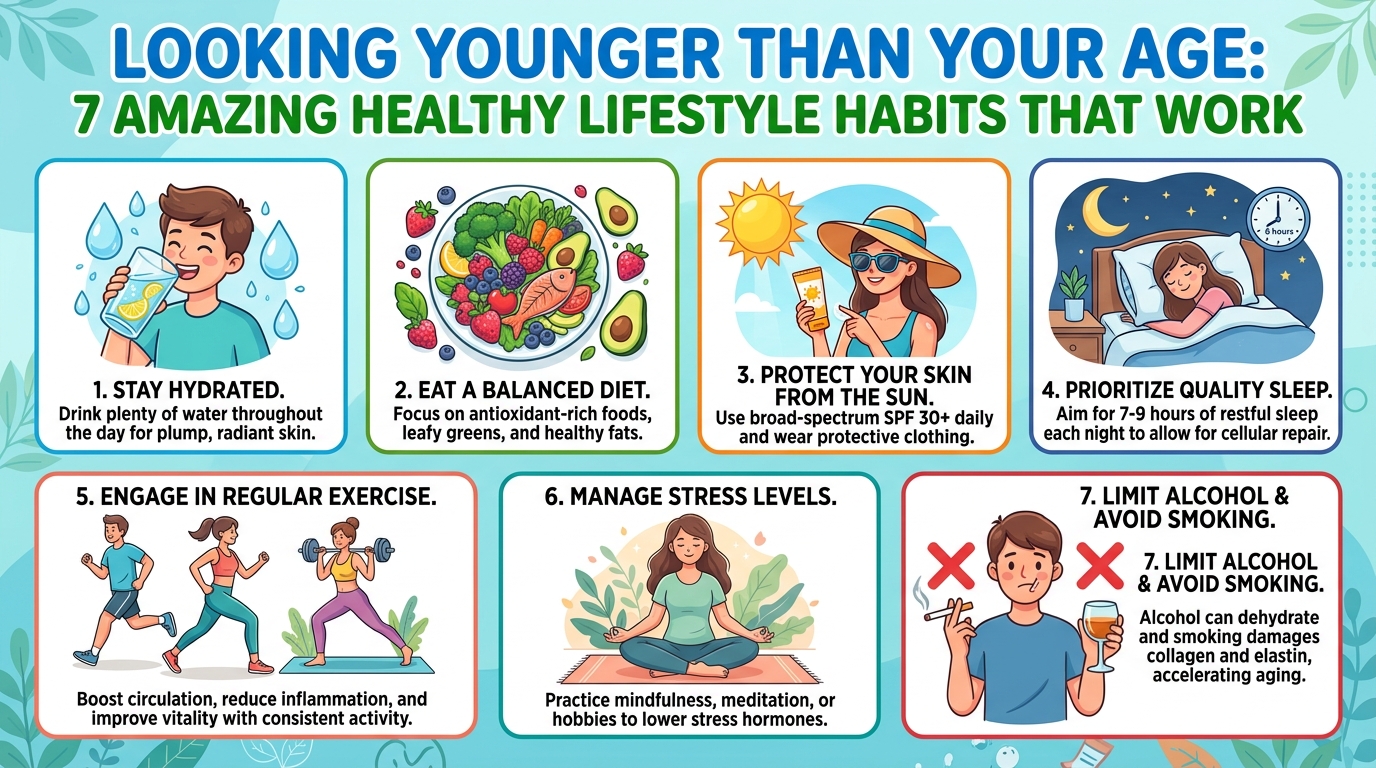
Table of Contents
- The Pursuit of Youth: More Than Skin Deep
- Fueling Youth from Within: The Power of Nutrition
- Move Your Way to Youth: The Anti-Aging Benefits of Physical Activity
- The Elixir of Youth: Prioritizing Quality Sleep
- Mastering Serenity: How Stress Management Preserves Youth
- The Foundation of Youthful Skin: A Smart Skincare Regimen
- The Wellspring of Youth: The Critical Role of Hydration
- Beyond the Physical: The Impact of Social Connection and Mental Well-being
- Breaking the Cycle: Avoiding Habits That Accelerate Aging
- Conclusion: Embracing a Holistic Path to Youthful Living
Looking Younger Than Your Age is a desire shared by many, and while genetics play a role, the profound impact of healthy lifestyle habits cannot be overstated. It’s not about turning back the clock through artificial means, but rather about cultivating practices that support cellular health, enhance bodily functions, and promote a vibrant appearance from the inside out. Scientific research consistently demonstrates that conscious choices in diet, exercise, sleep, stress management, and social engagement are potent tools in slowing down the visible and biological markers of aging. This comprehensive guide will delve into how embracing these habits can help you achieve a more youthful look and feel, empowering you to age gracefully and with vitality.
Fueling Youth from Within: The Power of Nutrition
The old adage “you are what you eat” holds significant truth when it comes to maintaining a youthful appearance. A diet rich in nutrient-dense foods provides the building blocks and protective compounds necessary for healthy skin, hair, and overall bodily function, while poor dietary choices can accelerate aging. Processed foods, excessive sugar, and unhealthy fats can lead to systemic inflammation, a primary driver of many age-related diseases and visible aging signs.
To counteract these effects, prioritize foods packed with antioxidants. These powerful compounds combat free radicals, unstable molecules that cause cellular damage leading to fine lines, wrinkles, and dull skin. Excellent sources include colorful fruits and vegetables such as berries, leafy greens like spinach and kale, carrots, and red peppers. Vitamin C, abundant in citrus fruits, tomatoes, and kiwi, is not only an antioxidant but also crucial for collagen production and skin protection against sun damage.
Healthy fats, particularly omega-3 and monounsaturated fats, are vital for skin hydration and elasticity. Incorporate foods like fatty fish (salmon, tuna), flaxseed, walnuts, avocados, and olive oil into your diet. These fats help maintain the skin’s natural barrier and ward off inflammation, contributing to a smooth and supple complexion. Probiotics, found in yogurt and kefir, are also gaining recognition for their role in digestive health and their potential to alleviate inflammatory skin conditions, thereby promoting skin healing.
The Mediterranean diet is frequently highlighted as an anti-inflammatory eating pattern that can reduce the risk of chronic diseases and support healthy aging. It emphasizes whole foods, fruits, vegetables, healthy fats, and lean proteins, steering clear of ultra-processed items high in salt, sugar, and saturated fats. This approach helps maintain a healthy gut microbiome, which is increasingly linked to overall skin health and vitality.
Move Your Way to Youth: The Anti-Aging Benefits of Physical Activity
Regular physical activity is arguably one of the most effective “fountains of youth” known to humankind. It transcends mere weight management, offering profound benefits that directly contribute to a more youthful appearance and improved overall well-being. Exercise enhances skin health and elasticity by boosting circulation and stimulating collagen production. Increased blood flow delivers oxygen and essential nutrients to skin cells, promoting a fresh and radiant complexion, while also helping to flush out waste and free radicals that cause cellular damage.
Studies show that even moderate physical activity can significantly slow down the effects of aging. Regular exercise can keep an individual’s muscles and cardiovascular system biologically decades younger. It helps maintain muscle mass, which naturally declines with age, contributing to a more toned and youthful physique. Strength training, in particular, builds and maintains muscle, counteracting loss of tone and increasing bone density, which reduces the risk of osteoporosis. Activities like yoga and Pilates improve flexibility, balance, and posture, preventing the hunched appearance often associated with aging and promoting a more agile, confident stance.
Furthermore, exercise is a powerful stress reducer, releasing endorphins that improve mood and combat the negative impacts of cortisol on the skin. It supports detoxification through sweating, clearing pores and improving skin elasticity. Research even suggests that endurance and interval exercises may lengthen telomeres, the protective caps on chromosomes, which are linked to cellular aging. Longer telomeres are associated with slower cellular aging, implying that specific types of exercise can literally slow down the aging process at a biological level. The U.S. Department of Health and Human Services recommends at least 150 minutes per week of moderate-intensity aerobic activity, alongside muscle-strengthening activities twice a week, for optimal function and healthy aging.
The Elixir of Youth: Prioritizing Quality Sleep
Often referred to as “beauty sleep,” the restorative power of adequate and high-quality sleep is non-negotiable for looking and feeling younger. While you sleep, your body and skin enter a crucial reparative mode. Blood flow to the skin increases, collagen is rebuilt, and damage from environmental stressors like UV exposure and pollution is addressed. Growth hormone secretion peaks during deep sleep stages, which is essential for tissue repair and skin regeneration.
Conversely, chronic sleep deprivation significantly accelerates visible signs of aging. Insufficient sleep elevates cortisol, the stress hormone, which breaks down collagen and elastin—the proteins responsible for skin firmness and elasticity. This leads to sagging, wrinkles, dark circles under the eyes, and a dull, uneven complexion. A study found that poor sleepers exhibited increased signs of intrinsic skin aging, including fine lines, uneven pigmentation, and reduced skin elasticity, compared to good sleepers.
Optimal sleep (7-9 hours of quality rest per night) ensures enhanced DNA repair, reduced oxidative damage, and lower chronic inflammation levels. It also plays a vital role in hormone balance, including melatonin, an antioxidant that fights free radicals. Moreover, the brain’s glymphatic system, responsible for removing waste products, is most active during sleep, clearing neurotoxins that can contribute to cognitive decline and other aging-related issues. Prioritizing a consistent sleep schedule, creating a dark and cool sleep environment, and avoiding screens before bed are crucial sleep hygiene practices.
Mastering Serenity: How Stress Management Preserves Youth
In today’s fast-paced world, stress has become an almost constant companion for many, yet its profound impact on our physical appearance, particularly our skin, is often underestimated. Chronic stress triggers a cascade of physiological responses that can visibly accelerate the aging process. When stressed, the body releases elevated levels of cortisol, the primary stress hormone. This sustained elevation can wreak havoc on skin health.
Cortisol directly interferes with the skin’s natural barrier function, making it more vulnerable to irritants, dryness, and inflammation. It also breaks down collagen and elastin, the crucial proteins that maintain skin’s firmness, elasticity, and youthful bounce. This breakdown leads to premature wrinkles, fine lines, and sagging. Furthermore, stress can increase oil production, leading to clogged pores and acne breakouts, and can exacerbate inflammatory skin conditions such as eczema and psoriasis. The visible effects of stress can manifest quickly, from new blemishes within weeks to more noticeable changes in skin tone and texture over months.
Effectively managing stress is therefore a powerful anti-aging strategy. Incorporating mindfulness practices like yoga, meditation, and deep breathing exercises into your daily routine can dramatically reduce cortisol levels, leading to a calmer mood and, consequently, healthier, more balanced skin. Regular exercise also serves as an excellent stress reliever, boosting endorphins and improving circulation, which benefits skin health. Combining stress management techniques with a balanced diet, proper hydration, and sufficient sleep creates a holistic approach that supports both mental well-being and a more youthful complexion.
The Foundation of Youthful Skin: A Smart Skincare Regimen
While internal habits are paramount, a consistent and smart external skincare routine plays a critical supportive role in preserving a youthful appearance. The right products and practices can protect your skin from environmental damage, maintain its integrity, and address specific concerns that arise with aging.
The cornerstone of any effective skincare regimen is daily cleansing and moisturizing. Cleansing twice daily removes makeup, dirt, oil, pollutants, and bacteria, preparing the skin to absorb subsequent products more effectively. Using a gentle cleanser that suits your skin type is essential to preserve the skin barrier and prevent irritation or dehydration. Following cleansing, moisturizing while the skin is still damp helps lock in hydration. Look for moisturizers containing water-binding humectants like glycerin and hyaluronic acid, and occlusives like ceramides or mineral oil, especially in a rich night cream, to prevent water evaporation and support barrier repair.
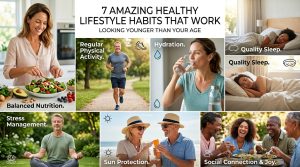
Exfoliation, performed once or twice a week, is crucial for removing dead skin cells that can accumulate and lead to a dull, uneven complexion. As skin cell turnover slows with age, exfoliation helps reveal fresh, new cells. It’s best to opt for gentle chemical exfoliants or mild physical exfoliants, avoiding harsh scrubs that can cause micro-tears and make skin more susceptible to sagging.
| Skincare Routine Step | Frequency | Key Benefits for Youthful Skin |
|---|---|---|
| Cleanse | Twice daily (morning & night) | Removes impurities, prepares skin for product absorption. |
| Exfoliate | 1-2 times per week | Removes dead skin cells, promotes cell turnover, brightens complexion. |
| Serum (e.g., Vitamin C, Retinol) | Morning and/or Night | Targets specific concerns like fine lines, wrinkles, uneven tone; boosts collagen. |
| Eye Cream | Twice daily | Hydrates delicate eye area, reduces appearance of fine lines and dark circles. |
| Moisturize | Twice daily | Hydrates, plumps skin, maintains barrier function, reduces fine lines. |
| Sunscreen (SPF 30+) | Every morning, reapply as needed | Protects against UV damage, prevents premature aging, maintains even skin tone. |
Finally, and perhaps most critically, is consistent sun protection. Unprotected sun exposure is one of the leading causes of premature aging, contributing to wrinkles, fine lines, age spots, and a breakdown of collagen. Daily application of a broad-spectrum sunscreen with an SPF of at least 30 is non-negotiable, even on cloudy days or when indoors near windows. Sunscreen allows the skin to rest from constant UV bombardment, giving its natural regenerative abilities a chance to work, and can even fade existing age spots and improve skin texture over time. Incorporating anti-aging serums containing ingredients like Vitamin C, Vitamin E, or retinol can further enhance these effects by mitigating sun damage, improving skin texture, and counteracting fine lines and wrinkles.
The Wellspring of Youth: The Critical Role of Hydration
Hydration is often underestimated in its power to influence how youthful our skin and bodies appear. Far beyond merely quenching thirst, adequate water intake is a fundamental aspect of an effective anti-aging regimen, impacting the skin at a cellular level.
The skin, being the body’s largest organ, requires ample hydration to function properly and maintain its appearance. When the skin is well-hydrated, it appears plumper, more elastic, and less prone to wrinkles. Water facilitates the transportation of vital nutrients to skin cells and aids in the removal of toxins, a process essential for maintaining healthy, vibrant skin. Hydrated cells can repair and regenerate more effectively, directly contributing to a youthful glow.
Conversely, dehydration manifests visibly on the skin, leading to dryness, dullness, and the accentuation of fine lines and wrinkles. It diminishes skin elasticity, making the skin appear less firm and more prone to sagging. Proper hydration helps maintain the skin’s natural resilience and fortifies its barrier function, which is crucial for protecting against environmental damage and preventing moisture loss.
Beyond skin health, hydration profoundly affects overall well-being, influencing energy levels, mood, cognitive function, and even reducing the risk of chronic diseases like cardiovascular disease and type 2 diabetes. Aim to drink at least 8 to 12 glasses of purified water throughout the day. Keeping a refillable water bottle handy can significantly help in reaching daily hydration goals. This simple yet powerful habit ensures your body’s systems function optimally, helping you not only look but also feel significantly younger than your chronological age.
Beyond the Physical: The Impact of Social Connection and Mental Well-being
While the focus of anti-aging often centers on physical attributes and routines, the significance of social connection and mental well-being for a youthful outlook and appearance cannot be overstated. Humans are inherently social creatures, and maintaining meaningful relationships throughout life has profound effects on both physical and mental health. Strong social ties have been consistently linked to a longer life expectancy and better overall health.
For older adults, in particular, robust social connections with friends, family, and community can significantly support healthy aging by improving mental well-being and overall quality of life. Research indicates that those with strong social relationships experience reduced risks of depression, anxiety, and even cognitive decline. Social engagement helps keep the brain active, reduces stress, and promotes healthier behaviors.
Loneliness and social isolation, on the other hand, can have detrimental effects, increasing the risk of heart disease, stroke, dementia, and even early death. A study highlighted that people with strong social bonds had a 50% greater chance of survival than those with poor social relationships. The emotional resilience gained from a sense of belonging, shared laughter, and supportive conversations provides a buffer against life’s inevitable challenges, which can, in turn, reduce stress-related aging impacts on the skin and body.
Engaging in community groups, volunteer work, or simply nurturing existing friendships are vital steps towards building and maintaining these crucial connections. Even small, regular interactions, such as a weekly chat, have been shown to improve sleep, lower blood pressure, and stabilize stress hormones. This mental and emotional vitality translates into a more positive demeanor, a brighter outlook, and an overall appearance that radiates youthfulness. The link to an authority source like Wikipedia can further elaborate on the broader benefits of social connections: The Importance of Social Connection for Well-being.
Breaking the Cycle: Avoiding Habits That Accelerate Aging
While incorporating healthy habits is key to looking younger, it is equally important to identify and eliminate practices that actively accelerate the aging process. These “bad habits” can undermine even the most diligent efforts towards a youthful appearance and robust health.
- Smoking: Perhaps the most notorious culprit, smoking is a primary accelerator of aging. The thousands of chemicals in cigarette smoke damage collagen and elastin, leading to premature wrinkles, fine lines, and a dull complexion. It also deprives the skin of oxygen and nutrients, making it appear older and less vibrant.
- Excessive Alcohol Consumption: Regular and heavy alcohol intake dehydrates the body and skin, leading to dryness, redness, and a lack of elasticity, which can make fine lines and wrinkles more pronounced. Over time, it can also damage vital organs and contribute to a generally unhealthy appearance.
- Unprotected Sun Exposure: As mentioned in the skincare section, overexposure to ultraviolet (UV) rays is a leading cause of premature aging. UV radiation breaks down collagen, leading to wrinkles, fine lines, age spots, and an increased risk of skin cancer. Skipping sunscreen is a habit that can swiftly negate other anti-aging efforts.
- High Sugar and Processed Food Diets: Diets rich in added sugars and refined carbohydrates contribute to a process called glycation, where sugars cross-link with collagen molecules, damaging them and leading to stiffer, less elastic skin. Such diets also promote systemic inflammation, which accelerates cellular aging.
- Poor Oral Hygiene: While not directly affecting skin, poor oral hygiene can lead to gum disease and tooth loss, which can alter facial structure and contribute to an older appearance. A bright, healthy smile is a significant component of a youthful look.
Breaking these habits requires dedication but offers immense rewards in terms of both appearance and overall health. Each positive change contributes significantly to slowing down the aging process and enhancing your ability to look and feel younger.
Conclusion: Embracing a Holistic Path to Youthful Living
The journey to looking younger than your age is not found in a single miracle cure, but rather in a holistic embrace of healthy lifestyle habits. It is a continuous commitment to nurturing your body and mind through conscious choices every day. From the nutrient-rich foods that fuel your cells and protect your skin to the invigorating power of regular exercise that boosts circulation and collagen, each habit builds upon the other to create a powerful anti-aging synergy.
Prioritizing restful sleep allows your body to repair and regenerate, while effective stress management protects your delicate skin from the corrosive effects of cortisol. A diligent skincare routine, anchored by consistent cleansing, moisturizing, and indispensable sun protection, safeguards your external radiance. Furthermore, the often-overlooked pillars of hydration and strong social connections nourish your inner vitality, impacting everything from skin plumpness to cognitive function and emotional resilience. By consciously choosing to avoid harmful habits like smoking and excessive sugar, you further empower your body’s natural ability to thrive.
Ultimately, aging is an inevitable part of life, but how we experience it is largely within our control. By integrating these healthy lifestyle habits into your daily life, you’re not just aiming for a superficial change; you’re investing in a sustained state of well-being that radiates as a natural, vibrant, and undeniably youthful glow. The true secret to looking younger than your age lies in living healthier, happier, and more harmoniously with your body’s inherent wisdom.