David Sinclair Age and Longevity Secrets Explained: 7 Remarkable Facts for Better Health
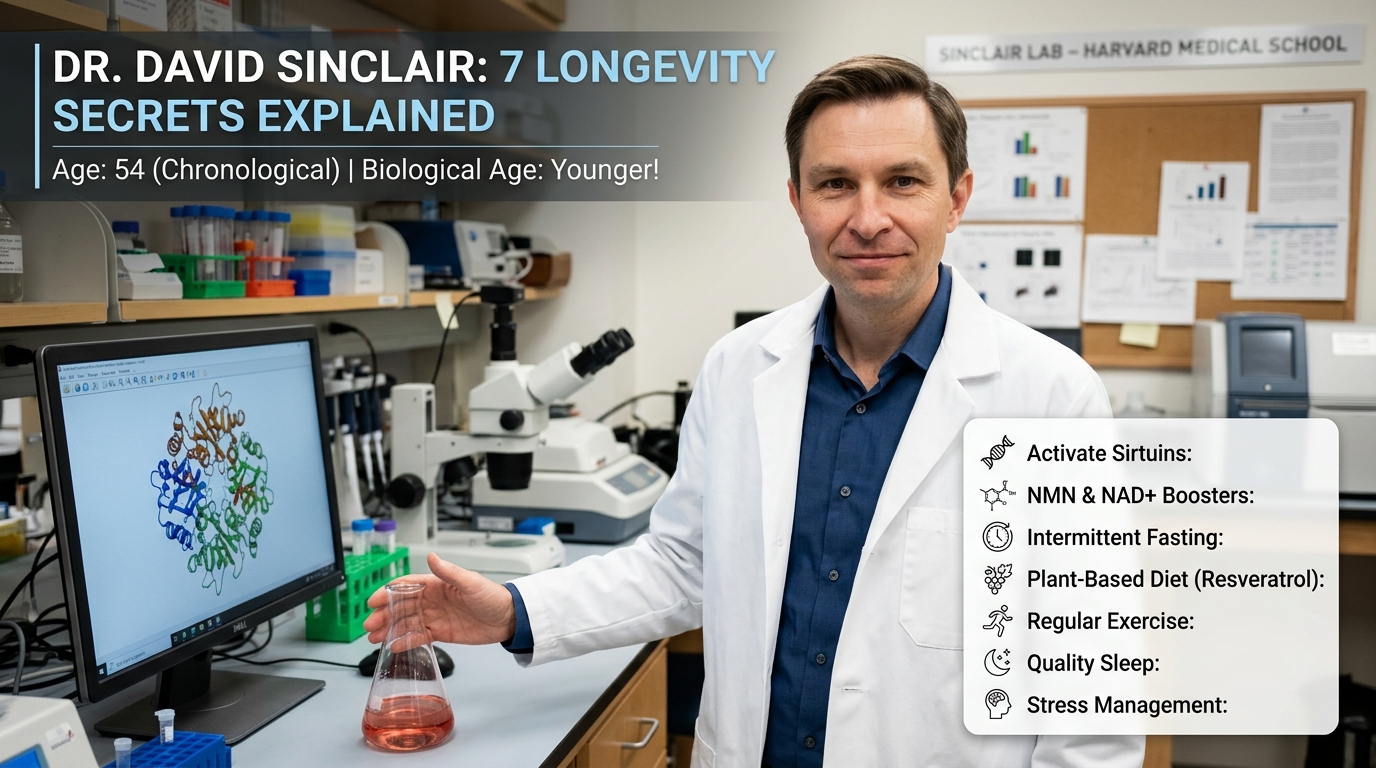
Table of Contents
- Who is David Sinclair? A Leading Voice in Longevity
- David Sinclair’s Chronological Age and Biological Indicators
- The Science of Aging: Sinclair’s Information Theory and Key Pathways
- Sinclair’s Personal Longevity Protocol: Supplements
- Dietary Strategies for Longevity: Fasting and Plant-Based Eating
- Beyond Diet: Lifestyle Habits and Exercise
- Controversies and Criticisms in Longevity Research
- The Future of Aging and Sinclair’s Vision
- Conclusion
David Sinclair, an Australian-American biologist and professor of genetics at Harvard Medical School, has emerged as one of the most prominent and often provocative figures in the field of longevity research. His work, particularly on the molecular biology of aging, has captivated both the scientific community and the general public, sparking widespread interest in the possibility of extending human healthspan and even lifespan. Sinclair’s compelling narrative, coupled with his personal practices and public advocacy, has made him a torchbearer for the idea that aging is not an inevitable decline but a treatable condition that can be slowed or even partially reversed. This article delves into David Sinclair’s age, his groundbreaking research, and the specific longevity secrets he espouses, offering a comprehensive look at his contributions and the ongoing discussions surrounding his work.
Who is David Sinclair? A Leading Voice in Longevity
David Andrew Sinclair, born on June 26, 1969, in Sydney, Australia, has dedicated his career to unraveling the mysteries of aging. He currently holds a professorship in genetics at Harvard Medical School and is the founding director of the Paul F. Glenn Laboratories for the Biological Mechanisms of Aging at Harvard. Sinclair earned his bachelor of science in biochemistry in 1991 and a Ph.D. in molecular genetics in 1995 from the University of New South Wales, Sydney, where his research focused on gene regulation in yeast.
His academic journey led him to MIT for postdoctoral work, where he co-discovered the crucial role of sirtuin enzymes in mitigating age-related cellular damage in yeast. This foundational work laid the groundwork for much of his subsequent research. Sinclair is also the co-author of the bestselling book “Lifespan: Why We Age – and Why We Don’t Have To,” which has further amplified his message and made complex longevity science accessible to a broader audience. Through his lab and various biotech companies, he has been instrumental in advancing the understanding of aging mechanisms and exploring potential interventions.
David Sinclair’s Chronological Age and Biological Indicators
As of June 2026, David Sinclair is 56 years old, having been born in June 1969. However, one of the intriguing aspects of Sinclair’s public profile is his consistent claim of having a biological age significantly younger than his chronological age. Biological age, unlike chronological age, is a measure of an individual’s physiological health and cellular vitality, often assessed through biomarkers such as DNA methylation patterns and blood markers.
Sinclair has frequently stated that, despite being in his fifties, his biological age tests indicate he is in his early forties or even thirties. He attributes this perceived age reversal to his rigorous adherence to a specific longevity protocol, encompassing dietary strategies, exercise, targeted supplementation, and lifestyle choices. He suggests that his blood biochemistry, including testosterone, glucose, inflammation markers, and blood cell composition, is healthier than that of a 20-year-old. This personal experience serves as a powerful testament to his beliefs and research, motivating many to explore similar approaches to health and aging.
The Science of Aging: Sinclair’s Information Theory and Key Pathways
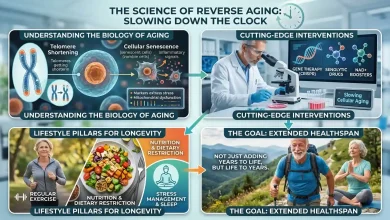
At the heart of David Sinclair’s work is his “Information Theory of Aging.” This theory posits that aging is primarily driven by a loss of epigenetic information within cells, rather than solely by genetic mutations or accumulated damage to DNA. According to Sinclair, while the genetic code (hardware) remains largely intact, the epigenome (software)—which controls gene expression—gets corrupted over time, leading to cellular dysfunction and the manifestation of aging. He likens it to a scratched CD: the music (DNA) is still there, but the player (epigenome) can’t read it properly, causing errors.
Sinclair’s lab has provided compelling evidence that epigenetic changes are a conserved cause of aging. Their research suggests that the redistribution of chromatin-modifying proteins to sites of DNA damage can alter gene expression and cellular identity, contributing to aging. This “epigenetic dysregulation” is a central theme in their studies.
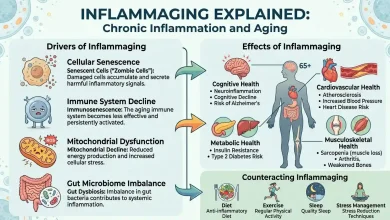
Key biological pathways and molecules frequently discussed in Sinclair’s research include:
- Sirtuins: These are a family of NAD+-dependent enzymes (also known as “longevity genes”) that play critical roles in DNA repair, gene expression, and mitochondrial maintenance. Sinclair’s early work focused on sirtuin 1 (Sir2 in yeast) and its role in slowing aging. Activation of sirtuins is a cornerstone of many anti-aging strategies.
- NAD+ (Nicotinamide Adenine Dinucleotide): An essential coenzyme found in all living cells, NAD+ is crucial for metabolic processes, DNA repair, and the proper functioning of sirtuins. NAD+ levels naturally decline with age, and boosting these levels through precursors like NMN (Nicotinamide Mononucleotide) is a major focus of Sinclair’s protocol.
- Resveratrol: A polyphenol found in red wine and grapes, resveratrol has been studied for its potential to activate sirtuins and mimic the effects of caloric restriction. While early research, much of it from Sinclair’s lab, showed promise in various animal models, its effectiveness and optimal dosage in humans remain a subject of ongoing debate and scientific scrutiny.
- Yamanaka Factors: More recently, Sinclair’s lab has explored the use of specific Yamanaka transcription factors (Oct4, Sox2, and Klf4) for epigenetic reprogramming. Their research in mice demonstrated that these factors could reverse the age of human and mouse cells and restore vision in old mice and those with glaucoma, suggesting that cells retain latent epigenetic information that can be accessed for rejuvenation.
Sinclair’s Personal Longevity Protocol: Supplements
David Sinclair’s personal supplement regimen is one of the most frequently discussed aspects of his longevity protocol. While he emphasizes that his choices are based on his understanding of current scientific research and are not medical advice, he has openly shared the compounds he takes. It’s important to note that his regimen has evolved over time, with some supplements being reconsidered or used selectively.
Here’s a breakdown of the key supplements Sinclair has been known to take:
| Supplement | Approximate Daily Dosage (as per various reports) | Proposed Mechanism / Benefits | Notes on Sinclair’s Usage |
|---|---|---|---|
| Nicotinamide Mononucleotide (NMN) | 1 gram (1000 mg) daily | NAD+ precursor, boosts NAD+ levels essential for sirtuin function, DNA repair, and cellular energy. | Consistently taken in the morning. Often paired with resveratrol for synergistic effects. |
| Resveratrol | 1 gram (1000 mg) daily | Activates sirtuins (especially SIRT1), acts as an anti-inflammatory and antioxidant. | Taken with fat (e.g., yogurt or olive oil) in the morning to improve absorption. Effectiveness in humans is debated. |
| Metformin | 800-1000 mg, typically in the evening | Prescription drug for type 2 diabetes, acts on AMPK pathway, improves glucose utilization. May have longevity benefits. | Used previously and now approached cautiously; sometimes skipped around workouts to avoid blocking exercise benefits. |
| Vitamin D3 | 4,000-5,000 IU daily | Strengthens bones, boosts immune system, reduces inflammation, supports heart health. | Dosage based on blood levels; often combined with Vitamin K2. |
| Vitamin K2 (MK-7) | 180-360 mcg daily | Works synergistically with Vitamin D3, directs calcium to bones, protects heart health. | Prefers MK-7 form for better absorption and longer retention. |
| Spermidine | 1-2 mg daily | Promotes autophagy (cellular self-cleaning), supports DNA stability, reduces inflammation. | Discussed favorably; recommends getting it from food when possible. |
| Fisetin & Quercetin | Fisetin: 500 mg daily; Quercetin: 500 mg daily | Senolytics, help clear senescent (“zombie”) cells that accumulate with aging. | Used periodically rather than daily. Sinclair notes potential for quercetin to inhibit sirtuin 6 and NRF-2 if over-supplemented. |
| Trimethylglycine (TMG/Betaine) | 500-1,000 mg daily | May prevent methyl depletion when taking NAD+ precursors. | Considered to work well with NMN supplementation. |
| L-Taurine | 2 grams daily | Not widely specified in all reports, but mentioned in some comprehensive lists. | Specific benefits for longevity are still being researched. |
| Omega-3 Fish Oil (EPA/DHA) | Dosage not specified by Sinclair, but experts suggest 2g EPA, 1.5g DHA. | Anti-inflammatory, supports brain and cardiovascular health. | Sinclair has discussed its benefits. |
Dietary Strategies for Longevity: Fasting and Plant-Based Eating
Beyond supplements, David Sinclair places significant emphasis on dietary habits as a cornerstone of his longevity protocol. His approach revolves around caloric restriction, intermittent fasting, and a largely plant-based diet, all aimed at activating the body’s natural survival and repair pathways.
- Intermittent Fasting: Sinclair is a strong proponent of intermittent fasting, typically skipping breakfast and often lunch, to achieve a fasting window of 16 hours or more daily. He believes that mild caloric stress, or “being a little bit hungry,” activates longevity genes, including the sirtuin and AMPK pathways, which drive cellular repair and autophagy (the body’s cellular self-cleaning process). He aims for one to two meals per day, sometimes following an OMAD (One-Meal-A-Day) approach.
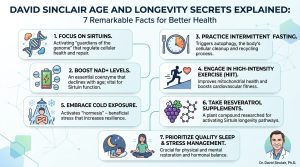
- Plant-Focused Diet: Sinclair primarily adheres to a plant- and nut-based diet, minimizing or eliminating meat and dairy products. He advocates for consuming less sugar and refined carbohydrates, which he views as accelerators of aging due to glycation and metabolic dysregulation. His meals often include colorful vegetables, rice, almonds, couscous, and nut-based milk. He also enjoys green matcha tea, known for its polyphenols and EGCG, an anti-aging compound.
- Caloric Restriction Mimicry: While not strictly adhering to severe caloric restriction every day, his fasting and dietary choices aim to mimic its beneficial effects on longevity pathways. He has been reported to consume around 1,100 calories a day, a regimen that is low in calories, carbs, and protein, and high in healthy fats. This approach is thought to replicate the body’s natural response to fasting, supporting energy use and stress response.
- Hydration: Sinclair emphasizes the importance of staying well-hydrated throughout the day, often drinking hot water with lemon or plain water continuously. He also consumes black coffee in the morning, believing it does not significantly break his fast and offers its own polyphenol benefits.
Beyond Diet: Lifestyle Habits and Exercise
In addition to his dietary and supplement protocols, David Sinclair incorporates several lifestyle habits into his routine to promote longevity and maintain a younger biological age. These habits often align with established health recommendations but are specifically chosen for their potential to activate cellular survival pathways.
- Regular Exercise: Sinclair advocates for consistent physical activity, combining strength training, cardio workouts, and short bursts of intense exercise (HIIT). He aims to get his breathing and heart rate up for at least 10 minutes, three times a week, to stimulate muscle building, improve blood flow, and release age-slowing chemicals. He also uses tools like a standing desk and a stepper under his desk to avoid prolonged sitting.
- Adequate Sleep: Recognizing the critical role of sleep in overall health and repair, Sinclair prioritizes getting at least six to eight hours of sleep per night. He has mentioned using a bed that can lower his body temperature, which can aid in sleep quality.
- Stress Reduction: Chronic stress is known to accelerate aging through inflammation. Sinclair makes conscious efforts to reduce stress by scheduling quiet times throughout his day and choosing to spend time with people who promote positive interactions.
- Oral Hygiene: An interesting aspect of his routine is rinsing his mouth with coconut oil every morning, a practice believed to improve the mouth’s microbial composition.
- Cold Exposure: While not as frequently detailed as other aspects, Sinclair has discussed the benefits of cold exposure as part of his routine, which can activate stress response pathways beneficial for longevity.
- Avoidance of Toxins: He has eliminated alcohol from his diet and generally avoids processed foods, adhering to the principle that “the longer your foods last, the shorter you will”.
Controversies and Criticisms in Longevity Research
Despite his significant contributions and widespread influence, David Sinclair’s work and advocacy have not been without controversy and criticism within the scientific community. These debates often center on the interpretation of research findings, the commercialization of anti-aging compounds, and the scientific rigor of certain claims.
One of the most enduring controversies revolves around resveratrol. While Sinclair’s lab published seminal work on its sirtuin-activating properties and lifespan extension in laboratory animals, subsequent studies, including attempts to replicate findings by pharmaceutical giant GlaxoSmithKline (which acquired Sinclair’s company Sirtris), yielded inconsistent results, particularly in non-yeast models. Critics argue that the evidence for resveratrol’s direct anti-aging effects in humans at dietary doses is still inconclusive or overstated.
More recently, Sinclair has faced backlash for claims related to “age reversal.” In January 2023, his lab published research in Cell purporting to support his Information Theory of Aging and demonstrating that Yamanaka factors could exert some control over senescence and rejuvenation in mice. However, this paper received a formal reply pointing out that the treatment used was known to produce p53-dependent cell death in the timeframe the mice were not observed.
Further controversy arose in early 2024 when Sinclair’s dog-supplement company, Animal Biosciences, issued a press release claiming to have developed “the first supplement proven to reverse aging in dogs”. This claim sparked a “cascade” of resignations from The Academy for Health and Lifespan Research, an organization Sinclair co-founded and led. Prominent longevity researchers, including Dr. Matt Kaeberlein, called the statement “a lie” and labeled Sinclair’s approach as “snake oil salesmanship,” citing concerns about insufficient evidence and the commercialization of unproven claims. While Sinclair contended he was misquoted and the claim should have been “proven to reverse the effects of aging in dogs,” the incident highlighted broader concerns about integrity and the potential for overhyping scientific findings for commercial gain.
Critics also point to the fact that much of Sinclair’s research on specific compounds is often conducted in simple organisms or animal models, and direct translation to humans is not always straightforward or proven. The ethical implications of promoting supplements and lifestyle protocols that may carry risks, especially when based on preliminary or debated evidence, are also a subject of ongoing discussion.
Despite these criticisms, Sinclair remains a significant figure, and his work has undoubtedly propelled the field of aging research into the public consciousness, fostering more funding and interest in understanding and combating age-related diseases. For further insights into the ongoing discussions and scientific advancements in longevity research, one can explore resources such as Wikipedia’s page on Longevity Research, which provides a broad overview of the field and its diverse perspectives.
The Future of Aging and Sinclair’s Vision
David Sinclair’s vision for the future of aging is one where the process is no longer viewed as an inevitable fate but as a treatable condition, akin to a disease. He believes that humanity is on the cusp of significant breakthroughs that could dramatically extend healthy human lifespan, enabling people to live longer, more vibrant lives free from age-related debilities.
His research continues to explore the plasticity of the epigenome and the potential for “rebooting” cellular information to restore youthful functions. The idea that cells retain a “backup copy” of youthful epigenetic information, which can be accessed to reverse aspects of cellular aging, offers a paradigm shift in how scientists approach age-related functional decline and potential therapeutic strategies. Sinclair envisions a future where personalized longevity interventions, based on an individual’s biological age and genetic predispositions, become commonplace. These interventions might combine genetic therapies, pharmacological compounds (like NAD+ boosters and sirtuin activators), and optimized lifestyle choices to slow or even reverse biological aging.
While acknowledging the complexities and challenges, Sinclair remains optimistic about the potential to develop therapies that target the root causes of aging. He is involved in numerous biotech companies focused on developing gene therapies and other interventions aimed at age-related diseases. His work aims not just to extend life, but to extend “healthspan,” ensuring that additional years are lived with vitality and without significant health impairments. This includes research into areas like restoring vision in aged models through epigenetic reprogramming, a promising avenue for combating age-related sensory decline.
Conclusion
David Sinclair stands as a prominent and often polarizing figure in the quest for human longevity. His chronological age of 56 belies his claimed younger biological age, a testament to his unwavering commitment to his research and personal longevity protocol. Through his “Information Theory of Aging,” he has profoundly influenced the scientific understanding of why we age, shifting focus towards epigenetic changes as a fundamental cause. His advocacy for key pathways like sirtuins and NAD+, along with his personal regimen of supplements, intermittent fasting, and a plant-based diet, has inspired millions globally to consider proactive approaches to aging. While his claims and the commercial aspects of his work have faced scrutiny and debate from within the scientific community, there is no denying the profound impact David Sinclair has had on popularizing longevity research. His persistent exploration of the molecular mechanisms of aging and his vision for a future where aging is a treatable condition continue to drive scientific inquiry and public discourse, pushing the boundaries of what is believed possible in extending human healthspan and potentially, lifespan itself.