7 Essential Caregiver Support Tips – When Elderly Care Consumes Your Life
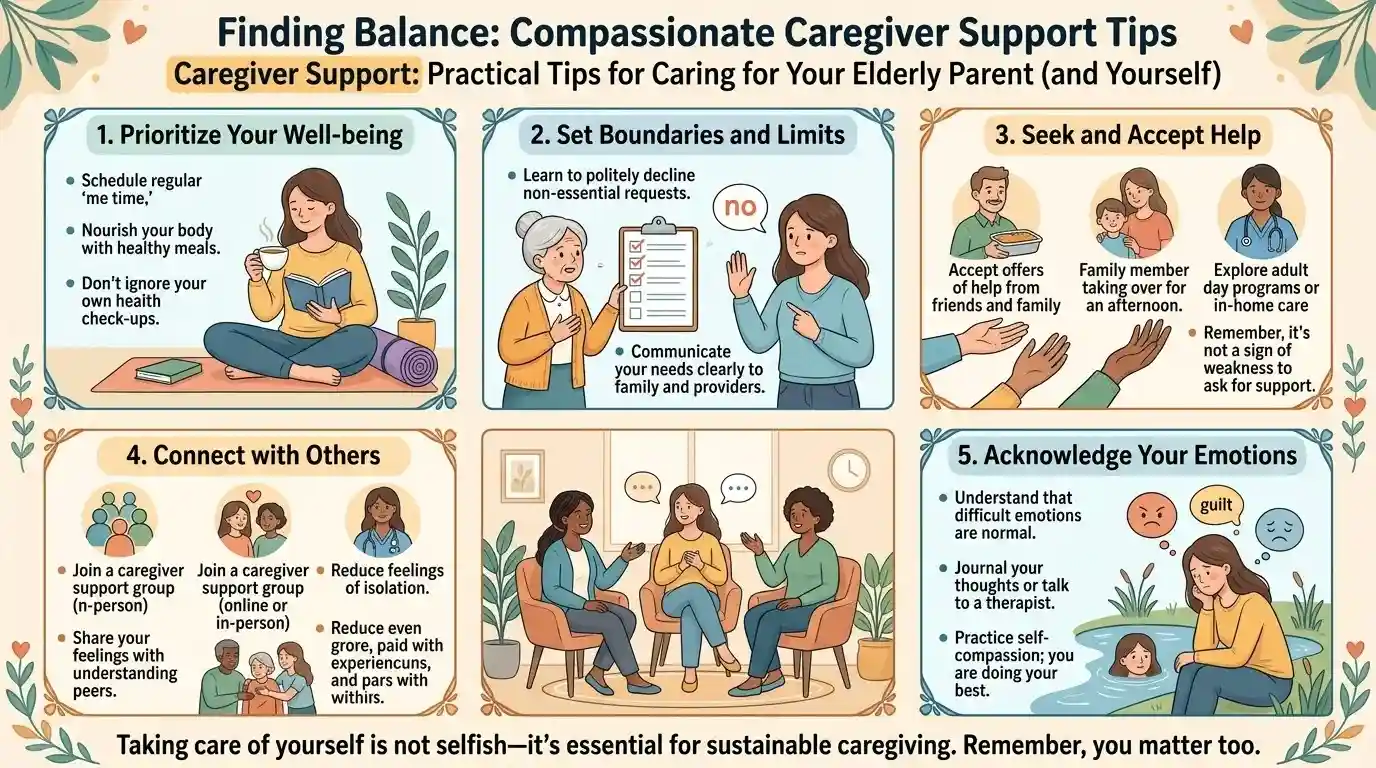
Table of Contents
My Elderly Mother Is Consuming My Life: This sentiment echoes a profound challenge faced by millions globally – the often-overwhelming reality of caring for an aging parent. While driven by love and a sense of duty, the demands of elder care can gradually erode a caregiver’s personal life, mental health, and physical well-being. It’s a journey filled with complex emotions, ranging from deep satisfaction to immense frustration, guilt, and exhaustion. Understanding that these feelings are normal and widespread is the first step towards finding sustainable solutions. This comprehensive guide aims to equip caregivers with practical strategies, resources, and emotional support tips to navigate this demanding role, reclaim parts of their lives, and continue providing compassionate care without sacrificing themselves.
Understanding the Caregiver’s Burden: When Love Feels Overwhelming
The act of caring for an elderly parent is undeniably an act of love, yet it often comes with a significant and often underestimated burden. Many adult children step into this role gradually, perhaps starting with occasional errands or doctor’s appointments, only to find themselves immersed in a full-time commitment that dictates their schedules, decisions, and even their emotional landscape. This isn’t just about physical tasks; it involves managing medications, navigating complex healthcare systems, handling finances, providing emotional support, and often dealing with cognitive decline or challenging behaviors.
The “consuming” feeling often arises from the sheer unpredictability and ceaseless nature of caregiving. There are no off-hours, sick days, or easy solutions when dealing with the frailties of old age. This constant state of vigilance can lead to a phenomenon known as caregiver burnout, a state of physical, emotional, and mental exhaustion. Research consistently highlights the severe impact on caregivers, with a significant percentage experiencing higher levels of stress, anxiety, and depression compared to non-caregivers. For instance, studies show that 40 to 70 percent of family caregivers exhibit symptoms of depression. The mental and emotional toll can manifest as feelings of isolation, resentment, guilt, and a profound loss of personal freedom. Recognizing that these feelings are a direct consequence of the demanding role, rather than a personal failing, is crucial for beginning to address the challenges effectively.
Recognizing the Emotional and Physical Toll of Caregiving
The impact of caregiving extends far beyond mental and emotional strain, deeply affecting a caregiver’s physical health. Many caregivers report a decline in their own physical well-being, often neglecting personal health needs, skipping meals, or missing doctor’s appointments to prioritize their loved one’s care. This neglect can lead to chronic health problems and a decreased quality of life.
Statistics paint a stark picture: 41% of caregivers report low overall well-being, a figure 32% higher than non-caregivers. Only 23% of caregivers report having “good” mental health, with 40% stating that their caregiving responsibilities negatively impact their stress levels. The chronic stress associated with caregiving can have long-term health consequences, potentially impacting the immune system and increasing the risk of developing chronic illnesses. Caregivers providing 20 hours or more of care per week are particularly susceptible to higher levels of distress and poorer mental health. For those caring for individuals with dementia, the emotional stress and depression rates are often even higher, with studies showing 30% to 40% of dementia caregivers suffering from depression.
Beyond the statistics, the lived experience is one of profound exhaustion, often characterized by:
- Chronic Fatigue: Constant demands and disrupted sleep patterns can lead to persistent tiredness.
- Increased Stress and Anxiety: Worry over the care recipient’s health, financial strain, and future can cause constant anxiety. 87% of caregivers report experiencing stress and anxiety at some point, with over half experiencing it weekly.
- Depression and Feelings of Overwhelm: A sense of hopelessness, sadness, and being unable to cope is common. 84% of caregivers feel overwhelmed, and more than one-third report recurring feelings of depression.
- Social Isolation: Caregiving can limit opportunities for social interaction, leading to loneliness.
- Physical Ailments: Headaches, stomach problems, and a weakened immune system are frequently reported.
- Compassion Fatigue: A unique form of emotional and physical exhaustion resulting from the deep emotional investment in caring for someone who is suffering.
Setting Healthy Boundaries: A Crucial Step for Caregiver Well-being
One of the most challenging, yet vital, aspects of sustained caregiving is establishing and maintaining healthy boundaries. When “My elderly mother is consuming my life” becomes a recurring thought, it signals a need for clearer lines between your life and your caregiving responsibilities. Boundaries are not about withholding love or abandoning your parent; they are about protecting your own physical and emotional health to ensure you can continue to provide care effectively and sustainably.
Setting boundaries can feel unnatural, especially with parents who may resist changes or view them as disrespectful. However, clear communication and consistent enforcement are key. Here are practical steps:
- Communicate Needs and Expectations: Have honest conversations about what you can and cannot do. Clearly articulate your limits regarding time, tasks, and emotional availability.
- Establish Routines: Set specific times for calls or visits. For example, if your parent frequently calls during your work hours, establish a dedicated time each evening for communication. This helps manage interruptions and sets expectations.
- Identify What You Will and Won’t Accept: This is the core of boundary setting. For instance, you might agree to help with appointments and meals but state that you will not tolerate yelling or disrespectful behavior.
- Protect Your Own Space and Time: It’s okay to have private areas in your home if your parent lives with you, or to allocate an hour alone after work. Saying “no” occasionally is a valid form of self-care.
- Validate Feelings, But Hold Firm: Acknowledge your parent’s feelings about aging and loss of independence without trying to “fix” them. You are not responsible for their emotions.
- Seek Professional Facilitation: If conversations are difficult, consider involving a mediator, such as a family therapist or geriatric care manager, to help facilitate discussions.
Remember, boundaries are flexible and may need to be reevaluated over time as circumstances change. The goal is to create a sustainable caregiving environment that respects the needs of both the caregiver and the care recipient.
Practical Support Systems: Respite Care and Community Resources
No caregiver can or should do it all alone. A robust support system is essential to prevent burnout and ensure the long-term well-being of both caregiver and care recipient. Respite care is a critical component of this system, offering temporary relief and a much-needed break for primary caregivers.
What is Respite Care?
Respite care provides short-term relief, allowing caregivers to rest, travel, run errands, or simply attend to their own health. It can range from a few hours to several weeks.
Types of Respite Care:
- In-Home Respite Care: A professional caregiver, friend, or volunteer comes to the home to provide companionship, personal care, or homemaker services. This allows the senior to remain in a familiar environment.
- Adult Day Centers: These centers offer a safe and engaging environment for seniors during the day, with planned activities, meals, and supervision.
- Residential or Facility-Based Respite Care: Short-term, overnight stays are available in assisted living or nursing home facilities, suitable for longer breaks or when the senior requires more intensive supervision.
Finding Respite Care and Other Community Resources:
Several national and local organizations are dedicated to supporting caregivers and can help connect you with respite services and other resources.
| Resource Type | Description & How They Help | Example Organizations/Services |
|---|---|---|
| Respite Care Providers | Offer temporary relief for caregivers, ensuring the elderly loved one receives care while the primary caregiver rests or attends to personal needs. Can be in-home, adult day centers, or short-term facility stays. | ARCH National Respite Network and Resource Center, local home care agencies, adult day care centers. |
| Area Agencies on Aging (AAAs) | Local hubs for senior services and caregiver support. They can provide information on local programs, eligibility for public funding, and approved providers. | USAging’s Eldercare Locator can help find your local AAA. |
| Caregiver Support Organizations | Provide extensive resources, educational materials, community support, and information about caregiving best practices. | Caregiver Action Network (CAN), National Alliance for Caregiving, Family Caregiver Alliance (FCA). |
| Government Programs | Federal and state programs offering grants, benefits, or services to older adults and their caregivers. These can include information, access to services, counseling, training, and supplemental services. | U.S. Administration on Aging (AoA), National Family Caregiver Support Program (NFCSP). |
It is highly recommended to research options for respite care before they are urgently needed, allowing time to interview providers and make informed decisions. The National Institute on Aging emphasizes that accepting help is crucial, even if it feels uncomfortable at first.
Navigating Financial and Legal Considerations in Elderly Care
The financial and legal aspects of caring for an elderly parent can be complex and add significant stress to a caregiver’s life. The average family caregiver spends around $7,200 per year out of pocket on caregiving expenses, with 90% contributing some form of financial support. On average, caregivers spend 26% of their income on care-related costs. This can lead to financial strain, with 71% of caregivers reportedly struggling financially.
Financial Assistance Options:
- Medicaid Programs: Many states offer Medicaid waiver programs or self-directed care options that may allow family members to be compensated for caregiving services. Eligibility criteria vary by state and for the care recipient.
- Veterans Benefits: Veterans and their caregivers may be eligible for programs that offer stipends, respite, and other support services. The VA Caregiver Support Line (1-855-260-3274) is a key resource.
- Long-Term Care Insurance: If your elderly parent has a long-term care insurance policy, it may cover some costs of in-home care, assisted living, or respite care, and in some cases, may even pay informal (family) caregivers.
- Employer Benefits: Some employers offer caregiver benefits or allow for Family and Medical Leave Act (FMLA) leave, which, while often unpaid, can protect your job while you take time off for caregiving.
- Tax Breaks: There are various federal and state tax deductions and credits available for caregivers and those with medical expenses. Consulting a tax professional specializing in elder care can help identify eligible deductions.
- Area Agencies on Aging (AAAs): These agencies can provide information about local grants and funding for which your loved one may be eligible, such as assistance with energy bills or home repairs.
Legal Considerations:
It is crucial to address legal aspects proactively to avoid future complications.
- Power of Attorney (POA): Ensure you have legal documents like a Durable Power of Attorney for finances and a Healthcare Power of Attorney (or Advance Directive) in place. These documents empower you to make decisions on your parent’s behalf if they become incapacitated.
- Wills and Trusts: Discuss your parent’s will and estate plans. Ensure they are up-to-date and reflect their wishes. A living trust can help manage assets and avoid probate.
- Guardianship/Conservatorship: In situations where a parent lacks the capacity to make their own decisions and has not appointed a POA, legal guardianship or conservatorship may be necessary, though it is a more complex and often public legal process.
- Caregiver Agreements: If you are being paid for your caregiving services, especially if through Medicaid or other family members, consider drafting a formal caregiver agreement. This legally binding document outlines services provided, compensation, and other terms, helping to prevent misunderstandings or disputes among family members. Work with an elder law attorney for this.
Seeking advice from an elder law attorney is highly recommended to understand the specific laws in your state and to create a solid legal and financial plan. An attorney can also help in situations where family conflict arises over caregiving responsibilities or financial matters.
For comprehensive information on financial assistance, an excellent resource to consider is the National Council on Aging’s guide on getting paid as a family caregiver.
Prioritizing Self-Care: Why It’s Not Selfish, It’s Essential
When you feel that your elderly mother is consuming your life, the idea of “self-care” can seem like a luxury or even feel selfish. However, for caregivers, self-care is not an indulgence; it is a fundamental necessity for maintaining your own health, preventing burnout, and sustaining your ability to provide care. As the saying goes, “You cannot pour from an empty cup.” Neglecting your own needs can lead to severe mental and physical health deterioration, ultimately impacting the quality of care you can provide.
Strategies for Incorporating Self-Care:
- Schedule “Me Time”: Just as you schedule your parent’s appointments, schedule your own time for relaxation, hobbies, or simply being alone. Even short, regular breaks can make a significant difference.
- Maintain Physical Health: Prioritize adequate sleep, regular exercise, and a healthy diet. Caregivers often neglect these basics, leading to increased fatigue and vulnerability to illness.
- Engage in Enjoyable Activities: Don’t give up hobbies or social activities that bring you joy. These are vital for emotional rejuvenation and maintaining your identity outside of caregiving. Many caregivers actively engage in self-care behaviors such as exercise, socializing, hobbies, and creative activities, and nearly three-quarters make time for self-care weekly.
- Practice Mindfulness and Stress Reduction: Techniques like meditation, deep breathing exercises, or simply spending time in nature can help manage stress and improve mental clarity.
- Seek Professional Support: Consider individual therapy or counseling to process complex emotions like grief, resentment, or guilt. A therapist can provide coping strategies and a safe space to talk.
- Delegate and Accept Help: Don’t try to be a superhero. Delegate tasks to other family members, friends, or hired help. Learn to accept offers of assistance, no matter how small.
- Recognize Your Limits: Understand that you cannot do everything, and it’s okay to say “no” or seek external services when demands exceed your capacity.
Prioritizing self-care is an act of responsibility, not selfishness. It ensures that you remain physically and emotionally capable of navigating the challenges of caregiving while also preserving your own life and well-being.
Effective Communication Strategies with Your Elderly Mother and Family
Communication is often at the heart of both successful caregiving and significant caregiver stress. Misunderstandings, unspoken expectations, and emotional dynamics can quickly escalate tensions when caring for an elderly parent. Developing effective communication strategies with your mother and other family members is paramount.
Communicating with Your Elderly Mother:
- Practice Empathetic Listening: Try to understand her perspective, even if you don’t agree. Validate her feelings about loss of independence, fear, or frustration.
- Be Clear and Direct, Yet Kind: When discussing boundaries or care decisions, use simple, respectful language. Avoid arguments or overly defensive stances.
- Involve Her in Decisions (When Appropriate): Allow her to maintain as much autonomy as possible. Giving her choices, even small ones, can empower her and reduce resistance.
- Choose Your Moments: Avoid critical conversations when either of you is tired, stressed, or emotional. Pick calm times for important discussions.
- Use “I” Statements: Instead of “You always do X,” try “I feel overwhelmed when Y happens.” This focuses on your feelings rather than placing blame.
- Create a Written Plan/Routine: For parents with memory issues, a physical calendar or written routine can help them understand what’s happening and what’s expected, reducing anxiety and repeated questions.
Communicating with Other Family Members:
Caregiving often falls disproportionately on one family member. Open and honest communication among siblings and other relatives is essential to distribute responsibilities and garner support.
- Hold Regular Family Meetings: Schedule dedicated times to discuss your mother’s care needs, current challenges, and how responsibilities can be shared. Consider including a neutral third party, like a geriatric care manager, to mediate.
- Define Roles and Responsibilities: Clearly assign tasks based on availability, skills, and proximity. A written care plan can help avoid misunderstandings and ensure everyone knows their part.
- Share Information: Keep all involved family members updated on your mother’s health status, doctor’s appointments, and any changes in her condition.
- Be Specific When Asking for Help: Instead of a general plea, ask for concrete assistance: “Can you take Mom to her physical therapy appointment on Tuesdays?” or “Could you cover weekend care once a month?”
- Address Resentment or Unfairness: If you feel other family members aren’t contributing enough, express your feelings calmly and present the facts of your burden. This is where a family meeting can be crucial to re-distribute tasks.
Effective communication fosters cooperation, reduces stress, and strengthens family bonds, transforming a solitary burden into a shared responsibility.
Seeking Professional Help and Joining Caregiver Support Groups
When the challenges of caring for an elderly mother feel overwhelming, and the thought “My elderly mother is consuming my life” persists, it’s a clear signal that external help is not just beneficial, but necessary. Professional support and peer support groups offer invaluable resources, guidance, and a sense of community that can significantly lighten the caregiver’s load.
Professional Help:
- Geriatric Care Managers: These professionals specialize in elder care and can assess your mother’s needs, create a comprehensive care plan, coordinate services, and even mediate family discussions. They can be a lifeline in navigating complex care systems.
- Therapists/Counselors: Individual therapy can provide a safe space to process the intense emotions associated with caregiving, such as grief, anger, resentment, and guilt. Therapists can teach coping mechanisms, stress management techniques, and strategies for setting boundaries. Family therapy can also help resolve conflicts among family members regarding care responsibilities.
- Elder Law Attorneys: As discussed, these legal experts can help with financial planning, estate planning, powers of attorney, and navigating government benefits.
- Financial Planners: Specialists in elder care finance can help manage costs, explore payment options, and plan for long-term care expenses.
Caregiver Support Groups:
Joining a support group can provide immense emotional validation and practical advice. These groups offer a unique environment where caregivers can connect with others facing similar challenges.
- Emotional Support: Sharing experiences with peers who truly understand can reduce feelings of isolation and loneliness. Hearing others’ stories and realizing you’re not alone can be profoundly comforting.
- Coping Strategies: Group members often share practical tips, resources, and coping mechanisms they’ve found effective. This collective wisdom can be incredibly valuable.
- Validation: In a world that often doesn’t fully grasp the caregiver’s burden, a support group offers a space where your feelings are validated, and your struggles are acknowledged without judgment.
- Advocacy and Resources: Many support groups, or the organizations that host them, can connect you to local and national resources, legal aid, respite services, and financial assistance programs. The Caregiver Action Network (CAN) and Family Caregiver Alliance (FCA) are examples of organizations that offer extensive resources and support groups. The Eldercare Locator is another public service that connects individuals to local resources for older adults and their families.
Support groups can be found through local hospitals, community centers, religious organizations, specific disease associations (e.g., Alzheimer’s Association), and national caregiver organizations. Both in-person and online groups are available, offering flexibility for busy caregivers.
Conclusion
Caring for an elderly mother can undoubtedly feel all-consuming, a complex blend of love, duty, and immense personal sacrifice. However, it doesn’t have to lead to complete self-neglect or an erosion of your own life. By proactively implementing caregiver support tips—such as setting healthy boundaries, tapping into practical support systems like respite care, navigating financial and legal complexities, prioritizing self-care as a non-negotiable necessity, and employing effective communication strategies—caregivers can create a more balanced and sustainable environment.
Recognizing the emotional and physical toll that caregiving takes is the first step toward seeking help. Whether through professional guidance from geriatric care managers and therapists or the invaluable peer support found in caregiver groups, connecting with external resources is not a sign of weakness but a testament to strength and foresight. Remember, your well-being is intrinsically linked to your ability to provide compassionate care. By taking deliberate steps to support yourself, you can continue to honor your commitment to your elderly mother while reclaiming and enriching your own life. You are not alone in this journey, and help is available to ensure that caregiving remains an act of love, not a path to personal depletion.