7 Essential Elderly Care Tips for Families and Communities

Table of Contents
Elderly people care is a multifaceted responsibility that increasingly falls upon families and communities as populations worldwide continue to age. As individuals live longer, thanks to advancements in healthcare and living conditions, the need for comprehensive and compassionate care for seniors becomes paramount. This guide aims to provide families, caregivers, and community organizations with essential information, practical strategies, and resources to ensure the well-being, dignity, and independence of elderly individuals.
Understanding the Diverse Needs of Elderly Individuals
Caring for the elderly begins with a deep understanding of their unique and evolving needs. Aging is a highly individual process, and while some common challenges exist, each senior’s situation is distinct, shaped by their health, lifestyle, social connections, and personal preferences. Recognizing these varied needs is crucial for providing person-centered care that truly enhances their quality of life. Older adults often face increased risks of chronic health conditions like type 2 diabetes, dementia, and heart disease.
Physical Needs:
- Mobility and Physical Health: Many seniors experience reduced mobility, making daily tasks challenging. This can range from difficulty walking and balancing to limitations in performing activities of daily living (ADLs) such as bathing, dressing, grooming, and eating. Regular physical activity, even light exercises, is vital to maintain strength and balance and reduce the risk of falls.
- Nutrition and Hydration: Older adults may have specific dietary requirements or difficulties preparing meals, leading to malnutrition or dehydration. Ensuring access to nutritious meals and adequate fluid intake is fundamental.
- Medication Management: Managing multiple medications with different dosing schedules can be confusing and lead to errors. A regular checkup provides an opportunity to review these medications, assess their effectiveness, and make any necessary adjustments.
Emotional and Mental Needs:
- Combating Loneliness and Isolation: Social isolation is a significant concern, leading to adverse mental and emotional effects like depression and anxiety. Meaningful social activities, community engagement, and strong family connections are vital for emotional well-being.
- Cognitive Stimulation: Maintaining cognitive function through engaging activities, hobbies, and learning new skills is crucial for mental agility.
- Sense of Purpose and Dignity: Seniors benefit greatly from feeling valued and having a purpose. Supporting their independence and decision-making fosters dignity and self-worth.
Social Needs:
- Maintaining Connections: Facilitating regular interaction with friends, family, and community groups helps seniors feel connected and reduces feelings of loneliness.
- Community Participation: Engaging in community activities, volunteering, or joining clubs can provide a sense of belonging and promote overall well-being.
Practical Daily Care and Support for Seniors
Providing daily care for elderly individuals often involves a combination of direct assistance and creating an enabling environment. This ensures their basic needs are met while promoting as much independence as possible.
Assistance with Activities of Daily Living (ADLs):
Caregivers frequently assist with personal hygiene, dressing, grooming, toileting, and mobility. These tasks are fundamental to maintaining dignity and health. For instance, ensuring seniors shower or bathe at least once or twice a week can minimize infection risk. Caregivers can also help with picking out and putting on clean clothes.
Meal Preparation and Nutrition:
Planning and preparing nutritious meals tailored to dietary needs is essential. This can include cooking, grocery shopping, and ensuring regular meal times. Organizations like Meals on Wheels America provide nutritious meals to homebound seniors, helping to improve their health and quality of life.
Medication Management:
Implementing a clear system for medication management, such as pill organizers or automated dispensers, can prevent errors. Caregivers should track medication schedules, dosages, and potential side effects, communicating any concerns to healthcare providers.
Light Housekeeping and Home Maintenance:
Maintaining a clean and clutter-free living space is crucial for both hygiene and safety. Assistance with light chores, laundry, and organizing can significantly ease the burden on seniors.
Mobility and Exercise Support:
Encouraging and assisting with gentle exercises, walking, or physical therapy helps maintain strength and flexibility. Caregivers should also help seniors move around to keep them from falling.
Ensuring Safety and a Comfortable Living Environment
Creating a safe and comfortable home environment is critical for elderly individuals, especially as they face increased risks of falls and other household accidents. Simple modifications can significantly reduce these hazards.
Fall Prevention:
- Remove Hazards: Eliminate loose rugs, clear cluttered walkways, and secure electrical cords.
- Install Grab Bars and Handrails: Crucial in bathrooms (near toilets, in showers/bathtubs) and along staircases to provide stability and support.
- Improve Lighting: Ensure adequate, bright, non-glare lighting in all areas, especially hallways, staircases, and bathrooms. Motion-activated lights and night lights can aid nighttime navigation.
- Non-Slip Surfaces: Use non-slip mats in bathrooms and kitchens.
- Accessible Furniture: Replace broken or wheeled furniture with sturdy, reliable options. Consider raised toilet seats and shower benches.
Fire Safety:
- Install and regularly test smoke and carbon monoxide detectors.
- Keep a fire extinguisher in the kitchen.
- Set hot water heaters to no more than 120 degrees Fahrenheit to prevent burns.

Technology for Safety and Independence:
Modern technology offers numerous solutions to enhance safety and independence for seniors. Smart monitoring devices, automated dispensers, and telehealth platforms are transforming elder care. Voice-activated assistants like Amazon Alexa or Google Assistant can control smart devices, set medication reminders, and make calls. Wearable fall detectors can automatically alert emergency contacts or medical services. Smart pill dispensers organize doses and alert users at scheduled times. Additionally, smart home systems, such as automated lighting and smart security systems, can provide peace of mind.
Promoting Mental Well-being and Social Engagement
Mental health is as crucial as physical health for seniors. Social engagement is one of the most effective ways to promote senior mental health. Strategies to improve mental health in seniors involve a multi-faceted approach, including lifestyle changes, social engagement, and physical activity.
Encouraging Social Interaction:
- Community Programs: Join local community centers, clubs, or senior centers that offer various activities.
- Volunteer Work: Volunteering provides a sense of purpose and opportunities for social connections.
- Family Connections: Regular visits, calls, or shared activities with loved ones are vital. Video calls and virtual activities can help bridge geographical distances.
- Hobbies and Groups: Explore hobbies that involve group participation, like book clubs, exercise classes, or art workshops.
Cognitive Stimulation:
- Engage in stimulating conversations, puzzles, reading, and learning new skills. This can help keep the mind sharp and may ward off conditions like dementia.
- Virtual reality (VR) headsets can offer engaging, low-impact ways for seniors to explore and stay mentally active.
Emotional Support:
- Foster meaningful relationships that provide emotional support, laughter, and shared experiences.
- Be aware of signs of depression, anxiety, or social isolation and seek professional help when needed. Depression and anxiety are prevalent mental health concerns among seniors.
Navigating Healthcare and Medical Needs
The healthcare system can be overwhelming for seniors and their families. Proactive management and understanding available resources are key.
Regular Health Checkups and Screenings:
Annual physical checkups are crucial for seniors to detect health issues early, monitor chronic conditions, review medications, and receive tailored health plans. They help catch problems before they become serious. Regular visits also help build a strong relationship with their doctor, leading to more personalized care.
Medication Reviews:
Many seniors are on multiple medications. Regular checkups provide an opportunity to review these medications, assess their effectiveness, and make any necessary adjustments.
Healthcare Advocacy:
Bringing a trusted friend or family member to appointments can be helpful to ensure the senior understands the doctor’s instructions and to take notes for follow-up. Care navigators can also guide older adults and their families through the complex landscape of aging services, connecting them with the right resources.
Telehealth and Remote Monitoring:
Telehealth platforms enable seniors to consult with healthcare providers without leaving home, particularly beneficial for those with mobility challenges or living in rural areas. Remote patient monitoring devices can track vital signs and send real-time data to providers, allowing for early detection of health issues.
| Aspect of Care | Family Role | Community Role | Technology Support |
|---|---|---|---|
| Daily Living & Personal Care | Direct assistance, meal prep, hygiene, mobility support. | Meals on Wheels, adult day care, volunteer programs. | Smart pill dispensers, automated kitchen aids, voice assistants. |
| Safety & Home Environment | Home modifications (grab bars, lighting), clutter removal, emergency plan. | Home assessment services, fall prevention workshops. | Fall detection systems, smart home security, motion-sensor lights. |
| Mental & Social Well-being | Companionship, facilitating social outings, encouraging hobbies. | Senior centers, social clubs, volunteer opportunities, befriending initiatives. | Video call applications, virtual reality experiences, online communities. |
| Healthcare & Medical Needs | Accompanying to appointments, medication management, health advocacy. | Care navigation services, health screenings, senior health clinics. | Telehealth platforms, remote patient monitoring, electronic health records. |
| Financial & Legal Planning | Discussions on costs, managing expenses, estate planning. | Benefits counseling, legal aid services, financial literacy workshops. | Financial planning software, secure online banking tools (with caution). |
Leveraging Community Support Systems and Resources
Communities play a vital role in supporting elderly care by offering a range of services that complement family efforts. Many of these services are designed to help seniors maintain their independence and quality of life while remaining in their homes.
Senior Centers and Activity Programs:
These centers offer social gatherings, recreational outings, health screenings, educational workshops, and group dining experiences, helping to combat loneliness and promote engagement. The Salvation Army, for example, invites senior citizens into relationships with others through senior centers and eldercare programs.
Meal Services:
Programs like Meals on Wheels deliver nutritious meals to homebound seniors, often accompanied by a friendly visit, addressing both nutritional and social needs.
Transportation Services:
Many communities offer assisted transportation services for seniors who have difficulty using regular public transport, ensuring they can attend appointments, shop, and participate in social activities.
Home Health and Personal Care Services:
These services provide in-home assistance with daily tasks, personal hygiene, and sometimes skilled nursing care, allowing seniors to age in place. Non-medical home care can provide assistance with meal preparation and light housekeeping.
Care Navigation and Information Services:
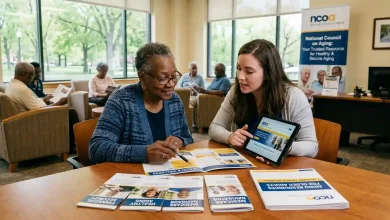
Organizations often provide care navigators who help older adults and their families understand the complex healthcare and social care systems, connecting them with appropriate resources and support. These professionals are experts in the local system, knowing what services are available and how to access them.
Financial Planning for Elderly Care
The cost of elderly care can be substantial, making financial planning a critical component of a comprehensive care strategy. Long-term care costs are expensive and steadily rising.
Understanding Costs:
Families need to educate themselves on the potential costs of various care options, including in-home care, assisted living facilities, and nursing homes. For instance, in 2023, the annual median cost for an assisted living facility was $64,200, and for a home health aide, it was $75,000. These costs can significantly deplete savings.
Exploring Funding Options:
- Personal Savings and Investments: Utilizing retirement accounts, pensions, and personal savings is a common method of payment.
- Long-Term Care Insurance: This type of insurance can help cover the costs of nursing home care, assisted living, and in-home care, protecting personal assets.
- Government Programs: Federal programs like Medicare and state-level programs such as Medicaid can provide assistance, though eligibility criteria vary. Medicare Part A covers inpatient hospital care, Part B covers doctor visits and preventative services, Part C combines A and B with additional services, and Part D covers prescription drugs.
- Veteran Benefits: Veterans and their spouses may be eligible for specific benefits to help with care costs.
Budgeting and Legal Considerations:
Creating a comprehensive budget that outlines all expected income and expenses is essential. It’s also advisable to discuss financial preferences and estate planning early with family members and financial advisors.
Caregiver Well-being: Avoiding Burnout
Caregiving is a demanding role that can lead to physical, emotional, and mental exhaustion, known as caregiver burnout. Family caregivers often spend an average of 17 hours per week on care, competing with work and child care demands. Many experience increased stress because they see their role as their sole responsibility.
Recognizing Signs of Burnout:
Symptoms of caregiver burnout are similar to those of stress and depression and can include emotional and physical exhaustion, withdrawal from loved ones, loss of interest in previously enjoyed activities, feelings of hopelessness, changes in appetite or sleep patterns, irritability, and getting sick more often.
Strategies for Prevention:
- Seek Support: Join caregiver support groups, either locally or online. Talk with friends, family, or a mental health professional.
- Respite Care: Utilize respite care services to take breaks from caregiving responsibilities. This provides relief without long-term commitments.
- Set Boundaries: It’s important to set realistic expectations and boundaries for your caregiving role to prevent feeling overwhelmed.
- Prioritize Self-Care: Make time for activities that promote your own physical and mental health, such as exercise, hobbies, and adequate sleep. Acknowledging your emotions and validating your feelings is also crucial.
- Delegate Tasks: Do not hesitate to ask for help from other family members or community services.
For more detailed information on caregiver burnout, resources are available from organizations like the Cleveland Clinic, which highlights symptoms and prevention strategies: Cleveland Clinic on Caregiver Burnout.
Conclusion
Caring for elderly people is a profound responsibility that requires a holistic and collaborative approach from families and communities. By understanding their diverse needs, providing practical daily support, ensuring a safe and comfortable environment, promoting mental and social well-being, effectively navigating healthcare, planning financially, and prioritizing caregiver well-being, we can collectively ensure that our seniors live their golden years with dignity, comfort, and joy. This comprehensive guide serves as a starting point, encouraging ongoing learning, adaptation, and compassionate engagement to meet the evolving needs of our aging population.