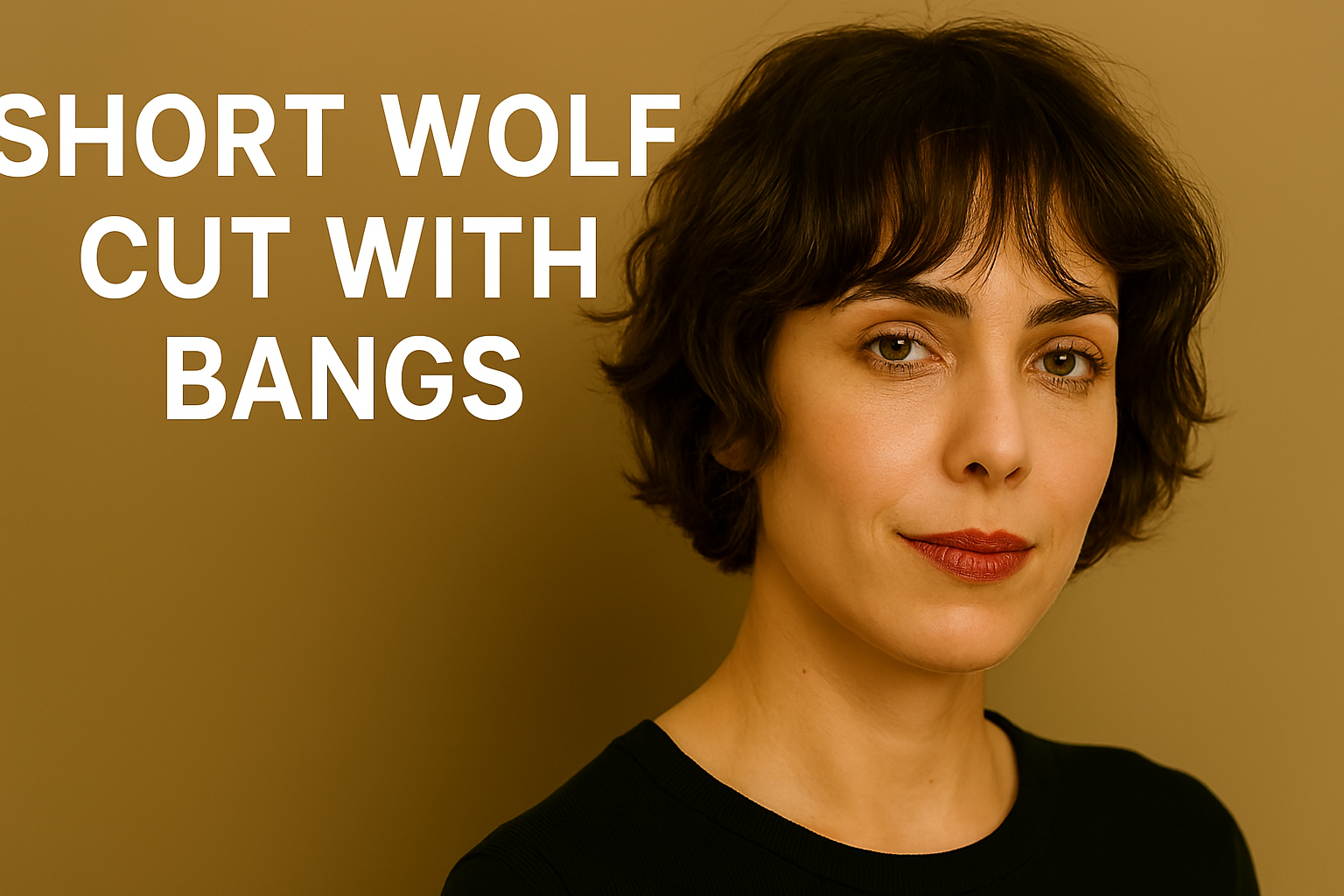

Short Wolf Cut with Bangs 2026 — Modern Variations, How to Cut, Styling Guide ✂️🐺
Short wolf cuts with bangs are one of 2026’s most versatile, low‑effort looks — equal parts edge and softness. This guide explains why the style works, breaks down the most wearable variations, gives step‑by‑step cutting and styling guidance, answers common questions, and finishes with a clear call to action. Emojis are included throughout to make the advice easy to scan and share. 🌟
Why the Short Wolf Cut Works 🔥🌬️
The short wolf cut blends elements of the shag, mullet, and layered bob to create a silhouette that’s airy at the crown, textured through the mid‑lengths, and slightly heavier at the ends. Key benefits:
- Movement and volume — short, disconnected layers at the crown lift the hair and create natural motion. 💨
- Face framing — bangs (curtain, micro, or blunt) anchor the look and tailor it to different face shapes. 🎯
- Low maintenance — the textured shape grows out gracefully and tolerates imperfect styling days. ⏱️
- Adaptable — works on fine, medium, and thick hair with small technique tweaks. 🔁
Signature Short Wolf Variations 🐺✨
| Variant | What it looks like | Best for |
|---|---|---|
| Classic Short Wolf | Choppy layers + soft bangs | Effortless edge; everyday wear |
| Layered Wolf with Bangs | Feathered crown + curtain fringe | Face‑framing, balanced volume |
| Shaggy Wolf Crop | Messy texture + micro bangs | High texture, bold statement |
| Wispy Wolf Bob | Blunt base + airy top | Soft, feminine edge |
| Volumized Wolf Lob | Long layers + full fringe | Drama with control |
How to choose: pick the variant that matches your lifestyle and hair density — creators and trendsetters often choose the shaggy crop; professionals often prefer the wispy bob or layered wolf for a polished finish. 🎨💼
How Stylists Cut a Short Wolf Cut with Bangs ✂️🧰
1. Consultation and reference images Bring two photos: one showing the overall shape and one close to the bangs. Discuss how much length you want to keep and whether you want an undercut or nape taper for manageability. 📸
2. Sectioning and crown layering Start with a clean, dry or slightly damp canvas. Section the crown and cut short, disconnected layers to build lift. The crown layers are the engine of the wolf cut — they create the airy silhouette. 🚂
3. Mid‑length texturing Use point cutting and feathering through the mid‑lengths to remove bulk and create wispy tips. This is where the cut gets its signature texture. ✂️
4. Ends and perimeter Decide on a blunt or soft perimeter. A blunt base gives weight and structure; a soft perimeter keeps the look light and romantic. ⚖️
5. Bang sculpting Choose curtain bangs for a soft, face‑framing effect; micro bangs for attitude; blunt bangs for structure. Sculpt the fringe to match the client’s forehead height and facial proportions. 🎯
6. Optional undercut or taper For extra lift and reduced weight, add a subtle undercut at the nape or tapered sides. This also makes styling faster for clients who want volume with less effort. 🔧
Daily Styling Routine and Product Picks 🧴💨
Quick routine (5–10 minutes):
- Prep — apply a lightweight mousse or sea‑salt spray to damp hair for grip and texture. 🧴
- Dry — rough‑dry with fingers or use a diffuser to enhance natural movement; lift at the roots for volume. 🌬️
- Define — work a pea‑sized amount of texturizing paste or cream through the ends to separate wisps. 🖐️
- Finish — mist with a flexible‑hold hairspray to lock shape without stiffness. 🌫️
Pro product suggestions:
- Texturizing spray for instant grit and separation.
- Light mousse for root lift without crunch.
- Cream paste for piecey definition and soft hold.
- Flexible hairspray to preserve movement.
Styling tips:
- For curtain bangs, use a round brush and blow dryer to shape the fringe away from the face. 🌀
- For micro bangs, a quick flat‑iron pass smooths and polishes the edge. 🔥
- To refresh second‑day texture, spritz dry shampoo at the roots and tousle. 🌿
FAQs — Short Wolf Cut with Bangs ❓💬
Q1: Will a wolf cut suit fine hair? A: Yes. Short, strategic layering and point cutting create the illusion of density while preserving shape. Ask your stylist to keep longer face‑framing pieces to maintain structure. 🌱
Q2: How often should I trim a wolf cut? A: Every 6–8 weeks to keep layers crisp and bangs at the right length. Regular trims prevent the shape from becoming heavy or shapeless. ✂️
Q3: Can I transition from long hair to a wolf cut in one appointment? A: Yes, but expect a longer session. Bring reference photos and be clear about how much length you want to keep. A staged approach (cut then refine) helps if you’re nervous about a dramatic change. 📆
Q4: What face shapes suit wolf cuts with bangs? A: Most face shapes can wear a wolf cut. Curtain bangs soften round faces; micro bangs add edge to oval faces; blunt bangs can balance long faces. Tailor the fringe length and layer placement to your proportions. 🪞
Q5: How do I maintain color with a textured cut? A: Use color‑safe shampoo and a weekly nourishing mask. For dimensional color, ask your colorist for soft face‑framing highlights or lowlights that enhance texture. 🎨
Call to Action — Get the Look 🚀✨
Ready to try a short wolf cut with bangs?
- Save two reference photos (overall shape + close‑up of bangs). 📌
- Book a consultation with a stylist experienced in layering and point cutting. 🗓️
- Try a styling trial at home with recommended products to see how the shape fits your routine. 🧴