6 Key Facts About Immunosenescence – How Aging Weakens Immunity
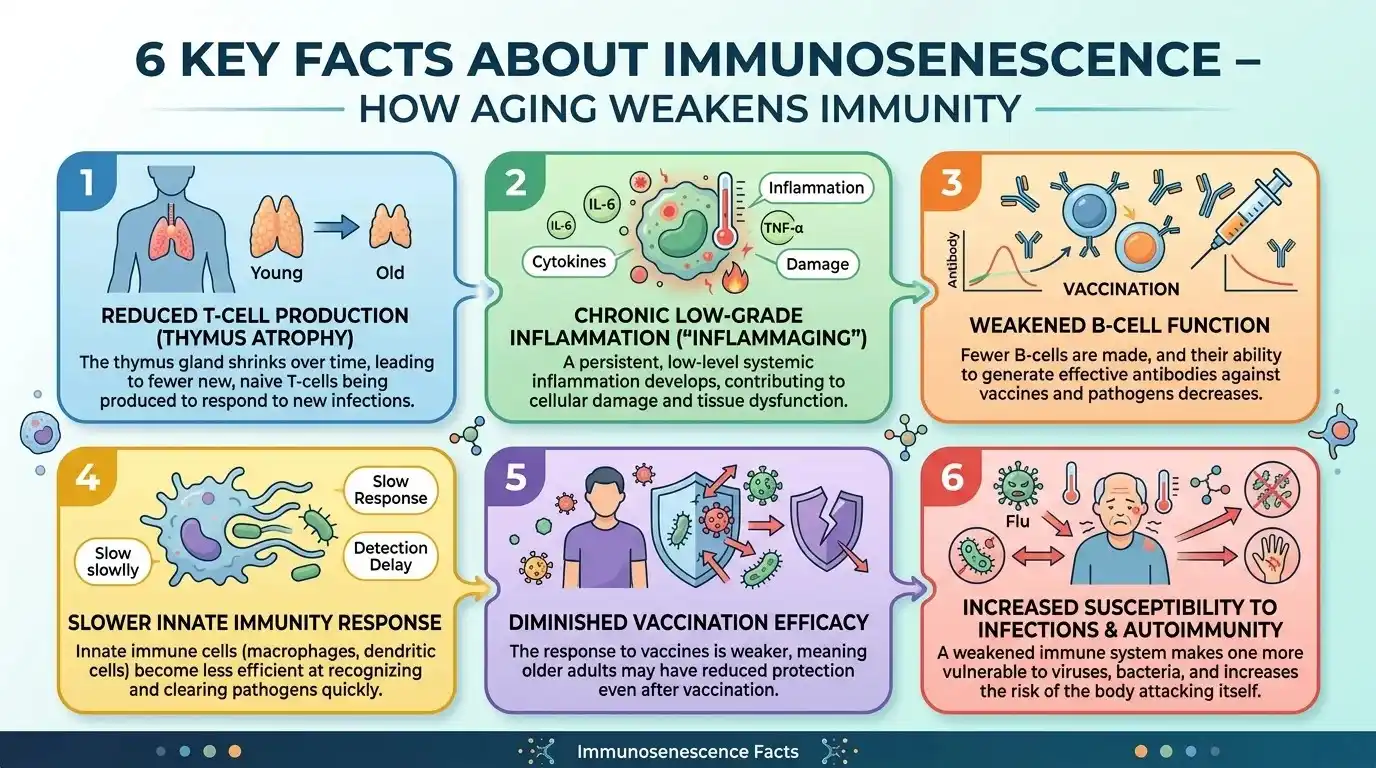
Table of Contents
Immunosenescence refers to the gradual deterioration of the immune system brought on by natural age advancement, making older individuals more vulnerable to infections, chronic diseases, and less responsive to vaccines. This complex biological process affects both the innate and adaptive branches of the immune system, leading to a compromised ability to defend against pathogens and a heightened state of chronic, low-grade inflammation, often termed “inflammaging”. Understanding immunosenescence is crucial for developing strategies to improve health outcomes and extend the healthy lifespan of the aging global population.
What is Immunosenescence?
Immunosenescence is not merely a simple decline but a profound remodeling of the immune system that occurs as a person ages. This age-related immune dysfunction results in a reduced capacity to recognize new antigens, an impaired ability to mount effective immune responses, and a persistent inflammatory state. It encompasses a comprehensive array of age-related alterations within the immune system, affecting both innate and adaptive immunity, along with imbalances between these two components. This progressive decline leaves older adults more susceptible to a range of health threats, including infections, cancer, and autoimmune diseases, and diminishes their response to vaccinations. The consequences of immunosenescence are evident in the increased rates of morbidity and mortality in older adults.
Key features characterizing immunosenescence include a reduced production of new immune cells, altered immune cell function, and dysregulated inflammatory responses. This intrinsic failure of the immune system is a major factor in the increased burden of infectious diseases and the poor efficacy of vaccines in aging populations. The process is not a random deterioration; rather, it reflects an evolutionary pattern where features optimized for effective immunity earlier in life gradually diminish.
Adaptive Immunity: The Shifting Landscape of T and B Cells
The adaptive immune system, responsible for specific and long-lasting immunity, undergoes significant and well-documented changes with age. These alterations primarily involve T cells and B cells, which are crucial for recognizing and eliminating specific pathogens and forming immunological memory.
T-Cell Dysfunction and Thymic Involution
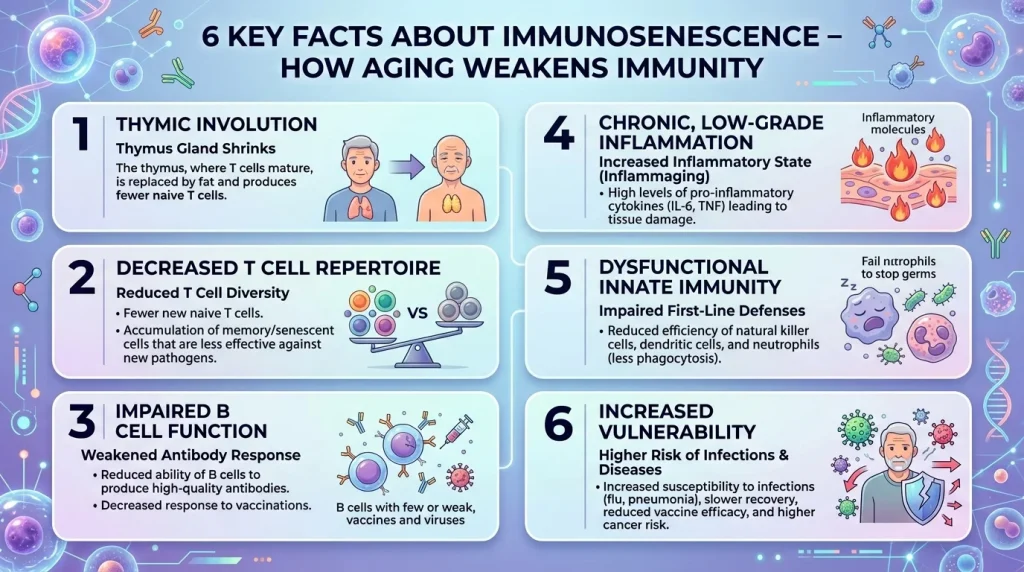
One of the most profound hallmarks of immunosenescence affecting adaptive immunity is thymic involution. The thymus, the primary organ responsible for producing T cells, begins to shrink shortly after birth and gradually loses functionality, reaching minimal activity by middle age. This shrinkage leads to a significant decrease in the output of new, “naïve” T cells, which are essential for recognizing novel pathogens. While the total number of T cells in the body remains relatively constant, there’s a shift in their composition. Older individuals accumulate highly differentiated memory T cells, often at the expense of naïve T cells, limiting the immune system’s ability to respond to new threats effectively.
The functionality of existing T cells also declines. Aged T cells exhibit impaired proliferation, reduced ability to respond to antigens, and a constricted T-cell receptor (TCR) repertoire diversity. This reduced diversity makes it harder for the immune system to recognize and mount effective responses against a wide array of new pathogens. Furthermore, there’s an increase in highly differentiated CD28- memory T cell subsets, particularly in individuals with latent persistent infections like cytomegalovirus (CMV), which can accelerate immunosenescence. These changes contribute to a weaker adaptive immune response and diminished vaccine efficacy in older adults.
B-Cell Alterations and Antibody Production
B cells, responsible for producing antibodies, also undergo significant age-related changes. The aging immune system shows defects in B cell development, maintenance, and function. This includes a decrease in the number of certain B cell subsets, such as marginal zone (MZ) B cells, and a reduction in B cell diversity. While the number of follicular (FO) B cells may only slightly decrease, there is an increase in long-lived, antigen-experienced B cells.
Crucially, the ability of B cells to produce high-affinity antibodies and undergo class-switch recombination and somatic hypermutation (processes vital for generating robust antibody responses) is compromised in older individuals. This leads to less effective antibody responses, for example, to influenza vaccines. Moreover, aging is associated with increased intrinsic B cell inflammation and the accumulation of “age-associated B cells” (ABCs), which can produce autoantibodies and contribute to chronic inflammation and autoimmune diseases. These B cell defects, coupled with impaired T-cell helper function, contribute to the reduced humoral immune responses observed in aging, leading to increased susceptibility to infectious diseases and reduced vaccine protection.
Innate Immunity: Compromised First Line of Defense
The innate immune system, which provides the body’s immediate, non-specific first line of defense against pathogens, also experiences significant age-associated defects. This arm of immunity involves cells like neutrophils, macrophages, and Natural Killer (NK) cells.
Many aspects of the effector functions of innate immune cells change with age. For example, macrophages, which are specialized phagocytic cells, become less effective at identifying and responding to threats, and their phagocytic activity is reduced, delaying pathogen clearance. Neutrophils also exhibit altered activation and less efficient antimicrobial functions. Studies have shown age-associated declines in Toll-like Receptor (TLR) function in monocytes and macrophages, leading to decreased cytokine production and impaired responses to bacterial infections.
Natural Killer (NK) cells, vital for defense against viral infections and some malignancies, show phenotypic changes and a decline in cytotoxic ability on a per-cell basis, despite their absolute numbers potentially increasing. These functional impairments contribute to the heightened vulnerability of older individuals to infections and cancer. The innate immune system in the elderly also tends to be in a state of chronic, low-grade activation, termed “inflammaging,” which can paradoxically augment tissue damage caused by infections. This persistent inflammation is a core mechanism associated with the aging process and contributes to various chronic diseases.
Impact of Immunosenescence on Health Outcomes
The deterioration of the immune system due to immunosenescence has widespread and detrimental effects on the health of older adults. This compromised immunity significantly increases susceptibility to a variety of diseases and negatively impacts overall quality of life and longevity.
One of the most direct consequences is an increased risk and severity of infectious diseases. Older individuals are more vulnerable to common infections like influenza and pneumonia, and they often experience more severe outcomes. The COVID-19 pandemic starkly highlighted this vulnerability, with advanced age being the strongest predictor of severe illness and higher mortality rates. The immune system’s slower response and reduced ability to fight new infections mean that illnesses can take longer to heal and may lead to more complications.
Immunosenescence also contributes to a higher incidence of cancer. The immune system’s ability to detect and correct cell defects declines with age, increasing the risk of cancerous cell growth. Furthermore, the chronic low-grade inflammation (inflammaging) associated with immune aging is linked to various chronic age-related conditions, including cardiovascular disease, type 2 diabetes, autoimmune disorders, and neurodegenerative diseases like Alzheimer’s. This persistent inflammation can damage tissues and organs, accelerating the progression of these conditions.
Moreover, the effectiveness of vaccines is significantly reduced in older adults. Flu shots or other vaccines may not work as well or protect for as long as expected, making vaccination strategies a continuous challenge for this demographic. The reduced immune response to vaccines is due to factors such as impaired antigen presentation by dendritic cells and lowered antibody production by B cells.
| Immune Cell Type | Age-Related Changes in Immunosenescence | Consequence for Immune Function |
|---|---|---|
| T Cells (Adaptive) | Thymic involution, decreased naïve T cell production, accumulation of highly differentiated memory T cells (CD28-), restricted TCR repertoire diversity, impaired proliferation and antigen response. | Reduced ability to recognize and respond to new pathogens and vaccines; weaker cellular immunity. |
| B Cells (Adaptive) | Decreased diversity and production of high-affinity antibodies, reduced class-switch recombination and somatic hypermutation, accumulation of age-associated B cells (ABCs). | Less effective humoral responses to infections and vaccines; increased risk of autoimmune disease. |
| Macrophages (Innate) | Reduced phagocytic activity, less effective at identifying and responding to threats, impaired TLR function, altered cytokine production. | Delayed pathogen clearance, impaired wound healing, increased susceptibility to bacterial infections. |
| Neutrophils (Innate) | Altered activation, less efficient antimicrobial functions, defects in signal transduction pathways. | Compromised first line of defense; contribute to aberrant inflammatory responses. |
| Natural Killer (NK) Cells (Innate) | Phenotypic changes, decline in cytotoxic ability per cell, reduced cytokine and chemokine production. | Weakened surveillance against viral infections and malignancies. |
Factors Influencing Immune Aging
Immunosenescence is a complex process influenced by a combination of intrinsic biological changes and extrinsic environmental and lifestyle factors. While aging itself is the primary driver, several elements can accelerate or mitigate the decline in immune function.
- Chronic Low-Grade Inflammation (Inflammaging): This persistent, mild activation of the immune system is a hallmark of immune aging. It arises from the accumulation of senescent cells that secrete inflammatory cytokines, contributing to tissue damage and further immune dysfunction. This chronic inflammation can exhaust the immune system and interfere with effective responses.
- Latent Infections: Persistent infections, particularly common herpesviruses like cytomegalovirus (CMV), continuously stimulate the immune system. Over time, this chronic immune surveillance can exhaust certain immune cell populations, skew immune balance, and reduce the diversity of naïve immune cells needed to respond to new pathogens, thereby accelerating immunosenescence.
- Genetics and Epigenetics: Genetic predispositions play a role in how an individual’s immune system ages. Epigenetic changes, alterations in gene expression without changes in DNA sequence, also contribute to the dysregulation of immune cell function during aging.
- Lifestyle Factors:
- Poor Nutrition: A diet lacking essential vitamins, minerals, antioxidants, and adequate protein can weaken the immune system and exacerbate inflammation. Imbalances in gut microbiota, often influenced by diet, also play a significant role in immune aging.
- Sedentary Lifestyle: Lack of regular physical activity negatively impacts immune function and can contribute to chronic inflammation.
- Chronic Stress: Prolonged stress negatively affects immune function by raising cortisol levels, which can accelerate immunosenescence.
- Insufficient Sleep: Inadequate sleep impairs immune system regeneration and weakens immune responses.
- Obesity: Being overweight or obese can accelerate age-related immune changes, evidenced by T cells suggesting accelerated immune system aging and elevated pro-inflammatory cytokines.
- Smoking and Alcohol: Smoking weakens the immune system, and excessive alcohol intake can also have detrimental effects.
- Metabolic Changes: Aging affects cellular metabolism, influencing immune cell function. Older immune cells may exhibit altered metabolic profiles, leading to impaired energy production and functional deficits. For instance, research suggests that B cells gain a stronger capacity to age T cells when their ability to respond to insulin signaling is active, indicating that blood sugar levels could contribute to immune system aging.
- Oxidative Stress and Mitochondrial Dysfunction: Aging is associated with progressive oxidative stress and mitochondrial dysfunction. Mitochondria are crucial for energy production in immune cells, and their declining efficiency with age leads to increased reactive oxygen species (ROS) production and impaired bioenergetics, contributing to immunosenescence.
Strategies to Mitigate Immunosenescence
While aging is an inevitable process, research indicates that several strategies can help slow down immunosenescence and support a healthier immune system in older age. These interventions aim to improve immune cell function, reduce chronic inflammation, and enhance vaccine responsiveness.
- Healthy Diet: A balanced diet rich in vitamins, minerals, antioxidants, and essential nutrients is fundamental for supporting immune function. Foods high in omega-3 fatty acids, vitamin D, vitamin C, and zinc are particularly beneficial. A Mediterranean-style diet, rich in fruits, vegetables, whole grains, and healthy fats, has been shown to reduce inflammation and promote a diverse gut microbiome, which is crucial for immune health. Correcting nutritional deficiencies in older adults, such as inadequate protein or micronutrient intake, may improve immune responses.
- Regular Physical Activity: Moderate aerobic exercise, such as walking or swimming, helps improve immune function, reduce systemic inflammation, and enhance vaccine responses in older adults. Exercise has been shown to increase naïve T cell subsets and decrease senescent and effector memory cells, effectively countering T-cell dysregulation.
- Sufficient Sleep: Adequate and quality sleep is crucial for immune system regeneration and optimal function. Poor sleep weakens immune responses and increases inflammatory markers.
- Stress Management: Chronic stress negatively impacts immune function. Practicing mindfulness, meditation, yoga, or engaging in hobbies can help manage stress and support a healthier immune system.
- Vaccination: While vaccine responses may be less robust in older adults, certain vaccines are essential for protection against illnesses like the flu, pneumonia, shingles, and COVID-19. Advanced vaccine formulations, such as adjuvanted or high-dose vaccines, are specifically designed to enhance immune responses in older populations.
- Maintaining a Healthy Gut Microbiome: A diverse and balanced gut microbiome is linked to stronger immune responses. A Mediterranean diet and potential probiotic supplementation can help maintain a healthy gut environment.
- Addressing Oxidative Stress: As the immune system ages, its ability to manage oxidative stress (an imbalance of antioxidants and free radicals) declines. Strategies to reduce oxidative stress may include antioxidant-rich diets.
- Emerging Therapeutic Approaches: Ongoing research explores various novel interventions, including:
- Senolytics: These compounds aim to selectively target and eliminate senescent cells, which contribute to chronic inflammation.
- Thymic Regeneration Therapies: Approaches to rejuvenate the thymus could potentially increase the output of new T cells.
- Hormonal Therapies: Certain hormone therapies are being studied for their potential to rejuvenate immune function, though more research is needed on their risks and benefits.
- Caloric Restriction: Some research suggests that reducing calorie intake without malnutrition may slow down aging and reduce inflammation.
- Epigenetic Reprogramming: This cutting-edge field investigates reversing age-related changes in immune cell function at an epigenetic level.
- Immunomodulating Therapies: These involve targeting specific immune pathways to restore balance and enhance function.
The University Health Network (UHN) in Canada has been at the forefront of research into immune system aging, recently identifying a key mechanism involving B cells in the aging of T cells. Their findings highlight how the communication between B and T cells is crucial for T cells to exhibit features of aging, and that modulating B cell function could potentially improve T cell health and lifespan. This work suggests that external factors, like blood sugar, could also contribute to immune system aging. A report from UHN Research underscores the significance of these findings for understanding and potentially reversing immune decline.
Future Directions in Immunosenescence Research
The field of immunosenescence is rapidly evolving, with researchers continually uncovering new insights into the molecular mechanisms driving immune aging and exploring innovative therapeutic strategies. The complexity of the immune system’s decline with age necessitates a multifaceted research approach.
One major area of focus is deepening the understanding of cellular and molecular changes. This includes advanced studies into the genetics and epigenetics that underpin immune cell dysfunction in aging, as well as the roles of telomere shortening and mitochondrial dysfunction. Researchers are increasingly employing systems biology approaches, integrating data from various components of the immune system to gain a holistic understanding of how these changes interact.
Emerging therapeutic approaches represent a promising frontier. The development and clinical translation of senolytics, which selectively eliminate senescent cells, are active areas of investigation. Similarly, thymic regeneration therapies aim to restore the thymus’s capacity to produce new, naïve T cells, thereby expanding the immune repertoire. Epigenetic reprogramming, using tools like Yamanaka factors to restore youthful characteristics to aged cells, holds significant potential but faces substantial safety and technical challenges in clinical application.
The role of the gut microbiome in immune aging (inflammaging) is also a growing area of interest. Interventions targeting the microbiome, such as fecal microbiota transplantation or specific probiotic therapies, are being explored for their potential to support immune function. Personalized vaccination strategies, tailored to the specific immune profiles of older individuals, are also being developed to enhance vaccine efficacy.
Furthermore, future studies are integrating advanced technologies like single-cell sequencing, spatial transcriptomics, and multi-omics approaches to define the precise landscapes of immune cell senescence in tissues. This will help in establishing robust biomarker systems and moving from mechanistic research to precision interventions for age-related diseases, including chronic bone diseases and neurodegenerative conditions. Understanding how core aging hallmarks cause central nervous system (CNS) immune aging could reveal novel, cell-specific therapeutic targets within the brain’s immune system to stop or reverse brain aging and neurodegenerative diseases.
Conclusion
Immunosenescence is a fundamental aspect of aging, characterized by a complex decline in the immune system’s ability to effectively protect the body from pathogens and maintain immune homeostasis. This deterioration affects both innate and adaptive immunity, leading to increased susceptibility to infections, reduced vaccine efficacy, and a heightened risk of chronic inflammatory diseases and cancer. The intricate interplay of intrinsic biological changes, such as thymic involution and cellular dysfunction, with extrinsic factors like diet, lifestyle, and chronic infections, shapes the trajectory of immune aging.
However, immunosenescence is not an unchangeable fate. Significant research efforts are underway to understand its mechanisms and develop interventions. Lifestyle modifications, including a healthy diet, regular exercise, adequate sleep, and stress management, offer foundational approaches to mitigate its effects. Moreover, advances in vaccine technology and promising emerging therapies, such as senolytics and strategies for thymic regeneration, hold the potential to partially restore immune function and improve health outcomes for older adults. Continued research into the complex dynamics of immune aging will be vital in developing innovative solutions to extend not just lifespan, but also healthspan, allowing individuals to live longer, healthier lives.