7 Essential AgeCare Services for Elderly Health & Daily Support
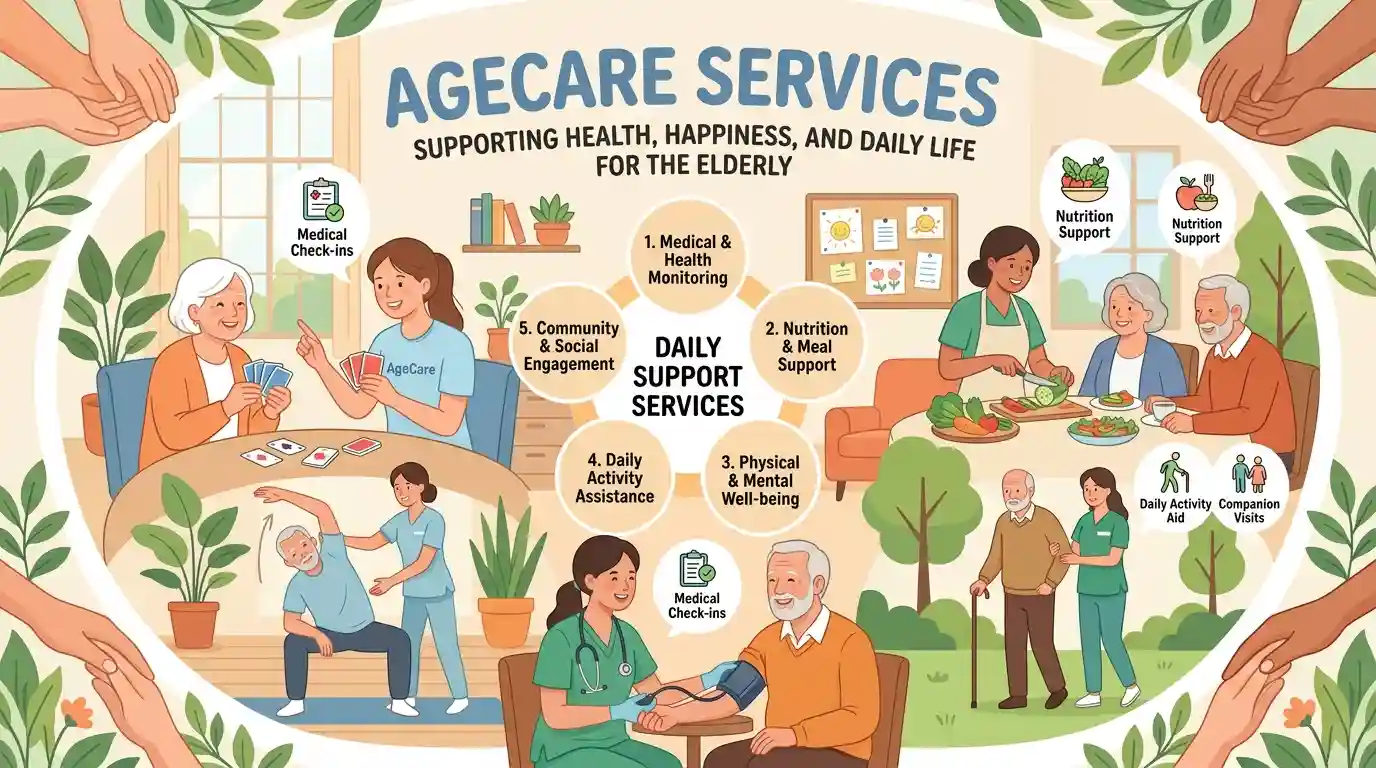
Table of Contents
AgeCare Services encompass a broad spectrum of professional support designed to enhance the health, well-being, and daily lives of older adults. As the global population continues to age at an unprecedented pace, the demand for comprehensive and compassionate elderly care has never been more critical. By 2030, one in six people worldwide will be aged 60 years or over, a figure projected to double by 2050 to 2.1 billion people. This demographic shift presents significant challenges and opportunities for healthcare and social systems globally. In the United States alone, the population aged 65 and older is expected to increase dramatically from 56.1 million in 2020 to 82.1 million by 2050. This growth necessitates a robust framework of AgeCare services that can adapt to evolving needs, ensuring dignity, independence, and a high quality of life for seniors.
Introduction to AgeCare Services: Addressing the Needs of an Aging Population
The concept of AgeCare extends far beyond basic assistance, aiming to provide holistic support that addresses physical, emotional, social, and cognitive needs. With increasing life expectancies, many older adults face chronic health conditions, cognitive impairments, and the natural decline in physical capabilities that can impact their ability to live independently. The challenges posed by an aging society include significant strain on healthcare systems, economic pressures, and issues such as social isolation and mental health concerns among seniors. AgeCare services offer vital solutions, ranging from in-home support to specialized residential care, all tailored to meet individual requirements. The ultimate goal is to empower older adults to maintain their independence, comfort, and sense of identity, whether they choose to age in place or transition to a supportive community setting.
Understanding the Diverse Needs of the Elderly
Effective AgeCare begins with a thorough understanding of the varied and often complex needs of older individuals. These needs are highly personal and can change significantly over time, influenced by health status, cognitive function, social support networks, and personal preferences. Many seniors live with at least one chronic health condition, and often multiple, such as heart disease, type 2 diabetes, or arthritis, requiring ongoing medical management and support. Cognitive impairments like Alzheimer’s disease and other forms of dementia are also prevalent, particularly among the “oldest old,” and necessitate specialized care approaches. Beyond medical concerns, older adults may require assistance with Activities of Daily Living (ADLs) such as bathing, dressing, eating, and mobility, as well as Instrumental Activities of Daily Living (IADLs) like meal preparation, managing medications, housekeeping, and transportation. Social and emotional well-being are equally crucial; many seniors experience loneliness and social detachment, which can have significant health risks. AgeCare services are designed to address these multifaceted needs, providing not just physical assistance but also companionship and opportunities for social engagement.
Comprehensive Types of AgeCare Services Available
The landscape of AgeCare services is diverse, offering a range of options to suit different levels of need and preferences. Families often find themselves navigating a complex array of choices, from in-home support to various residential settings. Understanding these options is the first step toward securing appropriate care.
In-Home Care and Assistance
For many seniors, the desire to “age in place” – remaining in the comfort and familiarity of their own home – is paramount. In-home care services are designed to make this possible by providing personalized support directly in the senior’s residence. These services can be broadly categorized into non-medical and medical care. Non-medical home care includes assistance with ADLs like bathing, dressing, and grooming, as well as IADLs such as meal preparation, light housekeeping, errands, and transportation. Caregivers also offer vital companionship, helping to reduce feelings of loneliness and isolation. Medical home health care services, often provided by licensed professionals, can include medication management, wound care, physical therapy, occupational therapy, and skilled nursing care. This type of care is particularly beneficial for recovery after surgery or illness, or for managing chronic conditions. In-home care offers flexibility, with options ranging from a few hours a week to 24/7 live-in care, adapting to the senior’s evolving needs.
Assisted Living Facilities
Assisted living communities offer a balance of independence and support for seniors who need help with daily activities but do not require 24-hour skilled nursing care. These facilities typically provide a private or semi-private living space within a community setting, along with services such as meals, housekeeping, laundry, transportation, and medication reminders. Assisted living also emphasizes social engagement, offering a variety of recreational activities and opportunities for residents to interact and build friendships. While more restrictive than independent living, assisted living allows seniors to maintain a greater degree of autonomy compared to nursing homes, making it a popular choice for those who can no longer safely live alone but wish to remain active.
Skilled Nursing Facilities (Nursing Homes)
Skilled nursing facilities, often referred to as nursing homes, provide the highest level of residential care, offering 24-hour medical supervision and skilled nursing services. These facilities are designed for seniors who require constant medical attention, intensive rehabilitation after an injury or illness, or who have severe chronic health conditions that cannot be managed at home or in an assisted living setting. Services include round-the-clock care by licensed health professionals, comprehensive medical management, physical, occupational, and speech therapy, and assistance with all ADLs. Nursing homes provide a clinical environment focused on recovery and continuous care, ensuring safety and well-being for individuals with complex medical needs.
Specialized Memory Care and Other Programs
Beyond these primary categories, AgeCare services also include specialized options tailored to specific needs:
- Memory Care Communities: These facilities are dedicated to individuals living with Alzheimer’s disease or other forms of dementia. They offer secure environments, specialized staff trained in dementia care, and programs designed to support cognitive function and manage behavioral symptoms.
- Respite Care: Provides temporary relief for primary family caregivers, allowing them to take a break. Respite care can be offered in various settings, including in-home, assisted living facilities, or adult day centers.
- Adult Day Programs: These programs offer supervision, activities, and dietary help in a structured group setting during daytime hours. Some also provide nursing services and various therapies, offering social interaction for seniors and a crucial break for caregivers.
- Hospice Care: Focused on providing comfort and support for individuals with a terminal illness, aiming to improve quality of life during their final stages.
- Continuing Care Retirement Communities (CCRCs): These integrated communities offer a continuum of care, combining independent living, assisted living, and skilled nursing care all in one location, allowing residents to transition between levels of care as their needs change.
Key Benefits of Professional AgeCare Services
Engaging professional AgeCare services offers numerous advantages for both seniors and their families, significantly enhancing the quality of life and providing peace of mind.
- Improved Safety and Health Monitoring: Trained caregivers can prevent falls, manage medications, and promptly respond to health emergencies, creating a safer living environment. This proactive approach reduces the risk of accidents and hospital readmissions.
- Personalized Care Plans: Professional care providers assess individual needs and develop tailored care plans, ensuring that seniors receive the precise level of support required for their unique situation, from daily tasks to specialized medical attention.
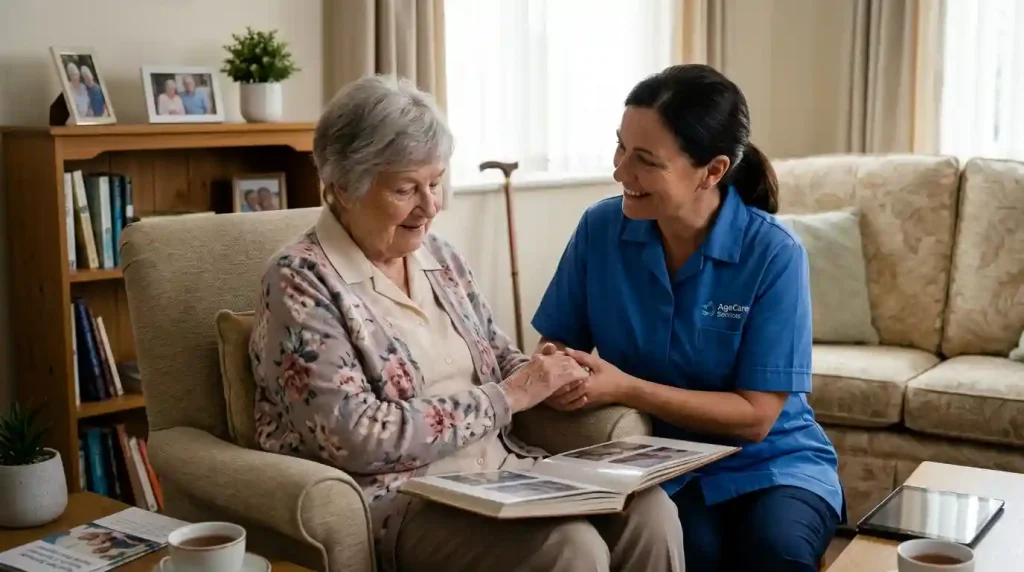
- Enhanced Emotional and Social Well-Being: Caregivers provide companionship, combating loneliness and social isolation—a significant issue for many older adults. They encourage participation in meaningful activities and foster social connections, crucial for mental health.
- Relief and Peace of Mind for Families: Professional care alleviates the daily pressures on family caregivers, allowing them to take breaks, recharge, and manage their own lives more effectively, thus preventing caregiver burnout and promoting healthier family dynamics. Knowing loved ones are in capable, compassionate hands brings immense reassurance.
- Better Quality of Life and Daily Comfort: By assisting with daily tasks and ensuring a supportive environment, professional care helps seniors maintain their dignity, independence, and overall comfort. It enables them to continue making their own choices and enjoying a fulfilling lifestyle.
Navigating the Financial Aspects of Elderly Care
The cost of AgeCare services is a major consideration for many families, varying significantly based on the type, intensity, and location of care. Understanding these financial aspects is crucial for effective planning.
Here’s a general overview of median costs in the United States, keeping in mind that these figures can fluctuate annually and by region:
| Type of Care Service | Median Cost (Approximate) | Payment Structure |
|---|---|---|
| In-Home Non-Medical Care (Home Health Aide) | $33 per hour (2025) or $6,292 per month (44 hours/week, 2025) | Hourly; can be private pay, long-term care insurance. Medicare has limited coverage for short-term medical home health services. |
| Adult Day Services | $95 per day (2025) or $72 per day (2019) | Daily/Hourly; typically private pay, some Medicaid coverage may apply. |
| Assisted Living Facility | $6,200 per month (2025) or $4,500 – $4,900 per month (2024) | Monthly; mostly private pay, long-term care insurance, some Medicaid waivers. Memory care can be 20-30% more. |
| Nursing Home (Semi-private room) | $9,581 per month (2025) or $9,277 per month (2024) | Daily/Monthly; Medicare (short-term skilled care), Medicaid (for eligible low-income individuals), private pay, long-term care insurance. |
| Nursing Home (Private room) | $10,798 per month (2025) or $10,646 per month (2024) | Daily/Monthly; Same as semi-private. |
These costs highlight the financial burden associated with long-term care. While Medicare covers some short-term skilled nursing care, it generally does not cover long-term custodial care. Medicaid can assist with long-term care for those who meet specific income and asset qualifications, which vary by state. Many families rely on personal savings, assets, retirement benefits, or long-term care insurance to cover these expenses. Consulting with financial advisors specializing in elder care planning can help identify potential financial resources and navigate tax deductions. It’s essential to plan proactively to mitigate the financial strain and avoid making costly decisions during a crisis.
Choosing the Right AgeCare Provider: A Guided Approach
Selecting the appropriate AgeCare provider is a deeply personal and often challenging decision. It requires careful evaluation and a structured approach to ensure the best fit for your loved one’s needs.
- Assess Your Loved One’s Needs: Begin by thoroughly evaluating their current and potential future medical, physical, cognitive, and emotional needs. Consider their mobility levels, chronic conditions, cognitive status (e.g., dementia), and personal preferences regarding independence and social engagement.
- Research and Compare Options: Explore the different types of care services available (in-home, assisted living, skilled nursing, memory care, etc.) and determine which best aligns with the assessed needs. Use reliable resources such as government health portals or reputable online directories to find local providers.
- Check Credentials and Reputation: Verify the provider’s licensing, accreditation, and any inspection violations through state or federal agencies. Read reviews and seek recommendations from healthcare providers, friends, or community organizations.
- In-Depth Evaluation and Visits: For residential facilities, schedule on-site visits to observe the environment’s cleanliness, staff-resident interactions, safety features, and overall atmosphere. Ask detailed questions about staff qualifications, training protocols (especially for dementia care), and how care plans are created and reviewed. For in-home care, request an in-person meeting with potential caregivers to assess their compatibility and communication style with your loved one.
- Understand Costs and Contracts: Clearly comprehend the pricing structure, what services are included, and any potential additional fees. Discuss payment options and how insurance or other benefits might apply.
- Seek Professional Support: If the process feels overwhelming or family members disagree on a course of action, consider consulting an Elder Care Professional. These experts can provide guidance, navigate care situations, and help mediate family conflicts, potentially saving time and money.
Compatibility and communication are paramount. A well-matched caregiver who is patient, empathetic, reliable, and professional can significantly enhance a senior’s physical comfort, emotional wellness, and overall quality of life.
Innovations and the Future of AgeCare
The field of AgeCare is continuously evolving, with technological innovations playing a crucial role in enhancing the independence, safety, and quality of life for older adults. These advancements are transforming how care is delivered and experienced.
- Remote Patient Monitoring (RPM) and Wearable Devices: Smartwatches, health patches, and other wearables can track vital signs, activity levels, and sleep patterns in real-time. This allows for continuous health monitoring, early detection of potential issues, and better management of chronic conditions, reducing the need for hospital visits.
- Smart Home Technology: Integrating IoT devices for home automation and safety is becoming increasingly common. This includes fall detection systems, smart medication dispensers with reminders, voice-activated assistants, and home security monitoring. These technologies enable seniors to live independently longer while providing peace of mind to caregivers.
- AI-Powered Predictive Analytics: Artificial intelligence is being used to analyze health data to predict potential medical issues before they occur. This aids in early diagnosis, personalized care plans, and optimized resource allocation, for instance, by predicting falls or cognitive decline.
- Telehealth and Virtual Care Platforms: Virtual doctor consultations and remote therapy sessions increase access to healthcare, especially for seniors with mobility challenges or those in rural areas. Video calling has also become essential for reducing social isolation.
- Robotics and Assistive Devices: Robots are emerging as sophisticated helpers, offering both practical assistance and emotional support. They can provide physical stability during movements, help with household chores, offer medication reminders, and engage in meaningful conversations as companions.
- Virtual Reality (VR): VR technology offers therapeutic and recreational benefits, allowing seniors to explore virtual environments, reduce anxiety, manage pain, and engage in cognitive and physical therapy programs.
While technology cannot replace the human touch in elder care, these innovations are filling critical gaps, improving efficiency, and empowering seniors to lead healthier, more independent lives. The future of AgeCare will likely involve a blended approach, leveraging technology to augment and personalize human care, addressing the unique challenges of a rapidly aging global population, as emphasized by organizations like the World Health Organization.
Conclusion
AgeCare Services are indispensable in today’s rapidly aging world, providing the essential health and daily support that allows older adults to live with dignity, comfort, and independence. From personalized in-home assistance to specialized residential facilities and cutting-edge technological innovations, the spectrum of care available is designed to meet diverse and evolving needs. While the challenges of an aging population are substantial, encompassing healthcare strains, economic considerations, and the fight against social isolation, professional AgeCare offers comprehensive solutions. By prioritizing improved safety, personalized attention, emotional well-being, and relief for family caregivers, these services significantly enhance the quality of life for seniors. Navigating the choices requires careful assessment of needs, thorough research of providers, and an understanding of financial implications, often benefiting from professional guidance. As technology continues to advance, the future of AgeCare promises even more integrated, efficient, and compassionate approaches, ensuring that older adults receive the holistic support they deserve.